

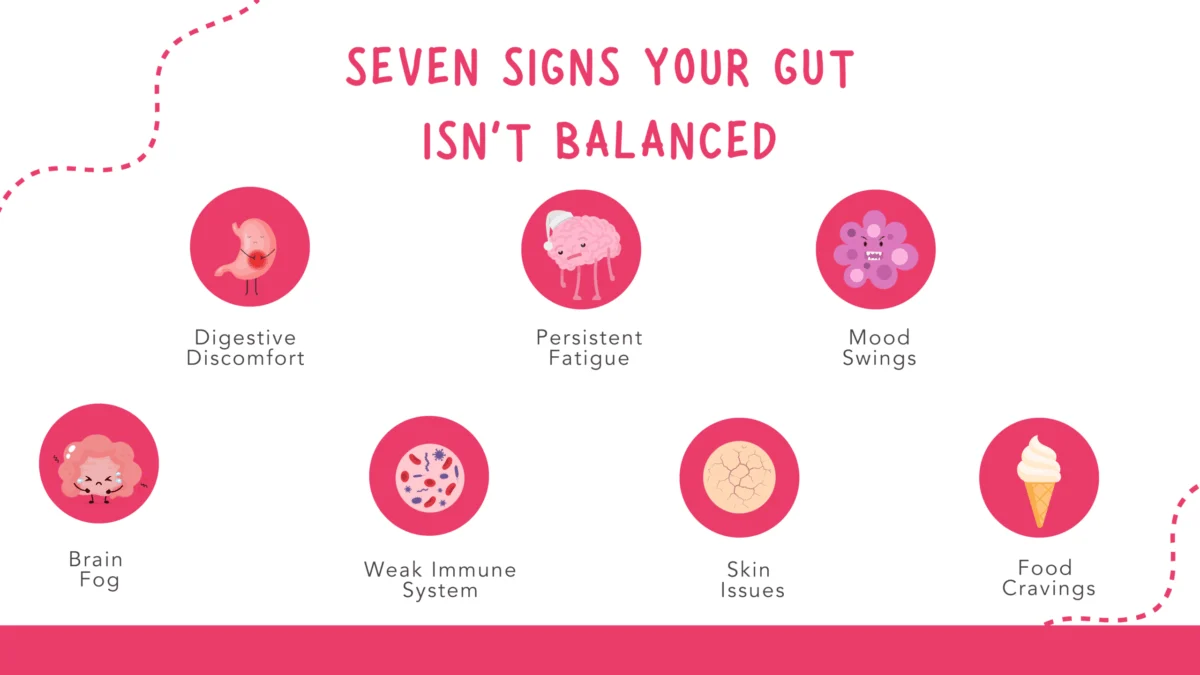
The human gut microbiome, a complex ecosystem of trillions of microorganisms residing primarily in the large intestine, is increasingly recognized by the medical community as a cornerstone of systemic health. Recent clinical research suggests that the balance of these microbial populations—collectively known as the microbiota—influences everything from metabolic function to neurological well-being. When this delicate equilibrium is disrupted, a state known as dysbiosis occurs, leading to a cascade of physiological symptoms that extend far beyond the digestive tract. Identifying these markers is essential for early intervention and the prevention of chronic inflammatory conditions.
Clinical Indicators of Microbiome Dysbiosis
The manifestation of an unhealthy gut is rarely isolated to a single organ. Instead, it presents as a multisystemic issue. Physicians and nutritionists point to seven primary indicators that suggest a patient’s internal microbial environment requires intervention.
1. Chronic Gastrointestinal Distress
The most immediate signs of dysbiosis are localized within the digestive system. Frequent episodes of abdominal bloating, excessive flatulence, constipation, and diarrhea are hallmark symptoms of an inability to process nutrients efficiently. These symptoms often stem from the fermentation of undigested carbohydrates by pathogenic bacteria or the overgrowth of certain strains in the small intestine. Clinical tools such as the Bristol Stool Scale are frequently utilized by healthcare providers to categorize these irregularities and determine the transit time of waste through the colon.
2. Persistent Fatigue and Sleep Disturbances
While fatigue is often attributed to lifestyle factors, a significant body of evidence links chronic lethargy to gut health. A study published in ScienceDirect revealed that approximately 60% of individuals suffering from chronic fatigue also meet the diagnostic criteria for Irritable Bowel Syndrome (IBS). Furthermore, the gut produces precursors to melatonin, the hormone responsible for regulating sleep cycles. An imbalanced microbiome can lead to fragmented sleep, which compounds the feeling of exhaustion during waking hours.
3. Neurological and Mood Fluctuations
The "gut-brain axis" describes the bidirectional communication network between the central nervous system and the enteric nervous system. This connection is chemically mediated, largely by serotonin. While serotonin is primarily associated with brain function and mood regulation, an estimated 95% of the body’s total serotonin is synthesized in the gastrointestinal tract. Consequently, dysbiosis is frequently correlated with increased levels of anxiety, depression, and significant mood swings. When the gut environment is compromised, the production of these neurotransmitters is inhibited, directly impacting mental health.
4. Metabolic Shifts and Sugar Cravings
The composition of the microbiome can actively influence dietary preferences. Certain pathogenic bacteria and yeasts, such as Candida, thrive on simple sugars. These organisms can secrete signaling molecules that mimic human hormones, effectively "hijacking" the host’s appetite to demand high-sugar or highly processed foods. This creates a feedback loop where poor dietary choices fuel the growth of harmful bacteria, which in turn demand more of the same nutrients, leading to weight gain and metabolic instability.
5. Dermatological Manifestations
The "gut-skin axis" is a well-documented phenomenon in dermatology. Chronic inflammation in the gut, often caused by "leaky gut" or increased intestinal permeability, allows pro-inflammatory cytokines to enter the bloodstream. This systemic inflammation frequently manifests on the skin as acne, eczema, rosacea, or psoriasis. Clinical trials have shown that addressing underlying gut dysbiosis can significantly reduce the severity of these skin conditions.
6. Compromised Immune Response
It is estimated that 70% to 80% of the human immune system is located within the gut-associated lymphoid tissue (GALT). The microbiome trains the immune system to distinguish between harmless antigens and dangerous pathogens. When the microbial balance is skewed, the immune system may become hyper-reactive (leading to allergies or autoimmune issues) or under-reactive (leading to frequent infections and slow recovery from common illnesses).
7. Cognitive Impairment and "Brain Fog"
Cognitive dysfunction, characterized by confusion, forgetfulness, and an inability to focus—commonly referred to as "brain fog"—is often a neurological byproduct of gut inflammation. Metabolites produced by an unhealthy microbiome can cross the blood-brain barrier, triggering neuroinflammation. This interference with cognitive processing highlights the necessity of gut health for maintaining mental clarity and long-term brain health.
The Evolution of Microbiome Research: A Brief Chronology
The scientific understanding of the gut has undergone a radical transformation over the last century.
- Early 1900s: Nobel laureate Élie Metchnikoff first proposed that "putrefactive" bacteria in the gut contributed to aging and that consuming fermented milk (probiotics) could prolong life.
- 1990s: The concept of the "Second Brain" was popularized by Dr. Michael Gershon, highlighting the complexity of the enteric nervous system.
- 2008: The National Institutes of Health (NIH) launched the Human Microbiome Project, a multi-year initiative to map the microbial makeup of healthy versus diseased individuals.
- Present Day: Modern medicine now views the microbiome as a "virtual organ," with ongoing research into fecal microbiota transplants (FMT) and precision probiotics to treat conditions ranging from Clostridioides difficile (C. diff) to autism spectrum disorder.
Supporting Data and Dietary Statistics
The prevalence of gut-related issues in modern society is often linked to the "Western Diet," which is high in ultra-processed foods and low in fiber. According to nutritional guidelines, adult women require approximately 25 grams of fiber daily (22 grams for those over 50), yet the average intake in the United States remains closer to 15 grams.
Fiber serves as a "prebiotic," the essential fuel for beneficial bacteria. Without adequate fiber, these bacteria cannot produce short-chain fatty acids (SCFAs) like butyrate, which protect the intestinal lining. Data from the World Health Organization (WHO) suggests that increasing dietary fiber can significantly reduce the risk of colorectal cancers and metabolic syndromes, further underscoring the link between gut health and longevity.
Strategies for Restoring Microbial Balance
Medical professionals advocate for a multi-faceted approach to reversing dysbiosis, focusing on diet, lifestyle, and targeted supplementation.
Dietary Fiber Integration
To restore the microbiome, experts recommend a diverse intake of both soluble and insoluble fibers. Soluble fiber (found in oats, flaxseeds, and certain fruits) dissolves in water to form a gel-like substance, slowing digestion and improving nutrient absorption. Insoluble fiber (found in vegetables and whole grains) adds bulk to stool and aids in regular waste elimination. Clinical advice suggests a gradual increase in fiber intake to allow the gut to adapt without causing temporary gas or bloating.
The Role of Fermented Foods
Historically, fermentation was used as a preservation method, but it also served as a natural source of probiotics. Incorporating foods such as kefir, sauerkraut, kimchi, and kombucha introduces live beneficial cultures into the digestive tract. These foods help to lower the pH of the gut, making it less hospitable to pathogenic organisms.
Hydration and Mucosal Integrity
Water is essential for the mucosal lining of the intestines, which acts as a barrier between the gut contents and the bloodstream. Proper hydration ensures that fiber can move through the system effectively and supports the production of mucus that protects the gut wall from irritation and infection.
Therapeutic Supplementation
In cases where diet alone is insufficient—such as following a course of antibiotics or during periods of high stress—probiotic supplementation may be necessary. Clinical-grade probiotics are evaluated based on Colony Forming Units (CFUs) and strain specificity. For women, strains such as Lactobacillus rhamnosus and Lactobacillus reuteri are particularly valued for their ability to support both digestive and vaginal microbiomes.
Modern formulations often include "superfood" prebiotics, such as baobab fruit fiber. Baobab is rich in polyphenols and prebiotic fibers that selectively stimulate the growth of beneficial Bifidobacteria.
Official Responses and Clinical Standards
Health organizations, including the American Gastroenterological Association (AGA), emphasize that while probiotics are a powerful tool, they should be used as part of a holistic health strategy. The consensus among medical professionals is that supplements should be "shelf-stable" and "survivable," meaning the bacteria must remain alive through the acidic environment of the stomach to reach the lower intestine where they are most effective.
Furthermore, the industry is moving toward "clean" standards, requiring supplements to be free from common allergens like gluten, soy, and dairy, as well as synthetic fillers that could potentially exacerbate gut sensitivity in certain patients.
Broader Impact and Future Implications
The implications of gut health research extend into the realm of public health and economic policy. Chronic diseases linked to poor gut health, such as obesity and type 2 diabetes, place a multi-billion dollar burden on global healthcare systems. By shifting the focus toward preventative gut health—through better food labeling, increased access to whole foods, and public education on the microbiome—societies may see a reduction in the prevalence of these costly conditions.
As personalized medicine continues to evolve, the analysis of an individual’s unique microbial signature may soon become a standard part of diagnostic medicine. This would allow for precision nutrition and supplementation plans tailored to a person’s specific genetic and microbial needs, marking a new era in the pursuit of optimal human health.
