

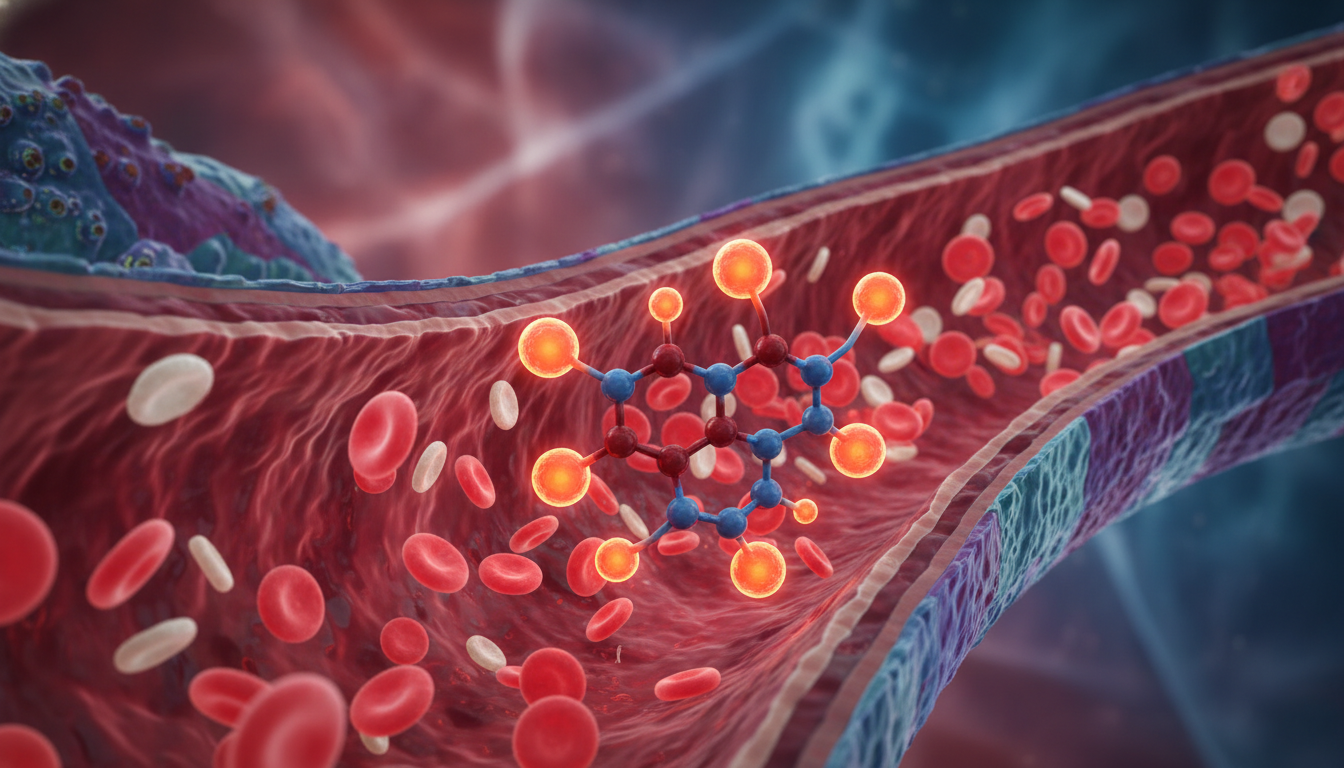
Human blood is a fascinating biological fluid that performs essential life-sustaining functions, but its most striking characteristic is its deep red color. While it may seem like a simple trait, the reason for this hue is rooted in complex molecular biology and chemistry. Understanding why blood is red requires a closer look at the components of our circulatory system and how they interact with oxygen.
The Role of Hemoglobin in Blood Color
The primary reason human blood is red lies in a specialized protein called hemoglobin. Hemoglobin is found within red blood cells, or erythrocytes, and its main job is to transport oxygen from the lungs to the rest of the body’s tissues and return carbon dioxide to the lungs.
Hemoglobin is composed of four protein chains, each of which contains a structure known as a heme group. At the center of every heme group is a single iron atom. This iron atom is the key to the color we see when we look at blood.
The Chemistry of Iron and Oxygen
When the iron atoms in hemoglobin bind with oxygen molecules, they undergo a chemical change that alters how they interact with light. This process is similar to how iron reacts with oxygen in the environment to form rust, which also has a reddish-brown appearance.
In the bloodstream, when hemoglobin is saturated with oxygen, it absorbs light in the blue-green spectrum and reflects light in the red spectrum. This reflection is what our eyes perceive as the bright, vivid red color typical of arterial blood.
Arterial vs. Venous Blood: Shades of Red
Not all blood in the human body is the same shade of red. The intensity of the color depends heavily on the level of oxygen saturation. This variation is why blood drawn from different parts of the circulatory system may look slightly different to the naked eye.
Arterial blood, which is freshly oxygenated from the lungs, is a bright, cherry-red color. This is because nearly all of the hemoglobin molecules are bound to oxygen, maximizing the reflection of red light wavelengths.
Venous blood, on the other hand, has delivered much of its oxygen to the body’s tissues and is returning to the heart. Because it contains less oxygen, the hemoglobin structure changes slightly, causing it to reflect a darker, more maroon or purplish-red color.
Debunking the Blue Blood Myth
A common misconception is that deoxygenated blood flowing through our veins is actually blue. This myth is often reinforced by the fact that veins visible through the skin frequently appear blue or greenish. However, this is an optical illusion rather than a biological reality.
Why Do Veins Look Blue?
The blue appearance of veins is caused by several factors related to physics and human anatomy:
- Light Penetration: Blue light has a shorter wavelength and does not penetrate as deeply into the skin as red light.
- Absorption: Red light is absorbed by the blood in the veins, while blue light is reflected back to our eyes from the skin and fatty tissue covering the vessel.
- Visual Perception: Our brains process the contrast between the surrounding skin and the vessel, making the vein appear blue even though the blood inside is dark red.
Scientific tests and medical procedures confirm that human blood is never blue. Whether inside the body or exposed to the air, it remains a shade of red, ranging from bright scarlet to dark burgundy.
Variations in the Animal Kingdom
While humans and most vertebrates have red blood, the animal kingdom offers a surprising variety of blood colors. These differences are usually due to the use of different oxygen-binding proteins instead of hemoglobin.
Blue Blood in Horseshoe Crabs
Some creatures, such as horseshoe crabs, octopuses, and squids, have blue blood. This is because their blood uses hemocyanin, a protein that contains copper instead of iron. When copper binds with oxygen, it turns a distinct blue color.
Green and Violet Blood
Certain species of marine worms have green blood due to a protein called chlorocruorin. Though it is chemically similar to hemoglobin, its concentration and structure result in a green hue when oxygenated. Other marine invertebrates, like brachiopods, have violet blood caused by a protein called hemerythrin.
Factors That Can Alter Human Blood Color
In rare medical circumstances, the color of human blood can change. For example, a condition called methemoglobinemia occurs when the iron in hemoglobin is in a state that cannot effectively bind oxygen, which can give the blood a brownish or bluish tint (cyanosis) visible in the skin.
Additionally, carbon monoxide poisoning can make blood appear an unusually bright, ‘cherry-pink’ red. This happens because carbon monoxide binds to hemoglobin much more tightly than oxygen does, creating carboxyhemoglobin, which alters the light reflection properties of the protein.
Conclusion: The Vital Red Fluid
The red color of our blood is a testament to the efficient, iron-based system our bodies use to transport life-giving oxygen. From the molecular structure of hemoglobin to the way light interacts with our skin, the science of blood color is a perfect blend of biology and physics. While we might see blue in our veins, we can rest assured that the lifeblood within us is always a vibrant, essential red.