

The intersection of professional obligations and maternal responsibilities has long been a focal point of sociological study, particularly within the demanding environment of major metropolitan hubs like New York City. A recent account of a traveling professional navigating the complexities of childcare during a business trip has highlighted the critical role of informal support networks—often referred to as "the village"—in mitigating the stressors of modern parenting. The incident, which centered on a logistics failure regarding infant soothing supplies, underscores a broader phenomenon of "motherhood solidarity" that functions as a vital, albeit unofficial, social safety net in urban spaces.
The Logistics of Urban Professionalism and Parenting
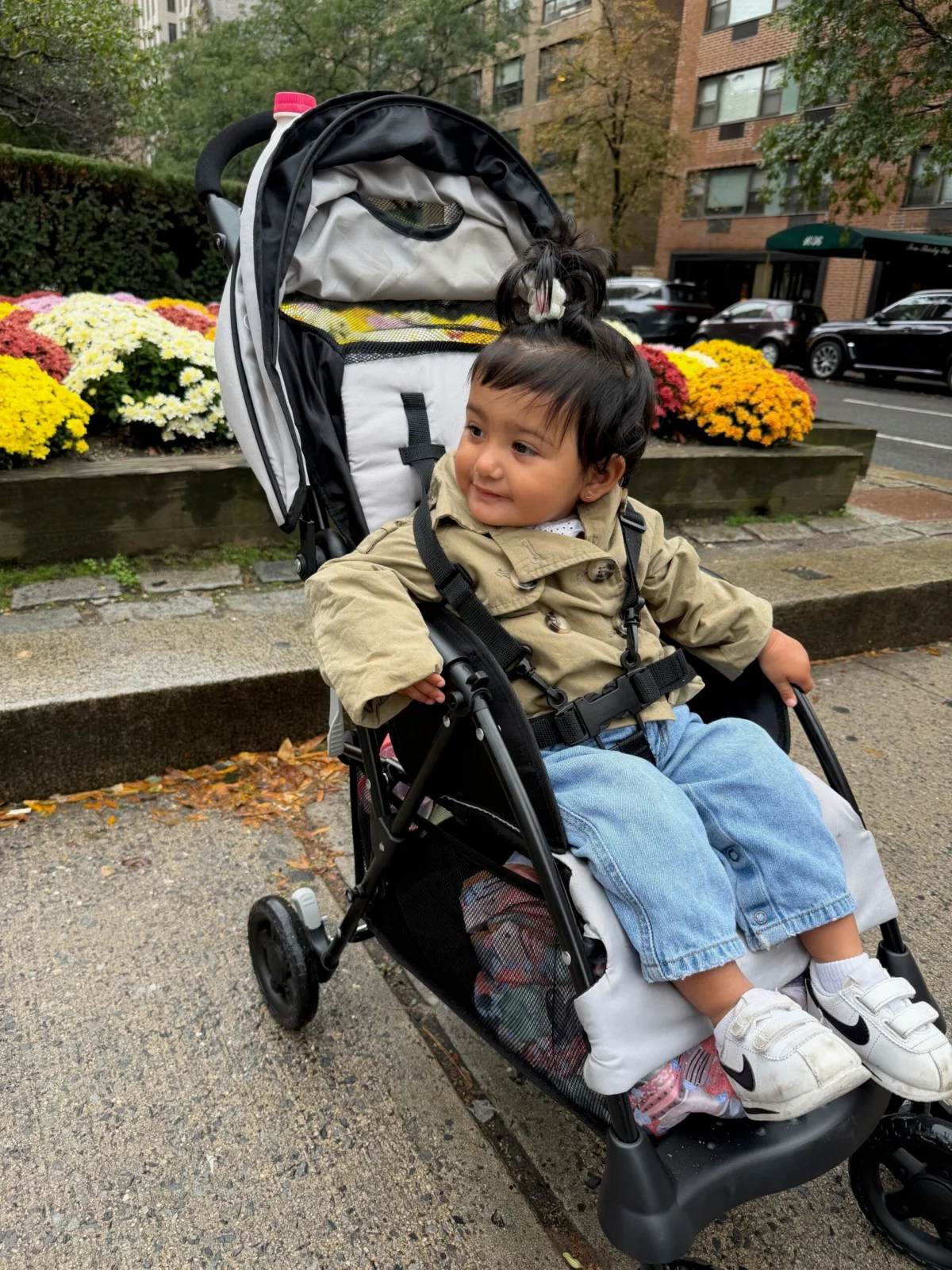
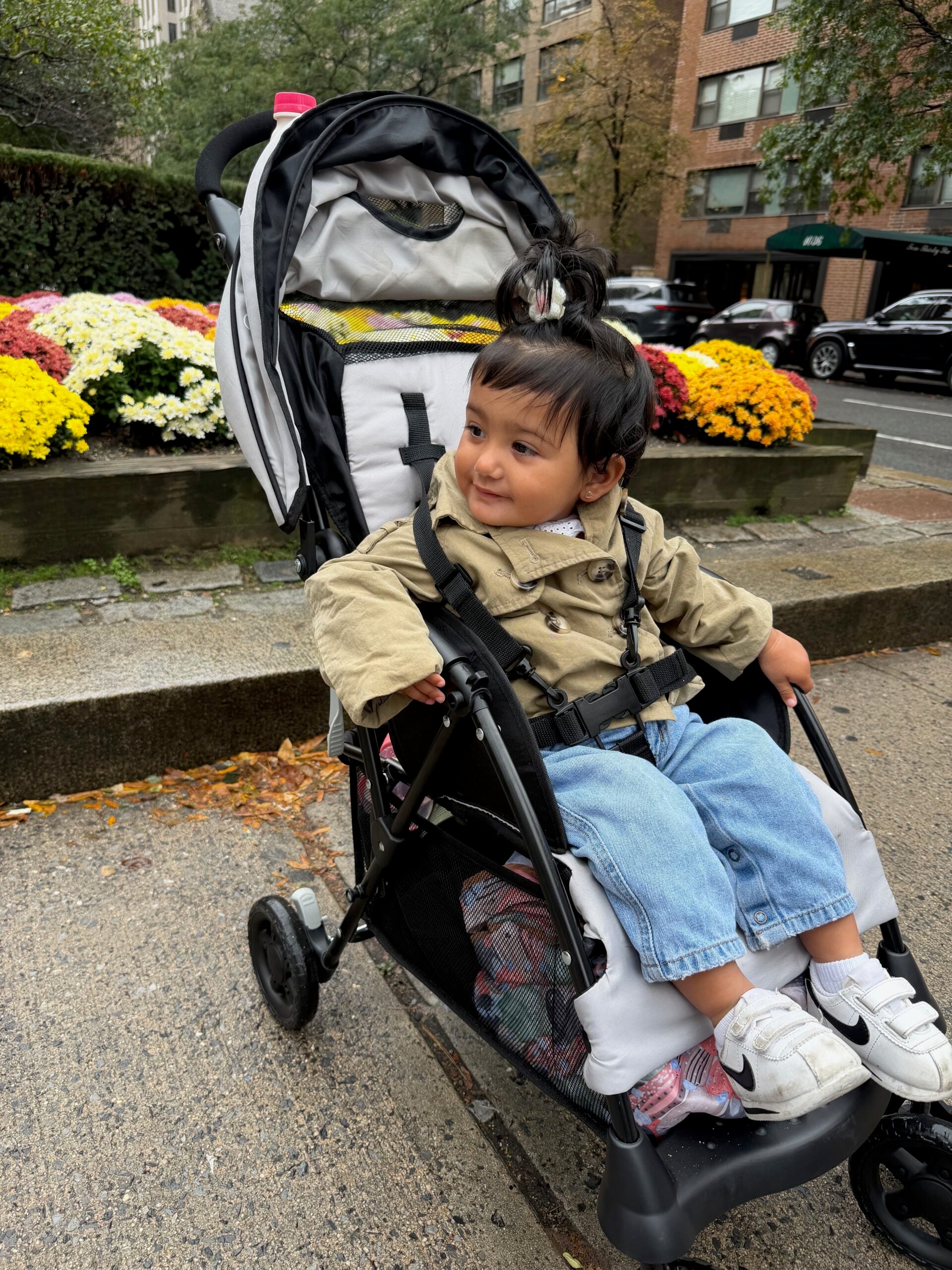
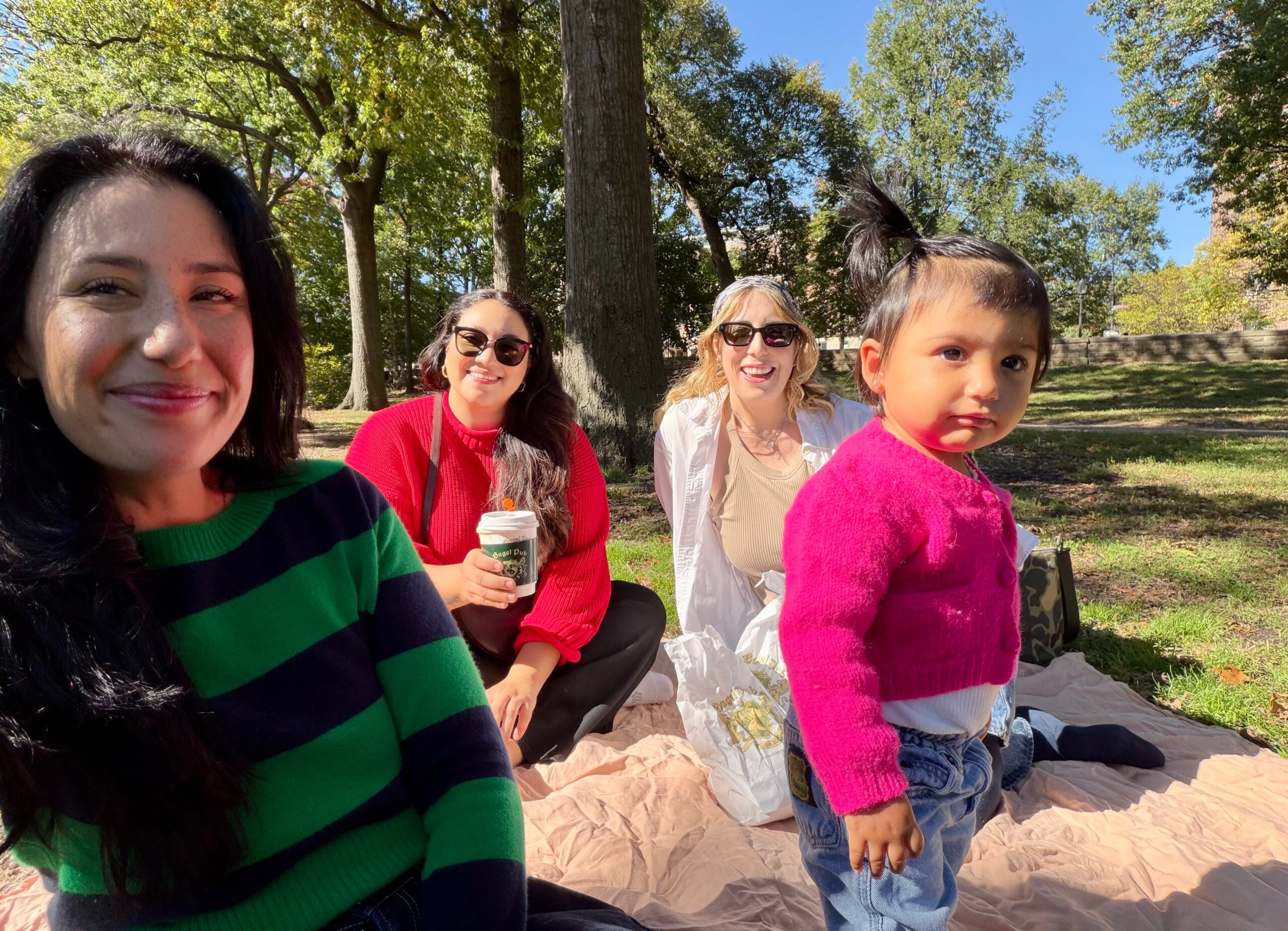
In early October, a professional traveler arrived in New York City accompanied by her one-year-old daughter, Evelynn. The visit was structured as a multi-functional trip, blending high-level editorial work with the logistical challenges of solo-parenting in a foreign environment. To facilitate a rigorous schedule of professional engagements—including editorial meetings at the Brooklyn-based restaurant Sailor, interviews at New York City Hall, and wellness appointments—the traveler coordinated a private childcare arrangement with two associates, Angela and Ally.
The complexity of this arrangement reflects a growing trend among working parents who utilize "bleisure" (business and leisure) travel or "work-from-anywhere" flexibility. However, as documented in numerous logistical studies, the margin for error in such arrangements is narrow. On the second day of the itinerary, a routine morning excursion to a local park revealed a critical oversight: the baby’s pacifiers had been left at the hotel.
Chronology of the Incident
The event unfolded during the morning hours, a period typically characterized by high cortisol levels for working parents managing the transition from domestic care to professional duties. The timeline of the incident is as follows:
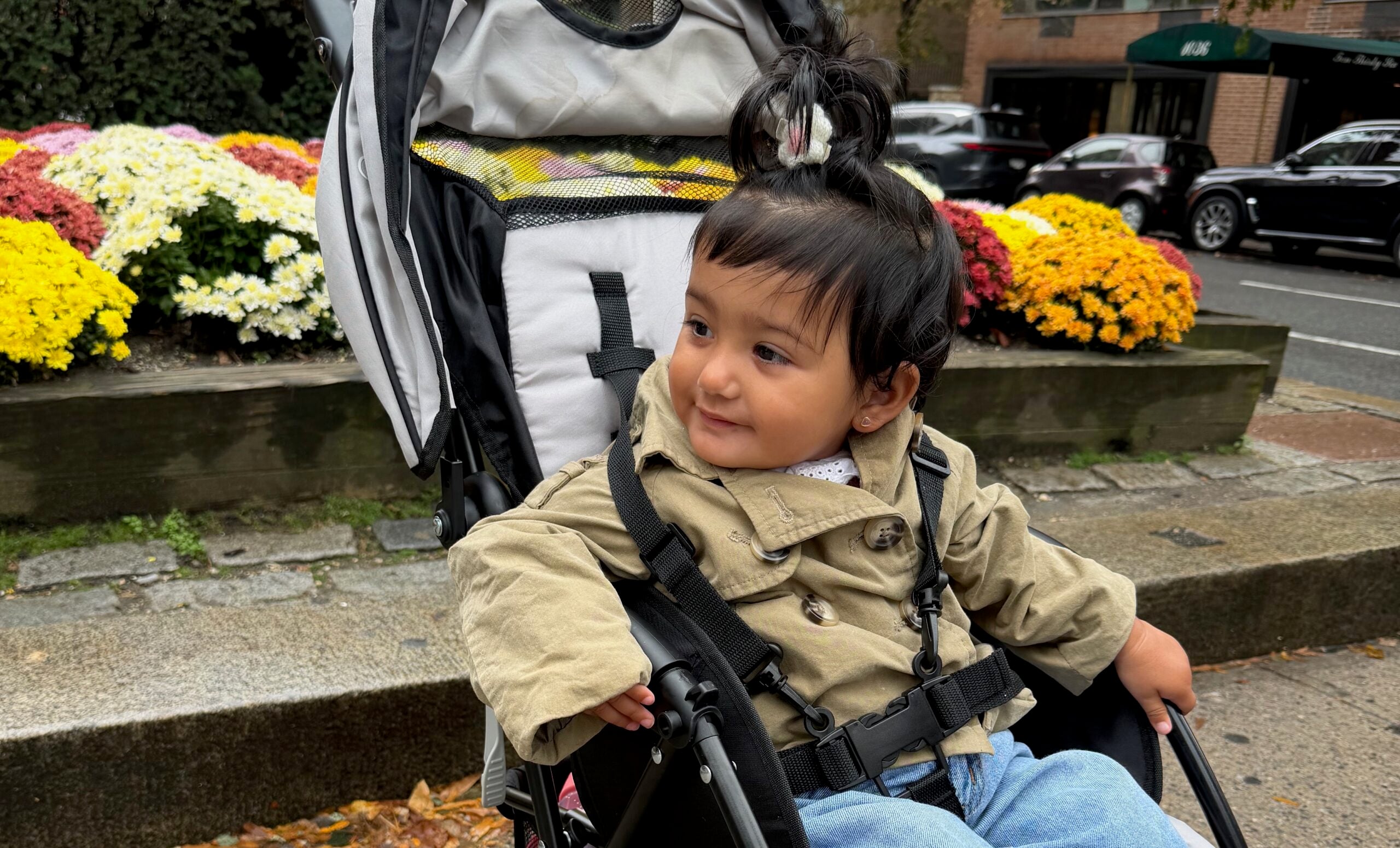
- 08:30 AM: The traveler and child depart the hotel for a walk toward a local park, intended to provide the infant with stimulation before the mother’s work day begins.
- 08:45 AM: Upon attempting to provide a soothing device (pacifier) to the child, the traveler realizes the items are missing from the diaper bag.
- 08:50 AM: Identifying an immediate risk of infant distress which could compromise the day’s childcare transition, the traveler enters a neighborhood drugstore.
- 08:55 AM: After an unsuccessful search of the infant care aisle, the traveler initiates contact with a fellow patron—a mother with a child in a stroller.
- 09:00 AM: Following a joint, unsuccessful search of the store shelves, the stranger offers a clean, spare pacifier from her own personal supplies.
- 09:05 AM: The crisis is averted, allowing the traveler to proceed with her professional schedule, which included a lunch meeting at Sailor and a series of interviews with newlyweds at City Hall.
The Psychology of Infant Soothing and Parental Stress
The "panic" described by the mother in this scenario is supported by developmental psychology regarding the "transitional object." For many infants, a pacifier serves as a primary tool for emotional regulation. The sudden absence of such a tool in a high-stimulation environment like New York City can lead to "uncontrollable sobbing," a physiological stress response in the infant that triggers a secondary stress response in the caregiver.
Research indicates that parental "mental load"—the invisible labor of remembering supplies, schedules, and needs—is a significant contributor to burnout. When a logistical failure occurs, such as forgetting a pacifier, the emotional toll is exacerbated by the "motherhood penalty," a sociological term referring to the extra scrutiny and pressure placed on working mothers to appear seamless in their professional and personal roles.
Supporting Data: The Urban Parenting Experience
The reliance on strangers in urban environments is a documented necessity for parents. According to data from the U.S. Census Bureau and various urban planning institutes, New York City presents unique challenges for parents, including:
- Accessibility: Only about 25% of New York City subway stations are fully accessible, making travel with strollers a collaborative effort often requiring the help of strangers to navigate stairs.
- Retail Deserts: While drugstores are frequent, the specific inventory of infant-grade medical or soothing supplies is not guaranteed in smaller urban footprints, as seen in the drugstore’s lack of stock during the incident.
- Social Isolation: Despite the high population density, many parents report feelings of "urban loneliness." Acts of micro-kindness, such as the sharing of a pacifier, are statistically shown to increase "social capital" and community resilience.
The "Village" Framework and Peer Support
The incident reinforces the philosophy championed by parenting experts like Abbey Nova, who has long advocated for the normalization of asking for help among mothers. Nova’s framework suggests that the "village" is not a geographical location but a mobile, distributed network of peers who compensate for each other’s inevitable lapses.
"Remember you can ask other moms for help when the diaper explodes; when you forget the sunblock on the hottest, sunniest day of the year; when you realize you don’t have wipes," Nova previously stated in an analysis of parental endurance. Her observations suggest that motherhood serves as a "powerful shared experience" that transcends social and economic barriers, creating a temporary bond between strangers based on mutual empathy.
This sentiment is echoed by the reaction of the traveler in New York, who noted that the "hero of the story" was another mother. This peer-to-peer support system functions as an informal economy of goods and services—diapers, wipes, snacks, and pacifiers—that circulate within public spaces to ensure the collective welfare of children.
Broader Impact and Sociological Implications
The implications of these interactions extend beyond individual relief. They point toward a critical need for more robust social infrastructure in urban planning. If parents must rely on the "kindness of strangers" for basic logistical failures, it suggests a gap in the public support systems for families.
1. Mental Health Benefits:
Small acts of solidarity have a disproportionate impact on the mental health of parents. The reduction of "mom guilt"—the feeling of inadequacy resulting from minor mistakes—is a direct result of these positive social interactions. Knowing that a peer is willing to provide resources reduces the "hyper-vigilance" often required of solo-traveling parents.
2. Economic Continuity:
From a professional standpoint, the intervention of the stranger at the drugstore allowed the mother to maintain her work commitments. Had the crisis escalated into an afternoon of infant distress, it likely would have resulted in the cancellation of interviews at City Hall or the editorial meeting at Sailor, representing a loss of professional productivity.
3. Community Cohesion:
Sociologists argue that these "micro-interactions" are the building blocks of a functional society. In a city of over eight million people, the willingness of one mother to help another find or provide a pacifier reinforces a sense of safety and belonging.
Official Responses and Cultural Context
While there are no official municipal statements on this specific interaction, the New York City Department of Health and Mental Hygiene has historically promoted programs that encourage community-based parenting support. Furthermore, the cultural narrative surrounding New York—often portrayed as cold or indifferent—is frequently contradicted by the lived experiences of parents who find the city to be a place of unexpected communal assistance.
The traveler’s experience serves as a case study in the efficacy of the "informal village." As professional and personal lives continue to merge in the post-pandemic era, the reliance on these peer-to-peer networks is expected to grow. The "angel of a woman" in the drugstore represents a decentralized support system that remains essential for the navigation of modern parenting.
In conclusion, the successful resolution of the "pacifier crisis" in New York City is more than a heartwarming anecdote; it is a testament to the enduring strength of maternal solidarity. It highlights the necessity of empathy in urban environments and serves as a reminder that even in the absence of institutional support, the collective resourcefulness of parents provides a formidable safety net. As parents continue to navigate the high-wire act of work-life integration, the "extra pacifier" in a stranger’s tote bag remains a symbol of a shared, resilient journey.
