

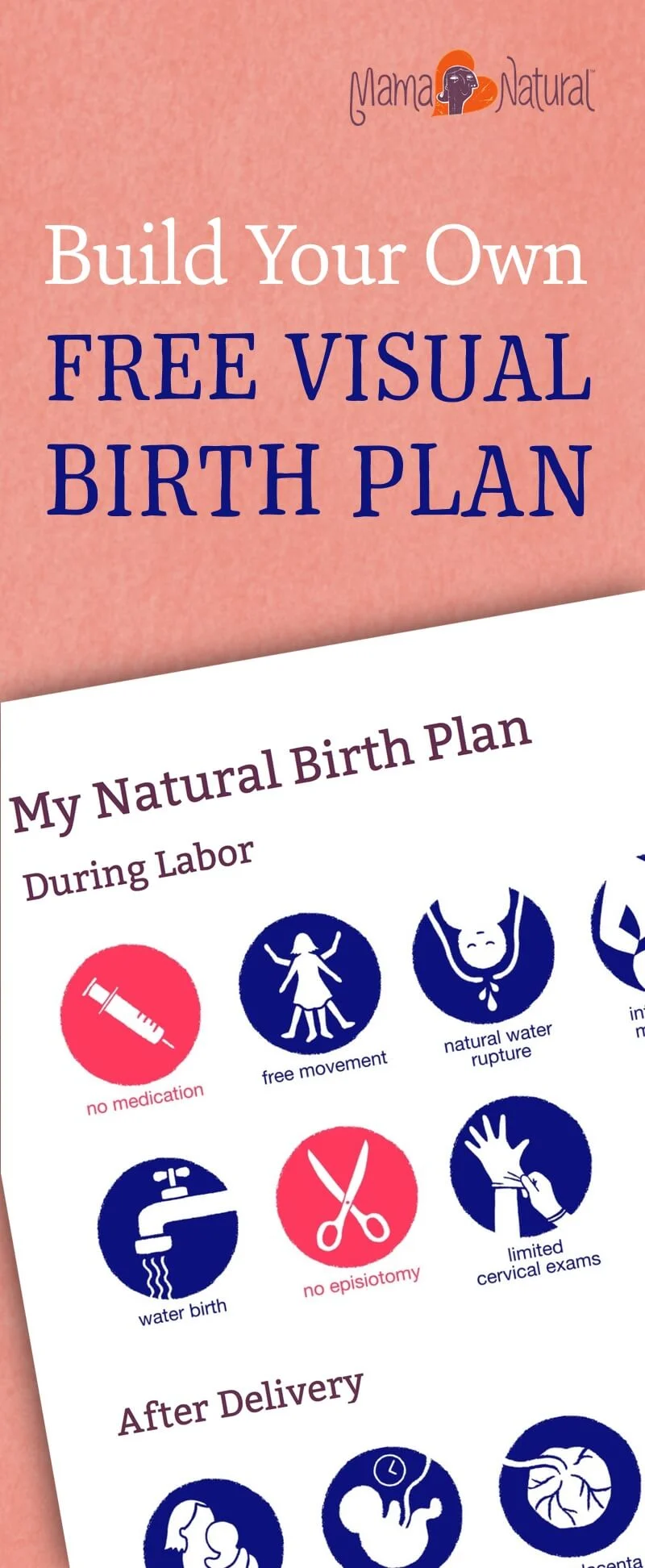
The landscape of modern maternity care is increasingly defined by a shift toward patient-centered advocacy, a movement epitomized by the rising utilization of structured birth plans. As healthcare systems grapple with high intervention rates and varying standards of care, expectant parents are turning to visual birth plan templates as a primary communication tool to ensure their preferences are respected during labor and delivery. These documents, often described as blueprints for the birthing process, serve as a bridge between the clinical requirements of medical staff and the personal values of the birthing family. By distilling complex medical preferences into concise, icon-based formats, these templates aim to mitigate the communication breakdowns that frequently occur in high-stress clinical environments.
Recent developments in the field of maternal health education have seen the introduction of specialized tools, such as the 2025 visual birth plan template released by Mama Natural, which incorporates specific icons for labor, post-delivery care, and even "gentle cesarean" procedures. This move toward visual literacy in the delivery room reflects a broader understanding of how information is processed by healthcare providers during active labor. When a patient is in the throes of delivery, long-form, text-heavy documents are often neglected by nursing staff and physicians. In contrast, a one-page visual summary allows for rapid assessment of a patient’s wishes regarding pain management, fetal monitoring, and immediate newborn care.
The Role of Birth Plans in Clinical Settings
A birth plan is fundamentally an informed consent document prepared in advance of medical necessity. It outlines a birthing person’s preferences regarding various interventions, such as the use of pitocin, epidurals, episiotomies, and the management of the third stage of labor (the delivery of the placenta). Historically, the concept of a birth plan gained traction in the 1980s as the natural childbirth movement sought to reclaim the birthing process from what was perceived as an overly medicalized system. Today, these plans are recognized by organizations such as the American College of Obstetricians and Gynecologists (ACOG) as valuable tools for fostering shared decision-making.
Data suggests that the mere act of creating a birth plan can improve maternal outcomes by encouraging patients to research medical procedures and engage in deeper dialogues with their providers before labor begins. When a patient presents a birth plan during a prenatal visit, it provides a structured opportunity for the obstetrician or midwife to align expectations. For instance, if a hospital’s standard policy includes continuous fetal monitoring, but a patient’s birth plan requests intermittent auscultation, this discrepancy can be resolved weeks before the actual delivery, reducing conflict in the delivery room.
Technical Specifications of the Visual Template
The most effective modern birth plans utilize a "traffic light" or color-coded system to convey urgency and preference. In the updated 2025 visual templates, a distinction is made between blue and red icons. Blue icons represent "positive preferences"—actions the birthing team is encouraged to take, such as allowing for free movement, utilizing a birthing ball, or practicing delayed cord clamping. Red icons signify "negative preferences"—interventions the patient wishes to avoid unless medically necessary, such as routine episiotomies, the administration of sugar water to the newborn, or immediate bathing of the infant.
The 2025 updates to these templates have also introduced icons for the "gentle cesarean." This reflects a growing trend in obstetric surgery where, despite the necessity of a surgical birth, certain elements of a natural birth are preserved. These may include the use of a clear drape so the mother can see the baby being born, immediate skin-to-skin contact in the operating room, and the presence of a doula or support person throughout the procedure. By including these options in a standard template, advocates are normalizing the idea that surgical births can still be personalized and family-centered.
Chronology of Birth Advocacy and Current Trends
The trajectory of birth plan utilization has evolved alongside medical technology and social movements:

- 1970s-1980s: The rise of the "natural birth" movement leads to the first formalized birth plans, often written as long letters to hospital staff.
- 1990s-2000s: Hospitals begin to standardize their own versions of birth plans to manage patient expectations, though these often focus on hospital-approved options.
- 2010s: The digital revolution allows for the creation of customizable, printable templates. Advocacy for "evidence-based birth" becomes a mainstream concept.
- 2020-2024: The COVID-19 pandemic highlights the importance of birth plans as support person restrictions and changing hospital policies leave many patients feeling vulnerable.
- 2025: The shift toward "Visual Literacy" becomes the standard, with icon-based, one-page templates like the Mama Natural model becoming the preferred format for both patients and clinicians.
Addressing Disparities and the Black Birthing Bill of Rights
A critical component of the birth plan movement is its role in addressing systemic inequities in maternal healthcare. In the United States, maternal mortality rates for Black women are significantly higher than for white women, regardless of income or education level. Advocacy groups have championed the "Black Birthing Bill of Rights" as a framework that should be integrated into every birth plan. This document emphasizes the right to be treated with dignity, the right to informed consent, and the right to have one’s pain and concerns taken seriously by medical staff.
For marginalized communities, a birth plan is more than a list of preferences; it is a defensive tool against obstetric violence and medical bias. By having preferences documented and signed by a provider, patients of color may feel more empowered to hold their medical team accountable to the agreed-upon standards of care.
Clinical Reactions and Professional Perspectives
Despite the benefits, the reception of birth plans among medical staff remains mixed. Some nurses and physicians have historically viewed birth plans with skepticism, occasionally labeling patients who use them as "high maintenance" or "inflexible." This friction often stems from plans that are perceived as overly long, unrealistic, or confrontational.
However, the shift toward visual, one-page templates has begun to change this narrative. A midwife who reviewed the Mama Natural visual template noted that it is "the best and clearest way to keep everyone on the same page." Clinical staff generally appreciate brevity and clarity. When a plan is presented as a visual guide rather than a list of demands, it is more likely to be integrated into the patient’s medical chart and referenced by the shift nurses who provide the majority of bedside care during labor.
Broader Implications for the Healthcare System
The widespread adoption of visual birth plans has broader implications for the healthcare industry. First, it signals a demand for more standardized, evidence-based care across different institutions. If a significant percentage of patients are requesting delayed cord clamping or immediate skin-to-skin contact, hospitals are incentivized to update their standard operating procedures to reflect these "natural" preferences as the new baseline of care.
Second, the use of these templates highlights the importance of the "birth team," which includes not just doctors and nurses, but also partners and doulas. A clear birth plan allows these support figures to advocate for the patient without the patient needing to speak during intense contractions. This redistribution of advocacy work can lead to a more peaceful birthing environment and higher levels of patient satisfaction.
Finally, the data collected from the use of birth plans can provide valuable insights into patient values. As more parents download and customize these templates, researchers can track which interventions are most frequently declined and which "extras," such as aromatherapy or specific labor positions, are most frequently requested. This feedback loop is essential for hospitals looking to improve their maternity services and compete in a market where patients are increasingly selective about where they choose to give birth.
In conclusion, the visual birth plan template represents a significant advancement in maternal health communication. By prioritizing clarity, brevity, and visual cues, these tools empower expectant parents to navigate the complexities of the hospital system while providing medical staff with the concise information they need to provide safe, respectful, and personalized care. As the 2025 updates suggest, the future of birth advocacy lies in making information accessible, inclusive, and easy to implement in the fast-paced environment of the delivery room.
