

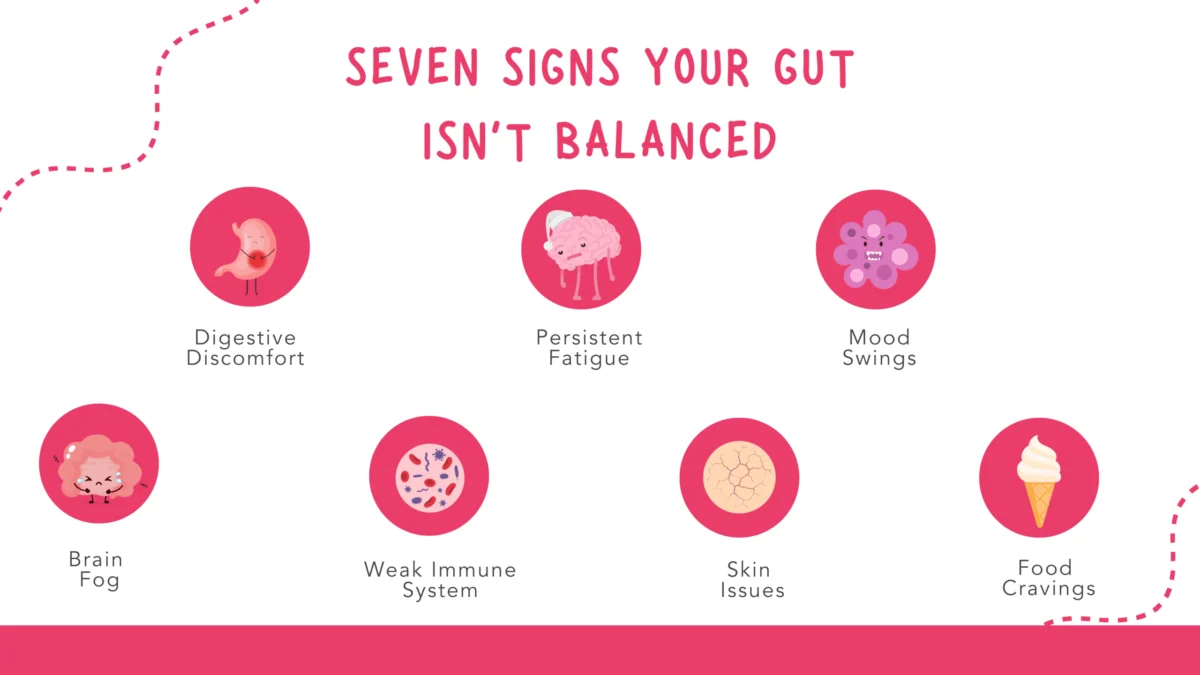
The human gastrointestinal tract, home to trillions of microorganisms collectively known as the gut microbiome, has emerged as a focal point of modern medical research, with clinical evidence increasingly linking its equilibrium to systemic health outcomes. As the medical community shifts toward a more holistic understanding of the "gut-brain axis," identifying the subtle indicators of microbial dysbiosis—an imbalance between beneficial and pathogenic bacteria—has become essential for preventive care. Recent longitudinal studies suggest that persistent symptoms such as digestive distress, chronic fatigue, and cognitive impairment are not isolated occurrences but are often symptomatic of a compromised intestinal environment.
The Evolution of Microbiome Science: A Chronological Overview
The understanding of gut health has undergone a radical transformation over the last century. In the early 1900s, Nobel laureate Élie Metchnikoff first proposed that "putrefactive" bacteria in the gut contributed to aging and that consuming fermented milk could delay this process. However, it was not until the launch of the Human Microbiome Project (HMP) by the National Institutes of Health (NIH) in 2007 that the complexity of these microbial communities was fully mapped.
Between 2008 and 2017, the HMP provided a baseline for what constitutes a "healthy" microbiome, revealing that the diversity of species is a primary marker of resilience. By 2015, research began focusing heavily on the gut-brain axis, confirming that the enteric nervous system communicates directly with the central nervous system. Today, in the 2020s, clinical focus has shifted to "precision probiotics" and the role of the microbiome in immunotherapy and chronic disease management.
Identifying the Seven Primary Indicators of Dysbiosis
Clinical observations and patient data have consolidated seven primary indicators that suggest a gut microbiome is out of balance. These symptoms often serve as early warning signs for more complex underlying conditions.
1. Chronic Digestive Irregularity
Frequent occurrences of bloating, gas, constipation, or diarrhea are the most direct manifestations of digestive dysfunction. These symptoms often result from the fermentation of undigested carbohydrates by pathogenic bacteria in the small intestine, a condition sometimes referred to as Small Intestinal Bacterial Overgrowth (SIBO). According to the American College of Gastroenterology, nearly 15% of the U.S. population suffers from Irritable Bowel Syndrome (IBS), a condition intrinsically linked to microbiome composition.
2. Persistent Fatigue and Sleep Disturbances
While fatigue is often attributed to overexertion, research published in journals such as Microbiome indicates that individuals with Chronic Fatigue Syndrome (CFS) often possess a distinct and less diverse microbial profile. A study found that roughly 60% of patients with chronic fatigue also presented with IBS symptoms. This connection is believed to stem from the gut’s role in nutrient absorption and the production of metabolic byproducts that influence mitochondrial function.
3. Neurological Fluctuations and Mood Disorders
The gut is often referred to as the "second brain" because it produces approximately 95% of the body’s serotonin, a neurotransmitter critical for mood regulation. Dysbiosis can impair the production of these neurochemicals, leading to increased instances of anxiety and depressive symptoms. Scientific consensus now supports the theory that intestinal inflammation can trigger systemic responses that affect the amygdala and prefrontal cortex, the areas of the brain responsible for emotional processing.
4. Intractable Food Cravings
Emerging research suggests that certain species of bacteria can manipulate host behavior to ensure their own survival. Microbes that thrive on simple sugars may trigger cravings for processed foods and refined carbohydrates. This "microbial signaling" creates a feedback loop: the consumption of sugar feeds pathogenic bacteria, which then proliferate and demand more of the same substrate, further marginalizing beneficial strains that thrive on fiber.
5. Dermatological Manifestations
The "gut-skin axis" describes the relationship between intestinal health and skin clarity. Conditions such as acne, eczema, and rosacea have been linked to "leaky gut" or increased intestinal permeability. When the gut barrier is compromised, inflammatory cytokines and food particles can enter the bloodstream, triggering systemic inflammation that manifests as skin irritation. Clinical trials have shown that improving gut flora can lead to significant reductions in the severity of chronic skin conditions.
6. Compromised Immune Response
Approximately 70% to 80% of the human immune system resides in the gut-associated lymphoid tissue (GALT). A healthy microbiome trains immune cells to distinguish between harmless antigens and dangerous pathogens. When the microbiome is imbalanced, the immune system may become hyper-reactive (leading to allergies or autoimmune issues) or under-reactive (leading to frequent infections such as the common cold or influenza).
7. Cognitive Impairment or "Brain Fog"
Cognitive symptoms, including forgetfulness, lack of focus, and mental clarity issues, are increasingly linked to gut health. Metabolic byproducts of certain gut bacteria, such as short-chain fatty acids (SCFAs), play a role in maintaining the blood-brain barrier. When dysbiosis occurs, these barriers can weaken, allowing inflammatory markers to affect cognitive speed and memory retention.
Quantitative Data: The Economic and Social Impact of Gut Health
The implications of gut health extend beyond individual wellness into the realm of public health and economics. In the United States, gastrointestinal diseases account for an estimated $136 billion in annual healthcare expenditures—a figure higher than that for heart disease or trauma.
| Metric | Statistical Data |
|---|---|
| Fiber Deficiency | 95% of Americans do not meet the daily recommended fiber intake. |
| Serotonin Production | 95% of serotonin is synthesized in the gut. |
| Immune System | 70-80% of immune cells are located in the gastrointestinal tract. |
| Economic Burden | GI disorders cost the US healthcare system $136B annually. |
| IBS Prevalence | 1 in 7 people globally are estimated to have IBS. |
Clinical Strategies for Microbiome Restoration
Restoring a compromised microbiome requires a multi-faceted approach involving dietary modification, lifestyle changes, and targeted supplementation.
Optimization of Dietary Fiber
Fiber serves as the primary fuel source for beneficial bacteria. The Institute of Medicine recommends a daily intake of 25 grams for women and 38 grams for men. However, the modern Western diet often provides less than half of this amount.
- Soluble Fiber: Found in oats, beans, and fruits; it helps regulate blood sugar and cholesterol.
- Insoluble Fiber: Found in whole grains and vegetables; it assists in waste elimination.
- Prebiotic Superfoods: Emerging research highlights the baobab fruit, an African superfruit, as a potent prebiotic. Baobab is exceptionally high in soluble fiber and antioxidants, providing a robust substrate for strains like Bifidobacterium.
Integration of Fermented Foods
Fermentation is a traditional preservation method that creates natural probiotics. Incorporating foods such as kimchi, sauerkraut, kefir, and kombucha introduces live, active cultures into the digestive tract. These foods help lower the pH of the gut, making it less hospitable to pathogenic bacteria.
Hydration and the Mucosal Barrier
Water is essential for the maintenance of the mucosal lining of the intestines. This lining acts as a physical barrier against toxins. Proper hydration ensures that fiber can move through the digestive tract efficiently, preventing the stagnation of waste that can lead to bacterial overgrowth.
Targeted Probiotic Supplementation
In cases of severe dysbiosis—often following antibiotic treatment or chronic illness—supplementation may be necessary. For women, specific strains such as Lactobacillus rhamnosus and Lactobacillus reuteri have been clinically shown to support both gut and vaginal microbiomes. A high-quality probiotic should ideally offer:
- High Colony Forming Units (CFU): Generally 50 billion or more for therapeutic effects.
- Strain Diversity: Multiple strains to address different aspects of health (immune, digestive, and cognitive).
- Survivability: Technologies that ensure bacteria survive the acidic environment of the stomach to reach the intestines.
Expert Perspectives and Future Implications
Medical professionals are increasingly advocating for "microbiome-first" interventions. Dr. Alessio Fasano, a world-renowned pediatric gastroenterologist and researcher, has noted that the gut is the "gatekeeper" of health, suggesting that many chronic inflammatory diseases begin with a breach in the intestinal barrier.
The shift toward microbiome health is also influencing the pharmaceutical and food industries. The "biotics" market—encompassing prebiotics, probiotics, and postbiotics—is projected to reach a valuation of $91 billion by 2026. This growth reflects a broader societal shift toward proactive health management.
In conclusion, the gut is not merely a digestive organ but a complex regulatory hub that influences nearly every physiological system. By recognizing the signs of imbalance—from skin issues to cognitive fog—and implementing evidence-based nutritional strategies, individuals can significantly mitigate the risk of chronic disease and improve their overall quality of life. As research continues to unravel the intricacies of the microbiome, the integration of gut health into standard medical checkups is likely to become the new benchmark for 21st-century medicine.
