

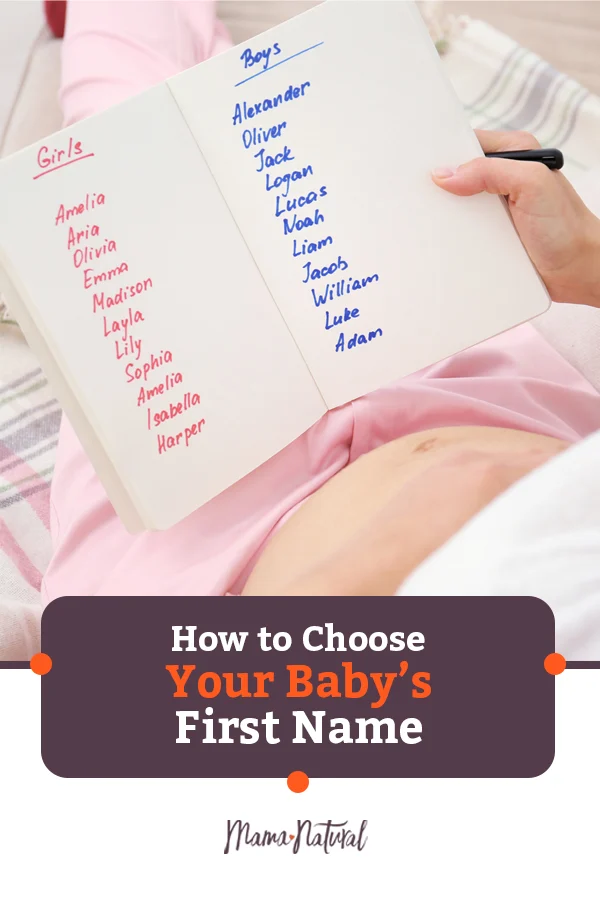
The process of selecting a first name for a child has evolved from a simple family tradition into a complex, high-stakes decision-making exercise that reflects broader sociological trends and personal identity. While once driven primarily by religious observance or ancestral lineage, modern naming conventions are increasingly influenced by pop culture, global linguistics, and the desire for individuality. Experts in the fields of onomastics—the study of names—and developmental psychology suggest that a name serves as the child’s first social marker, carrying with it psychological weight and potential socioeconomic implications. As parents navigate this milestone, the demand for structured methodologies and data-driven tools has reached an all-time high, prompting a shift toward more analytical approaches to what was once a purely emotional choice.
The Historical Evolution of Naming Trends
To understand the current landscape of baby naming, one must look at the chronological shift in naming patterns over the last century. In the early 20th century, naming was largely homogenous, with a small pool of traditional names—such as John, Mary, James, and Elizabeth—dominating the charts for decades. According to data from the Social Security Administration (SSA), the top five names in the 1920s accounted for a significantly larger percentage of the total population than the top five names do today.
By the mid-20th century, the "influence of the individual" began to take hold. The 1960s and 70s saw a departure from strictly biblical or familial names, introducing more nature-inspired and internationally flavored options. In the 21st century, the "100-year rule" has become a prominent trend, where names that were popular in the early 1900s—such as Hazel, Otis, and Eleanor—experience a resurgence as they lose their "grandparent" association and begin to feel "vintage" and "fresh" to a new generation. Today, the naming market is characterized by extreme diversification, with parents increasingly seeking names that fall outside the top 1,000 list to ensure their child stands out in a digital, globalized world.
Establishing a Foundation Through Wants and Needs
The initial phase of the naming process requires a candid dialogue between partners to establish a baseline of preferences. This stage is critical for avoiding long-term conflict and ensuring the final choice aligns with the family’s values. Sociologists suggest that naming conflicts often arise from differing views on "social signaling"—one parent may value a name that signals tradition and stability, while the other may prioritize creativity and uniqueness.
Key considerations during these foundational discussions include the desired level of popularity, cultural or religious significance, and the "vibe" of the name—whether it should feel modern, classic, or gender-neutral. Establishing these parameters early helps narrow the field from tens of thousands of possibilities to a manageable shortlist. Experts recommend that parents also discuss the "veto power" early on, agreeing that if one partner has a strong negative association with a name, it is immediately removed from contention, regardless of the other partner’s enthusiasm.
Data-Driven Inspiration and the Role of Digital Tools
In the digital age, the search for inspiration has moved beyond baby name books to sophisticated databases and algorithm-based "name finders." These tools allow parents to filter results by origin, meaning, number of syllables, and even "perceived personality." Data from search engines indicates a surge in queries for "unique boy names" and "strong girl names," reflecting a move away from traditional gender norms in naming.
For those seeking inspiration, current trends suggest several burgeoning categories:
- Biblical and Botanical: While names like Noah and Oliver remain popular, there is a rising interest in "deep-cut" biblical names (e.g., Asher, Jedidiah) and more obscure botanical names (e.g., Juniper, Sage).
- International Influence: Globalization has made names of Polynesian, Scandinavian, and African origin more accessible to a wider audience, as parents look for sounds that are phonetically pleasing but culturally distinct.
- The "Surprise Me" Factor: Random generators and AI-driven naming assistants are increasingly used to break through "decision fatigue," offering combinations that parents might not have considered through traditional brainstorming.
The Linguistic and Phonetic Analysis of Names
A name does not exist in a vacuum; its effectiveness is often determined by its phonetic relationship with the family’s surname. Journalists and linguists who study naming patterns often point to the "flow" of a full name as a deciding factor for its longevity. When evaluating a name, experts suggest considering the "Oreo effect"—the balance of vowels and consonants.

A common rule of thumb used by onomasticians is to avoid first names that end with the same sound that the surname begins with (e.g., "Thomas Smith"), as this can lead to a "slurring" effect when spoken aloud. Furthermore, the syllable count plays a role in rhythm. Often, a short first name pairs well with a longer surname, and vice versa. Parents are encouraged to perform "shout tests" and "signature tests"—writing the name out and saying it loudly as if calling a child across a park—to determine if the name is practical for daily use.
The Psychological Impact of Meaning and Origin
Beyond aesthetics, the etymology of a name can have a profound impact on a child’s identity. Psychologists note that children often feel a sense of pride or connection when they learn the meaning behind their name. For example, a child named Ethan (meaning "strong" or "enduring") may internalize those qualities as part of their developing self-concept.
Modern parents are increasingly searching for names that convey specific virtues or attributes. This has led to a rise in "word names" like Valor, Justice, and Haven. Additionally, names that mean "life" or "peace" (such as Vida or Salma) are frequently chosen by parents who wish to bestow a specific "blessing" or characteristic upon their child. This practice, known as "charactonym," is a tradition that spans many cultures, from the virtue names of the Puritans to the symbolic names found in many indigenous cultures.
Navigating Conflict and Resolving "First Name Feuds"
When partners cannot agree on a name, the resulting tension can be significant. Relationship experts suggest that these "feuds" are rarely about the name itself and more about the values the name represents. To resolve such conflicts, several strategies are employed by modern families:
- The Middle Name Compromise: Using a partner’s favorite name as a middle name allows it to remain part of the child’s identity without being the primary identifier.
- The "Last Word" Agreement: Some couples agree that one parent chooses the first name for the first child, while the other parent chooses for the second.
- The Tournament Bracket: Much like a sports tournament, couples can list their top 16 names and "face them off" against each other daily until a winner emerges.
- Variant Selection: If a partner dislikes a specific name but likes the sound, exploring variants (e.g., choosing Isabel instead of Isabella) can often provide a middle ground.
Broader Implications: Privacy, Social Media, and Professional Prospects
In a 2023 analysis of naming trends, researchers found that the decision to reveal or keep a baby name private until birth is increasingly influenced by social media culture. The "name reveal" has become a digital event, but it also opens the choice up to unsolicited opinions from friends, family, and strangers. Many parents now opt for "naming privacy" to protect the sanctity of the decision and to prevent "name theft" within their social circles.
Furthermore, there is an ongoing discussion regarding the "resume factor." While society is becoming more accepting of diverse names, some studies suggest that names perceived as "traditional" or "easy to pronounce" can still face less friction in certain corporate environments. However, as the workforce becomes more diverse, this bias is slowly dissipating, and unique names are increasingly seen as a mark of a "personal brand."
Finalizing the Decision: A Timeline for Completion
There is no legal or biological requirement for a child to be named before birth. While many parents feel pressured to have a nursery decorated with monogrammed items, a significant percentage of parents wait until they meet their child to finalize the choice. This "wait and see" approach allows parents to gauge the child’s temperament and physical appearance, ensuring the name "fits" the person.
Naming laws vary globally, adding another layer of complexity for international families. In countries like Iceland and Denmark, parents must choose from an approved list of names or petition a government committee for an exception. In the United States, naming laws are more liberal, though most states prohibit the use of numerals or symbols.
Ultimately, the process of choosing a baby name is the first major act of stewardship a parent performs. It is a blend of creative expression, historical honoring, and strategic planning. By utilizing data, understanding phonetic flow, and maintaining open communication, parents can navigate this complex journey with confidence, providing their child with a gift that will define their identity for a lifetime.
