

The 2026 holiday shopping season has officially commenced with the release of comprehensive consumer data and curated recommendations aimed at the youth demographic. As families navigate a retail landscape increasingly defined by a blend of high-tech connectivity and a resurgence of "analog" nostalgia, this year’s gift selections reflect broader societal shifts toward social-emotional learning, ethical consumption, and multi-generational play. Retail analysts and child development experts indicate that the 2026 market is characterized by "durable play"—a preference for items that offer longevity, both in physical construction and in their ability to engage children across different developmental stages.
The Resurgence of Interactive and Multi-Generational Gaming
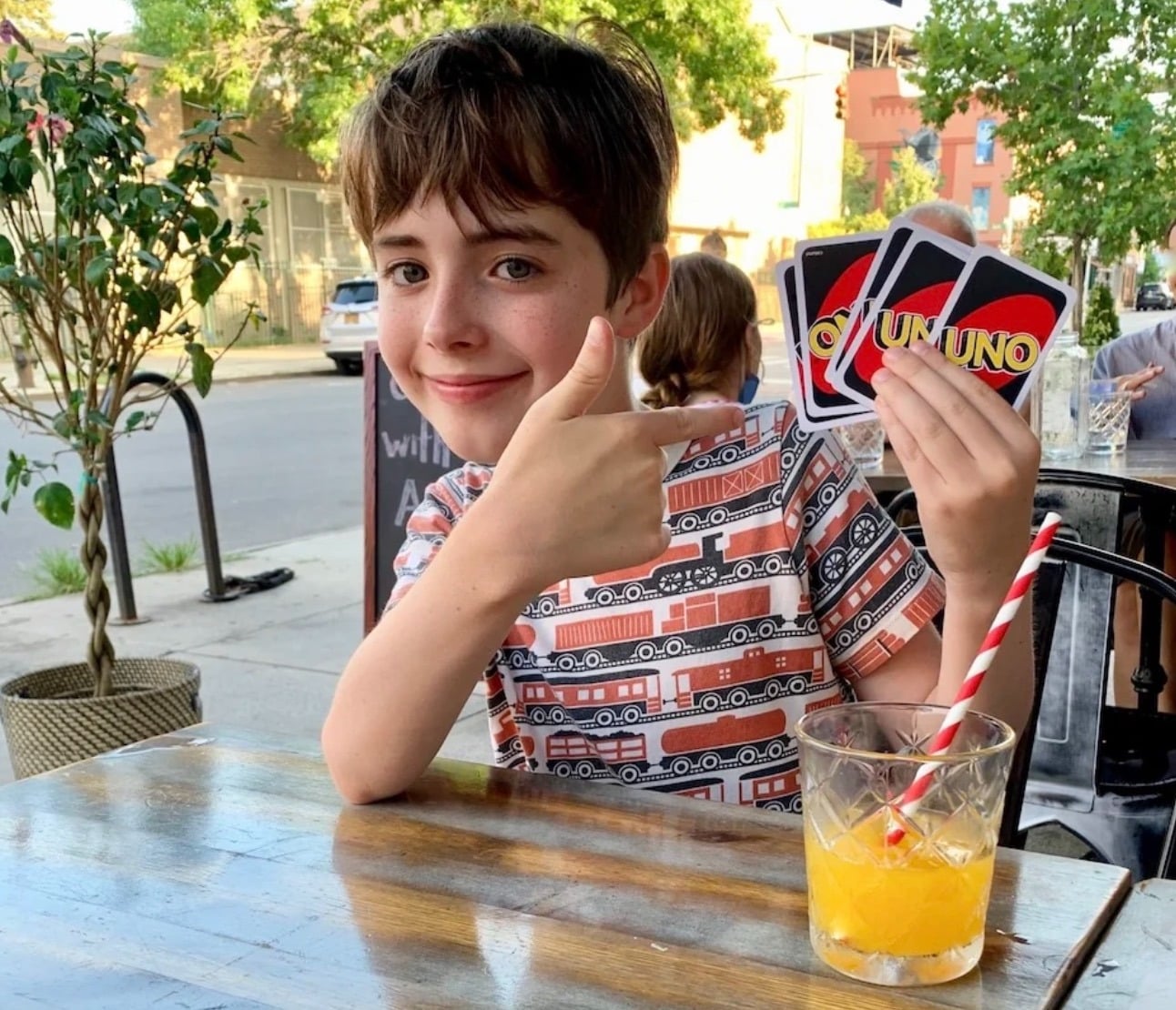
A primary trend identified in the 2026 projections is the revitalization of organized family game nights. Leading the recommendations is the Uno tournament set, priced at approximately $20, which gamifies the traditional card game experience through structured competition. This aligns with a 4.2% growth in the tabletop gaming sector observed over the last fiscal year, as consumers seek low-cost, high-engagement activities.
Furthermore, the integration of music and digital platforms into physical play is exemplified by "Hitster," a music-playing game designed for multi-generational interaction. By utilizing audio cues, the game bridges the generational gap between "Generation Alpha" and their "Millennial" or "Generation X" parents. Market research suggests that games requiring collective participation are outperforming solo digital experiences in the mid-to-late 2020s, as parents prioritize "unplugged" social time.
Literary Trends: Nostalgia and the Visual Narrative
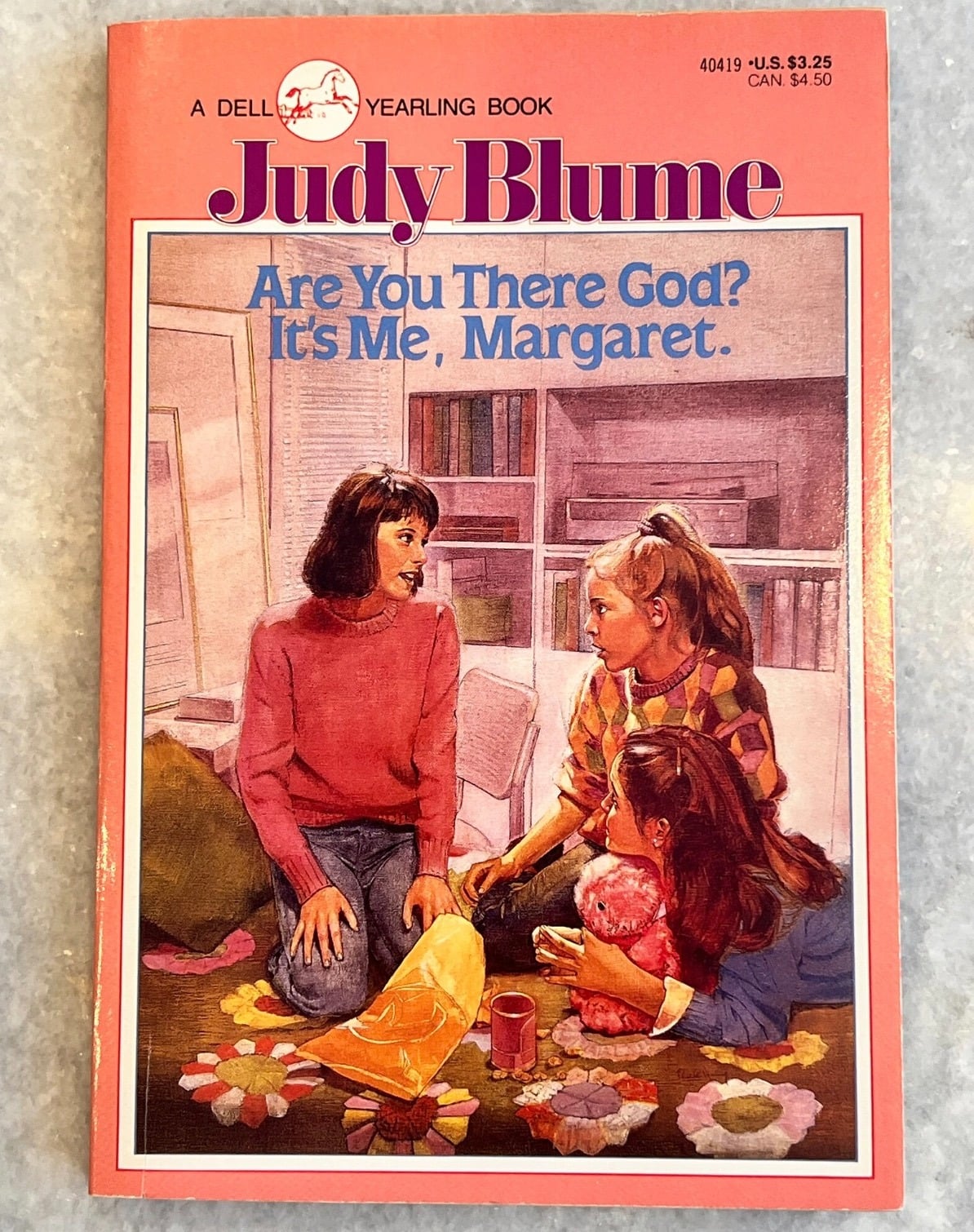
The 2026 literary market for children is witnessing a dual focus: the revival of classic "nostalgia" titles and the continued dominance of the graphic novel format. Classic literature, such as the works of Judy Blume, remains a staple for middle-grade readers, with prices stabilizing around $14. Retailers report that parents are increasingly purchasing titles they enjoyed in their own childhood, a phenomenon known as "legacy reading."
In contrast, the preteen demographic is showing a marked preference for suspense-driven visual storytelling. The "Escape from Alcatraz" comic book series, retailing at $6 per installment, represents a significant growth area in the "edutainment" sector. These publications combine historical contexts with high-stakes narratives, catering to shorter attention spans while fostering a heightened interest in historical non-fiction.
Ethical Consumption and the "Gift with Purpose" Model
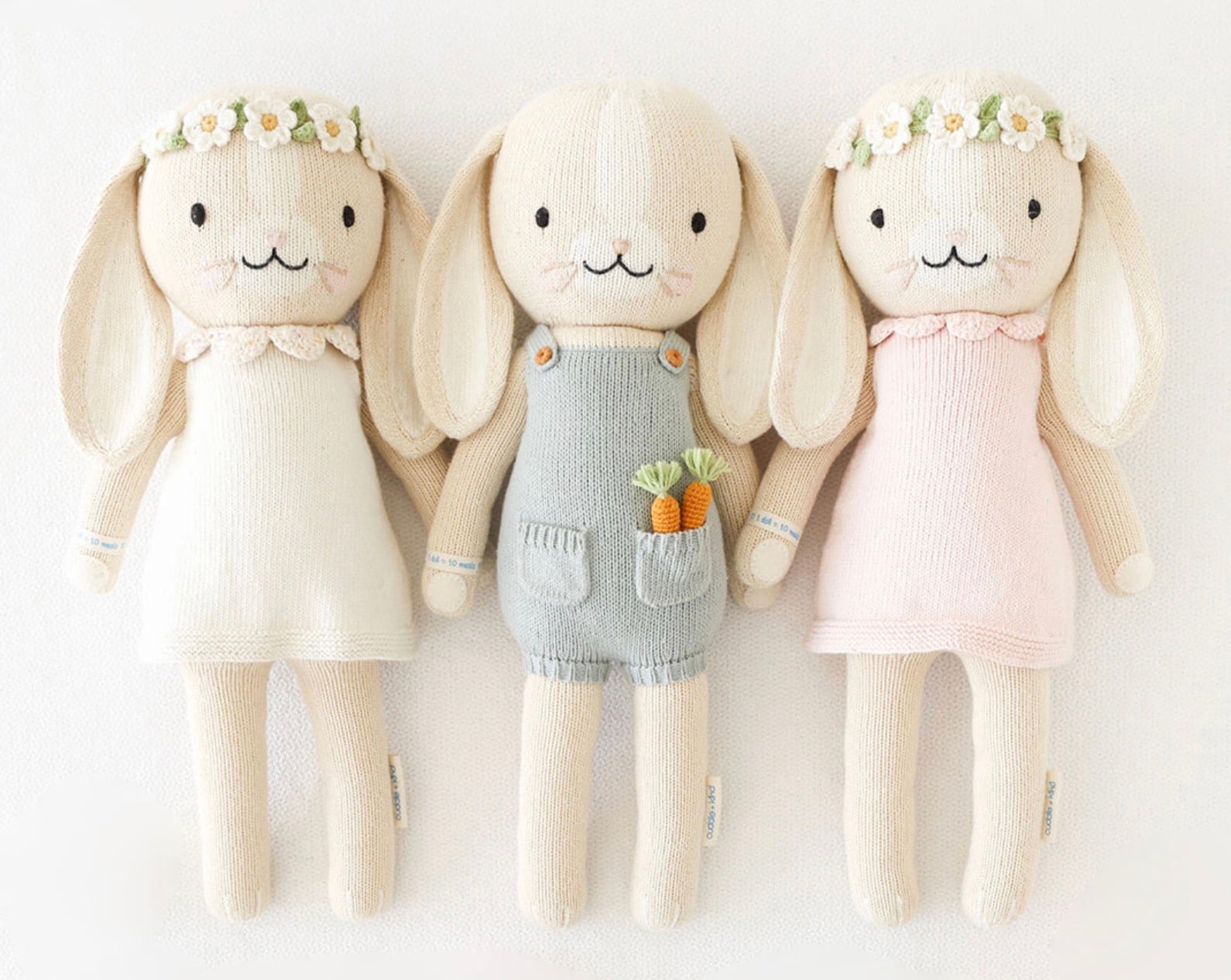
Socially responsible commerce has transitioned from a niche market to a primary consumer expectation in 2026. The popularity of "Cuddle + Kind," a brand producing handmade cotton plush toys, illustrates this shift. Starting at $43, these items are positioned as premium artisanal goods. However, their market dominance is largely attributed to their philanthropic model; the company has reported providing over 40 million meals to children in need globally.
According to consumer behavior reports, 68% of parents in the 2026 holiday season prefer brands that demonstrate a clear social or environmental impact. The success of handcrafted dolls and ethically sourced materials reflects a growing rejection of mass-produced, low-durability plastic toys that characterized the early 2000s.
Retro-Tech and the "Digital Detox" Movement
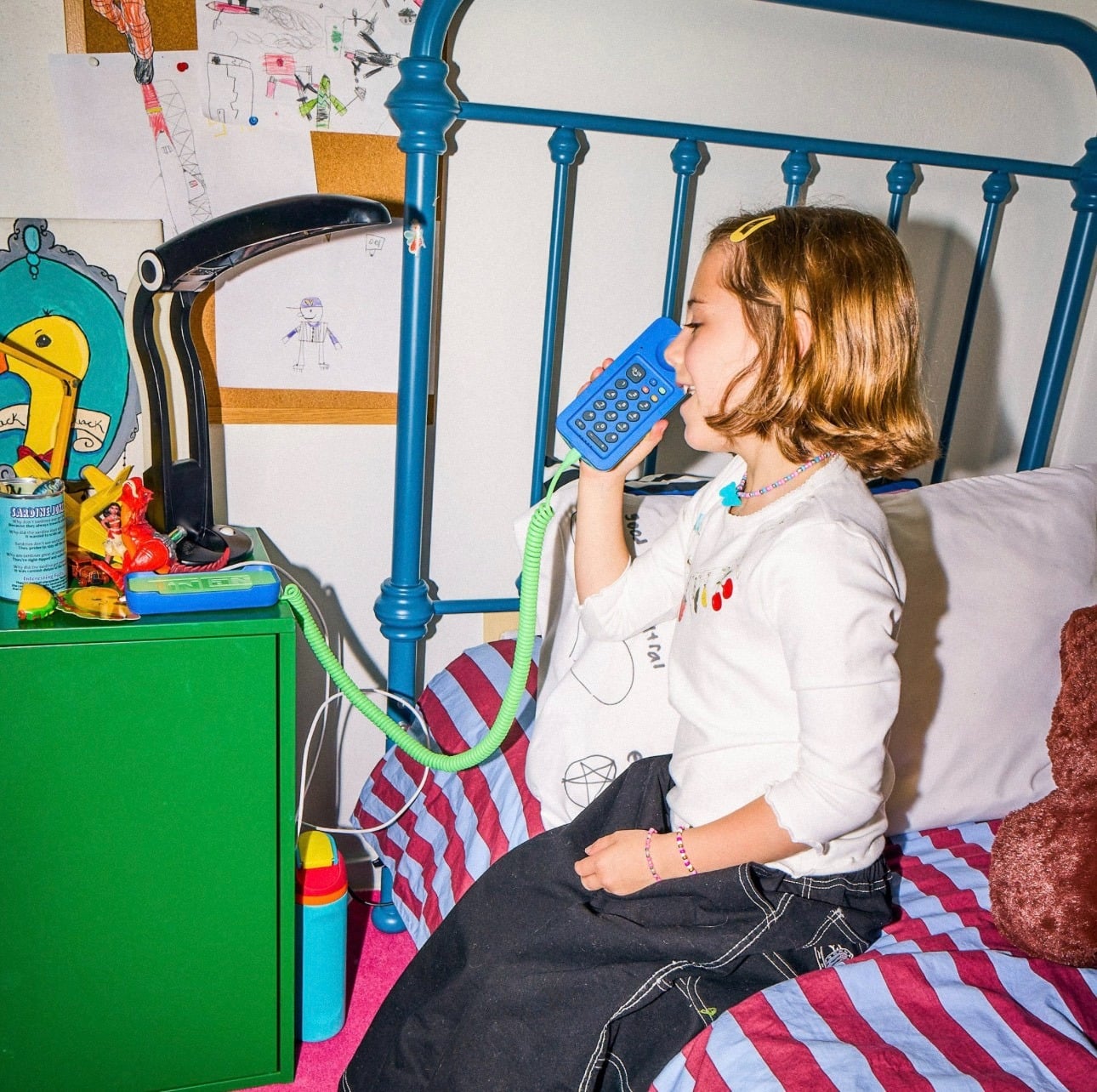
One of the most notable shifts in the 2026 gift guide is the emergence of "retro-tech"—devices that utilize modern infrastructure to replicate vintage experiences. The "Tin Can" phone, which utilizes WiFi to simulate a traditional landline experience for $100, addresses a growing concern among pediatricians regarding early smartphone adoption. These devices allow for domestic communication and social "gabbing" without the risks associated with unrestricted internet access or social media algorithms.
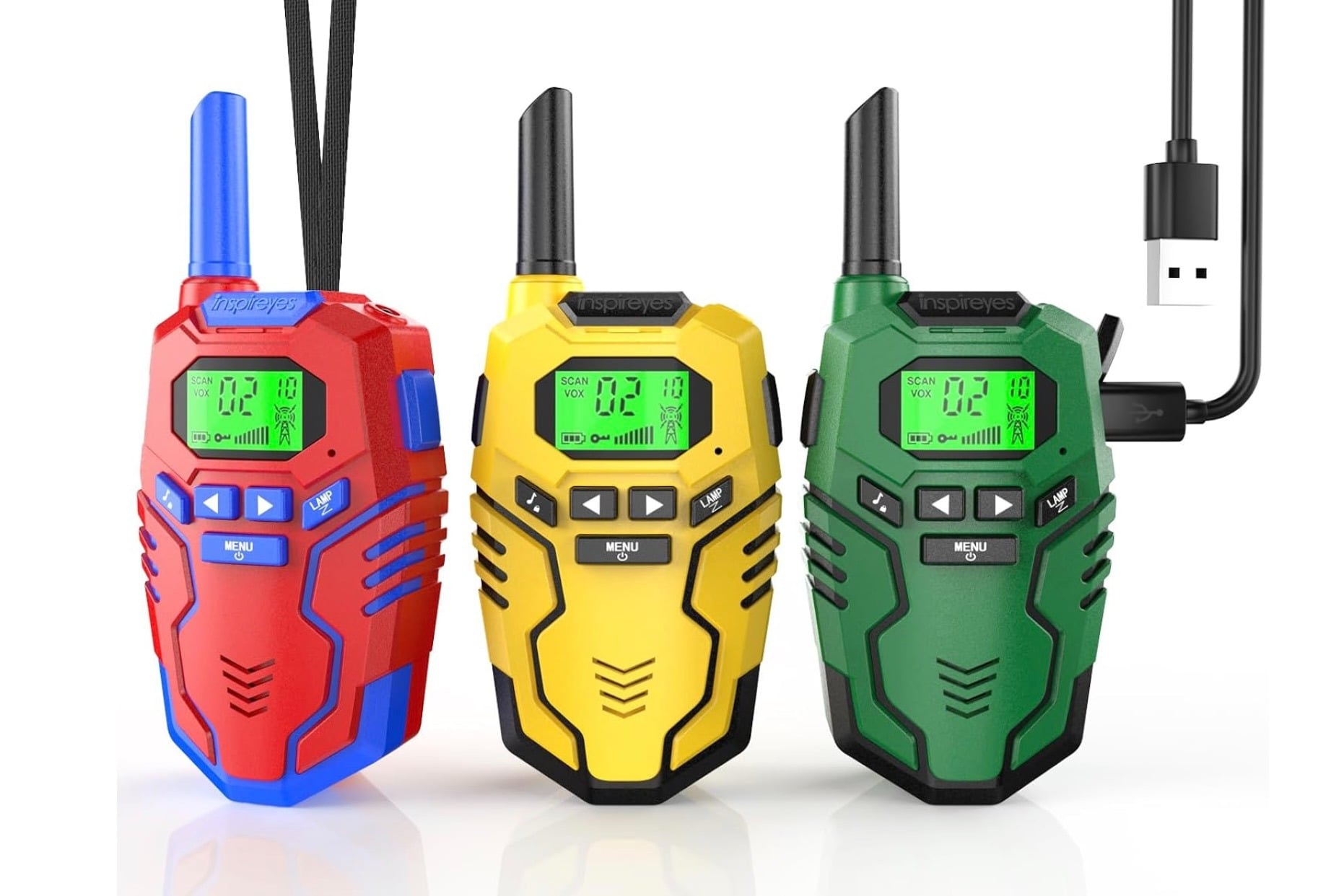
Similarly, long-range walkie-talkies with a two-mile radius (priced at $33 for a three-pack) are seeing a resurgence. These tools are being marketed not just as toys, but as instruments for "independent range," encouraging children to navigate their neighborhoods and engage in imaginative "secret missions." This trend is supported by a 12% increase in sales of "utilitarian play" items, including:
- High-lumen LED flashlights
- Digital stopwatches for athletic timing
- Mechanical clicker counters for data collection and counting games
Developmental Play and Long-Term Value
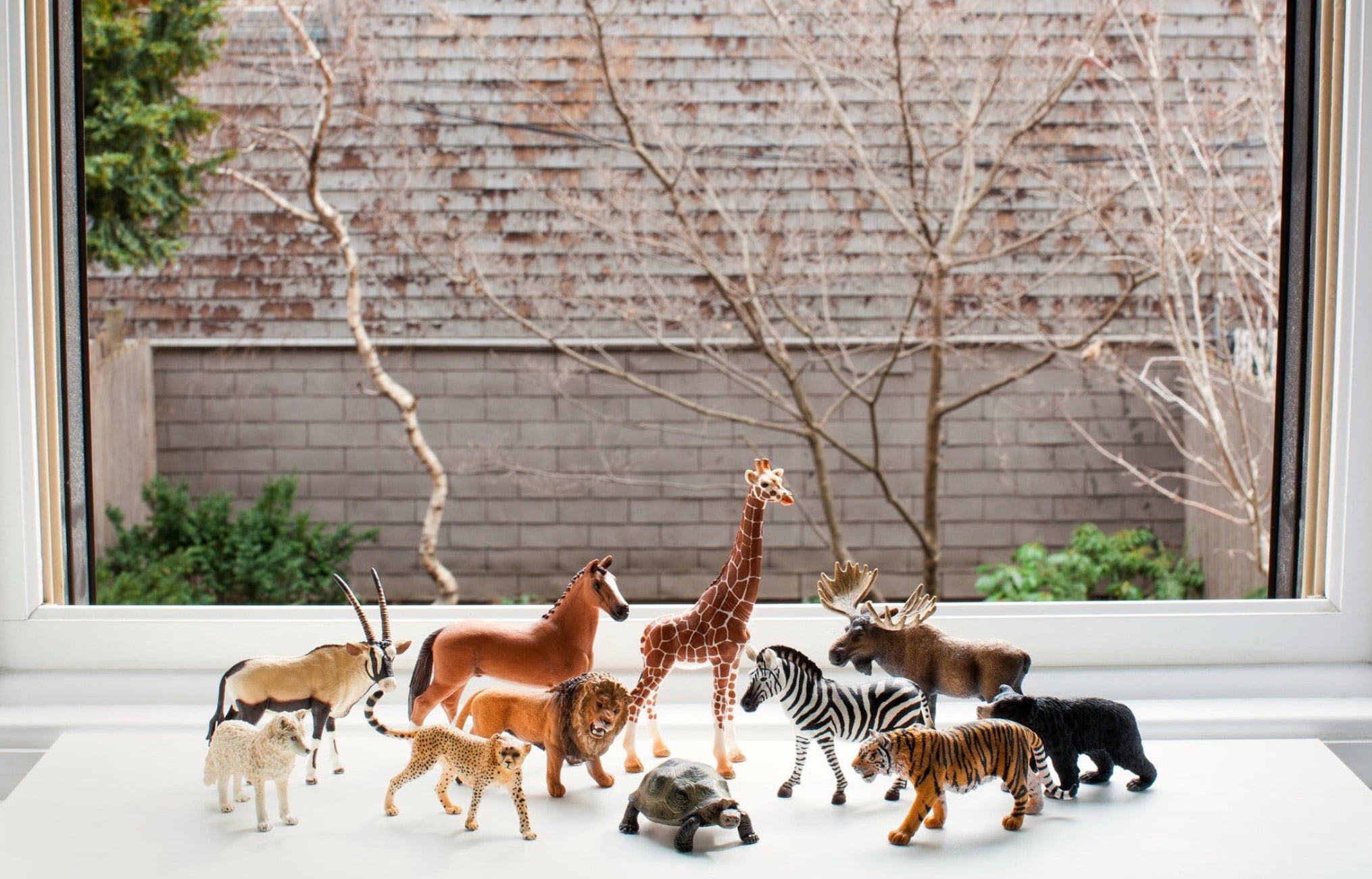
The 2026 guide emphasizes the importance of "open-ended" play through products like Schleich animal figurines. These hand-painted models are highlighted for their durability and collectibility, often retaining their value in the secondhand market. Economic analysts point to the robust resale value of high-quality figurines on digital marketplaces as a key selling point for budget-conscious but quality-oriented consumers.
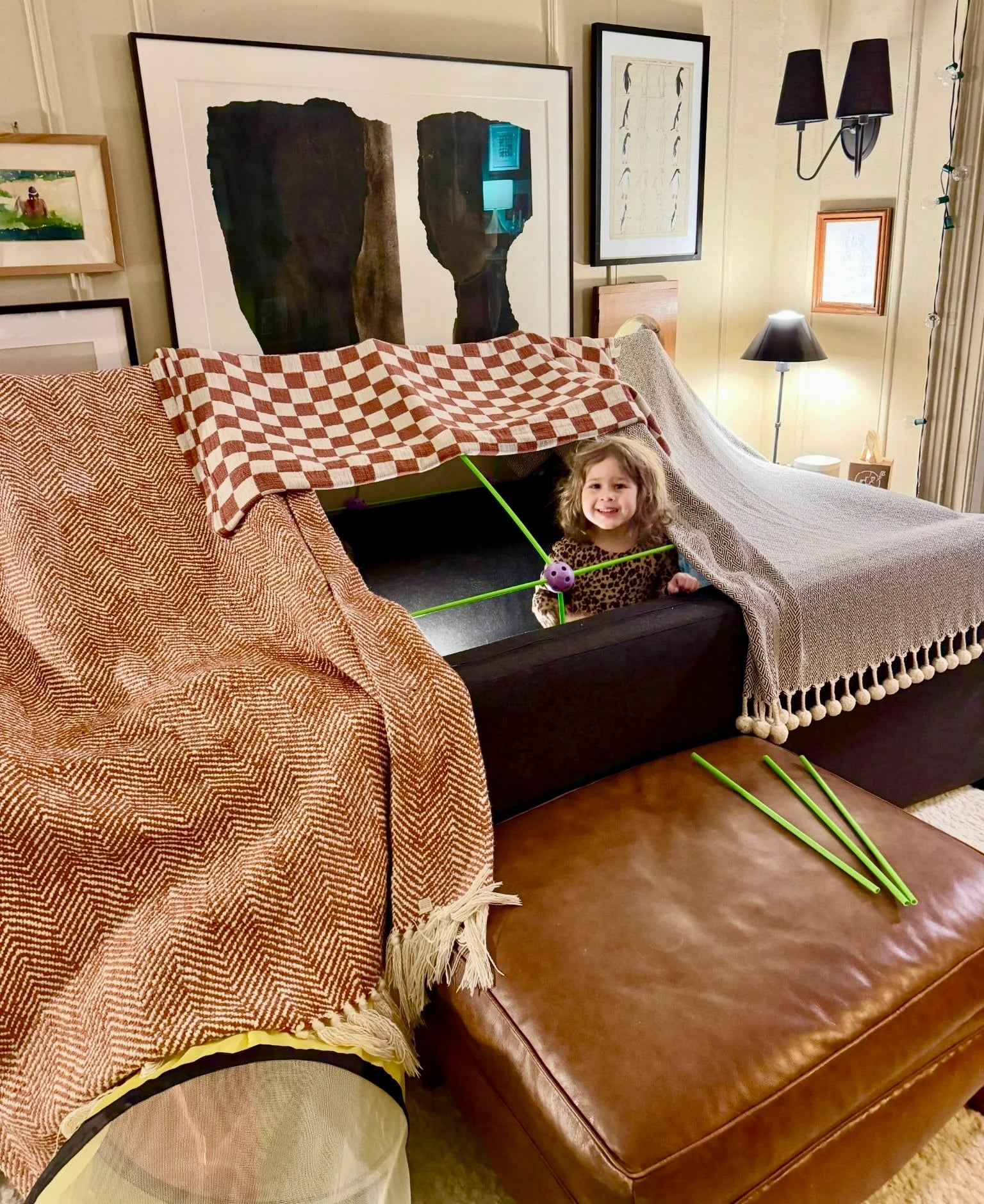
Home environment gifts also play a significant role this year. Items such as fort-building sets ($50) and specialized lighting—including rabbit-themed lamps ($130) or novelty "potato" nightlights—reflect a post-pandemic emphasis on the bedroom as a sanctuary for creativity. Fort-building kits, in particular, are cited by developmental psychologists as essential for spatial reasoning and collaborative problem-solving among siblings.
Novelty and Gourmet Confections
The "surprise and delight" category of the 2026 guide features high-end novelty food items. The "Not Fried Chicken" ice cream bucket, priced at $109, represents the luxury end of the gift spectrum. These products leverage viral social media aesthetics (trompe l’oeil food) to appeal to teenagers and "Generation Alpha" consumers who value "shareable" experiences. While priced as a premium item, the success of such novelty confections indicates a robust appetite for experiential gifts that provide immediate social currency.
Apparel and the Personalization of Youth Spaces
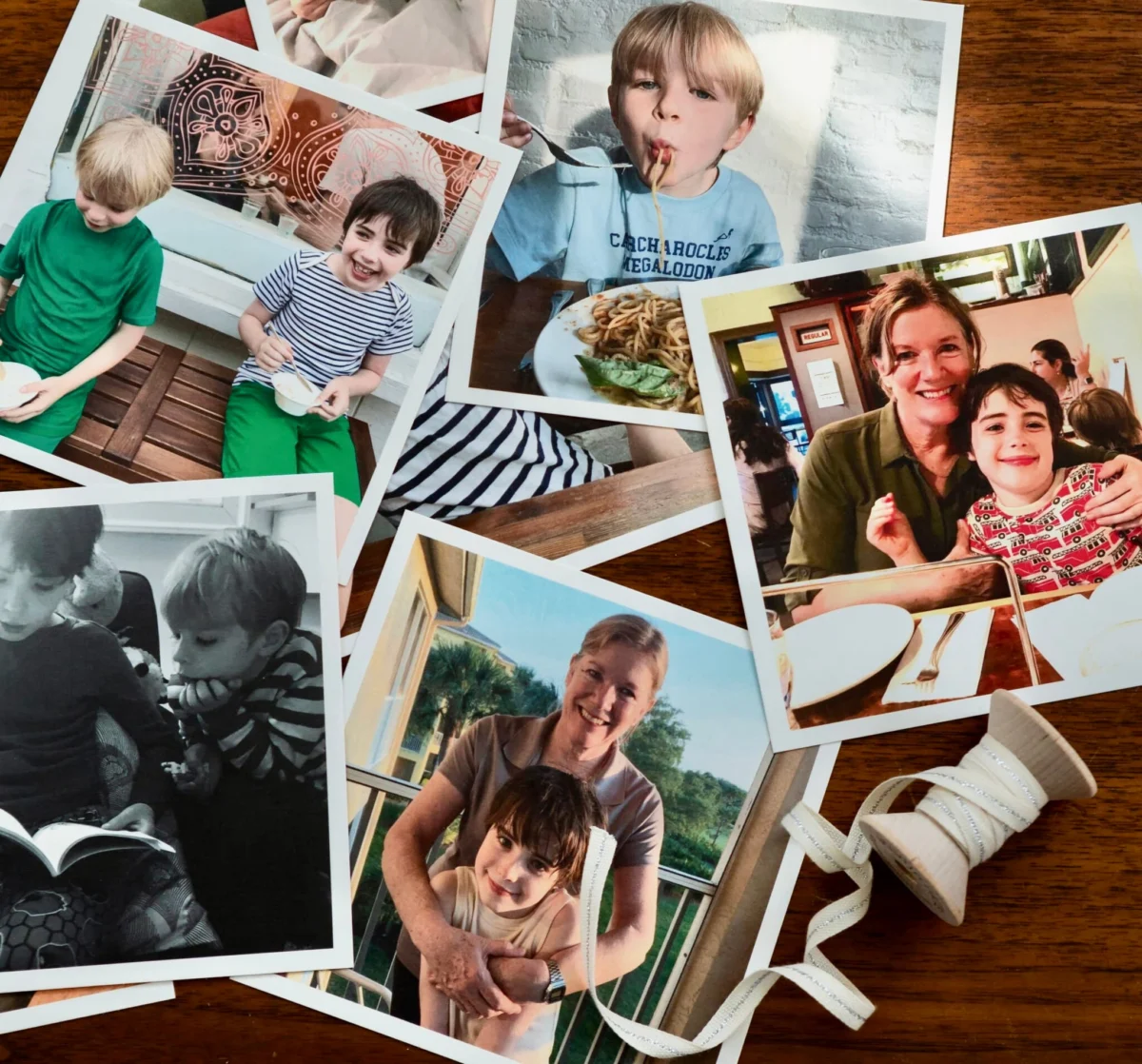
In the apparel sector, the trend toward "luxury comfort" continues. Petite Plume pajamas, starting at $36, represent a shift toward high-quality sleepwear that mirrors adult fashion trends. Additionally, the guide highlights the importance of personalized mementos, such as wooden photo blocks ($26) containing curated family snapshots. In an era of digital saturation, physical manifestations of digital memories are increasingly viewed as high-value emotional gifts.
For younger children, role-play sets—specifically those mimicking service industry roles, such as server books, waist aprons, and guest checks—are trending. These sets are praised by educators for developing numeracy skills and social etiquette through "real-world" simulation.
Chronology of the 2026 Holiday Retail Cycle
The release of this guide on November 9, 2026, follows a specific retail chronology designed to capture early-season momentum:

- September 2026: Initial supply chain stabilizing and preview of "hero products" to major retailers.
- October 15, 2026: Launch of "early bird" digital catalogs and affiliate marketing campaigns.
- November 1-10, 2026: Release of major editorial gift guides (including the 2026 Kids and Teenagers Guide), which historically triggers a 15% spike in online traffic for featured brands.
- Late November 2026: Shift toward logistical fulfillment and last-minute promotional "flash sales."
Market Analysis and Broader Implications
The 2026 gift landscape suggests a sophisticated consumer who balances fiscal responsibility with a desire for emotional resonance. The average price point of recommended items ($15 to $130) indicates that while inflation has impacted the floor price of quality goods, there remains a significant middle-market for durable, well-designed toys.
Furthermore, the inclusion of "legacy" links to guides from 2023, 2024, and 2025 suggests a move away from "fast-trend" toy cycles. Consumers are increasingly looking for "evergreen" products that do not become obsolete within a single season. This shift is expected to have a long-term impact on the toy manufacturing industry, potentially leading to a reduction in low-quality plastic production in favor of more sustainable, long-lasting materials.
In conclusion, the 2026 holiday season is defined by a return to the fundamentals of childhood: social interaction, imaginative exploration, and the security of home. Whether through a $20 card game or a $100 simulated landline, the focus remains on fostering connection in an increasingly complex world. As the retail sector moves toward the final weeks of the year, these trends are expected to dictate the inventory levels and marketing strategies of major global retailers.
