

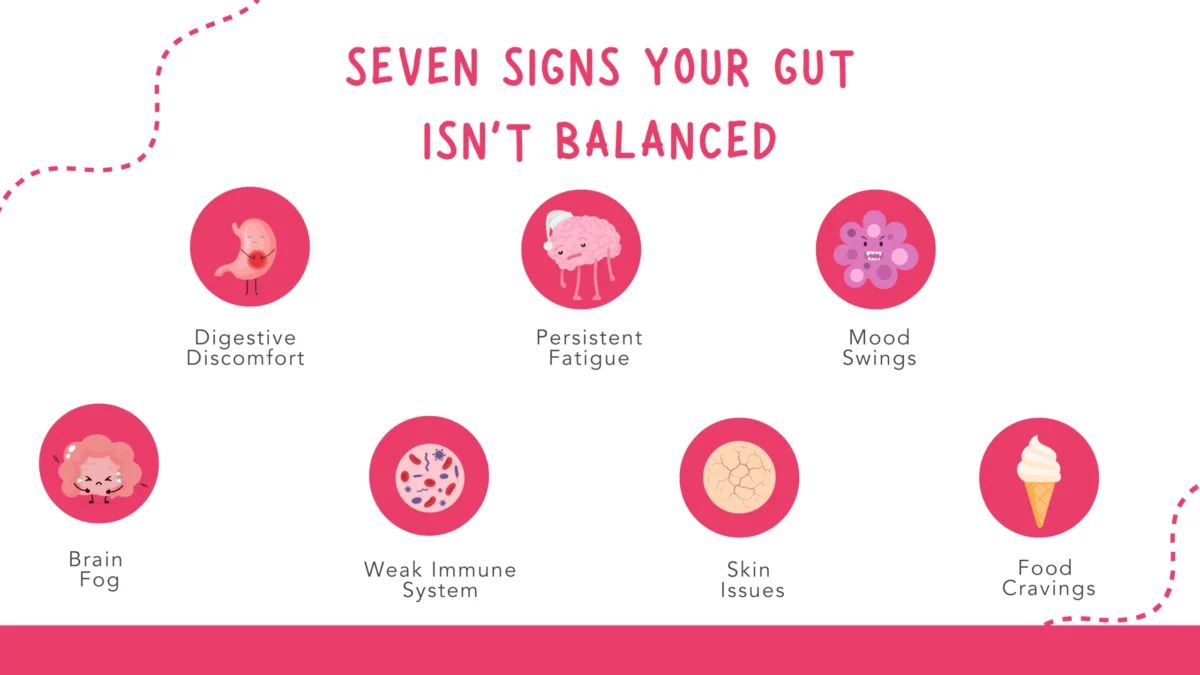
The human gastrointestinal tract, once viewed primarily as a system for nutrient absorption and waste elimination, is now recognized by the medical community as a cornerstone of systemic health. Recent advancements in metagenomics and clinical nutrition have illuminated the "microbiome"—a complex ecosystem of trillions of microorganisms residing within the gut—as a primary regulator of everything from metabolic function to mental clarity. When this delicate ecosystem falls into a state of dysbiosis, or microbial imbalance, the body often emits a series of physiological signals. Understanding these indicators is increasingly vital as chronic digestive issues and autoimmune conditions reach record prevalence in Western societies.
The Clinical Framework of Gut Health and Dysbiosis
Gastrointestinal health is defined by the effective digestion and absorption of food, the absence of GI illness, and a diverse, balanced microbiome. According to data from the National Institutes of Health (NIH), digestive diseases affect between 60 million and 70 million Americans. However, the impact of the gut extends far beyond the stomach. The "gut-brain axis," a bidirectional communication network linking the enteric nervous system and the central nervous system, ensures that the state of the microbiome directly influences neurological and psychological states.
Medical professionals identify seven primary indicators that a patient’s gut microbiome may be compromised. These symptoms often serve as the first line of evidence for underlying inflammation or microbial overgrowth.
1. Chronic Digestive Dysfunction
The most immediate indicators of an imbalanced gut are localized within the digestive tract itself. Frequent bloating, excessive flatulence, constipation, and diarrhea are hallmark signs that the body is struggling to process nutrients. Bloating, specifically, often results from the fermentation of undigested carbohydrates by opportunistic bacteria in the small intestine, a condition sometimes diagnosed as Small Intestinal Bacterial Overgrowth (SIBO).
In a clinical setting, the Bristol Stool Scale remains a primary tool for patients to assess their digestive health. Stools that consistently fall at the extremes of the scale indicate transit time issues, which are frequently linked to a lack of microbial diversity or an insufficiency of fiber-fermenting bacteria.
2. Persistent Fatigue and Sleep Disturbances
The correlation between gut health and energy levels is backed by significant clinical data. A study published in the journal Microbiome found that individuals with chronic fatigue syndrome (CFS) often possess a distinct and less diverse gut microbiome compared to healthy controls. Furthermore, research indicates that approximately 60% of individuals suffering from chronic fatigue also meet the diagnostic criteria for Irritable Bowel Syndrome (IBS).
The gut also plays a role in regulating the body’s circadian rhythm. Certain gut bacteria are responsible for producing precursors to melatonin, the hormone necessary for sleep. When the microbiome is disrupted, sleep quality declines, leading to a cycle of exhaustion that further weakens the immune system.
3. Fluctuations in Mood and Anxiety Levels
Perhaps the most profound discovery in modern gastroenterology is the role of the gut in mental health. It is estimated that 95% of the body’s serotonin—a neurotransmitter responsible for mood stabilization, sleep, and appetite—is produced in the gut, not the brain. This production is heavily dependent on the presence of specific beneficial bacteria.
When the microbiome is in a state of dysbiosis, the production of these neurochemicals is inhibited. This can manifest as increased irritability, heightened anxiety, or depressive episodes. The medical community now frequently refers to the gut as the "second brain," emphasizing that mental health treatment may increasingly involve dietary and probiotic interventions.
4. Pathological Food Cravings
Emerging research suggests that the microbes in our gut may actually influence our dietary choices to ensure their own survival. Bacteria that thrive on simple sugars can trigger cravings for processed foods and sweets. This creates a feedback loop: a high-sugar diet feeds "bad" bacteria, which then signal the host to consume more sugar, further displacing the "good" bacteria that require fiber and complex nutrients. Breaking this cycle requires a deliberate shift in the microbial landscape through prebiotics and fermented foods.
5. Dermatological Manifestations
The "gut-skin axis" describes the well-documented link between intestinal inflammation and skin conditions. Research has shown that systemic inflammation, often originating in a "leaky" or hyper-permeable gut lining, can manifest externally as eczema, acne, rosacea, and psoriasis. When the gut barrier is compromised, metabolic byproducts and toxins can enter the bloodstream, triggering an immune response that inflames the skin. Clinical trials have demonstrated that improving gut flora through targeted probiotic strains can significantly reduce the severity of inflammatory skin disorders.
6. Compromised Immune Resilience
It is estimated that 70% to 80% of the human immune system is located within the gut, specifically in the Gut-Associated Lymphoid Tissue (GALT). The microbiome educates the immune system, helping it distinguish between harmless proteins and dangerous pathogens. A lack of microbial diversity can lead to a "weakened" immune response, leaving the individual more susceptible to common colds and infections, or conversely, an "overactive" response, which is a precursor to autoimmune disease.
7. Cognitive Impairment and "Brain Fog"
"Brain fog"—characterized by confusion, forgetfulness, and a lack of mental focus—is frequently reported by patients with gut dysbiosis. This is often the result of systemic inflammation and the production of certain metabolites by harmful bacteria that can cross the blood-brain barrier. Furthermore, the gut’s role in absorbing B vitamins and other essential nutrients means that a malfunctioning gut can lead to nutritional deficiencies that directly impair cognitive function.
A Chronology of Microbiome Research
The transition of gut health from a niche wellness topic to a mainstream medical priority has occurred over several decades.
- Early 1900s: Nobel laureate Élie Metchnikoff first proposed that consuming fermented milk could improve health by replacing "putrefactive" bacteria with beneficial ones.
- 2007: The Human Microbiome Project (HMP) was launched by the NIH, aiming to characterize the microbial communities found at several different sites on the human body.
- 2010s: A surge in peer-reviewed studies established the link between gut health and obesity, diabetes, and mental health.
- 2020-Present: The focus has shifted toward "precision biotics," where specific strains of bacteria are used to treat specific ailments, ranging from vaginal health to cardiovascular inflammation.
Supporting Data: The Cost of Neglect
The economic and social implications of poor gut health are substantial. According to a report by the American Gastroenterological Association, digestive diseases cost the United States over $136 billion annually in direct medical expenses and lost productivity. Furthermore, the "fiber gap"—the difference between the recommended 25–38 grams of fiber per day and the actual average intake of 15 grams—is cited by the World Health Organization as a primary driver of non-communicable diseases.
Industry and Regulatory Responses
As public awareness of gut health grows, the supplement industry has responded with a proliferation of probiotic products. However, the lack of stringent FDA oversight in the supplement category has led to concerns regarding product efficacy. Medical professionals advise consumers to look for "survivability"—the ability of the bacteria to pass through stomach acid—and "colony-forming units" (CFUs) that are backed by clinical trials.
Major health organizations are also beginning to integrate gut health into standard care. The American Heart Association has noted that certain gut-derived metabolites, such as TMAO (trimethylamine N-oxide), are significant predictors of cardiovascular risk, prompting a new wave of diagnostic testing focused on the microbiome.
Proactive Strategies for Microbial Restoration
For individuals exhibiting signs of dysbiosis, clinical experts recommend a multi-faceted approach to restoration:
- Dietary Fiber and Prebiotics: Fiber acts as "fuel" for beneficial bacteria. Soluble fibers (found in oats and fruits) and insoluble fibers (found in vegetables) are both necessary. Emerging "super-fibers," such as those derived from the Baobab fruit, are being utilized for their high prebiotic content and antioxidant properties.
- Fermented Foods: Traditional foods like kimchi, sauerkraut, kefir, and miso provide a natural source of live probiotics.
- Targeted Supplementation: Specific strains such as Lactobacillus rhamnosus and Bifidobacterium lactis have been extensively studied for their ability to support the vaginal microbiome, immune function, and digestive regularity.
- Hydration and Stress Management: Water is essential for the mucosal lining of the gut, while stress reduction limits the production of cortisol, which can negatively alter the microbial balance.
Broader Impact and Future Outlook
The shift toward gut-centric medicine represents a move toward more holistic, preventative healthcare. By addressing the root cause of systemic inflammation and neurotransmitter imbalances within the digestive tract, clinicians hope to reduce the burden of chronic disease.
As the science of the microbiome continues to evolve, the medical community anticipates a future where "microbial mapping" becomes a standard part of annual physicals. By identifying dysbiosis before it manifests as severe illness, patients can utilize dietary interventions and targeted probiotics to maintain equilibrium. The current consensus among researchers is clear: the gut is not merely a digestive organ, but a sophisticated command center for human health. Maintaining its balance is perhaps the most critical factor in long-term wellness and disease prevention.
