


Implantation bleeding, a phenomenon occurring approximately 10 to 14 days following conception, marks a pivotal moment in early pregnancy: the attachment of a fertilized egg to the interior lining of the uterus. This physiological event can result in light bleeding or spotting, a completely normal occurrence that typically does not necessitate medical intervention. While often a source of confusion due to its timing, which can coincide with an expected menstrual period, implantation bleeding possesses distinct characteristics that differentiate it from regular menstruation.
The Early Stages of Pregnancy: Implantation and Its Manifestations

The journey from conception to a confirmed pregnancy involves several intricate steps, with implantation being a critical milestone. After fertilization in the fallopian tube, the newly formed embryo embarks on a journey towards the uterus. Upon reaching the uterine cavity, it seeks to embed itself within the nutrient-rich endometrial lining, a process known as implantation. This embedding is essential for the embryo to establish a blood supply from the mother, crucial for its subsequent growth and development.
The act of the embryo burrowing into the uterine wall can sometimes cause the rupture of tiny blood vessels in the endometrium. This minor vascular disruption is the direct cause of implantation bleeding. It is a subtle biological event, and its manifestation as visible bleeding varies significantly among individuals. Statistical data indicates that approximately one-third of all pregnant women will experience some form of implantation bleeding, highlighting its prevalence as an early, albeit not universal, sign of gestation.
Timing and Chronology: When to Expect Implantation Bleeding
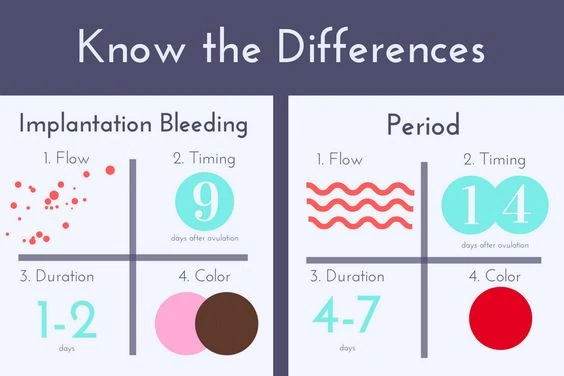
The precise timing of implantation bleeding is a key factor in distinguishing it from other types of vaginal bleeding. As stated, it typically occurs 10 to 14 days after conception. Given that ovulation, where an egg is released and conception becomes possible, occurs roughly 11 to 14 days before an expected period, the window for implantation bleeding often falls within the week leading up to the anticipated start of menstruation. For instance, if a woman expects her period on January 25th, any light spotting experienced between January 18th and January 25th could potentially be implantation bleeding.
This temporal proximity to the menstrual cycle is precisely why many women mistake implantation bleeding for an unusually light or early period. However, it is generally uncommon for implantation bleeding to occur significantly earlier or later than this window, particularly after a period is expected or has been missed. Exceptions can arise if ovulation occurred earlier or later in the fertility window, or if the implantation process itself is unusually swift or prolonged. Understanding this chronology is vital for women actively trying to conceive, as it helps in interpreting early bodily changes.
Distinguishing Implantation Bleeding from Menstruation

While both implantation bleeding and menstrual periods involve vaginal bleeding, their characteristics differ significantly. Recognizing these distinctions is crucial for accurate self-assessment and to avoid unnecessary alarm.
- Color: Implantation bleeding is typically described as pinkish or brownish in color. This lighter hue contrasts with the bright or dark red blood commonly associated with a regular menstrual period. The brownish tint often indicates older blood, suggesting a slower flow.
- Flow and Consistency: The bleeding experienced during implantation is notably lighter than menstrual flow. It usually presents as spotting or a very light flow, often not enough to fill a sanitary pad or tampon. In contrast, menstruation typically involves a consistent, heavier flow that necessitates the use of menstrual products.
- Duration: Implantation bleeding is generally short-lived, lasting anywhere from a few hours to a maximum of three full days. A menstrual period, conversely, typically extends for three to seven days, maintaining a more substantial flow throughout.
- Associated Symptoms: While both can involve cramping, implantation cramping is usually milder and described as a dull ache or tingling sensation, rather than the more intense, often debilitating, cramps associated with menstruation. Other symptoms that may accompany implantation bleeding include mild abdominal discomfort, breast tenderness, fatigue, headaches, and nausea. It is important to note, however, that many of these symptoms—such as cramping, headaches, and mood changes—can also be indicative of premenstrual syndrome (PMS) or ovulation, making self-diagnosis challenging without further confirmation.
For women who are attuned to their bodies, a deviation from their typical menstrual pattern in terms of flow, color, and duration often serves as a primary indicator that the bleeding might be implantation-related.
Medical Perspectives and Expert Guidance

Leading medical organizations like the American Pregnancy Association (APA) and the American College of Obstetricians and Gynecologists (ACOG) emphasize that implantation bleeding is a normal physiological process and generally poses no risk to the developing baby. Their guidelines underscore the importance of distinguishing normal early pregnancy spotting from bleeding that may indicate a more serious underlying condition.
Healthcare providers often advise patients that light, transient spotting around the time of the expected period, without other alarming symptoms, is usually benign. However, they stress the importance of open communication with one’s doctor about any bleeding during pregnancy, especially if it deviates from the described characteristics of implantation bleeding.
When to Seek Medical Attention: Red Flags and Concerns

While implantation bleeding is normal, not all vaginal bleeding in early pregnancy is benign. It is crucial for women to be aware of "red flag" symptoms that warrant immediate medical evaluation.
- Heavy or Prolonged Bleeding: If bleeding is bright or dark red, heavy enough to fill sanitary pads or tampons, and lasts longer than three days, it is highly unlikely to be implantation bleeding. Such bleeding, especially if it occurs after a missed period, should be reported to a healthcare provider promptly.
- Severe Pain: Intense or increasing abdominal pain, particularly if localized to one side, accompanied by bleeding, can be a symptom of an ectopic pregnancy. This is a medical emergency where the fertilized egg implants outside the uterus, most commonly in the fallopian tube. Other symptoms of ectopic pregnancy include nausea, vomiting, and dizziness.
- Bleeding in Later Trimesters: Any spotting or bleeding during the second or third trimester of pregnancy is not considered normal and requires immediate medical consultation. Such bleeding can be indicative of serious complications like placental abruption, placenta previa, or preterm labor.
- Other Concerning Symptoms: The presence of fever, chills, severe dizziness, or fainting alongside bleeding should also trigger an immediate medical assessment.
The APA, referencing sources like the March of Dimes and the National Institute of Child Health and Human Development, consistently advises women to inform their healthcare provider about any spotting in the first trimester and to contact them immediately for any spotting in the second or third trimesters. Heavy bleeding at any point during pregnancy warrants emergency care. It is reassuring to note that even with post-implantation light bleeding (other than implantation bleeding), at least 50% of women go on to have normal, healthy pregnancies. However, vigilance remains paramount.
Implications for Pregnancy Testing

The timing of a pregnancy test in relation to potential implantation bleeding is critical for obtaining accurate results. Home pregnancy tests detect human chorionic gonadotropin (hCG), a hormone produced after implantation. Taking a test too early, such as during implantation bleeding or immediately after, might result in a false negative because hCG levels may not yet be high enough to be detected.
Medical experts generally recommend waiting at least three days after implantation bleeding stops, or ideally, a full week after the expected date of a missed period, to take a pregnancy test. This allows sufficient time for hCG levels to rise to a detectable concentration, providing more conclusive results. The American Pregnancy Association offers a toll-free helpline for individuals who are still unsure or require further guidance.
Broader Impact and Patient Experience

For women actively trying to conceive, the experience of implantation bleeding can be a mix of hope and anxiety. It often represents the first tangible sign that conception may have occurred, leading to anticipation. Conversely, its resemblance to an early period can cause confusion and temporary disappointment. Many women, even those who are pregnant, may not experience or even notice implantation spotting, emphasizing that its absence does not rule out pregnancy.
Understanding implantation bleeding empowers individuals to interpret their body’s signals more accurately, reduce unnecessary anxiety, and make informed decisions about seeking medical advice or taking a pregnancy test. It underscores the importance of reliable, evidence-based information in navigating the often-complex early stages of pregnancy.
Conclusion

Implantation bleeding is a natural and common phenomenon marking the successful embedding of a fertilized egg into the uterine wall. Characterized by its specific timing, light pinkish-brown discharge, and short duration, it stands apart from regular menstruation. While generally benign, recognizing its characteristics is crucial for distinguishing it from other, potentially more serious, forms of bleeding in early pregnancy. Armed with this knowledge and guided by the advice of healthcare professionals, women can better understand their bodies and confidently navigate the initial, exciting, and sometimes perplexing, signs of pregnancy.
Compiled using information from the following Medical sources:
- March of Dimes: “Pregnancy Complications.”
- National Institute of Child Health and Human Development: “What Are Some Common Signs of Pregnancy?”
- American College of Obstetricians and Gynecologists: “Abnormal Uterine Bleeding,” “Early Pregnancy Loss.”
- Norwitz ER, et al. Overview of the etiology and evaluation of vaginal bleeding in pregnant women.
- Moore KL, et al. Answers to clinically oriented questions. In: Before We Are Born: Essentials of Embryology and Birth Defects. 8th ed. Philadelphia, Pa.: Saunders Elsevier; 2013.
- Frequently asked questions. Pregnancy FAQ038. Bleeding during pregnancy. American College of Obstetricians and Gynecologists.
https://www.acog.org/Patients/FAQs/Bleeding-During-Pregnancy - American College of Obstetricians and Gynecologists. Months 1 and 2. In: Your Pregnancy and Childbirth Month to Month. 6th ed. Washington, D.C.: American College of Obstetricians and Gynecologists; 2015.
- Mayo Clinic FAQs
This evidence-based article is maintained and verified by the APA Content Validation Team.
Last Revision: May 13, 2026
