

The human gut microbiome, a complex ecosystem of trillions of microorganisms residing in the digestive tract, is increasingly recognized by the medical community as a cornerstone of systemic health. Recent advancements in genomic sequencing and biotechnology have shifted the understanding of the gut from a simple organ of digestion to a sophisticated regulatory hub that influences everything from neurological function to immune response. When the delicate equilibrium between beneficial and pathogenic bacteria is disrupted—a state known as dysbiosis—the physiological consequences can be far-reaching and multifaceted. Clinical research now suggests that many common ailments previously considered unrelated to digestion may, in fact, originate from an imbalanced microbiome.
The Clinical Significance of Gut Dysbiosis
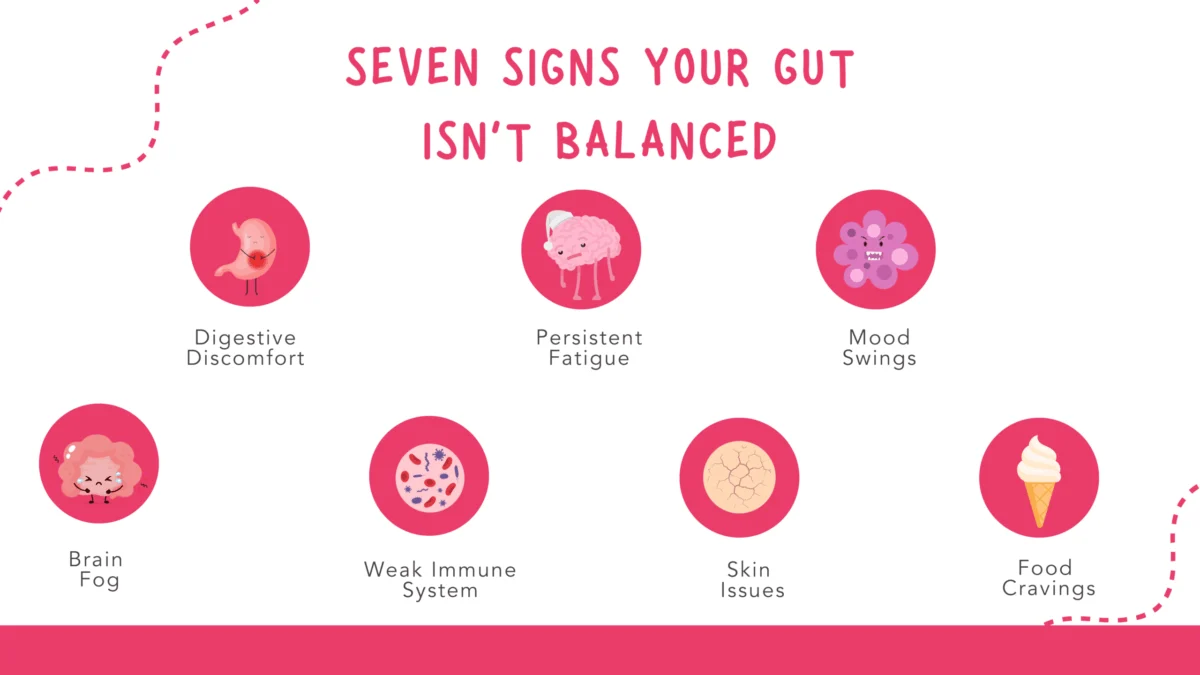
The gut microbiome performs critical functions, including the synthesis of essential vitamins (such as B12 and K), the breakdown of complex carbohydrates, and the modulation of the immune system. A healthy gut is characterized by high microbial diversity. Conversely, a loss of this diversity is associated with various chronic conditions. As global rates of inflammatory bowel disease (IBD), autoimmune disorders, and metabolic syndromes continue to rise, health professionals are focusing on the "seven warning signs" that indicate a patient’s gut health may be compromised.
1. Chronic Gastrointestinal Distress and Motility Issues
The most immediate indicators of gut imbalance are localized within the digestive tract. Frequent bloating, flatulence, constipation, and diarrhea are not merely inconveniences but clinical signals of impaired fermentation and waste elimination. When pathogenic bacteria or yeast overgrow, they can ferment food particles prematurely in the small intestine, leading to gas production and abdominal distension.
Data from the Bristol Stool Chart remains a primary diagnostic tool for clinicians to assess transit time and microbial activity. Chronic constipation often suggests a sluggish microbiome or a lack of adequate fiber, whereas persistent diarrhea may indicate an inflammatory response or an overactive bacterial population. If left unaddressed, these motility issues can lead to more severe conditions, such as Small Intestinal Bacterial Overgrowth (SIBO).
2. Persistent Fatigue and Mitochondrial Dysfunction
The relationship between gut health and energy levels is increasingly supported by clinical data. Research published in journals such as ScienceDirect indicates a high correlation between chronic fatigue syndrome and irritable bowel syndrome (IBS), with some studies suggesting that up to 60% of individuals suffering from persistent exhaustion also exhibit markers of gut dysbiosis.
This fatigue is often the result of nutrient malabsorption. An inflamed or imbalanced gut lining cannot efficiently extract magnesium, B vitamins, and iron from food—nutrients that are vital for ATP (energy) production within the mitochondria. Furthermore, certain harmful bacteria produce metabolic byproducts that can interfere with cellular energy cycles, leading to a systemic feeling of lethargy that does not resolve with rest.
3. Neurochemical Fluctuations and Mood Instability
The "gut-brain axis" represents a bidirectional communication network between the enteric nervous system and the central nervous system. Perhaps the most striking evidence of this connection is the production of neurotransmitters. Approximately 95% of the body’s serotonin—a hormone responsible for mood regulation, sleep, and appetite—is synthesized in the gut, rather than the brain.
When the microbiome is out of balance, the production of these neurochemicals is disrupted. Clinical observations have linked dysbiosis to increased rates of anxiety, depression, and heightened stress responses. Proinflammatory cytokines produced in an unhealthy gut can cross the blood-brain barrier, leading to "neuroinflammation," which manifests as mood swings and emotional instability.
4. Dysregulated Metabolic Cravings
Evidence suggests that the composition of the microbiome can influence dietary choices. Certain species of bacteria and yeast, such as Candida, thrive on simple sugars. These organisms can secrete signaling molecules that mimic human hunger hormones, effectively "hijacking" the host’s cravings to ensure their own survival.
A cycle of intense sugar and processed carbohydrate cravings often indicates an overgrowth of sugar-dependent microbes. This creates a feedback loop: the consumption of refined sugars further suppresses beneficial bacteria and promotes the growth of pathogenic strains, exacerbating the imbalance and making weight management increasingly difficult.
5. Dermatological Manifestations of Internal Inflammation
The "skin-gut axis" is a well-documented phenomenon in dermatology. Conditions such as acne, eczema, psoriasis, and rosacea are frequently linked to systemic inflammation originating in the digestive tract. When the intestinal barrier becomes permeable—a condition colloquially known as "leaky gut"—undigested food particles and bacterial toxins (lipopolysaccharides) can enter the bloodstream.
The immune system identifies these particles as foreign invaders, triggering a systemic inflammatory response. This inflammation often manifests on the skin, the body’s largest organ of elimination. Clinical trials have shown that patients who introduce specific probiotic strains and increase fiber intake often see a marked reduction in inflammatory skin lesions.
6. Compromised Immune Defense and Frequent Infection
Approximately 70% to 80% of the human immune system is located within the Gut-Associated Lymphoid Tissue (GALT). The microbiome serves as a training ground for immune cells, teaching them to distinguish between harmless proteins and dangerous pathogens.
An imbalanced gut results in a "distracted" or weakened immune system. Individuals with dysbiosis often report a higher frequency of common colds, respiratory infections, and slower recovery times. Furthermore, a lack of microbial diversity is a known risk factor for the development of autoimmune diseases, where the immune system begins to attack the body’s own tissues due to a lack of proper regulatory signaling from gut microbes.
7. Cognitive Impairment and "Brain Fog"
Cognitive symptoms, including confusion, forgetfulness, and a lack of mental clarity, are frequently reported by patients with gut health issues. This "brain fog" is often the result of metabolic endotoxemia. When the gut environment is unhealthy, bacteria produce metabolites that can impair cognitive function and slow down neural processing.
The vagus nerve, which connects the gut to the brain, can transmit inflammatory signals that affect the hippocampus and prefrontal cortex—areas responsible for memory and focus. Addressing gut health has been shown in various clinical settings to improve cognitive sharpness and executive function.
Historical Context and Evolution of Microbiome Research
The study of gut health has evolved significantly over the last century. In the early 1900s, Nobel laureate Élie Metchnikoff first proposed that the "putrefactive" bacteria in the gut could be countered by consuming fermented milk. However, it was not until the launch of the Human Microbiome Project (HMP) in 2007 that the global scientific community began to map the trillions of microbes that inhabit the human body.
This decade-long initiative provided the data necessary to link gut health to chronic diseases that were previously thought to be purely genetic or environmental. Today, the medical field recognizes that while genetics "prime the gun," the microbiome and environment "pull the trigger" for many health outcomes.
Clinical Strategies for Microbiome Restoration
Restoring a compromised gut requires a multi-pronged approach focusing on nutrition, lifestyle, and targeted supplementation.
The Role of Dietary Fiber
Fiber is the primary substrate for beneficial bacteria. According to the Academy of Nutrition and Dietetics, the recommended daily intake of fiber is 25 grams for women and 38 grams for men. However, the average modern diet often provides less than 15 grams.
- Soluble Fiber: Found in oats, beans, and fruits, this forms a gel-like substance that slows digestion and feeds beneficial Bifidobacteria.
- Insoluble Fiber: Found in whole grains and vegetables, this adds bulk to stool and prevents constipation.
- Prebiotic Superfoods: Emerging research highlights the baobab fruit, an African superfruit, as a potent source of prebiotic fiber. Baobab is rich in polyphenols and vitamin C, which further support the integrity of the gut lining.
Fermentation and Probiotic Therapy
Fermented foods such as kefir, sauerkraut, kimchi, and kombucha introduce live, beneficial cultures into the digestive tract. While these foods are excellent for maintenance, clinical-grade probiotics are often necessary for therapeutic restoration.
Medical professionals recommend looking for "survivable" strains—bacteria that can withstand the highly acidic environment of the stomach to reach the intestines. Key strains for women’s health include Lactobacillus rhamnosus and Lactobacillus reuteri, which have been shown to support both the digestive system and the vaginal microbiome. High-potency formulas, often ranging from 50 billion to 100 billion Colony Forming Units (CFUs), are typically utilized to "crowd out" pathogenic overgrowth after rounds of antibiotics or illness.
Hydration and Mucosal Integrity
Water is essential for the mucosal lining of the intestines, which acts as a barrier against pathogens. Dehydration can lead to a thinning of this mucus layer, increasing the risk of intestinal permeability. The addition of trace minerals and electrolytes can enhance the cellular uptake of water, further supporting the gut’s structural integrity.
Broader Public Health Implications
The implications of widespread gut dysbiosis extend beyond individual health to public health policy. The "Hygiene Hypothesis" suggests that overly sterile environments and the overuse of antibiotics have led to a decrease in microbial diversity in modern populations. This lack of diversity is correlated with the global rise in allergies and asthma.
Public health experts are now advocating for a more "microbe-friendly" approach to lifestyle, including reduced antibiotic prescriptions, increased focus on soil health in agriculture (to ensure nutrient-dense produce), and the integration of microbiome education into standard nutritional guidelines.
Conclusion and Future Outlook
As the scientific community continues to unravel the complexities of the human microbiome, it is clear that gut health is not a niche concern but a fundamental aspect of general medicine. The transition from reactive treatment of symptoms to proactive management of the microbiome represents a significant shift toward personalized, preventative healthcare.
For individuals experiencing the seven signs of imbalance, the path to restoration involves a consistent commitment to fiber-rich nutrition, fermented foods, and high-quality probiotic supplementation. As research progresses, the medical community anticipates that "microbiome profiling" will become a standard part of diagnostic medicine, allowing for even more precise interventions to optimize human health from the inside out.
