

The Rise of Semi-Homemade Convenience in Pediatric Nutrition
The emergence of the Pizza Crescent Roll as a staple in household meal rotations is a byproduct of broader shifts in the global food industry. Since the mid-20th century, the development of refrigerated, pressurized dough canisters has transformed the domestic kitchen. Originally patented and popularized by companies like Pillsbury in the 1960s, these products have moved beyond simple dinner rolls to become a foundational "shortcut" ingredient for complex appetizers and meals.
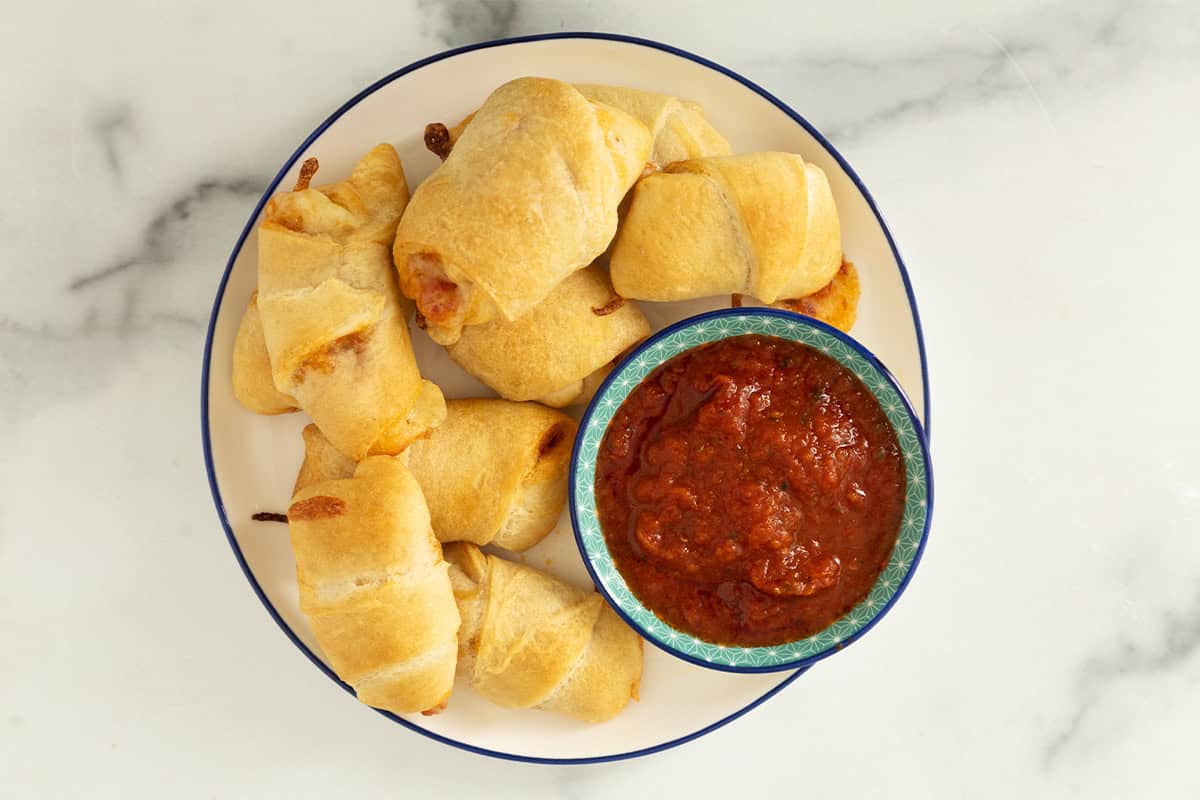
In the context of pediatric nutrition, the "finger food" format is essential. Developmental specialists note that toddlers often prefer foods that are easily gripped and possess a consistent texture. The Pizza Crescent Roll satisfies these requirements by encasing standard pizza ingredients—mozzarella cheese, tomato sauce, and optional proteins—within a soft, buttery pastry shell. This structural integrity reduces the mess typically associated with traditional pizza slices, making it an attractive option for both home consumption and daycare environments.
Chronology of Preparation and Technical Execution
The production of Pizza Crescent Rolls follows a rigorous timeline designed for maximum efficiency. The process is characterized by four distinct phases, totaling approximately 18 to 20 minutes from start to finish.
Phase 1: Preparation and Substrate Organization (Minutes 0–5)
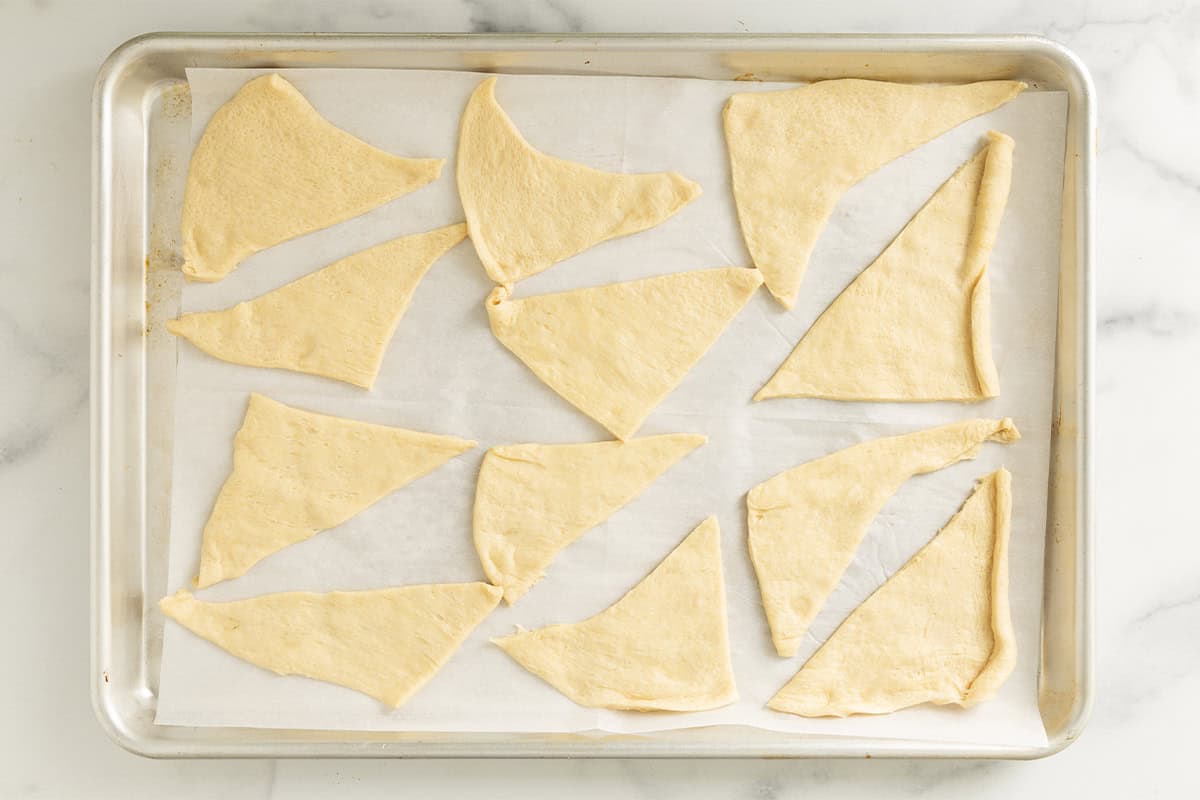
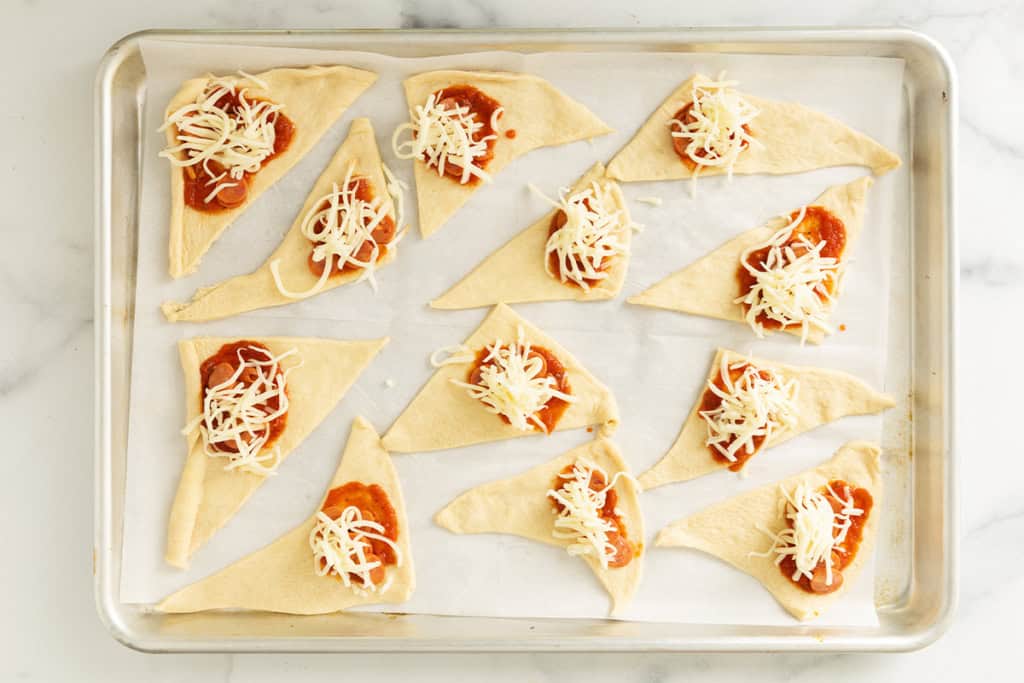
The process begins with the thermal calibration of the oven, typically to 375 degrees Fahrenheit (190 degrees Celsius). During this stage, the preparer readies a non-stick baking sheet or lines a standard tray with parchment paper. The refrigerated dough is extracted from its pressurized canister and separated into its pre-perforated triangular segments. This "substrate" serves as the structural base for the internal ingredients.
Phase 2: Ingredient Integration (Minutes 5–8)
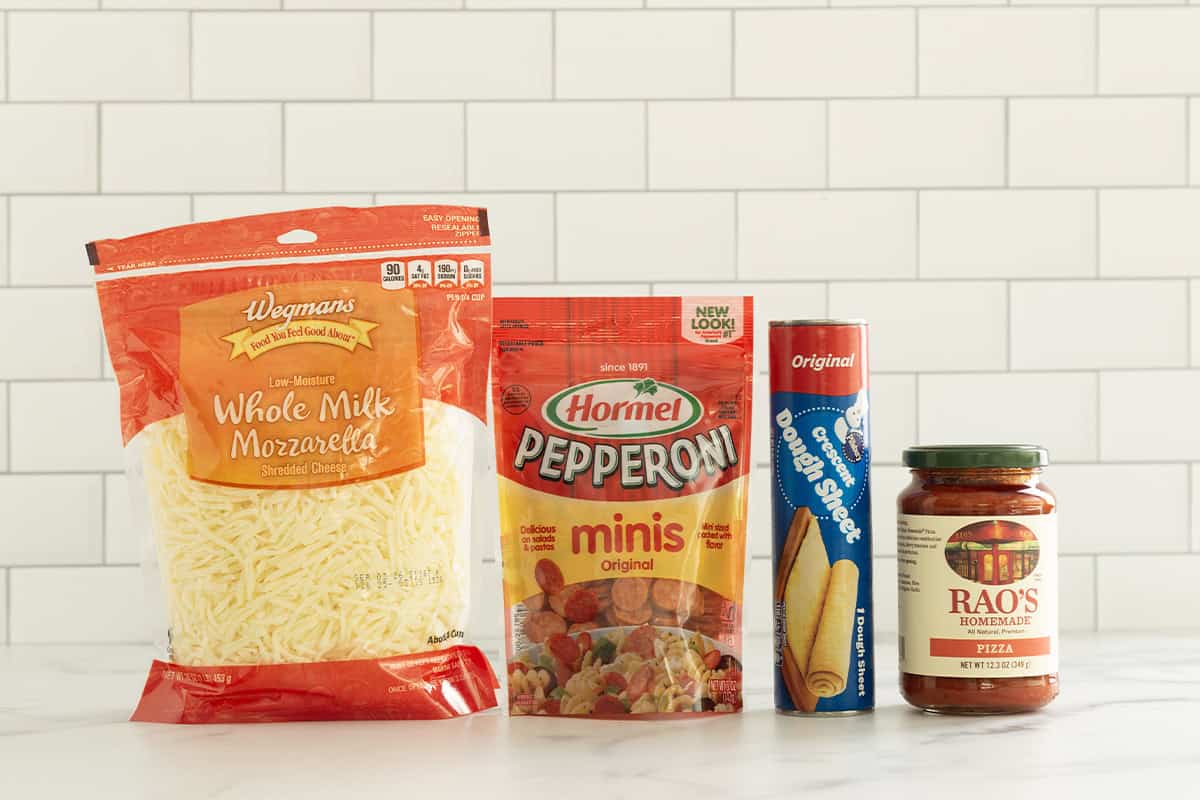
The assembly phase requires precise placement of ingredients to ensure structural stability during the baking process. A controlled amount of mozzarella cheese and specific toppings—such as finely diced pepperoni or pre-cooked vegetables—are placed on the widest end of the dough triangle. Culinary experts suggest that overfilling is a common failure point, as it leads to "blowouts" where the filling escapes the pastry during expansion.
Phase 3: Structural Rolling and Sealing (Minutes 8–10)
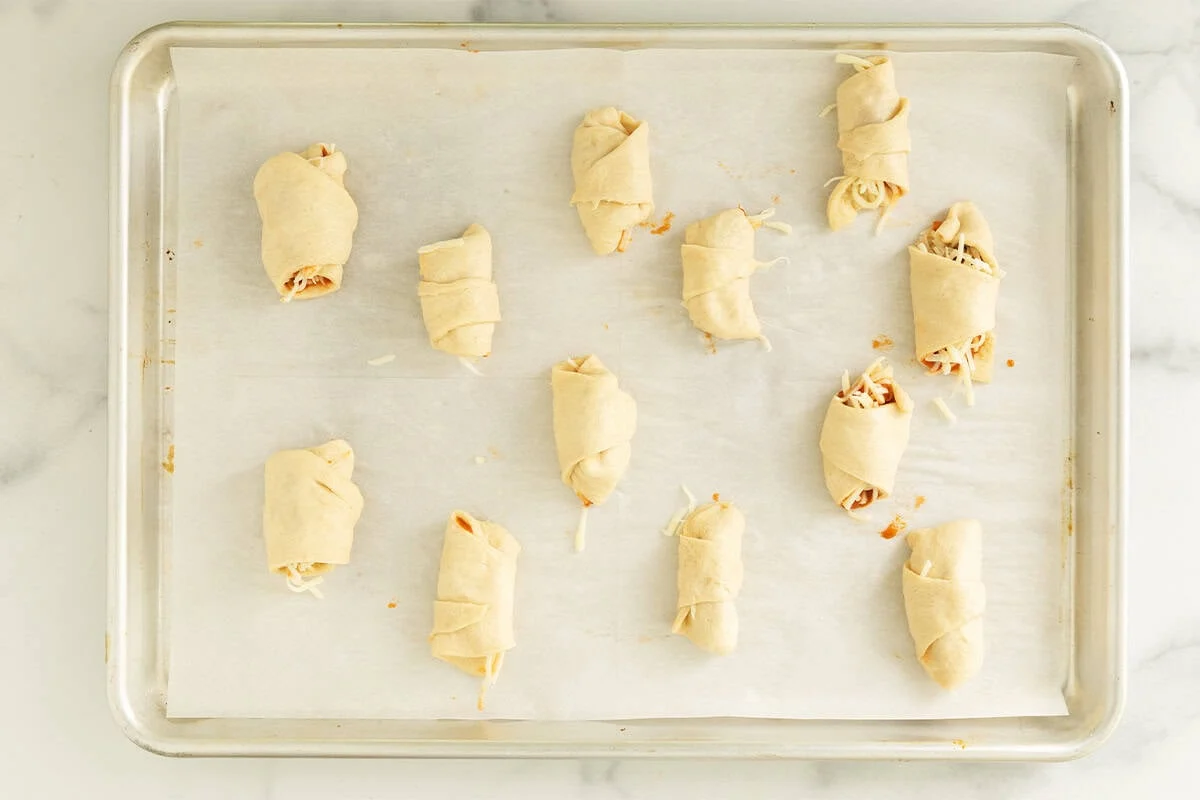
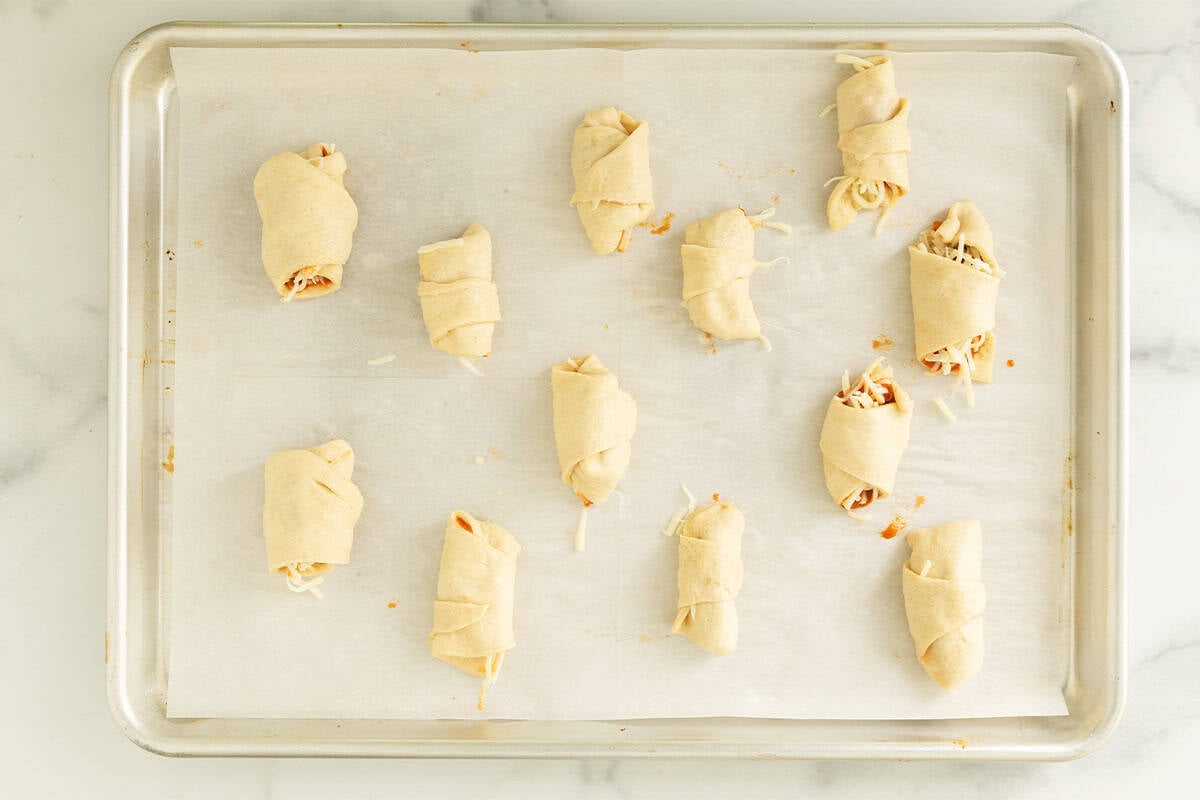
The dough is rolled from the wide end toward the tip, creating the characteristic "crescent" or "spiral" shape. To prevent the leakage of molten cheese, the lateral edges of the dough are often pinched or tucked inward. This creates a sealed environment that allows the internal ingredients to steam and melt while the exterior dough undergoes the Maillard reaction, resulting in a golden-brown finish.
Phase 4: Thermal Processing and Cooling (Minutes 10–20)
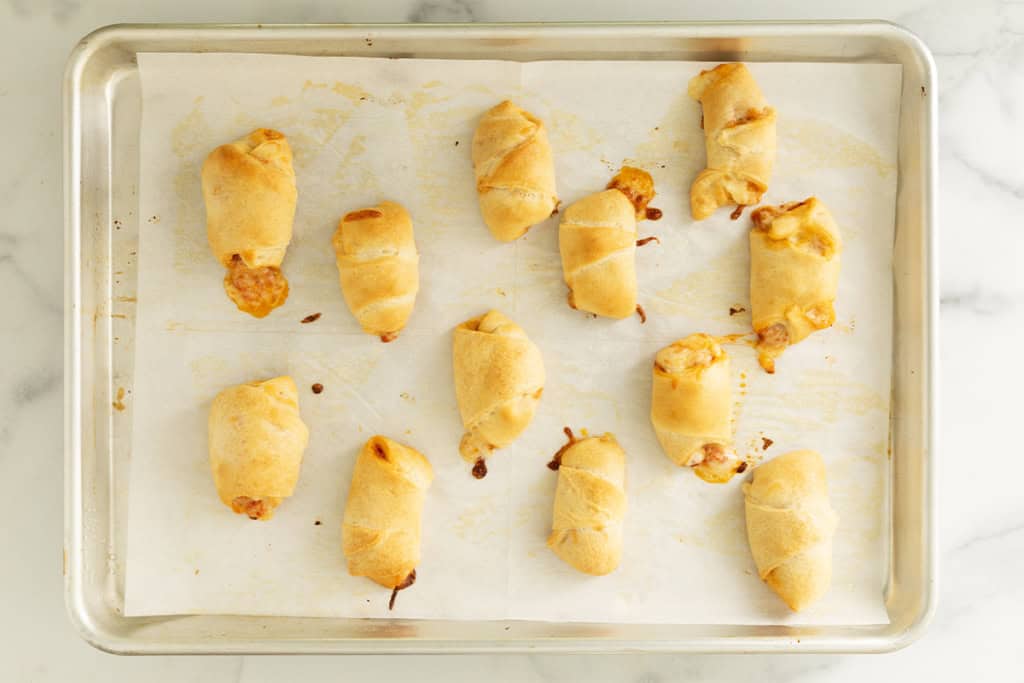
The rolls are baked for 10 to 12 minutes. This duration is critical; it is sufficient to melt the internal lipids (fats) of the cheese and cook the dough through to the center without burning the delicate pastry tips. Upon removal from the heat source, a mandatory cooling period of 2 to 3 minutes is recommended to allow the internal temperature to stabilize, preventing thermal injuries to the consumer’s palate.
Nutritional Analysis and Data-Driven Insights
The nutritional profile of Pizza Crescent Rolls provides a clear look at the caloric and chemical composition of a typical toddler-focused meal. Based on standard industry measurements, a single serving consisting of two rolls yields the following data:
- Caloric Density: 200 kcal
- Total Lipids (Fat): 13g (with 6g of Saturated Fat)
- Carbohydrate Content: 17g (including 5g of Sugar)
- Protein Content: 6g
- Sodium Content: 540mg
- Micronutrients: 112mg of Calcium and approximately 229 IU of Vitamin A
From a journalistic perspective, the sodium content is a point of significant interest. At 540mg per serving, two rolls account for approximately 36% of the daily recommended sodium intake for a child aged 1 to 3 years (based on the American Heart Association’s 1,500mg limit). While this is lower than many commercially frozen pizzas, health advocates emphasize the importance of pairing these rolls with low-sodium sides, such as fresh cucumbers, steamed peas, or roasted broccoli, to maintain a balanced dietary intake.
Market Trends and Consumer Behavior
The popularity of this specific recipe is mirrored in the growth of the refrigerated dough market. Industry reports indicate that the global processed dough market is projected to grow at a compound annual growth rate (CAGR) of approximately 4.5% through 2030. This growth is driven by a "convenience-first" consumer mindset among Millennial and Gen Z parents who balance professional responsibilities with the demands of child-rearing.
Furthermore, the customization aspect of Pizza Crescent Rolls aligns with the "deconstructed food" trend. By allowing children to select their own toppings—ranging from mushrooms and bell peppers to different varieties of cheese—caregivers can foster a sense of autonomy in toddlers, which is a recognized strategy in overcoming "picky eating" phases.
Professional Perspectives and Expert Reactions
Pediatric dietitians and culinary analysts have weighed in on the utility of such "shortcut" meals.
"The primary benefit of the Pizza Crescent Roll is its high rate of acceptance among pediatric populations," states a hypothetical analysis from a leading child nutrition consultant. "While it is a processed food product, its ability to serve as a vehicle for vegetables—when finely chopped and hidden within the roll—makes it a strategic tool for parents. The key is moderation and the quality of the supplemental ingredients, such as using organic sauces or high-protein cheeses."
Industry analysts also point to the "reheatability" of the product as a major factor in its success. Unlike traditional pizza, which can become rubbery in a microwave, the pastry-based crescent roll retains a preferable texture when reheated in a toaster oven or air fryer. This extends the product’s lifecycle, allowing it to function as both a primary meal and a secondary snack or lunchbox item.
Storage, Preservation, and Food Safety
In terms of food safety and logistics, Pizza Crescent Rolls offer robust storage options. Once the thermal processing is complete and the rolls have reached room temperature, they can be refrigerated in airtight containers for up to five days. For long-term preservation, the rolls are freezer-stable for up to six months.
The ability to batch-cook and freeze these items represents a significant time-management advantage. In an era where "meal prepping" has become a multi-billion dollar social media and lifestyle industry, the Pizza Crescent Roll serves as a prime example of a "prep-ahead" food that does not sacrifice significant quality upon defrosting.
Broader Implications for Modern Domesticity
The shift toward recipes like Pizza Crescent Rolls reflects a broader socio-economic reality. As the cost of living increases and dual-income households become the standard, the time allocated for traditional food preparation has diminished. In 1965, the average American spent over 90 minutes a day on food preparation and cleanup; by the 2020s, that number has dropped significantly for many demographic groups.
The Pizza Crescent Roll is more than just a recipe; it is a cultural artifact of the 21st-century kitchen. It represents the intersection of industrial food science, pediatric psychology, and the logistical demands of modern parenting. While it may lack the artisanal prestige of a sourdough pizza baked in a wood-fired oven, its utility, reliability, and widespread adoption confirm its status as a cornerstone of contemporary family dining.
As dietary trends continue to evolve toward more plant-based or gluten-free options, the "crescent roll" model is expected to adapt. Already, market competitors are introducing cauliflower-based and whole-grain refrigerated doughs, ensuring that the fundamental "pizza roll" concept remains relevant to new generations of health-conscious consumers. For now, the standard refrigerated crescent dough remains the dominant medium for this efficient and highly effective toddler meal solution.
