

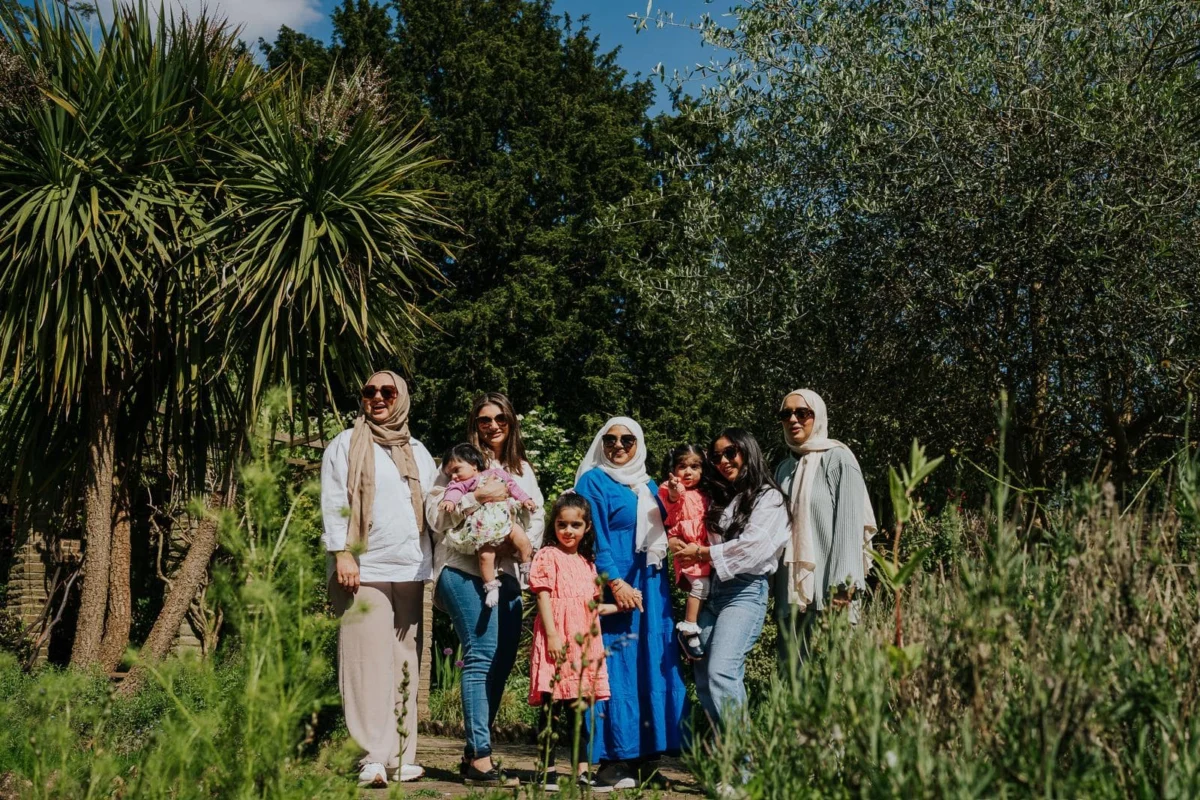
Zarina Ayyub’s remarkable journey, spanning over three decades from a young, unsupported mother to a respected doula and breastfeeding advocate, illuminates the profound cultural and systemic challenges faced by women, particularly within the South Asian community, in their pursuit of maternal care. Her personal narrative is not merely a testament to individual resilience but a powerful reflection of the evolving landscape of childbirth and breastfeeding support in the United Kingdom, highlighting persistent gaps and the critical need for culturally sensitive interventions.
A Legacy of Early Challenges: Echoes from the Past
The foundational struggles of Zarina’s mother, who immigrated to England from Pakistan in the late 1960s, set a poignant precedent for the difficulties that lay ahead. Arriving in Birmingham, her mother was among the first in her Asian community to give birth in the UK. Her experience was marked by a complete absence of breastfeeding encouragement from her in-laws, a common feature in many traditional households where new mothers were often expected to prioritize household duties over the time-consuming demands of nursing. More critically, the hospital environment at the time actively discouraged breastfeeding; Zarina’s mother was reportedly given formula and medication to suppress her milk supply—a practice that left an indelible, painful memory. This historical context underscores a period when formula feeding was heavily promoted by medical institutions, often at the expense of natural maternal instincts and traditional knowledge. The World Health Organization (WHO) and UNICEF later highlighted how such practices undermined breastfeeding globally, advocating for the "Baby-Friendly Hospital Initiative" to reverse these trends.
Culturally, her mother also contended with the deeply ingrained belief within parts of the South Asian community that colostrum, the nutrient-rich ‘first milk,’ was "dirty" or unsuitable for newborns. Instead, a concoction of cooled boiled water with fennel and other seeds was often administered, intended to clear meconium, the baby’s first stool. This belief, while misguided from a modern medical perspective, was rooted in historical practices and a lack of understanding of colostrum’s vital immunological benefits. For Zarina’s mother, navigating a new country, a demanding extended family environment, and a medical system at odds with her instincts resulted in a "traumatising" breastfeeding experience that she implored her daughter to avoid. Her struggle, shared with five other adults in a crowded household, illustrates the immense privacy and practical challenges faced by early immigrant mothers in balancing cultural expectations with personal maternal choices.
Zarina’s Own Baptism of Fire: A Generation Later
Zarina’s entry into motherhood at the tender age of 20, just days after her own birthday in November, mirrored many of her mother’s challenges, albeit in a different era. Her first baby, born prematurely at a fragile 4 lbs 13 oz, immediately highlighted the systemic shortcomings in maternal care for young, first-time mothers. Despite the passage of several decades, the hospital environment still offered limited support and choice. Her baby was swiftly taken to a special nursery, fed formula via a tube, while Zarina was isolated in her room. This separation, coupled with a complete lack of information about crucial practices like hand expression or the significance of colostrum, left her feeling helpless and fearful, even to hold her own child. This approach, common in many hospitals during the late 20th century, inadvertently undermined a mother’s ability to bond and initiate breastfeeding effectively. Research has consistently shown that early skin-to-skin contact and uninterrupted time together are critical for successful breastfeeding initiation.
The lack of communication from healthcare professionals was profound. Zarina was simply informed her baby was small due to a poorly functioning placenta, without further explanation or support. Her mother’s advice to "trust them" echoed a generational deference to medical authority, often at the cost of personal agency. When her daughter was finally brought to her on day three, Zarina was severely engorged, her breasts "big and hard, and felt heavy like bricks!" The brutal intervention of a midwife, who "grasped my breast and forced my baby onto me," resulted in immense pain and emotional distress, further cementing her mother’s fears. This incident underscores the critical need for empathetic, trauma-informed care and skilled lactation support, which was conspicuously absent. The National Institute for Health and Care Excellence (NICE) guidelines now emphasize gentle, individualized support for breastfeeding initiation, a stark contrast to Zarina’s experience.
Upon returning home to Birmingham, her struggle intensified. Her nipples were "sore, cracked, and bleeding," and the family’s desperate attempts to soothe their crying baby with an ineffective hand pump and an oversized dummy highlighted the profound lack of accessible, immediate postnatal support outside the hospital setting in the early 2000s.
Navigating Cultural Expectations and Societal Pressures in London
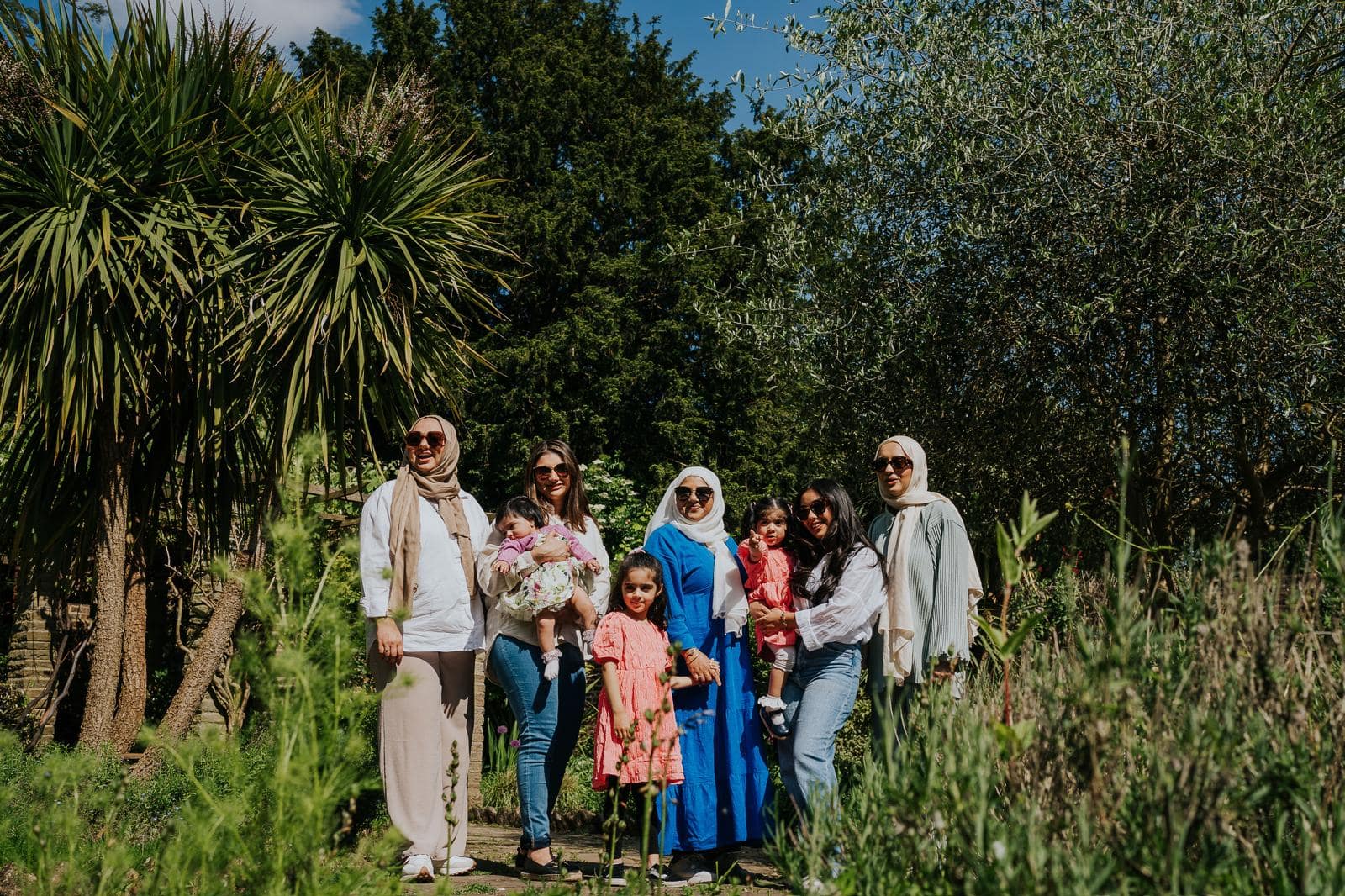
A move to London brought a degree of independence, allowing Zarina and her husband to establish their own flat. However, this new environment presented its own set of cultural and social pressures. Living with her husband’s extended Pakistani family, including an aunt, uncle, and grandparents, for a period, and later consistently hosting newly arrived relatives, meant Zarina was perpetually "busy cooking and cleaning." In many South Asian cultures, the cleanliness of the home and active contribution to family life are highly valued, often overshadowing the perceived "laziness" of a mother sitting to breastfeed. Her mother-in-law, despite having breastfed her own sons, couldn’t comprehend Zarina’s desire to nurse, comparing her unfavourably to another daughter-in-law who prioritized a "spotless house" over breastfeeding.
This pervasive cultural expectation, coupled with her husband’s concerns about their "skinny" children compared to larger relatives—leading to pressure for "bottle milk"—created a constant battle for Zarina. Her instinctive understanding of her baby’s need for touch and closeness clashed directly with the prevailing norms. The notion of "responsive feeding," where babies are fed on demand, was unknown to her; instead, she attempted to adhere to a rigid three-hourly schedule, mirroring her mother’s formula-feeding routine. This highlights a significant information gap and the challenge of decolonizing infant feeding practices from medicalized schedules back to biological norms. The UK’s National Health Service (NHS) now widely promotes responsive feeding, acknowledging its benefits for both mother and baby.
A Turning Point: Empowered by Knowledge and Community
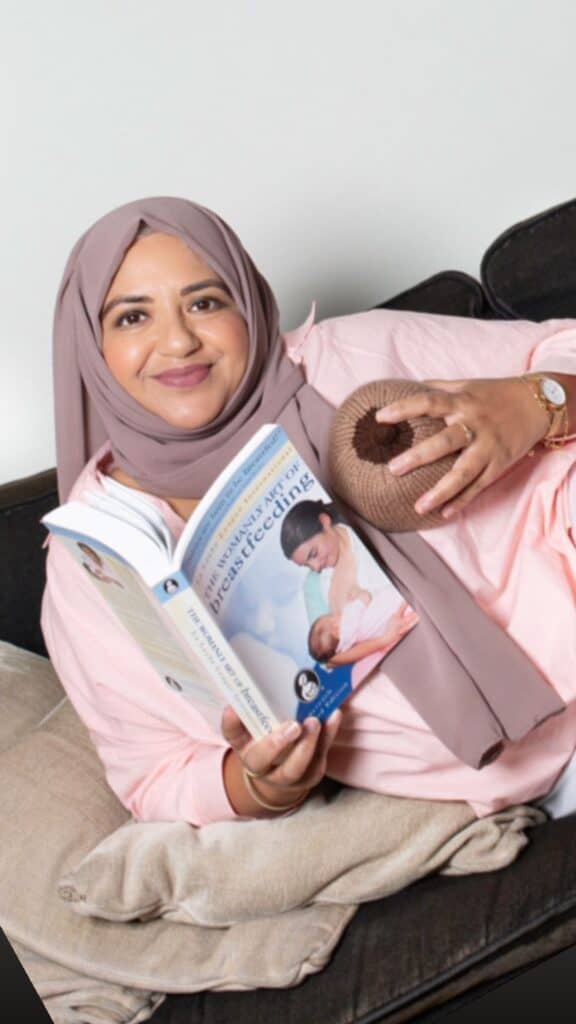
The birth of her third child marked a significant turning point in Zarina’s breastfeeding journey. Despite facing even greater domestic pressure with her mother-in-law and two brothers-in-law also living with them, she found an inner resolve. Her discovery of "The Womanly Art of Breastfeeding," a seminal text by La Leche League (LLL), proved transformative. Reading it "intensively for the whole nine months," she absorbed critical information that directly countered the misinformation she had received: "colostrum is not dirty, if you lose your milk, you can relactate…" This newfound knowledge empowered her, providing the confidence to resist external pressures. She breastfed her third child for two years, weathering numerous critical comments, demonstrating immense fortitude.
This experience underscores the vital role of accessible, evidence-based information in empowering mothers. Organisations like LLL, founded in 1956, have been instrumental in providing peer-to-peer support and accurate information, filling gaps often left by formal healthcare systems.
From Personal Struggle to Community Advocate: Bridging the Divide
Zarina’s personal struggles ignited a passion for advocacy. Just four weeks after her first child was born, she found herself supporting her sister-in-law with engorged breasts, recognizing a shared vulnerability in navigating a family environment unsupportive of breastfeeding. This early experience planted the seed for her future role as a peer supporter.
Her own journey to access support was not without cultural barriers. When her third baby developed mastitis, she cautiously attended an LLL group in Wimbledon. Being the "only woman wearing shalwar kameez," she felt "awkward and embarrassed," especially when attempting to feed in a longer top. This highlights a critical issue: while support groups aim to be inclusive, cultural nuances, such as modesty concerns prevalent in many South Asian communities, can create significant barriers to participation. The conventional setup of many breastfeeding groups may inadvertently deter women from certain cultural backgrounds who feel uncomfortable exposing themselves in a mixed-group setting.
It wasn’t until after her fifth child, born prematurely at 35 weeks with severe reflux, that Zarina finally found her pathway to formal advocacy. After receiving "poor advice" from a breastfeeding counsellor, she stumbled upon a local breastfeeding café advertising La Leche League’s 12-week peer supporter training course, run by the NHS. This moment was a revelation, affirming her long-held desire to "help other moms properly." Her graduation from the course, receiving a "pink knitted boob," symbolized not just a personal achievement but a commitment to a broader mission.
As a peer supporter for several years, Zarina often found herself as the "only Muslim peer supporter," highlighting the severe underrepresentation of diverse voices within these crucial support networks. She observed that "we very rarely saw any Asian women at the group we ran," emphasizing the need for supporters who can culturally resonate with mothers. This is not merely about language, but about understanding deeply ingrained cultural norms, modesty concerns, and family dynamics that influence feeding choices. Data consistently shows lower breastfeeding rates among South Asian communities in the UK compared to the general population, often attributed to a combination of cultural stigma, lack of appropriate support, and socioeconomic factors. For instance, a 2010 UNICEF UK study found that while 81% of white British mothers initiated breastfeeding, this dropped to 54% for Pakistani mothers and 35% for Bangladeshi mothers, underscoring the ethnic disparities in breastfeeding initiation and duration.
The Doula’s Mission: Culturally Competent Maternal Care
Today, Zarina works as a doula, providing crucial support during both birth and the postnatal period. Her extensive personal experience and peer support training have uniquely positioned her to address the nuanced needs of mothers, particularly those from ethnic minority backgrounds. She is actively involved in initiatives that seek to bridge these gaps, such as The Raham Project in Peterborough and the charity BLISS, focusing on neonatal intensive care units and premature babies. Her participation in such projects, where she shared her "painful" birth stories, underscores the emotional toll that unsupported maternal journeys can take and the importance of creating spaces for healing and advocacy. These collaborations represent a growing recognition within the healthcare sector of the need for culturally competent care and the integration of community voices in shaping maternal health policies.
A Legacy of Change: Intergenerational Impact and Broader Implications
Zarina’s decades of advocacy have had a profound and tangible impact, most notably within her own family. Her daughters, now grown with their own children, represent a stark contrast to her own early experiences. One daughter has breastfed her first child for two years, tandem-fed her first two, and is still nursing her youngest at eight months. This intergenerational shift, from a family where breastfeeding was fraught with cultural and systemic barriers, to one where it is normalized and celebrated, is a powerful testament to Zarina’s pioneering spirit. Even her husband, initially pressured by community norms, has learned to "talk openly about breastfeeding, periods, and so on," creating an environment where such topics are "normalised in our family." This influence has radiated outwards, impacting her children’s spouses and friends, fostering a more open and supportive dialogue around maternal health. The aspiration of her other daughters to explore home births, a "huge miracle in our community," further illustrates the transformative power of her advocacy.
Addressing Persistent Barriers and Future Directions
Despite significant progress, Zarina emphasizes that "there is still a lot of shame surrounding breastfeeding in the Asian community." Many families remain "quite prudish," leading to discomfort with public or even semi-public breastfeeding. She clarifies that this reluctance is largely cultural, not religious. "The Muslim faith teaches that the baby has a right to be breastfeed for however long they wish," she states, challenging the misconception that religious dogma prohibits extended breastfeeding or modest public feeding. The confusion between cultural conservatism and religious tenets often creates unnecessary barriers for mothers.
The challenge now lies in ensuring that South Asian women access available breastfeeding support as readily as other communities. The discomfort with "lifting up their tops in a room full of other people, even women," highlights the need for support models that are culturally sensitive, perhaps offering private spaces, one-on-one consultations, or women-only sessions. Building "relationships of trust" is paramount, requiring breastfeeding supporters who understand and respect diverse cultural contexts. Zarina’s story is a call to action for healthcare providers, policymakers, and community leaders to collaborate in demystifying breastfeeding, challenging cultural taboos, and ensuring that all mothers, regardless of their background, receive the informed, compassionate, and culturally appropriate support they deserve. Her continued advocacy through her doula work and participation in initiatives like the LLLGB Podcast, where she discusses the "ancient tradition of the first 40 days or the ‘fourth trimester’," reinforces the message that nurturing new mothers is a universal human imperative, benefiting not just individuals but entire communities.
