

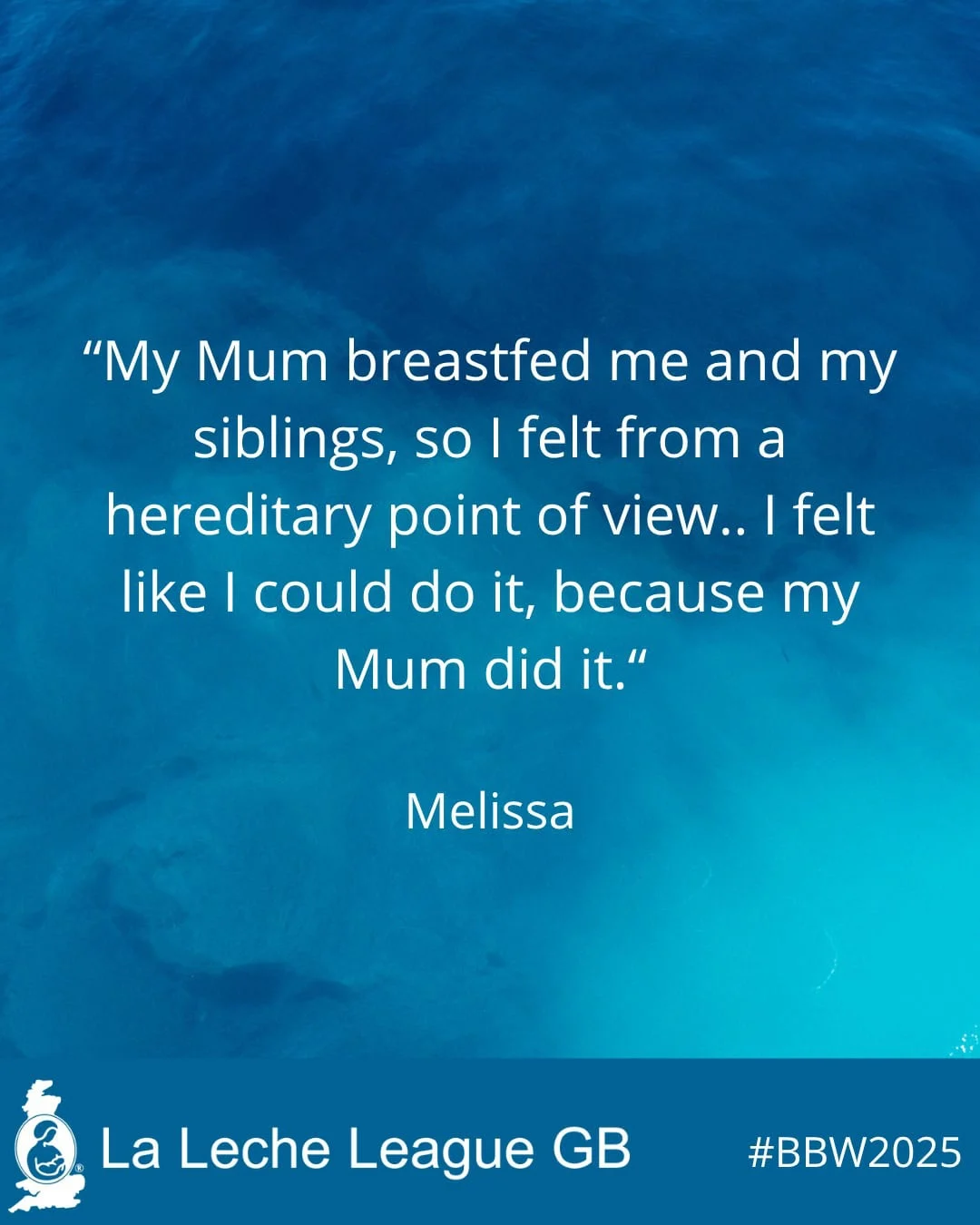
Black Breastfeeding Week, observed annually during the last week of August, stands as a critical initiative dedicated to elevating the voices and lived experiences of Black women in their breastfeeding journeys, a demographic whose narratives have historically been underrepresented and often overlooked. This dedicated week serves as a vital platform to celebrate, support, and advocate for Black mothers, recognizing the unique challenges and triumphs they encounter while fostering a sense of community and shared understanding. Its establishment underscores a broader movement towards health equity and cultural affirmation within maternal and infant care, pushing back against systemic barriers and historical complexities that have shaped Black women’s relationship with breastfeeding.
The profound significance of personal stories lies at the heart of organizations like La Leche League, where sharing individual experiences creates powerful connections within a global network of mothers and peers. These narratives are not merely anecdotes; they are crucial conduits for learning, mutual support, and validation, fostering an environment where no mother feels isolated in her journey. Melissa, a mother from London, exemplifies this ethos, generously sharing her insights into breastfeeding her five-month-old child through a series of reflective audio notes. Her willingness to recount her experiences, even amidst the everyday rhythm of settling her child to sleep, offers an invaluable glimpse into the realities of modern motherhood, particularly within the context of seeking and building a supportive community.
The Genesis and Rationale of Black Breastfeeding Week
Established in 2012 by a collective of Black maternal health advocates, public health professionals, and lactation consultants, Black Breastfeeding Week emerged from a pressing need to address persistent disparities in breastfeeding rates and support for Black mothers. For decades, national data, particularly in countries like the United States and the United Kingdom, revealed significantly lower rates of breastfeeding initiation and duration among Black women compared to their white counterparts. This disparity is not merely a statistical anomaly but a reflection of deep-seated historical trauma, systemic racism within healthcare systems, and targeted marketing practices by formula companies that disproportionately impacted Black communities.
Historically, the act of breastfeeding for Black women in many Western societies, particularly in the United States, was intertwined with the brutality of slavery, where enslaved Black women were often forced to wet-nurse the children of their enslavers, while their own infants were denied their mothers’ milk or even sold away. This legacy contributed to a complex and often painful relationship with breastfeeding, impacting intergenerational knowledge transfer and cultural perceptions. In the post-slavery era and throughout the 20th century, aggressive marketing of infant formula further eroded breastfeeding practices within Black communities, often positioning formula as a symbol of modernity or status, despite its documented health disadvantages compared to breast milk. Compounding these historical factors are contemporary issues such as a lack of culturally competent lactation support professionals, inadequate access to paid parental leave, inflexible workplace policies, and a pervasive lack of representation in mainstream breastfeeding campaigns. Black Breastfeeding Week directly confronts these issues by providing a dedicated space to celebrate Black breastfeeding, empower mothers, educate communities, and advocate for systemic change that prioritizes equity and access.
Melissa’s Journey: A Microcosm of Maternal Experience
Melissa’s reflections, captured candidly as she navigated the familiar ritual of soothing her infant, offer a powerful illustration of the contemporary Black breastfeeding experience. While the specific details of her audio notes are not transcribed, the questions posed to her illuminate common themes that resonate deeply with many mothers, particularly those from underrepresented communities.
Her inquiry into "Why does breastfeeding matter to you?" likely delved into the profound personal, emotional, and health benefits she attributed to the practice. For many mothers, breastfeeding is not just about nutrition; it fosters an unparalleled bond with their infant, provides a sense of accomplishment, and aligns with a desire to provide the best possible start for their child. Beyond the emotional connection, the widely documented health benefits for both mother and baby—reduced risk of chronic diseases for the mother and enhanced immunity and cognitive development for the infant—are powerful motivators.
The question "Prior to having your own children what was your perception of breastfeeding? Had anyone else breastfed in your family?" touches upon the critical role of intergenerational knowledge and societal norms. For many Black women, a lack of visible breastfeeding role models within their immediate families or communities can lead to misconceptions or a lack of understanding about the practice. The absence of a "breastfeeding culture" can mean mothers embark on their journey without the foundational knowledge or the informal support network that others might take for granted. This question implicitly highlights the importance of seeing one’s experiences reflected and validated within one’s own cultural context.
Similarly, "What were your friends’ and family’s attitude towards breastfeeding?" explores the immediate social environment. While some mothers are blessed with unequivocally supportive networks, others face skepticism, well-intentioned but misinformed advice, or even direct pressure to stop breastfeeding, particularly in public. This external pressure can be a significant barrier, undermining a mother’s confidence and making an already challenging journey feel isolating. The attitudes of those closest to a mother can profoundly impact her ability to continue breastfeeding successfully.
Melissa’s reflection on "What do you wish you had known before embarking on your feeding journey? What barriers did you face?" would undoubtedly resonate with a vast audience. Common barriers include initial latch difficulties, pain, concerns about milk supply, exhaustion, lack of sleep, societal judgment, and insufficient support from healthcare providers. Many mothers express a wish for more realistic preparation, emphasizing that while breastfeeding is natural, it is also a learned skill that can come with significant challenges. The lack of accurate, accessible, and culturally sensitive information prenatally is a consistent issue cited by new mothers.
Identifying "useful sources of help and support on your nursing journey" is crucial. This often points to the invaluable role of International Board Certified Lactation Consultants (IBCLCs), peer support groups, local La Leche League meetings, and online communities. For Black mothers, finding support that is not only expert but also culturally sensitive and affirming is paramount, as historical biases can sometimes make traditional healthcare settings feel less welcoming or understanding of their specific needs.
Finally, "How have you built your supportive community?" underscores the core message of Black Breastfeeding Week and the ethos of La Leche League. For many, the journey to motherhood, and particularly to breastfeeding, can be profoundly isolating. Actively seeking and cultivating a community of like-minded individuals, whether through in-person meetings, online forums, or advocacy groups, is vital for emotional well-being, practical advice, and sustained success. Melissa’s journey, though personal, serves as a powerful testament to the universal human need for connection and shared experience, particularly during transformative life stages.
Supporting Data: The Imperative for Change
The disparities that Black Breastfeeding Week seeks to address are stark and well-documented. In the United States, for instance, data from the Centers for Disease Control and Prevention (CDC) consistently show that while breastfeeding initiation rates have improved across all demographics, Black infants still have the lowest rates of ever being breastfed compared to white infants (73.3% for Black infants vs. 85.3% for white infants in 2018). Furthermore, Black infants are less likely to be exclusively breastfed for the recommended six months. Similar patterns, though with varying magnitudes, are observed in the UK, where data suggests persistent disparities in breastfeeding initiation and continuation, often linked to socioeconomic factors, access to support, and cultural perceptions.
These lower rates contribute to significant health disparities. Breastfeeding is a cornerstone of public health, offering protection against numerous acute and chronic diseases for both mother and child. Infants who are not breastfed have higher risks of respiratory infections, ear infections, gastrointestinal illnesses, sudden infant death syndrome (SIDS), obesity, and type 2 diabetes. Mothers who do not breastfeed have increased risks of certain cancers (breast and ovarian), type 2 diabetes, and cardiovascular disease. Therefore, addressing the barriers to breastfeeding for Black mothers is not just about personal choice; it is a critical public health imperative for reducing health inequities and improving long-term health outcomes for an entire demographic.
Key barriers identified in numerous studies include:
- Lack of workplace support: Many Black mothers, particularly those in low-wage jobs, lack adequate maternity leave, pumping breaks, or private spaces to express milk, making sustained breastfeeding exceedingly difficult.
- Aggressive formula marketing: Formula companies continue to target minority communities with marketing strategies that can undermine breastfeeding efforts.
- Systemic racism in healthcare: Experiences of discrimination, lack of culturally competent care providers, and insufficient access to lactation support in hospitals and clinics create significant hurdles. Many Black mothers report feeling unheard or dismissed by healthcare professionals.
- Cultural and historical factors: The historical trauma associated with wet-nursing, combined with a lack of intergenerational breastfeeding knowledge, can create a cultural landscape where breastfeeding is less normalized or even stigmatized.
- Socioeconomic disparities: Poverty, food insecurity, and limited access to healthcare resources disproportionately affect Black communities, further complicating breastfeeding journeys.
The Role of Advocacy and Official Responses
Organizations like La Leche League International and its national affiliates, such as La Leche League GB, play a pivotal role in supporting breastfeeding mothers globally. Their commitment to providing mother-to-mother support, accurate information, and community building is fundamental. In recent years, there has been a concerted effort within these organizations to enhance inclusivity, diversify leadership, and specifically address the needs of Black, Indigenous, and other mothers of color, recognizing that universal support must also be culturally specific. A spokesperson from La Leche League might emphasize their dedication to ensuring "every mother’s story is heard and valued, especially those from communities historically marginalized. Our goal is to create spaces where all mothers feel seen, understood, and empowered to achieve their breastfeeding goals."
Beyond La Leche League, numerous advocacy groups and public health initiatives are working to dismantle systemic barriers. The Black Mamas Matter Alliance, for example, advocates for policy change and investment in Black maternal health, including breastfeeding support. Public health officials increasingly recognize that achieving health equity necessitates targeted interventions that address the unique challenges faced by Black communities. Statements from public health bodies often underscore the importance of Black Breastfeeding Week as a catalyst for discussion, education, and policy reform, emphasizing the need for diverse lactation consultant workforces, anti-racism training for healthcare providers, and community-led initiatives.
Broader Impact and Future Implications
The ongoing celebration of Black Breastfeeding Week and the amplification of personal narratives like Melissa’s have far-reaching implications. Firstly, it contributes significantly to health equity by directly addressing a root cause of maternal and infant health disparities. By normalizing and celebrating Black breastfeeding, it encourages more mothers to initiate and continue breastfeeding, thereby conferring critical health benefits. Secondly, it fosters cultural affirmation and empowerment. For a practice that has been historically burdened with complex and painful associations for Black women, reclaiming and celebrating breastfeeding within their own cultural context is a powerful act of self-determination and healing. It builds confidence and pride, challenging negative stereotypes and promoting positive self-identity.
Thirdly, the emphasis on building a supportive community is vital. Motherhood can be isolating, and the specific challenges faced by Black mothers often exacerbate this. Initiatives that facilitate peer support, mentorship, and safe spaces for sharing experiences are indispensable for emotional well-being and sustained breastfeeding success. Lastly, Black Breastfeeding Week serves as a crucial platform for advocacy and policy change. By shining a light on disparities and barriers, it galvanizes calls for legislative action, increased funding for culturally competent support services, and reforms within healthcare systems to make them more equitable and responsive to the needs of all mothers.
The journey towards true equity in breastfeeding support is ongoing. It requires continuous effort from individuals, communities, healthcare systems, and policymakers. Melissa’s story, along with countless others, underscores that every voice matters, every experience contributes to a richer understanding, and every act of support builds a stronger, more inclusive future for Black mothers and their children. The invitation to share stories, whether through publications like Breastfeeding Matters or in community meetings, is not just a gesture; it is a fundamental pillar of this movement, recognizing that an individual’s narrative can be the catalyst for another’s triumph.
