

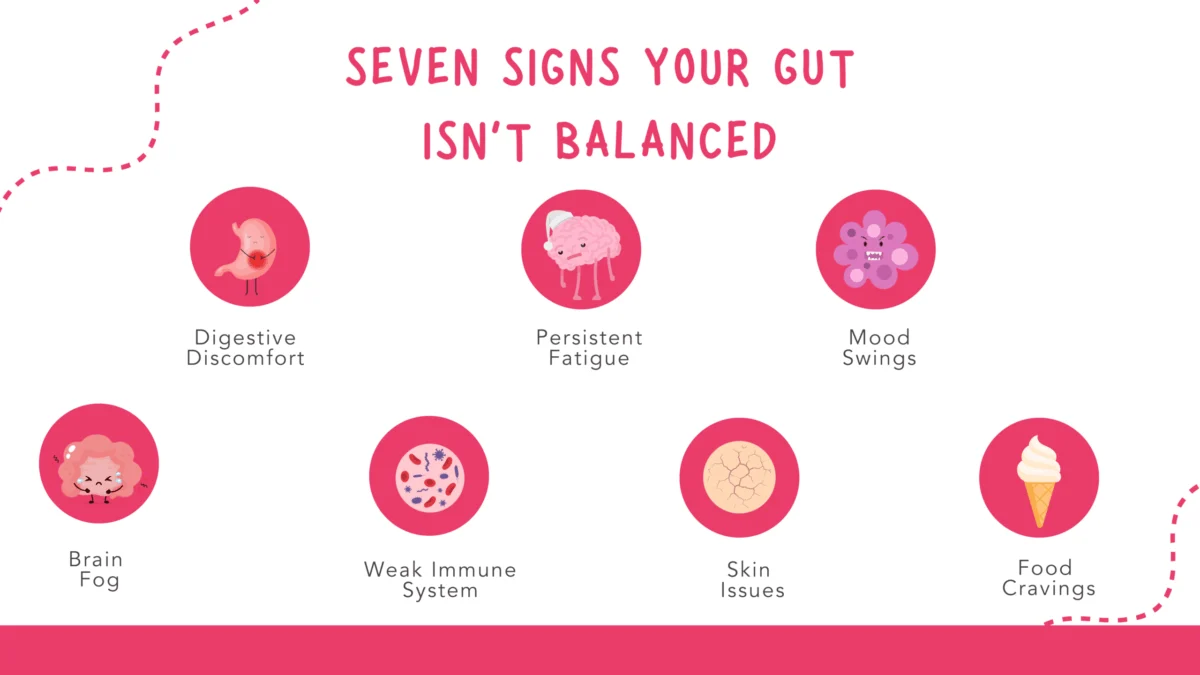
The human gastrointestinal tract, often referred to by researchers as the "second brain," houses a complex ecosystem of trillions of microorganisms known as the gut microbiome. This intricate network of bacteria, fungi, and viruses plays a fundamental role in systemic health, influencing everything from metabolic function to psychological well-being. However, modern dietary patterns, sedentary lifestyles, and the widespread use of antibiotics have led to an increase in gut dysbiosis—a state of microbial imbalance that can manifest through a variety of physiological and psychological symptoms. Clinical data suggests that maintaining a diverse and balanced microbiome is not merely a matter of digestive comfort but a cornerstone of preventative medicine.
The Physiological Indicators of Microbiome Dysbiosis
Identifying a gut imbalance requires a multi-faceted look at systemic health. While some symptoms are localized to the digestive tract, others appear in seemingly unrelated systems, such as the skin or the nervous system.
1. Chronic Gastrointestinal Distress
The most immediate indicators of dysbiosis are localized digestive issues, including persistent bloating, flatulence, constipation, and diarrhea. These symptoms often signal an inability of the gut to efficiently process nutrients or eliminate waste. Research indicates that such discomfort frequently stems from a lack of microbial diversity or an overgrowth of pathogenic bacteria. For instance, Small Intestinal Bacterial Overgrowth (SIBO) occurs when bacteria typically found in the colon migrate to the small intestine, leading to excessive gas production and nutrient malabsorption.
2. The Link Between Gut Health and Persistent Fatigue
Clinical observations have long noted a correlation between chronic fatigue and gastrointestinal disorders. A study published in the journal Nutrients highlighted that approximately 60% of individuals diagnosed with chronic fatigue syndrome also exhibit symptoms of Irritable Bowel Syndrome (IBS). This suggests that an inflamed or imbalanced gut may lead to systemic energy depletion, potentially due to the metabolic cost of maintaining a heightened immune response within the intestinal lining.
3. Neuropsychiatric Fluctuations and the Gut-Brain Axis
The gut-brain axis is a bidirectional communication network linking the enteric nervous system and the central nervous system. A significant portion of the body’s neurotransmitters is produced within the gut; notably, an estimated 95% of the body’s serotonin—a key hormone for mood regulation—is synthesized in the gastrointestinal tract. Consequently, an imbalance in gut flora can disrupt the production of these chemicals, leading to increased instances of anxiety, depression, and significant mood swings.
4. Metabolic Signaling and Food Cravings
The microbiome can influence host behavior by altering taste receptors and releasing signal molecules that induce cravings. An overabundance of certain yeast or sugar-loving bacteria can trigger intense cravings for processed carbohydrates and glucose. This creates a feedback loop: the consumption of sugar feeds the pathogenic bacteria, which then proliferate and demand more sugar, further displacing beneficial microbes.
5. Dermatological Manifestations
The "gut-skin axis" is a burgeoning field of dermatological research. Inflammatory skin conditions, including acne, eczema, and psoriasis, are increasingly linked to "leaky gut" syndrome—a condition where the intestinal barrier becomes permeable, allowing toxins to enter the bloodstream. This systemic inflammation often manifests on the skin, as the body attempts to expel impurities or reacts to circulating inflammatory markers.
6. Immunological Vulnerability
Approximately 70% to 80% of the human immune system resides in the gut. The microbiome serves as a training ground for immune cells, teaching them to distinguish between friendly commensal bacteria and dangerous pathogens. When the microbiome is compromised, the immune system may become sluggish or overactive, leading to frequent infections or the development of autoimmune responses.
7. Cognitive Impairment and "Brain Fog"
Cognitive functions, including focus, memory, and mental clarity, are deeply impacted by gut health. Inflammation originating in the gut can cross the blood-brain barrier, leading to neuroinflammation. This often results in "brain fog," a state of cognitive dysfunction characterized by confusion and a lack of mental acuity.
A Chronology of Microbiome Science and Research
The understanding of gut health has evolved significantly over the last century, moving from fringe observation to a central pillar of modern biology.
- Late 19th Century: Nobel laureate Ilya Metchnikoff first proposed that the consumption of fermented dairy products could "seed" the gut with beneficial bacteria, observing the longevity of Bulgarian peasants who consumed large amounts of yogurt.
- 1990s: The term "microbiome" gained scientific traction as researchers began to realize that microbes were not merely passive passengers but active participants in human physiology.
- 2007: The National Institutes of Health (NIH) launched the Human Microbiome Project (HMP). This landmark initiative sought to characterize the microbial communities found at several different sites on the human body and to analyze the role of these microbes in health and disease.
- 2010–2020: A decade of "Omics" research (genomics, proteomics, and metabolomics) allowed scientists to sequence the DNA of the microbiome, revealing that humans have more microbial genes than human genes.
- 2021–Present: Current research is focused on "Precision Nutrition," where dietary recommendations are tailored to an individual’s unique microbial profile to treat chronic conditions like Type 2 diabetes and obesity.
Supporting Data and Economic Impact
The prevalence of gut-related issues carries a significant economic and social burden. According to the American Gastroenterological Association, digestive diseases affect an estimated 60 to 70 million Americans. The annual cost of healthcare services and lost productivity related to gastrointestinal disorders in the United States exceeds $136 billion—more than the costs associated with heart disease or trauma.
Furthermore, the dietary fiber gap is a critical data point in the study of dysbiosis. While the Recommended Dietary Allowance (RDA) for fiber is approximately 25 to 30 grams per day, the average American consumes only 15 grams. This "fiber gap" is a primary driver of microbial extinction within the human gut, as beneficial bacteria rely on prebiotic fibers to survive and produce short-chain fatty acids (SCFAs), which protect the colon lining.
Clinical Perspectives and Industry Responses
Medical professionals are increasingly advocating for a "food-first" approach to gut health, though they acknowledge the role of targeted supplementation. Dr. Alessio Fasano, a world-renowned pediatric gastroenterologist and researcher, has pioneered the study of intestinal permeability, stating that the health of the gut barrier is fundamental to preventing systemic disease.
In response to these findings, the wellness industry has seen a surge in probiotic and prebiotic products. However, experts warn that not all supplements are created equal. The efficacy of a probiotic depends on its "survivability"—the ability of the bacteria to pass through the highly acidic environment of the stomach to reach the intestines. This has led to the development of shelf-stable, multi-strain formulas that include specific species like Lactobacillus rhamnosus and Bifidobacterium longum, which have been clinically shown to support immune and digestive health.
Evidence-Based Strategies for Microbiome Restoration
Restoring a compromised gut requires a multi-pronged approach involving dietary modification, lifestyle changes, and strategic supplementation.
The Role of Prebiotic Fiber
Prebiotics are non-digestible fibers that serve as "fuel" for beneficial bacteria. Emerging "superfoods" like the African Baobab fruit are gaining attention for their high prebiotic content. Baobab is rich in soluble fiber and antioxidants, providing a potent substrate for the growth of Bifidobacteria. Incorporating a variety of plant-based foods—such as artichokes, garlic, onions, and asparagus—ensures a diverse range of prebiotic sources.
The Integration of Fermented Foods
Fermentation is a traditional preservation method that naturally produces probiotics. Foods such as kimchi, sauerkraut, kefir, and kombucha introduce live cultures into the digestive system. Clinical trials have shown that a diet high in fermented foods increases microbial diversity and decreases molecular markers of inflammation.
Hydration and Mucosal Integrity
Water is essential for the production of the mucosal lining of the intestines. This lining acts as a physical barrier against pathogens. Proper hydration, supplemented with electrolytes like magnesium and potassium, ensures that the digestive tract remains lubricated and that the mucosal barrier remains intact.
Targeted Probiotic Supplementation
For individuals recovering from antibiotic treatments or those dealing with chronic dysbiosis, high-potency probiotics may be necessary. Modern formulations often provide 50 billion Colony Forming Units (CFUs) or more, utilizing delayed-release capsules to ensure delivery to the lower GI tract. These supplements are often categorized by "strains," with specific combinations targeted toward women’s health, immune support, or metabolic regulation.
Broader Implications and the Future of Healthcare
The shift toward microbiome-centered health represents a paradigm shift in medicine. Rather than treating symptoms in isolation, clinicians are looking at the gut as the root cause of systemic illness. The implications for the future are vast: from "psychobiotics" used to treat mental health disorders to personalized diets that can predict a person’s glycemic response based on their gut bacteria.
As the global population faces rising rates of autoimmune and metabolic diseases, the restoration of the human microbiome may be the most critical frontier in 21st-century healthcare. By prioritizing fiber intake, incorporating fermented foods, and utilizing high-quality supplements, individuals can take proactive steps to restore their internal ecology, leading to improved immunity, sharper cognitive function, and sustained vitality.
