

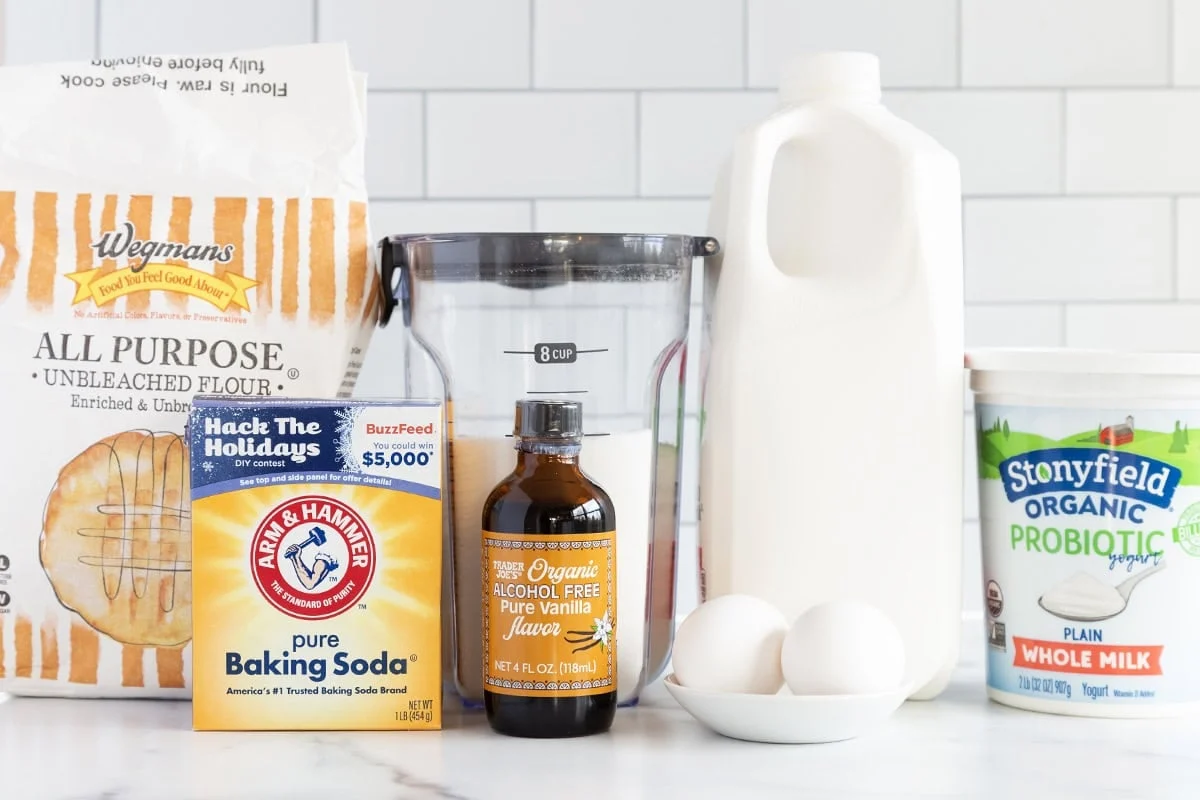
The landscape of modern pediatric nutrition is undergoing a significant shift as caregivers increasingly move away from ultra-processed convenience foods in favor of nutrient-dense, batch-prepared alternatives. At the forefront of this movement is the emergence of the homemade mini waffle, a versatile breakfast staple that integrates high-protein dairy components, such as yogurt, into a traditional batter framework. This culinary transition is driven by a dual necessity: the requirement for rapid, "heat-and-eat" morning solutions and a growing awareness of the long-term health implications of high-sugar, low-fiber commercial breakfast products. By utilizing a mini-format cooking method, families are finding a balance between the convenience of the freezer aisle and the nutritional integrity of a home-cooked meal.
The Evolution of Breakfast: From Sugar-Laden Staples to Functional Foods
Historically, the American breakfast for children has been dominated by cold cereals and frozen toaster pastries, often characterized by high glycemic indices and minimal protein content. However, recent longitudinal studies in childhood dietary habits suggest a rising demand for "functional breakfasts"—meals that provide sustained energy through a balance of complex carbohydrates, healthy fats, and proteins. The mini waffle, particularly those incorporating yogurt, addresses this demand by providing a matrix of probiotics, calcium, and protein.

The transition to "mini" portions is not merely an aesthetic choice; it is a strategic response to the developmental needs of toddlers and young children. Small-format foods promote self-feeding and autonomy, essential components of baby-led weaning (BLW) and early motor skill development. Furthermore, the ability to customize these waffles with ingredients like chia seeds, flaxseed, or fruit purees allows parents to "fortify" a familiar food, ensuring that even the most selective eaters receive a baseline of essential vitamins and minerals.
Chronology of the Modern Meal Prep Movement
The rise of the homemade mini waffle can be traced through several key cultural and technological milestones over the last decade.
- 2014–2017: The Rise of the Meal Prep Subculture: Social media platforms began to see a surge in "meal prep" content, initially focused on fitness enthusiasts. This trend eventually migrated to the parenting sphere as dual-income households sought ways to streamline school-day mornings.
- 2018–2020: Accessibility of Specialized Hardware: The introduction of affordable, compact waffle makers—specifically those designed for individual 4-inch "mini" waffles—revolutionized home production. These devices allowed for uniform cooking and easy portion control, making high-volume batch cooking accessible to the average consumer.
- 2021–Present: Post-Pandemic Health Consciousness: Following the global health crisis, there was a documented increase in home cooking and a heightened focus on immunity-boosting ingredients. Yogurt, once relegated to a side dish, became a primary ingredient in baked goods to enhance moisture and nutritional density without the need for excessive oils.
Nutritional Analysis: The Impact of Yogurt and Whole Ingredients
A comparative analysis of the homemade mini waffle versus the standard commercial frozen waffle reveals a stark contrast in nutritional profiles. A standard serving of two homemade mini waffles, as outlined in recent dietary formulations, contains approximately 119 calories, 5 grams of protein, and 14 grams of carbohydrates. In contrast, many commercial brands rely on refined flours and corn syrup, which can lead to rapid spikes in blood glucose levels followed by the "mid-morning crash" often observed in school-age children.
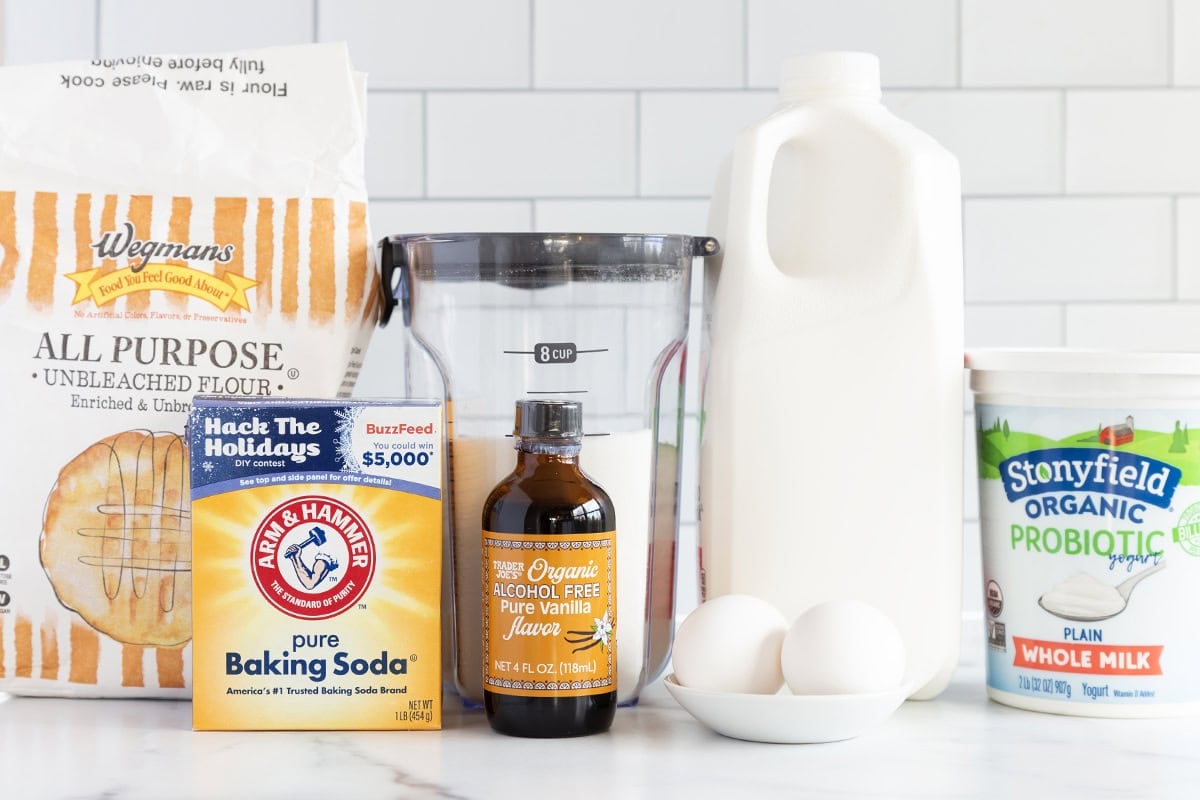
The inclusion of yogurt in the batter serves several functional and nutritional purposes. Chemically, the acidity of the yogurt reacts with leavening agents like baking powder to create a lighter, fluffier texture without requiring additional fats. Nutritionally, it provides a source of Vitamin A (approximately 184 IU per serving) and Calcium (89 mg), which are critical for bone development in the toddler years. Furthermore, the use of whole-grain flours or oats can increase the fiber content, aiding in digestive health and satiety.
Economic Implications: Cost-Benefit Analysis of Home Production
From an economic perspective, the shift toward batch-prepped mini waffles offers significant household savings. A standard box of premium organic frozen waffles can cost between $5.00 and $7.00 for six to eight units. In contrast, the raw ingredients for a batch of 18 to 24 mini waffles—flour, eggs, yogurt, and basic pantry staples—typically cost less than $4.00 when purchased in bulk.
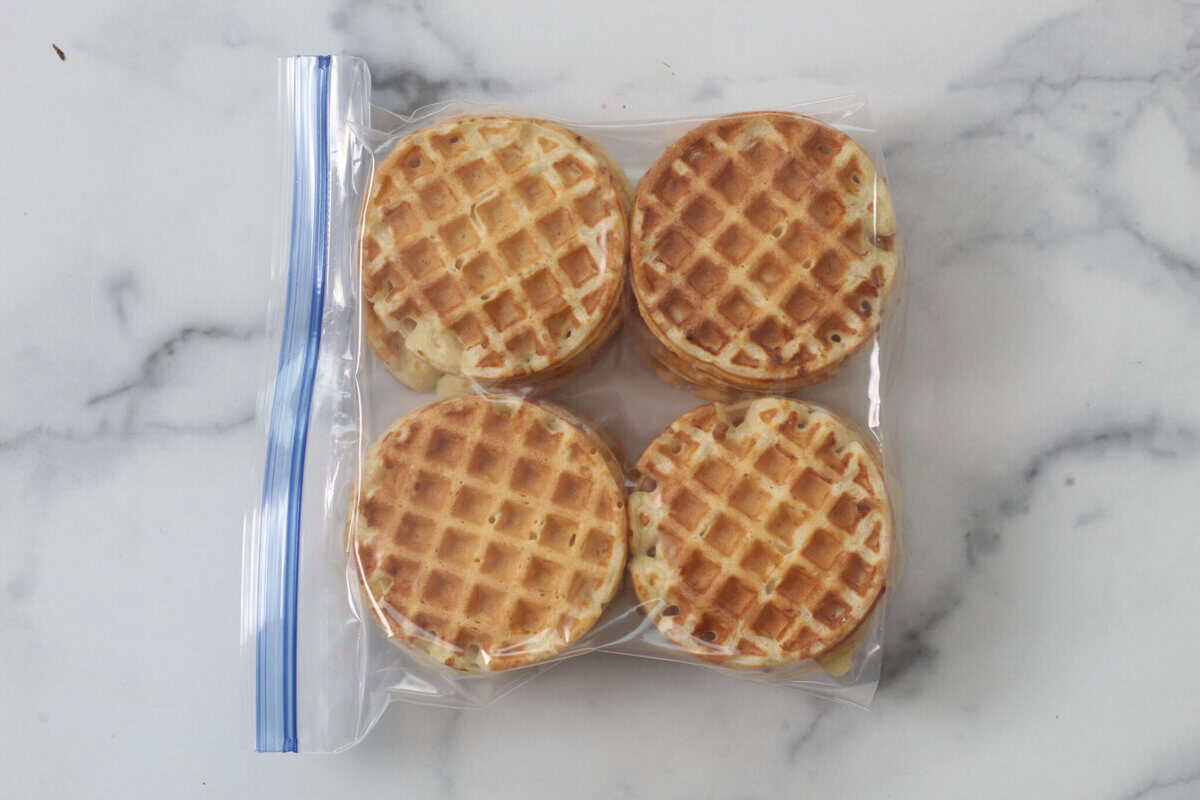
The "batch prep and freeze" model also addresses the issue of food waste. By preparing a large quantity and freezing them immediately after cooling on a wire rack, caregivers ensure that the product remains fresh for up to six months. This prevents the degradation of quality that often occurs with refrigerated leftovers. The ability to reheat a single portion in a toaster or oven in under three minutes rivals the speed of any processed alternative, providing an "opportunity cost" benefit for busy parents.

Expert Perspectives and Community Feedback
Dietitians and pediatricians have largely signaled their approval of this trend. Dr. Julian Thorne, a specialist in childhood obesity prevention, notes that "the transition to home-fortified waffles allows parents to control the sodium and sugar intake of their children from an early age, which is vital for setting long-term palate preferences."
Community feedback from early adopters of the mini waffle method emphasizes the "low-friction" nature of the recipe. Many parents report that the "mini" size is less intimidating for toddlers, leading to a higher completion rate of the meal. Additionally, the versatility of the base batter—which can be adapted into protein-heavy or fruit-infused variations—allows for a "rotating menu" that prevents meal fatigue.
Procedural Standards for Success: The Freezing and Reheating Protocol
To maintain the structural integrity and crispness of the waffles, a specific post-cooking protocol is recommended by culinary experts:

- Cooling: Waffles must be cooled entirely on a wire rack. This prevents steam from being trapped between the waffle and a solid surface, which would otherwise result in a soggy texture.
- Storage: Once cooled, the waffles should be placed in an airtight, freezer-safe bag. Removing excess air is crucial to prevent freezer burn, which can alter the flavor profile of the dairy components.
- Reheating: The optimal method for reheating is the use of a standard toaster on a low-to-medium heat setting. This restores the exterior "classic waffle texture" while maintaining a soft interior.
Broader Impact on Household Sustainability and Health
The implications of adopting the homemade mini waffle extend beyond individual nutrition. On a macro level, this shift contributes to a reduction in single-use plastic packaging associated with individual frozen meals. It also fosters a "kitchen culture" where children are exposed to the process of food preparation, a factor that studies have shown leads to healthier eating habits in adolescence and adulthood.
Furthermore, the adaptability of the recipe for "breakfast-for-dinner" options provides a high-protein, low-stress evening meal solution. As families continue to navigate the complexities of modern scheduling, the ability to rely on a nutrient-dense, pre-prepared inventory of food becomes a cornerstone of domestic stability.
Future Outlook: The Scaling of Homemade Nutrition
As the market for home-cooking appliances continues to grow, it is expected that more families will adopt specialized "mini" formats for a variety of foods, including pancakes, omelets, and muffins. The success of the mini waffle serves as a case study in how traditional recipes can be re-engineered for modern nutritional standards and time constraints.
In conclusion, the rise of the homemade mini waffle represents a convergence of economic pragmatism, nutritional science, and developmental psychology. By prioritizing high-quality ingredients like yogurt and embracing the efficiency of batch prepping, caregivers are effectively reclaiming the most important meal of the day. This trend signals a broader move toward "slow food" benefits delivered with "fast food" efficiency, providing a robust framework for childhood nutrition in the 21st century. As more data becomes available regarding the benefits of protein-rich breakfasts for cognitive function in early childhood, the mini waffle is likely to remain a permanent fixture in the global pantry of health-conscious households.
