

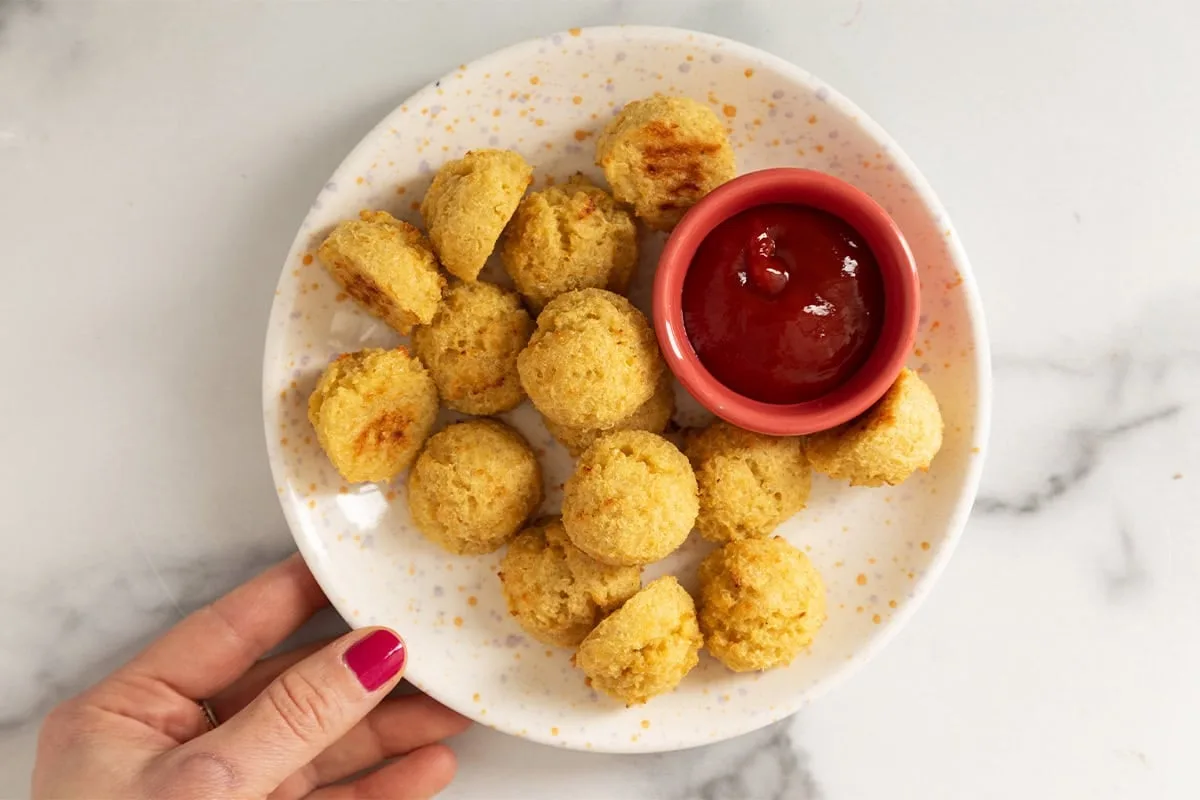
The rising demand for nutrient-dense, allergen-conscious, and cost-effective pediatric nutrition has led to a significant shift in home-meal preparation, exemplified by the emergence of Quinoa Bites as a staple in modern household menus. These finger foods, primarily composed of a quinoa and cauliflower base, represent a departure from traditional processed snacks by offering a profile rich in protein, dietary fiber, and essential iron. As parents increasingly scrutinize the ingredient lists of commercial "veggie tots" found in the freezer aisles of major grocery retailers, the transition toward homemade, batch-cooked alternatives has gained momentum. This trend is driven not only by a desire for improved nutritional outcomes but also by the economic necessity of navigating rising food costs.
The Quinoa Bite represents a culinary evolution from previous iterations of vegetable-forward snacks, such as broccoli bites and cauliflower-only tots. By integrating quinoa—a pseudocereal recognized as a complete protein containing all nine essential amino acids—the recipe addresses common nutritional gaps in early childhood diets. The incorporation of subtle Italian flavor profiles and high-moisture vegetables like cauliflower creates a texture that is crisp on the exterior and tender on the interior, a combination that pediatric feeding experts suggest is critical for sensory development and the reduction of food neophobia in toddlers.
Procedural Overview and Ingredient Composition
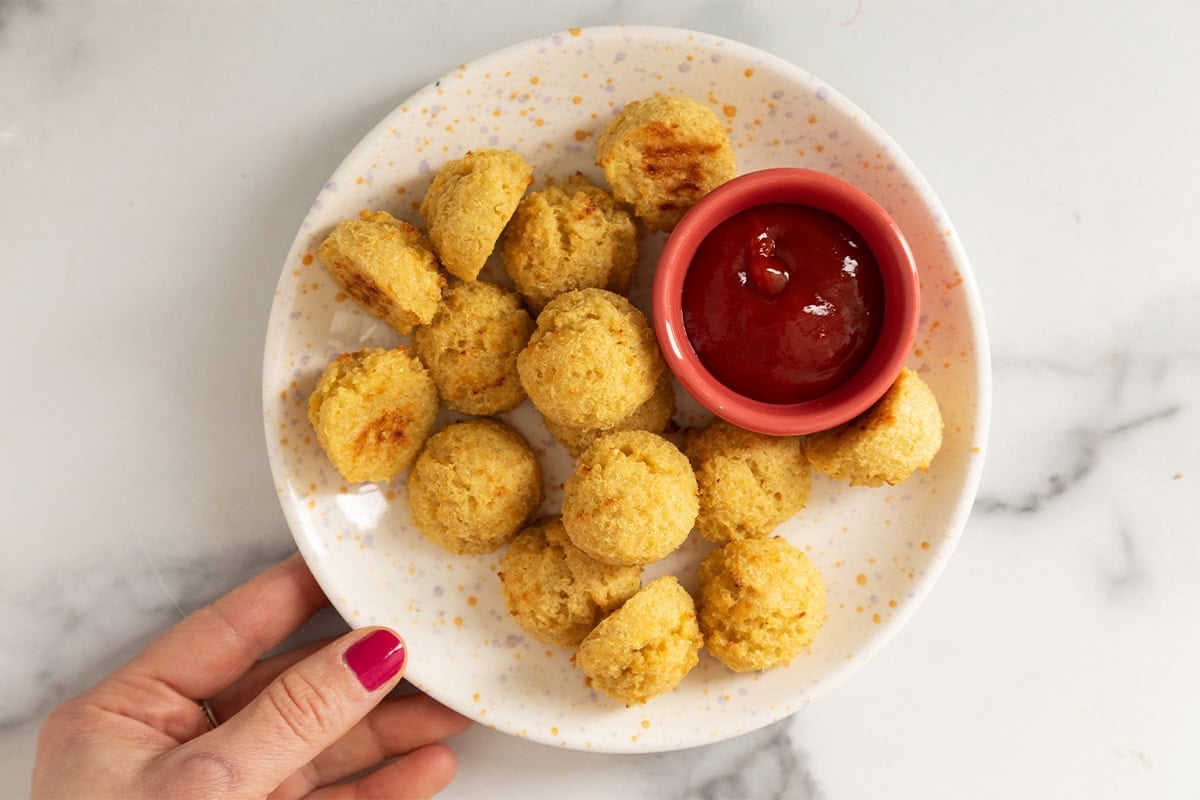
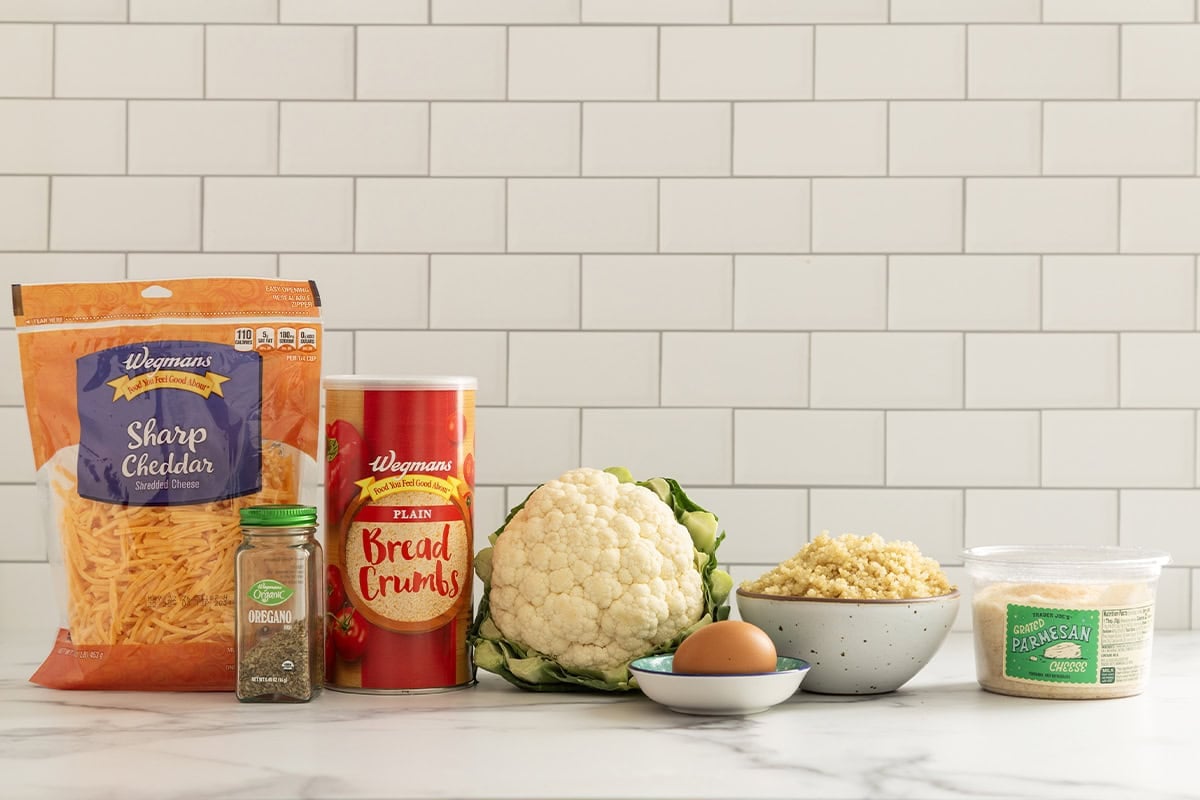
The production of these nutrient-dense bites involves a streamlined process designed for efficiency in a domestic setting. The core components include cooked quinoa and riced cauliflower, which serve as the structural foundation. To ensure proper binding and flavor enhancement, the recipe utilizes eggs, breadcrumbs (or almond meal for gluten-free variations), and a combination of shredded cheese and Parmesan.
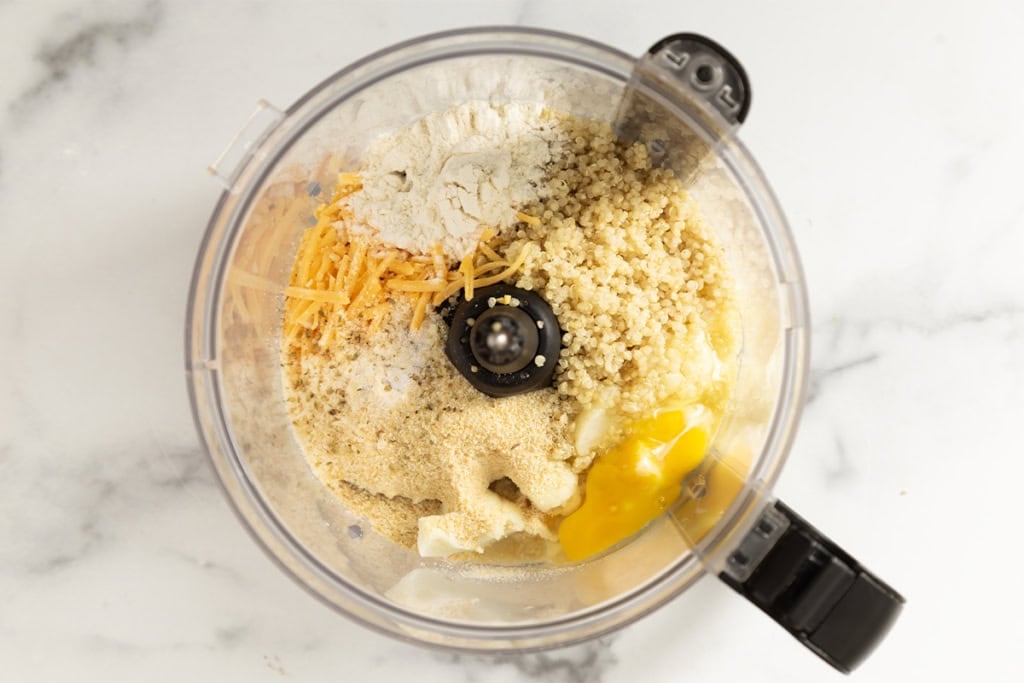
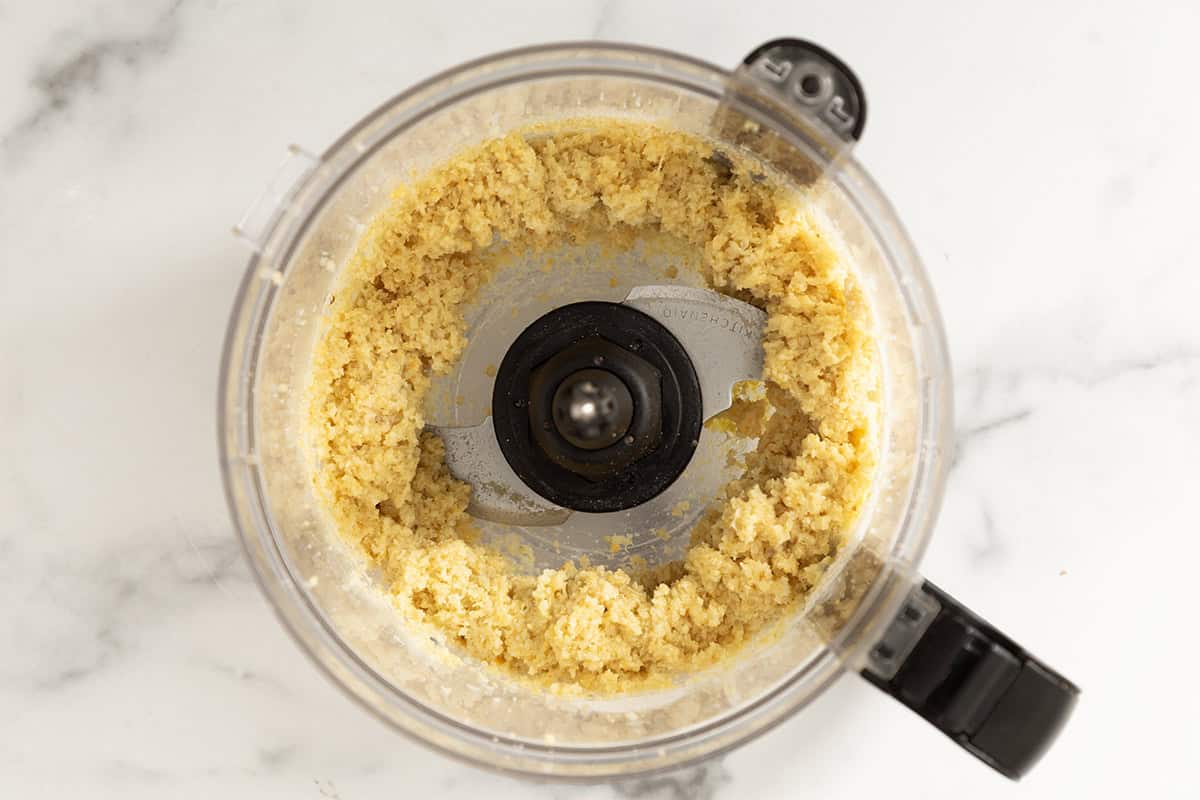
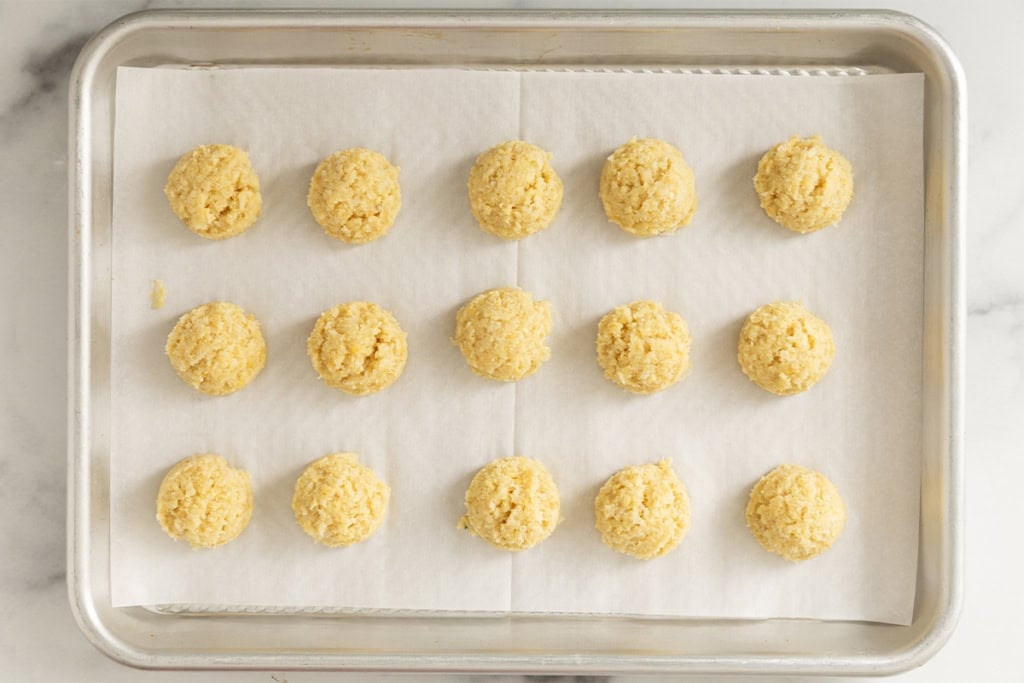
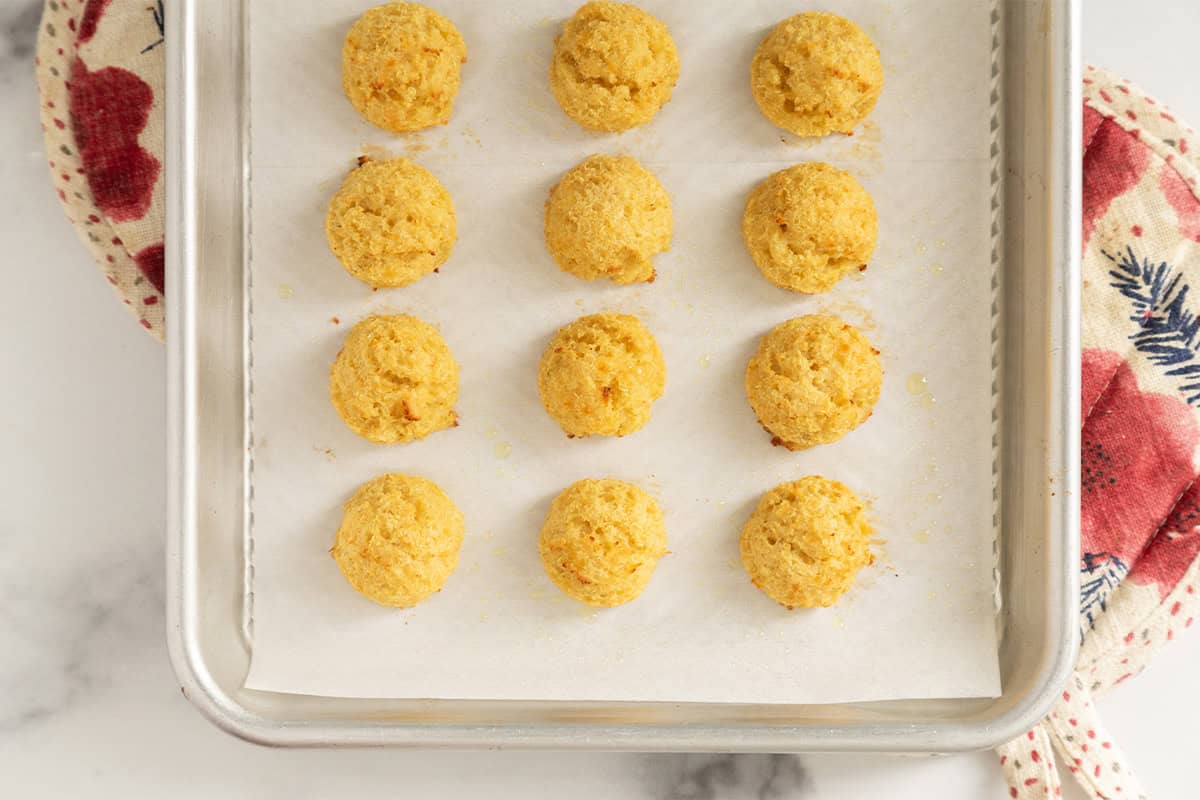
The preparation begins with the processing of cauliflower into a fine texture, which is then integrated with the remaining ingredients in a high-capacity food processor. This mechanical homogenization ensures that the batter achieves a consistency that allows for uniform portioning. Experts recommend the use of a mini ice cream scoop or standardized measuring spoons to ensure consistent baking times. The final stage involves baking the portions until a light golden-brown hue is achieved, often supplemented by a light application of olive oil to facilitate the Maillard reaction, which enhances both flavor and texture.
Nutritional Analysis and Data Supporting Homemade Alternatives
Quantitative analysis of the Quinoa Bite profile reveals a significant advantage over many mass-produced counterparts. A standard serving of approximately four bites provides 253 calories, 12 grams of protein, and 4 grams of dietary fiber. Crucially, the iron content stands at 3 milligrams, representing a substantial portion of the Recommended Dietary Allowance (RDA) for toddlers, which is approximately 7 milligrams per day for children aged one to three.
Comparative data indicates that many commercial veggie tots rely heavily on potato starch and sodium-heavy preservatives to maintain shelf stability and texture. In contrast, the homemade Quinoa Bite utilizes the natural moisture of cauliflower and the structural integrity of quinoa to achieve a similar mouthfeel without the need for synthetic additives. Furthermore, the sodium content in these homemade bites is significantly lower than that of processed alternatives, which often exceed 400-500 milligrams per serving, potentially contributing to long-term hypertensive risks if consumed regularly.
The Economic Context of the "Freezer Aisle Premium"
One of the primary drivers behind the adoption of homemade Quinoa Bites is the widening price gap between raw ingredients and branded "kid-friendly" convenience foods. Market research shows that pre-packaged vegetable nuggets and tots are often marketed at a premium, sometimes costing 200% to 300% more per ounce than the raw components required to produce them at home.
A head of cauliflower and a bulk bag of quinoa can produce multiple batches of bites, which can then be preserved through freezing—a method that retains nutritional integrity while offering the same convenience as store-bought options. This "batch cooking" strategy allows households to mitigate the impact of inflation on grocery budgets while maintaining high standards for pediatric nutrition. The ability to store these bites for up to a week in the refrigerator or up to six months in a freezer further enhances their value proposition for busy families.
Pediatric Feeding Perspectives and Sensory Development
Nutritionists and pediatricians have noted that the introduction of varied textures and "superfoods" like quinoa at an early age can have long-lasting effects on a child’s palate. The Quinoa Bite serves as an effective tool for Baby-Led Weaning (BLW) and transition feeding. Because the bites are easily graspable and possess a soft interior, they minimize choking risks while encouraging self-feeding autonomy.
Furthermore, the "hidden vegetable" strategy, while controversial among some child psychologists, is implemented here with a focus on flavor synergy rather than deception. The Italian seasoning and cheese components provide a familiar "umami" profile that eases the acceptance of cauliflower, a vegetable that can sometimes be rejected due to its sulfurous aroma when steamed alone. By roasting the cauliflower within the bite, the natural sugars caramelize, resulting in a more palatable experience for sensitive young taste buds.
Comparative Market Trends: The Rise of Plant-Based Toddler Foods
The popularity of Quinoa Bites mirrors a broader global trend toward plant-based and "clean label" eating. According to recent market reports, the global baby food market is shifting toward organic and minimally processed options. However, as the price of organic pre-packaged goods remains high, the "DIY" movement in the kitchen has seen a resurgence.
Quinoa, specifically, has seen a stabilization in price after a decade of volatility, making it a more accessible protein source for the average consumer. Its inclusion in toddler snacks aligns with the growing awareness of gluten sensitivities and the desire for "ancient grains" that offer more than just empty carbohydrates. The versatility of the recipe—allowing for dairy-free substitutions like nutritional yeast and non-dairy cheeses—further broadens its appeal to a diverse demographic of consumers with varying dietary requirements.
Chronology of Recipe Development and Adaptation
The evolution of the Quinoa Bite can be traced through several stages of culinary adaptation:
- The Traditional Nugget Era: Dominance of breaded chicken and potato-based snacks in the late 20th century.
- The Veggie Tot Introduction: Commercial brands begin introducing potato-cauliflower blends to appeal to health-conscious parents.
- The Superfood Integration: The rise of quinoa in the 2010s leads to its experimental use in binders for meatless patties and bites.
- The Current Standardization: The refinement of ratios (quinoa to vegetable to binder) to ensure that homemade versions do not crumble, a common failure in early iterations of the recipe.
Current standards emphasize the importance of grinding the batter to a specific point where it "starts to stick together," a technical nuance that ensures structural integrity during the baking and reheating processes.
Storage, Preservation, and Sustainability Implications
From a sustainability perspective, the production of Quinoa Bites at home contributes to a reduction in single-use plastic packaging associated with frozen convenience foods. Additionally, the recipe allows for the utilization of "ugly" produce or frozen cauliflower florets, which are often cheaper and reduce food waste at the retail level.
The technical aspects of storage are critical for maintaining the product’s quality. Scientific studies on food preservation suggest that removing as much air as possible from freezer bags prevents sublimation (freezer burn), which can degrade the texture of the quinoa. The recommendation to use an air fryer or toaster oven for reheating is based on the principle of rapid moisture evaporation, which restores the "crisp" exterior that is often lost during refrigeration.
Conclusion and Future Outlook
The Quinoa Bite phenomenon is more than a simple culinary trend; it is a reflection of a changing landscape in pediatric nutrition where health, economy, and convenience intersect. By leveraging the nutritional density of ancient grains and the versatility of cruciferous vegetables, parents are successfully challenging the dominance of the processed food industry.
As more data emerges regarding the importance of early nutritional intervention in preventing chronic diseases, the role of home-prepared, nutrient-rich snacks will likely continue to expand. The Quinoa Bite stands as a primary example of how informed consumers can utilize basic pantry staples to create high-value, functional foods that support the developmental needs of the next generation while remaining mindful of household fiscal constraints. The continued success of such recipes suggests a permanent shift in how modern families approach the "toddler dinner," moving away from the convenience of the box and toward the quality of the batch.
