

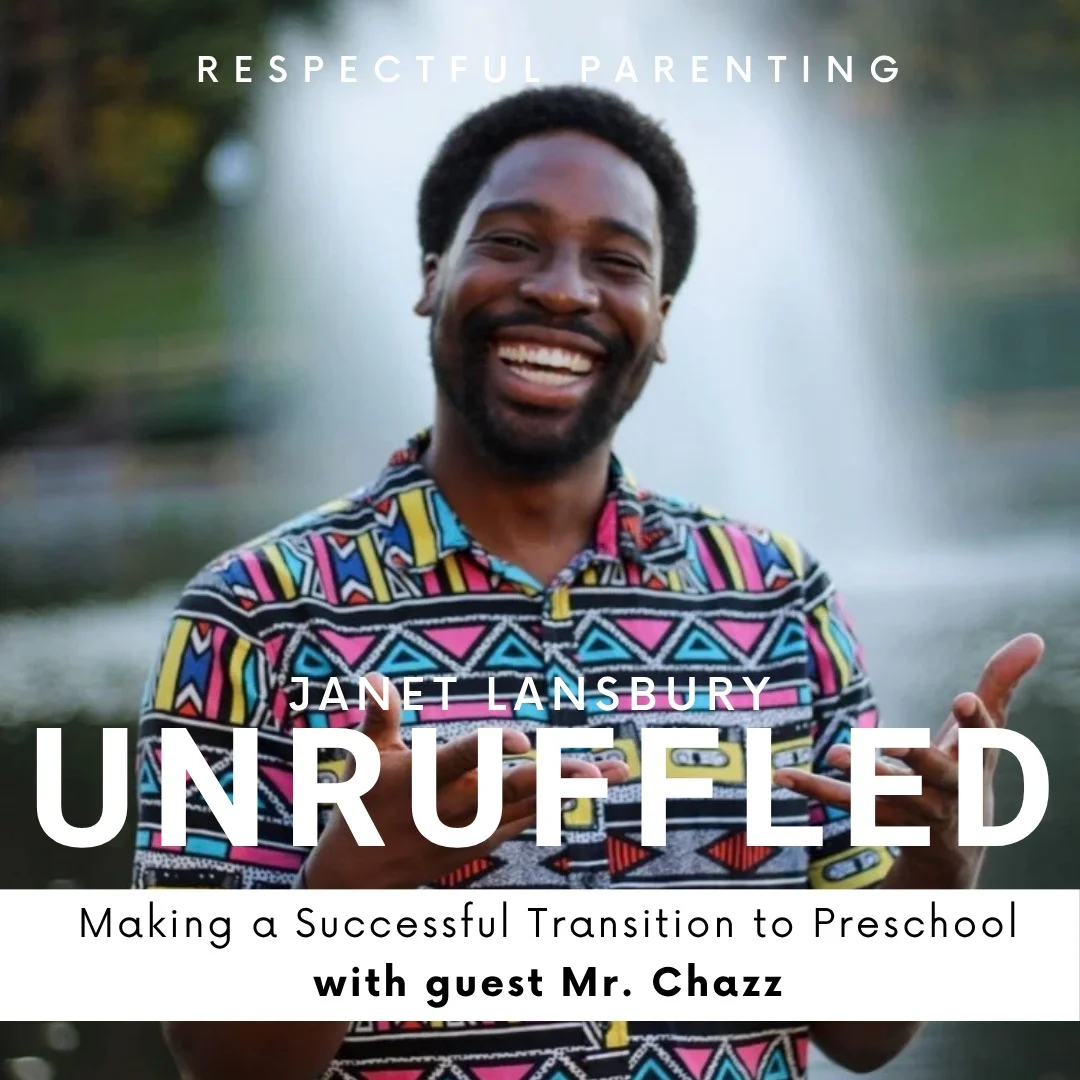
The critical period of a child’s transition into preschool or a new childcare setting is a focal point for parents and educators alike. In a recent discussion hosted by early childhood education advocate Janet Lansbury, renowned educator Mr. Chazz, celebrated for his engaging approach and significant online following, shared invaluable insights into fostering a smooth and positive adjustment for young children. His philosophy centers on building trust and nurturing a strong sense of connection, which are paramount for both children and parents navigating the often emotional process of separation and integration into a new learning environment.
Mr. Chazz, widely recognized as "America’s favorite teacher," brings a wealth of experience and a unique blend of charm and pedagogical expertise to the forefront of early childhood education. His work, amplified through platforms like TikTok and Instagram, and his podcast "Learning Curve with Mr. Chazz," has garnered a substantial following, underscoring his profound impact on how we understand and approach child development. Lansbury’s platform, dedicated to respectful and responsive parenting and teaching, provided a fitting venue for this timely conversation, especially as the academic year commences for many families.
The Genesis of Birdhouse: A New Model for Early Childhood Care
The discussion delved into Mr. Chazz’s ambitious new venture: Birdhouse, an in-home childcare and learning center established in Brooklyn. This innovative model aims to address systemic challenges within traditional childcare settings by prioritizing the well-being of both children and educators. A cornerstone of Birdhouse’s approach is the integration of its head teacher into the living space above the school. This unique arrangement, Mr. Chazz explained, alleviates financial burdens for educators, allowing them to move beyond a state of "survival" and fully engage their "prefrontal lobes" to care for the children. This echoes research highlighting the critical link between caregiver well-being and the quality of care provided. Studies by organizations like the National Association for the Education of Young Children (NAEYC) consistently emphasize that well-supported and adequately compensated early childhood educators are better equipped to provide nurturing and effective learning environments.
Lansbury noted the significance of this initiative in combating the high turnover rates prevalent in the early childhood education sector. High turnover, often attributed to low wages and inadequate support, disrupts the consistency and continuity of care that children need. By fostering a more stable and committed teaching staff, Birdhouse aims to create a secure and predictable environment, benefiting not only the children but also their families who seek reliable and nurturing care. Mr. Chazz’s philosophy here aligns with the understanding that investing in the workforce is a direct investment in the quality of early childhood services.
Redefining "Drop-off" and "Pick-up": Embracing "Arrival" and "Reunion"
A key area of focus in the conversation was the traditional process of "drop-off" and "pick-up" at childcare centers, which Mr. Chazz described as often resembling the hurried and impersonal act of "dropping children off like Amazon packages." He argued that these methods frequently prioritize adult convenience over the emotional needs of the child and the integrity of the educational environment.
At Birdhouse, this paradigm is deliberately shifted. The terms "arrival" and "reunion" are employed to signify a more intentional and connection-oriented process. The "arrival" period is designed as a deliberate integration into the classroom, allowing children and parents to connect, engage in preparatory activities like handwashing, and ease into the school day. This is a stark contrast to the rapid departures often seen, which can exacerbate separation anxiety.
The practical implementation of this involves a visual routine, often presented as a card with sequential steps. This visual aid helps children and parents understand the process, reducing uncertainty and fostering a sense of predictability. The steps typically include:
- A moment of connection: This could be a high-five, hug, or fist bump, individualized to each child’s preference. The emphasis is on a voluntary, non-forced interaction, respecting the child’s readiness.
- Putting away belongings: Children are guided to place their bags and coats in their designated hooks or cubbies.
- Transitioning to indoor wear: In urban settings like New York, removing outdoor shoes is a practical and hygienic step, reinforced by visual cues like shoe prints on the floor.
- Handwashing: This is often done collaboratively with parents, serving as a transitional activity.
- A final moment of connection: Before parting, a brief, meaningful interaction between parent and child is encouraged, whether a hug, a short game, or a shared quiet moment.
This structured yet flexible approach, Mr. Chazz emphasized, aims to build a foundation of safety and trust, enabling children to engage more readily in learning and play.
Building Connection and Trust: The Role of "Safekeepers"
Birdhouse’s staff are referred to as "safekeepers," a term that underscores their primary role in ensuring the emotional and physical security of the children. This nomenclature reflects a deeper commitment to building relationships based on trust and responsiveness.
When children first enter the environment, safekeepers are trained to be observant and non-intrusive. Instead of immediately pressuring children to engage, they wait for cues, noticing a child’s interests and offering support through shared observation or by providing a requested toy. This patient, child-led approach, Mr. Chazz explained, is crucial in establishing a sense of safety and being "seen and understood."
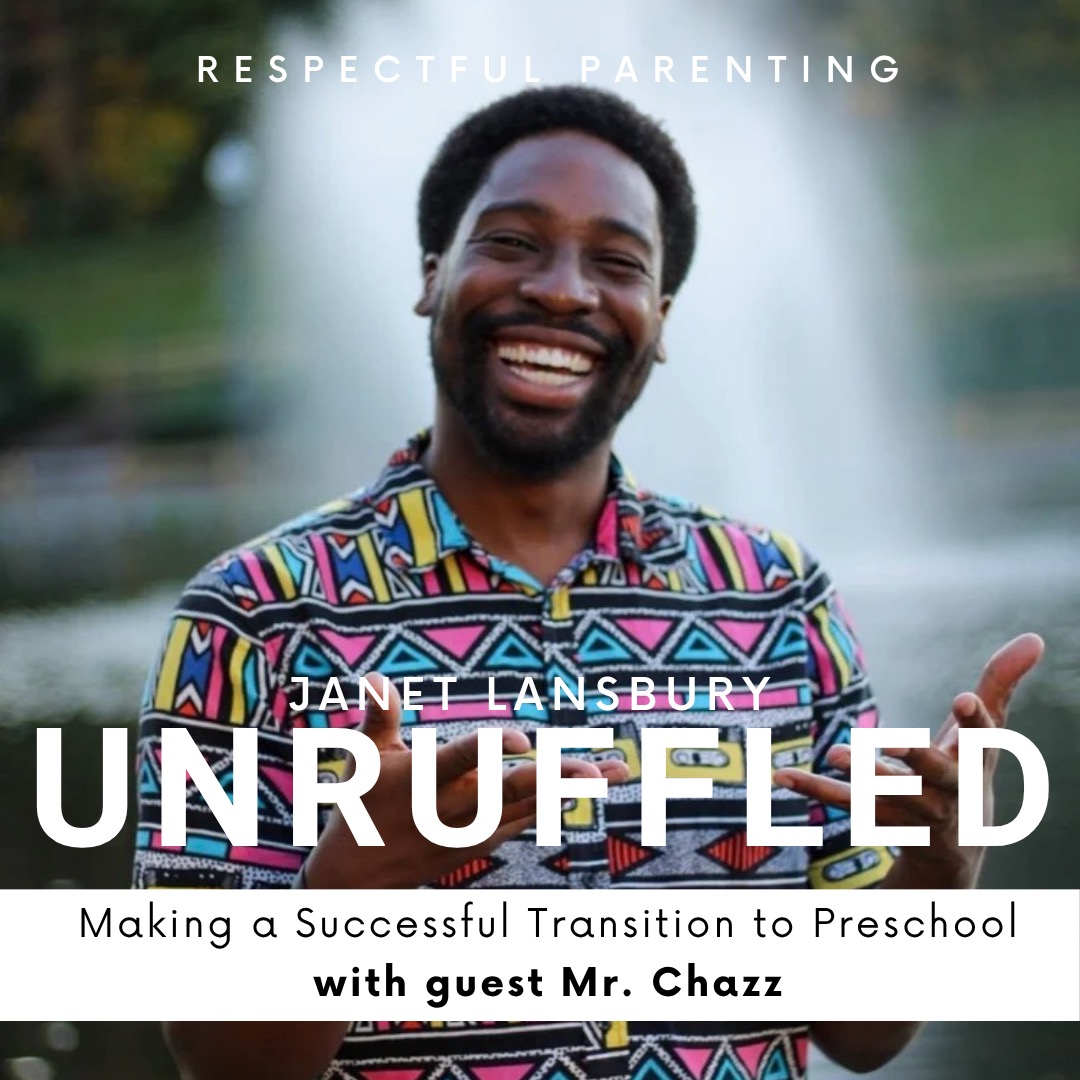
The use of cameras within Birdhouse is not for punitive measures but as a powerful tool for reflection and professional development. Footage can be shared with safekeepers to analyze interactions, identify areas for growth, and collaboratively refine their approaches. This commitment to continuous learning and self-reflection is vital for maintaining high standards of care.
Navigating Difficult Transitions and Big Emotions
The conversation acknowledged that even with the most thoughtful preparation, children will sometimes experience sadness or distress upon separation from their parents. Mr. Chazz shared a poignant anecdote about a child who cried throughout circle time, intensely missing their mother. The Birdhouse team’s response was not to suppress the emotion but to acknowledge it openly. When another child pointed out the crying, the safekeeper validated the child’s feelings, explaining, "Yes, so-and-so is having a hard time. He’s feeling sad because he’s really wanting his mom and he’s really missing his mom. Let’s all take a deep breath for so-and-so."
This approach, where the entire classroom community collectively breathes for the child experiencing distress, serves multiple purposes. It models empathy and emotional regulation for the other children, demonstrating that strong emotions are normal and can be navigated with support. It also implicitly teaches parents and educators that even in moments of difficulty, there are constructive ways to respond that foster connection rather than avoidance.
Mr. Chazz stressed that these challenging moments, while difficult, are potent learning opportunities. He advocates for a "helpful mindset" where educators and parents view these instances not as failures, but as chances to deepen understanding and build resilience. The key, he posits, is for caregivers to remain regulated themselves, allowing them to support the child’s emotional journey. This perspective challenges the common impulse to "fix" a child’s sadness, instead advocating for allowing them to process their feelings in a safe and supported environment.
Practical Strategies for Parents and Educators
For parents and educators in more traditional settings where extended stays might not be feasible, Mr. Chazz offered several practical strategies:
- Visual Routine Cards: Creating simple, step-by-step visual schedules can provide children with a clear roadmap for arrival and departure routines, reducing anxiety and fostering independence.
- Creating a "Picture Book" of the School: Parents can take photos of the school environment, the classroom, and teachers to create a personalized book that children can review to familiarize themselves with the setting and anticipate activities.
- Role-Playing Transitions: Before starting school, parents can engage in playful role-playing scenarios at home that simulate the arrival and separation process. This allows children to practice the routine and express any hesitations or concerns in a safe, low-stakes environment.
- Open Communication with Teachers: Providing teachers with detailed information about a child’s routines, preferences, and any potential sensitivities (e.g., naptime rituals, favorite toys) is invaluable. This collaborative approach helps educators get to know each child more deeply and quickly, especially in larger group settings.
The Importance of Caregiver Regulation and Belief
A recurring theme throughout the discussion is the profound impact of the caregiver’s own emotional state. Mr. Chazz emphasized that parents and educators often face internal struggles, grappling with guilt, self-doubt, or the perception of judgment when children experience distress. He encouraged them to acknowledge these thoughts and feelings but to let them pass, trusting in their own efforts and the support systems in place.
He also highlighted the power of belief – the conviction that a child can navigate the challenges of separation and adjust to a new environment, especially when supported by a nurturing and attuned caregiver. This belief, he suggested, is not only empowering for the adult but also implicitly communicates confidence to the child.
The concept of "This moment feels like this" was introduced as a way to accept the present reality without judgment or blame. This mindset shift allows caregivers to be more present and responsive, rather than reactive. Similarly, the understanding that a child’s strong emotions are a natural response to saying goodbye to a loved one, rather than a sign of weakness or fault, reframes the experience as a testament to the depth of their connection.
The Deep Rewards of Early Childhood Education
In concluding remarks, Mr. Chazz spoke passionately about his personal commitment to remaining in the classroom, even when opportunities for broader speaking engagements arise. He described the work as "emotional labor" but also as profoundly rewarding, offering a "mile deep" experience compared to a "mile wide." For early childhood professionals, he conveyed a message of solidarity and appreciation, acknowledging the inherent difficulties of the profession while underscoring its immense value and the deep fulfillment derived from nurturing young minds.
Janet Lansbury echoed these sentiments, drawing parallels to her own experiences and the continuous learning that early childhood work entails. The conversation served as a powerful reminder of the intricate, often unseen, work that goes into supporting children’s foundational years and the critical importance of fostering trust, connection, and understanding during these pivotal transitions.
