

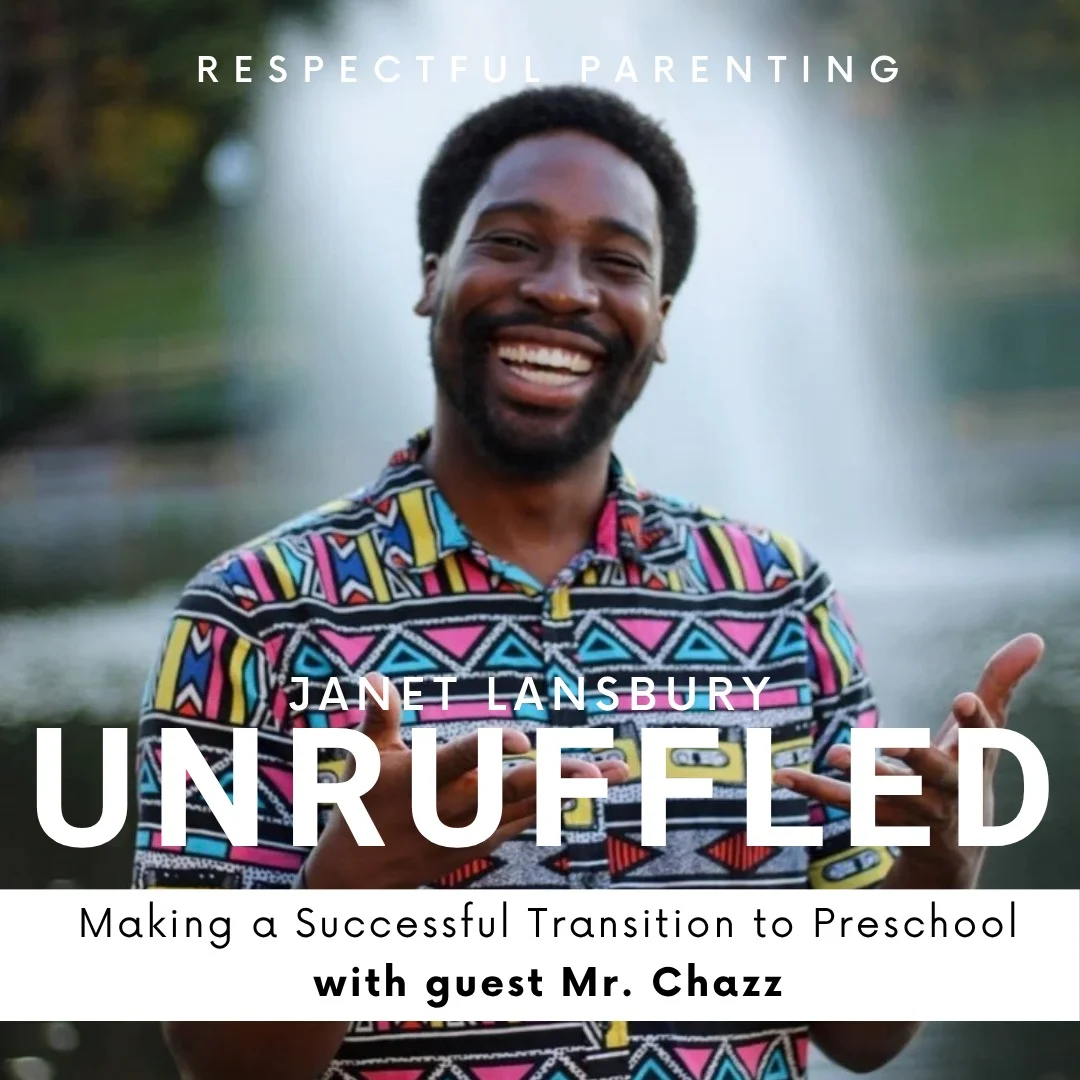
Iconic educator Mr. Chazz, renowned for his ability to connect with children and adults alike, recently shared his expertise on facilitating smooth transitions into preschool and childcare settings during a podcast interview with Janet Lansbury. The discussion, hosted on Lansbury’s platform, delved into practical strategies for parents and educators, emphasizing the crucial role of trust and sustained connection in fostering confident separation. Mr. Chazz, who has garnered a significant following on social media platforms like TikTok and Instagram, as well as through his podcast "Learning Curve with Mr. Chazz," highlighted his innovative approach at his new Brooklyn-based childcare center, Birdhouse.
The Birdhouse Philosophy: Prioritizing Educators and Connection
Mr. Chazz, affectionately dubbed "America’s favorite teacher," is not only known for his engaging presence but also for his profound commitment to understanding and nurturing child development. His venture, Birdhouse, aims to redefine early childhood education by addressing systemic issues that often hinder positive transitions. A cornerstone of this philosophy is the well-being of educators. At Birdhouse, the head teacher resides on-site, alleviating financial pressures and allowing them to dedicate their full attention to the children. This model, Mr. Chazz explained, directly combats the high turnover rates prevalent in the early childhood education sector, which often stem from inadequate compensation and support for staff. By ensuring educators feel cared for, Birdhouse fosters a more stable and committed environment, directly benefiting the consistency and emotional security children need.
"Any parent can very much relate that it is much harder to care for children when you are not cared for yourself," Mr. Chazz stated, underscoring the ripple effect of teacher well-being on child development and family dynamics. This approach is a significant departure from many traditional childcare centers where educators often operate under survival-level stress, impacting their capacity to provide optimal care.
Rethinking "Drop-off" and "Pick-up"
A significant portion of the discussion focused on transforming the often stressful "drop-off" and "pick-up" experiences into more supportive "arrival" and "reunion" rituals. Mr. Chazz criticized the common practice of quick, almost transactional separations, which can amplify anxiety for both children and parents.
"We often do things for the convenience of the adult rather than what’s best for the child or the teachers or even the family unit," he observed, pointing out that many current childcare practices prioritize adult efficiency over child-centered needs.
At Birdhouse, the arrival process is designed to be an integration into the school family. Parents are encouraged to engage in a brief period of connection with their child, which might involve a high-five, a hug, or a personalized greeting. This is followed by established routines, visually represented to assist both children and parents. These steps include putting away belongings, removing shoes to maintain a clean play environment, and washing hands. The emphasis is on creating a calm, connected entry into the school day, allowing children to transition more smoothly into learning and play.
This approach contrasts sharply with the hurried exits often seen in more traditional settings, where parents might feel pressured to leave quickly, potentially exacerbating a child’s distress. The concept of "arrival" signifies a deliberate and welcoming integration, fostering a sense of belonging from the outset.
Visual Routines and Play-Based Preparation
To support children in understanding and navigating the transition process, Birdhouse utilizes visual aids, such as a left-to-right routine card. This simple yet effective tool outlines the steps involved in the arrival process, empowering children with predictability. Mr. Chazz explained how children, over time, become adept at following these visual cues, fostering independence and reducing friction.
"Introducing it, I point to each thing like, ‘Oh, you’re here.’ The first thing we do is we greet each other and say hello," he described. "And then after about a week or so they’re coming in and we automatically greet each other and then kind of pointing, ‘Oh look, what’s next?’ And they’re going to it."
Beyond visual routines, Mr. Chazz advocates for play-based preparation. This involves parents role-playing the school day with their children at home, using stuffed animals to represent classmates and practicing the arrival and departure routines in a playful context. This rehearsal allows children to anticipate the sequence of events and express any anxieties they might have in a safe, simulated environment.
"It’s kind of like the practice before the game," Mr. Chazz noted. "It’s going to be harder to execute the play if it’s my first time ever seeing the play or hearing the play. Rather than if I’ve been rehearsing the play over and over and over again, even in an emotional moment, it’ll be easier for me to know what to do next."
This proactive approach helps demystify the school environment and prepares children emotionally and practically for separation, making the actual transition less daunting.
Navigating Difficult Emotions: Acknowledging and Regulating
Mr. Chazz acknowledged that even with the most thoughtful preparation, some children will still experience distress upon separation. He emphasized the importance of acknowledging these emotions rather than dismissing or suppressing them. In cases where children cry, educators at Birdhouse are trained to be present, offering comfort and support without forcing interaction.
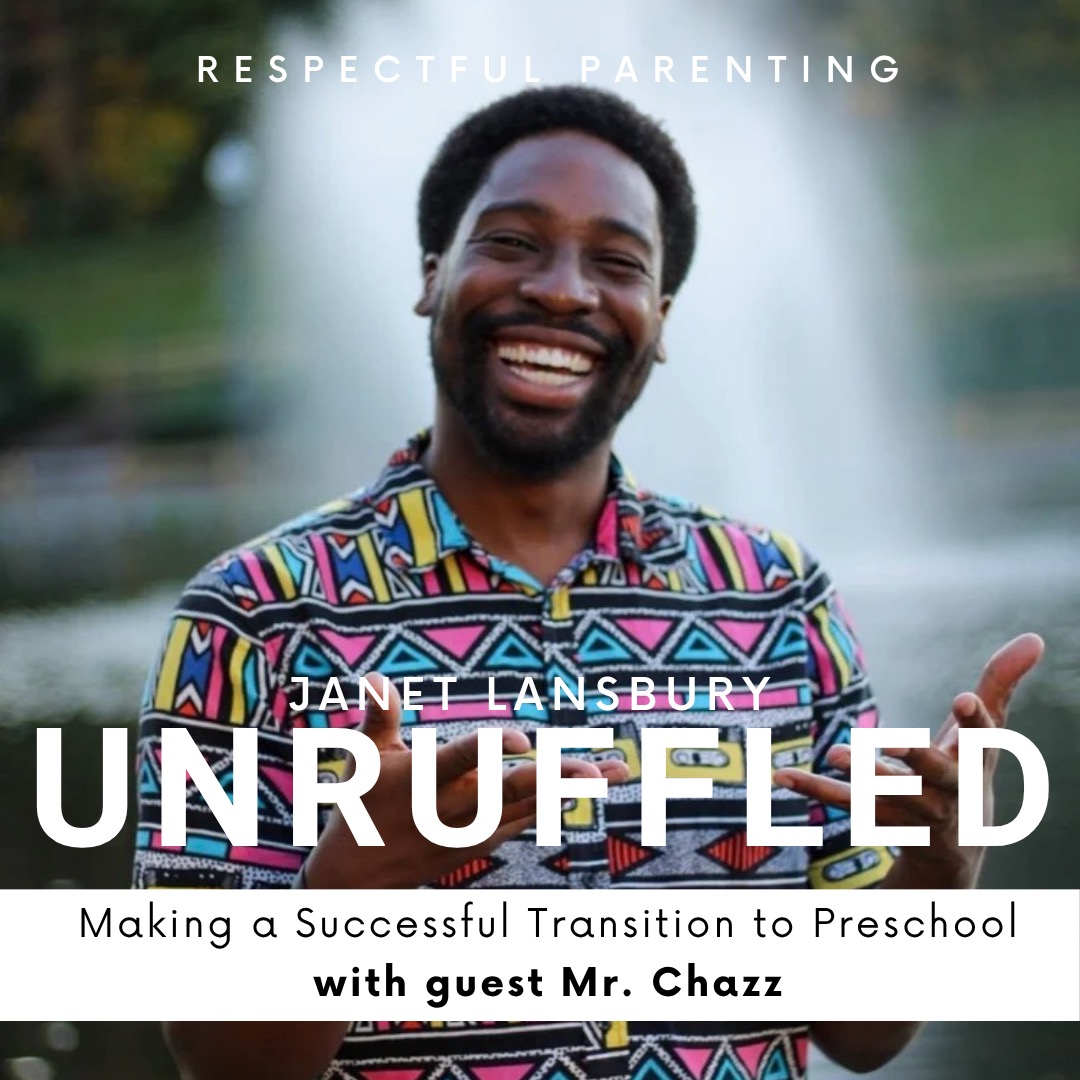
"The difference is that the child cries and they often come to us for comfort and safety and we’re able to help them work through that because they already feel safe and connected with us," he explained.
A powerful anecdote shared during the interview illustrated this point. When a child was crying throughout circle time, the educators acknowledged the child’s feelings openly. "Yes, so-and-so is having a hard time. He’s feeling sad because he’s really wanting his mom and he’s really missing his mom. Let’s all take a deep breath for so-and-so," the teacher reportedly said. This communal acknowledgment helped the other children learn about emotional regulation and fostered a supportive atmosphere.
This approach aligns with developmental psychology research indicating that children need to feel their emotions are seen and validated to effectively process them. The concept of co-regulation, where adults help children manage their emotions, is paramount in these situations.
The Role of Observation and Teacher Training
Mr. Chazz highlighted the use of cameras not for disciplinary purposes, but as a powerful tool for reflection and professional development among educators. These recordings allow teachers to analyze interactions, identify moments of connection, and learn from any missteps. This continuous learning cycle is crucial for fostering a highly attuned and responsive teaching staff.
"We use cameras as reflection, as really powerful learning opportunities," he stated. "Often I will go back if there was a moment I think would be helpful for my other safekeepers to see, I’m able to go back to that time and send it to our little group chat that we have and we have these conversations about it."
This emphasis on reflective practice, coupled with a hiring philosophy that seeks out individuals already inclined to view situations from a child’s perspective, creates a strong foundation for effective teaching. The use of the term "safekeepers" over "teachers" further underscores the nurturing and protective role envisioned for the staff.
Addressing Parental Concerns and Building Trust
The interview also touched upon the anxieties parents often experience during separation. Mr. Chazz stressed the importance of clear communication and consistent practice to build parental trust in the school’s ability to care for their child.
"Even with all this lead-up, I’m not going to sit here and tell you that when parents leave that the child doesn’t sometimes cry," he admitted. "The difference is that the child cries and they often come to us for comfort and safety and we’re able to help them work through that because they already feel safe and connected with us."
For parents who may feel guilt or self-doubt when their child is upset, Mr. Chazz offered reassurance. He emphasized that a child’s sadness during separation is a natural response to loving their primary caregivers deeply, not a reflection of parental failure. This perspective reframes separation as an opportunity for children to develop resilience and trust in other supportive adults.
The Deep Reward of Classroom Teaching
Mr. Chazz concluded by reflecting on his decision to return to direct classroom teaching at Birdhouse, a choice he finds profoundly rewarding despite the emotional labor involved. He contrasts this "mile deep" engagement with the "mile wide" approach of extensive speaking engagements.
"There’s absolutely nothing more rewarding than being with my kids day in and day out and supporting them and practicing my skills and supporting the parents and teaching the parents," he declared. This dedication underscores the belief that deep, consistent engagement with children is the most impactful way to contribute to their development and well-being.
Janet Lansbury echoed these sentiments, sharing her own deep connection to teaching and the continuous learning that arises from working with young children. The conversation served as a powerful reminder of the profound impact of skilled, empathetic educators and the importance of creating environments that prioritize connection, trust, and the well-being of both children and the adults who care for them. The principles discussed offer a roadmap for reimagining early childhood education, fostering more positive and supportive transitions for all involved.
