

The landscape of seasonal confectionery is undergoing a significant shift as consumers increasingly prioritize nutritional density and ingredient transparency over traditional mass-produced options. This movement is exemplified by the rise of homemade nutritional alternatives to iconic snacks, such as the recently popularized five-ingredient peanut butter egg. This culinary development offers a streamlined ten-minute preparation method that replicates the profile of commercial products like Reese’s Peanut Butter Eggs while strategically reducing added sugars and increasing protein content. As the spring season approaches, these "better-for-you" (BFY) alternatives are gaining traction among health-conscious families and individuals seeking to balance tradition with modern dietary standards.
The Evolution of the Seasonal Snack: From Commercial Staples to Home Innovations
The development of the modern peanut butter egg recipe is rooted in the broader trend of "edible cookie dough" adaptations. Historically, seasonal candies have been defined by high glycemic indices and ultra-processed ingredient lists. However, contemporary culinary researchers and home chefs have identified a demand for snacks that maintain the nostalgic flavor profiles of the 20th century while utilizing whole-food components.
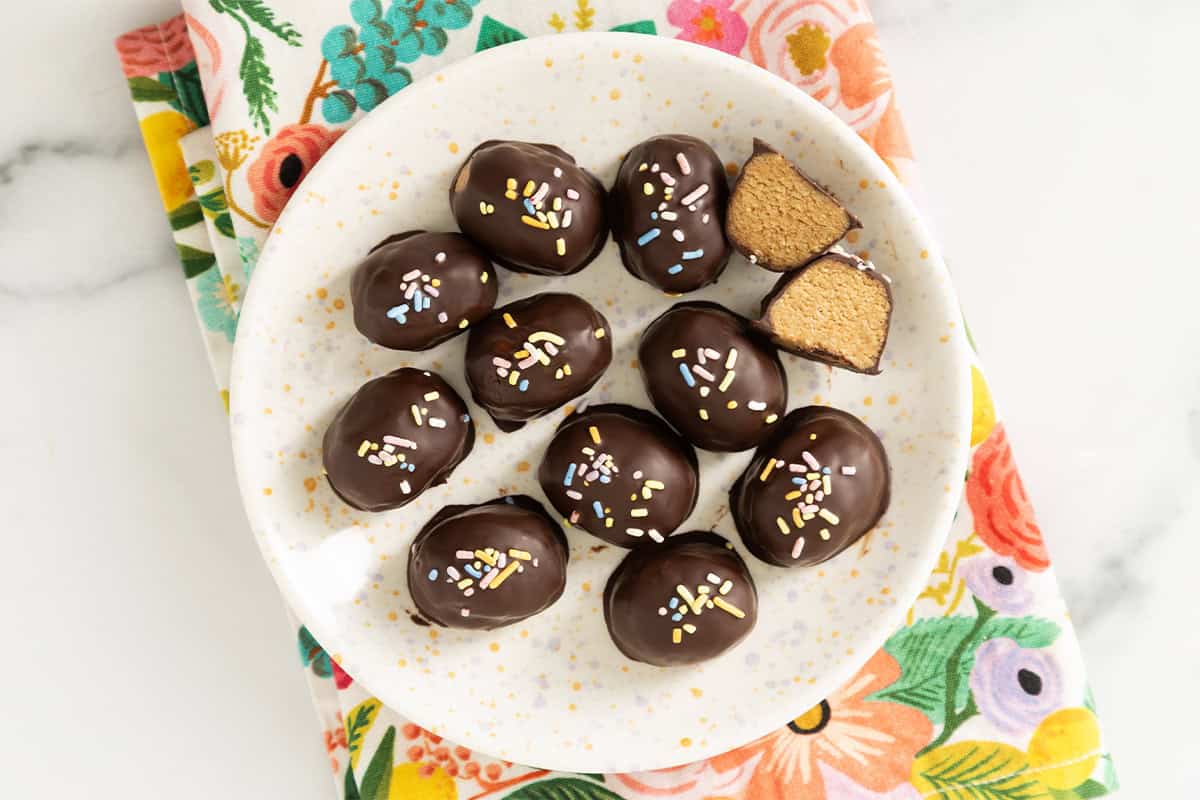
The chronology of this specific recipe’s development reflects a logical progression in food design. It began with the stabilization of edible cookie dough—a product that removed the risks associated with raw eggs and untreated flour. From this foundation, culinary developers integrated high-protein nut butters and natural sweeteners to create a moldable base. The final iteration, designed specifically for the spring holiday season, involves shaping this nutrient-dense dough into ovals and utilizing a flash-coating of dark or milk chocolate. This process represents a shift from "fussy" multi-stage baking to efficient, no-bake assembly, catering to the time-constraints of the modern household.
Nutritional Analysis and Market Context
The shift toward homemade seasonal treats is supported by significant data regarding consumer behavior and nutritional requirements. According to market research, the "Better-for-You" snack category has seen a compound annual growth rate (CAGR) of approximately 5.2% over the last five years. Consumers are increasingly wary of the "Big Candy" industry, which often relies on high-fructose corn syrup, TBHQ (tertiary butylhydroquinone), and artificial flavorings.
A comparative analysis of the homemade peanut butter egg versus the industry standard reveals a stark contrast in nutritional efficiency:
| Nutrient | Homemade Peanut Butter Egg (1 serving) | Standard Commercial PB Egg |
|---|---|---|
| Calories | 133 kcal | ~170 kcal |
| Protein | 4g | 2g |
| Sugar | 6g | 16g – 18g |
| Fiber | 1g | <1g |
| Added Sugar Source | Honey/Maple Syrup | High Fructose Corn Syrup/Sucrose |
The homemade variant provides double the protein and nearly one-third of the sugar found in traditional options. Furthermore, the inclusion of 4g of protein per 133-calorie serving qualifies the snack as a functional food rather than empty calories, providing more sustained energy levels and reducing the "sugar crash" often associated with holiday festivities.
Technical Methodology and Culinary Science
The success of the five-ingredient peanut butter egg relies on the specific interaction between lipids and natural binders. The preparation follows a rigorous four-step protocol designed for maximum efficiency:
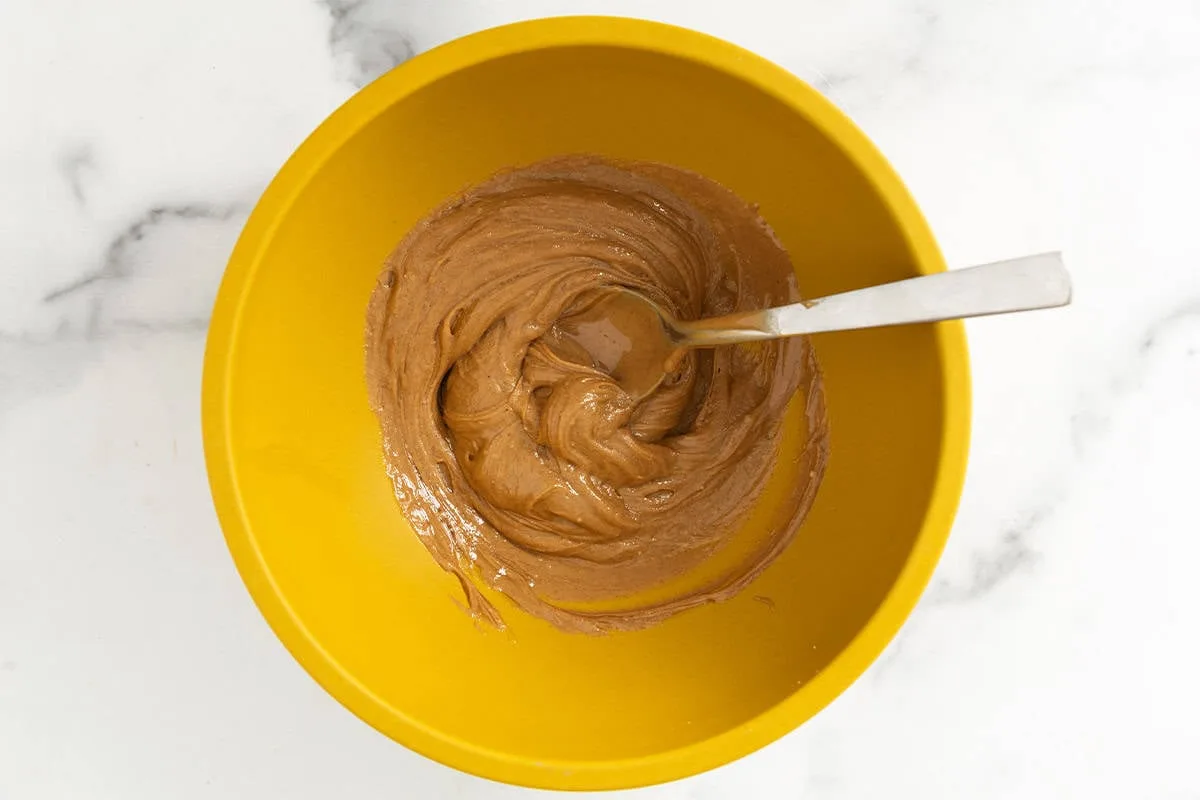
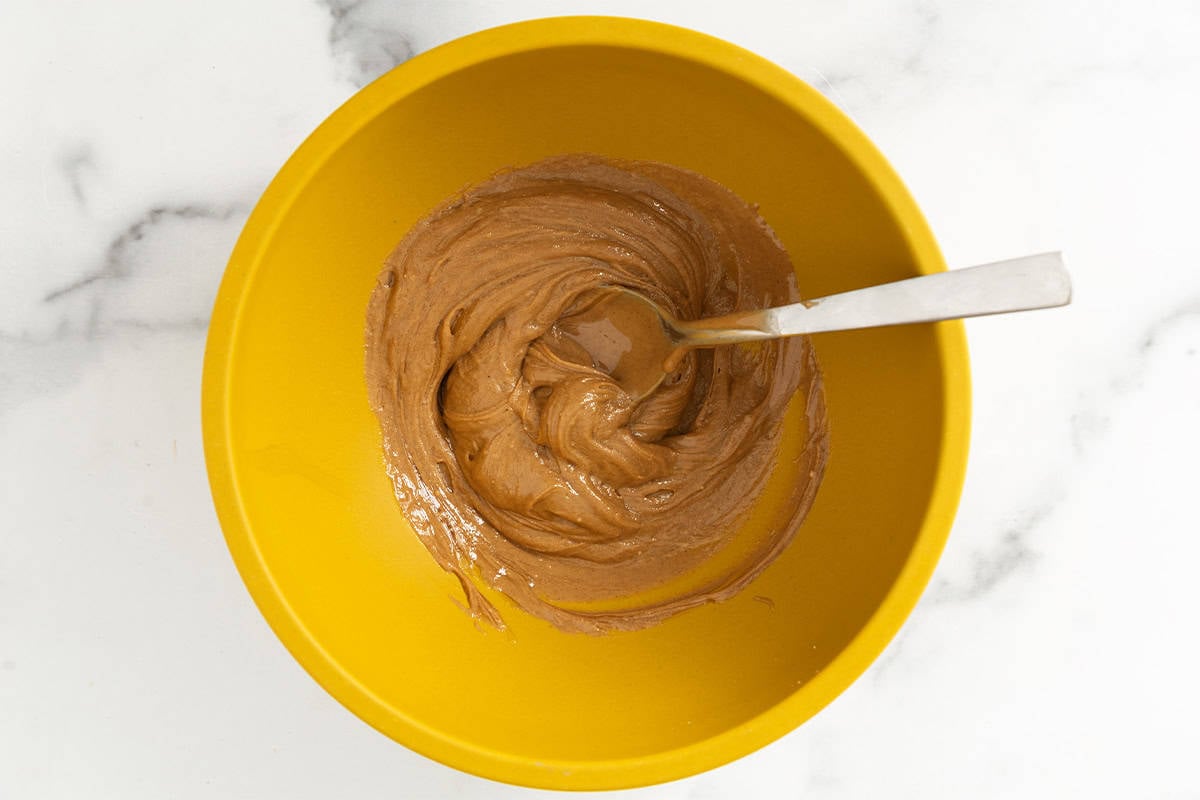
- Emulsification of Wet Ingredients: The process begins with the integration of peanut butter and a liquid sweetener (honey or maple syrup). This creates a lipid-heavy base that ensures the final product remains moist without the need for chemical humectants.
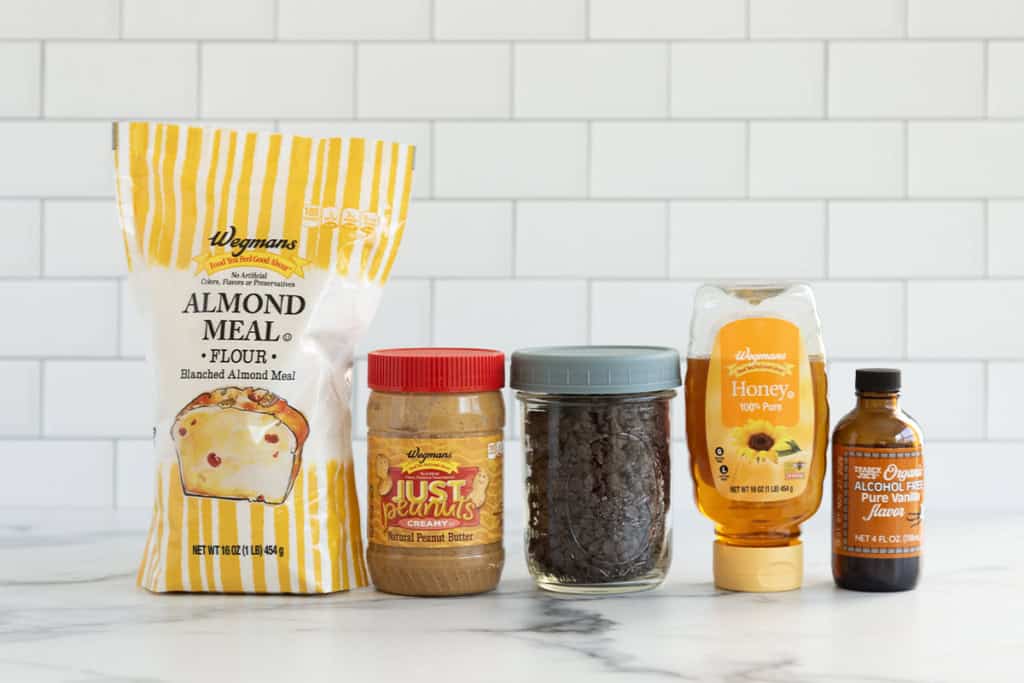
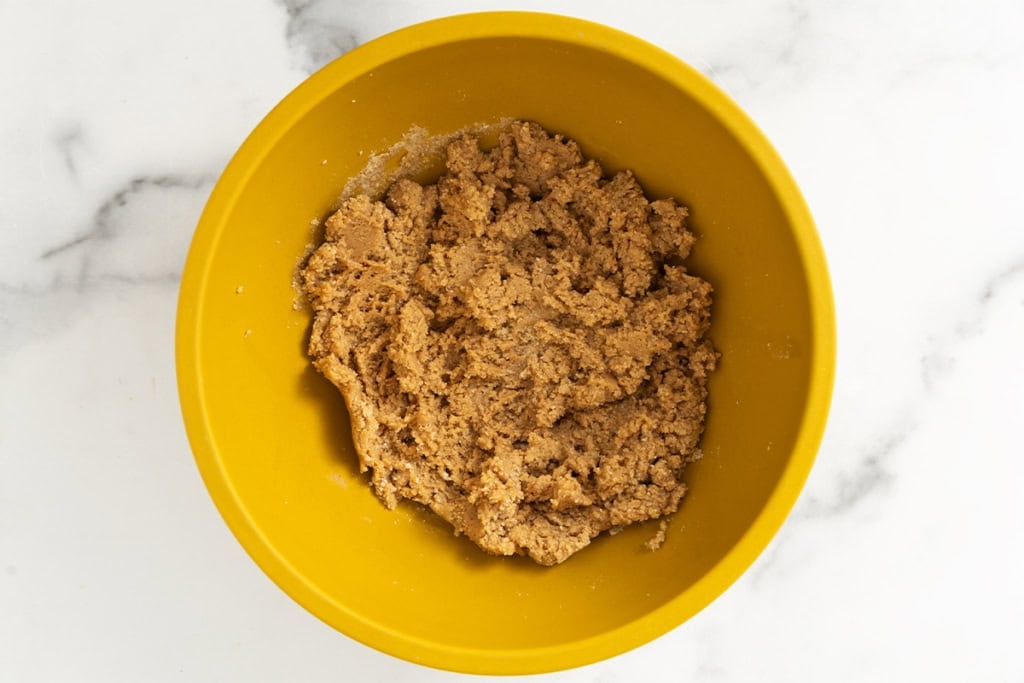
- Structural Integration: Dry ingredients—typically a combination of oat flour or almond flour—are folded into the wet base. This stage is critical for achieving the "cookie-dough" consistency that allows for manual shaping without excessive stickiness.
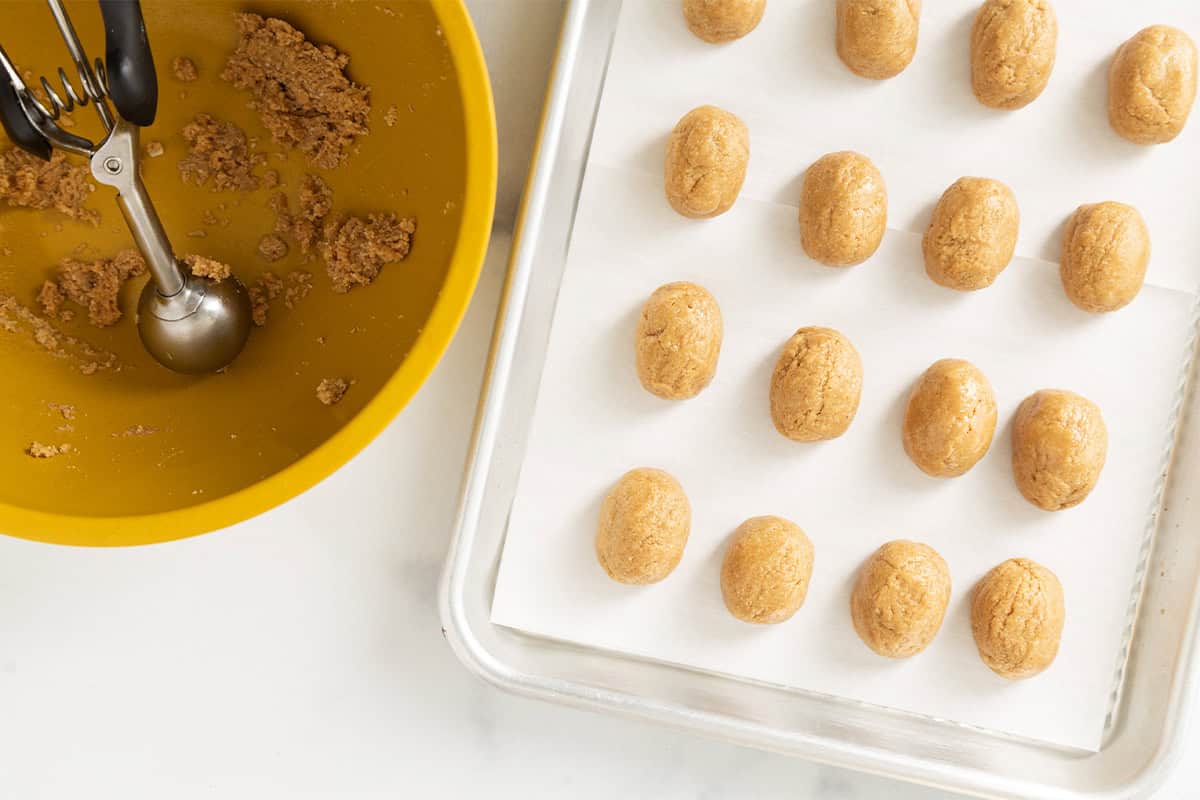
- Geometric Formulation: Utilizing a mini ice cream scoop or standardized measuring tool, the dough is portioned and hand-molded into ovals. This mimics the iconic "egg" shape that has been a staple of spring confectionery since the early 1900s.
- Enrobing and Tempering: The final stage involves dipping the chilled centers into melted chocolate. From a food science perspective, this creates a protective barrier that extends the shelf life of the internal fats and provides the "snap" associated with professional-grade confections.
Culinary experts note that the reduced stickiness of this specific formulation serves a dual purpose. Beyond ease of preparation, it increases the safety profile for younger children. Pediatric nutritionists have frequently cited overly sticky or "tacky" peanut butter as a potential choking hazard; by increasing the dry-to-wet ratio in the dough, the resulting texture is more easily masticated and swallowed.
Expert Reactions and Public Health Implications
Public health advocates and nutritional experts have reacted positively to the decentralization of candy production. Dr. Aris Latham, a proponent of "sun-fired" and whole-food diets, notes that when individuals control their own ingredient sourcing, they are less likely to overconsume. "The transparency of a five-ingredient list is a powerful tool against the hidden additives of the industrial food complex," he stated in a recent analysis of home-cooking trends.
Furthermore, the versatility of the recipe allows for significant allergen management. Unlike mass-produced items that are often processed on shared equipment with tree nuts, soy, and dairy, the homemade model allows for:
- Alternative Nut Butters: Sunflower seed butter or soy-nut butter can be substituted for those with peanut allergies.
- Vegan Adaptation: The use of maple syrup or agave nectar in place of honey, combined with dairy-free chocolate, renders the product entirely plant-based.
- Glycemic Control: The use of no-added-sugar chocolate chips (such as those sweetened with stevia or erythritol) can further reduce the carbohydrate impact for diabetic consumers.
Economic and Social Impact
The economic implications of the DIY snack movement are notable. While the initial cost of high-quality ingredients like organic peanut butter or dark chocolate may be higher than a single commercial candy bar, the per-unit cost of producing a batch of 16 eggs is significantly lower than purchasing premium "healthy" brands at retail outlets. This "bulk-prep" model aligns with the growing interest in meal prepping and domestic resourcefulness.
Socially, the act of preparing these treats has become a seasonal ritual that emphasizes kitchen literacy over passive consumption. By engaging in the ten-minute method, families are reintroducing the concept of the "kitchen-as-laboratory," where nutritional education is integrated into holiday traditions.
Storage, Preservation, and Long-Term Stability
A critical aspect of the homemade peanut butter egg is its preservation without the use of potassium sorbate or other synthetic preservatives. Journalistic investigation into food storage best practices reveals that the high fat content of the peanut butter and the sugar content of the honey act as natural preservatives.
When stored in an airtight container within a refrigerated environment (34°F to 38°F), the product maintains its structural integrity and flavor profile for up to 30 days. This longevity allows consumers to prepare seasonal treats well in advance of holiday events, further reducing the stress and impulsive buying associated with last-minute shopping.
Conclusion: The Future of Seasonal Confectionery
The rise of the five-ingredient peanut butter egg is more than a fleeting culinary fad; it is a manifestation of a broader systemic shift toward food autonomy. As data continues to link ultra-processed sugars with long-term metabolic issues, the demand for simplified, protein-forward alternatives is expected to grow.
By deconstructing a complex commercial product into its essential parts—protein, healthy fats, and natural sweeteners—home cooks are redefining the "treat." In this new paradigm, the joy of the holiday snack is not found in the bright packaging or the excessive sugar, but in the quality of the ingredients and the efficiency of the preparation. As we move further into the 2020s, the "ten-minute method" may become the new standard for a generation that refuses to choose between convenience and health.
