

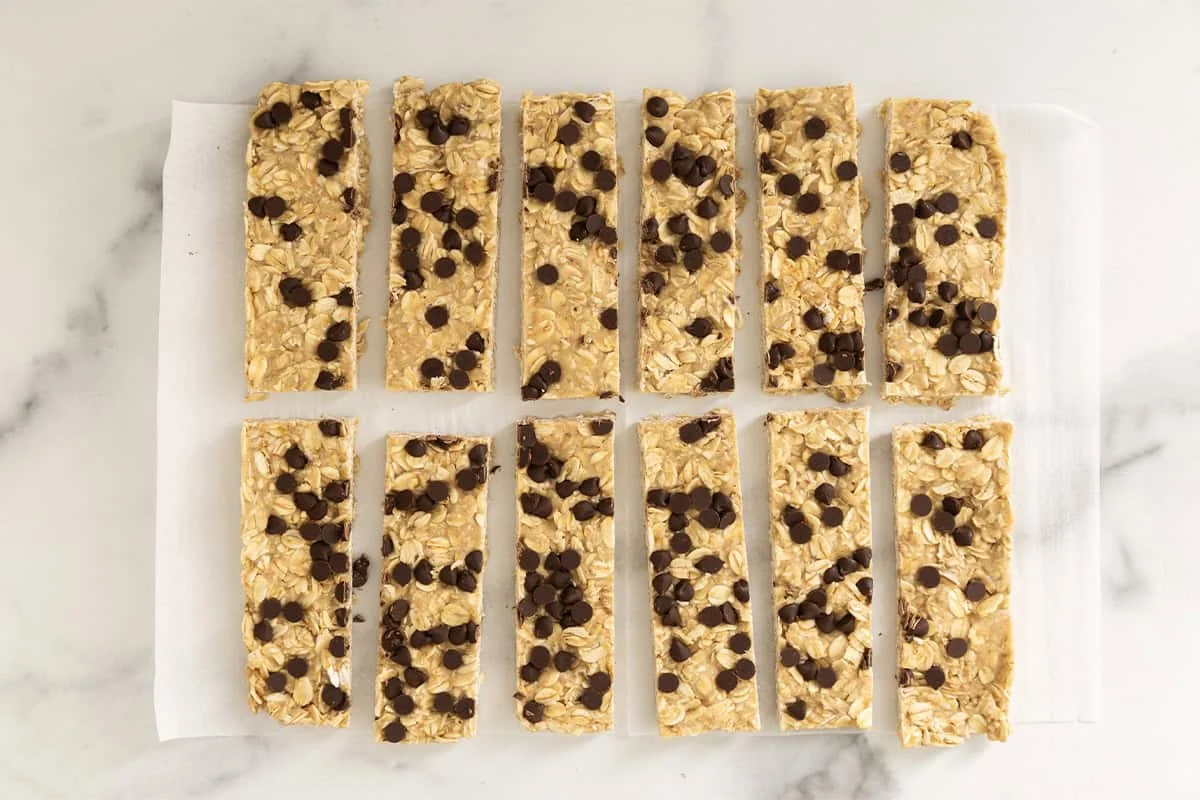
The modern consumer landscape is currently experiencing a significant shift toward the "do-it-yourself" (DIY) preparation of staple pantry items, driven by a combination of rising grocery costs, heightened nutritional awareness, and a desire for "clean label" food products. Among these items, the granola bar—a long-standing fixture in the American school lunchbox and the professional’s quick breakfast—has moved from the processed food aisle into the domestic kitchen. The emergence of no-bake recipes, such as the Chewy Chocolate Chip Granola Bar, represents a convergence of culinary efficiency and health-conscious meal planning. By utilizing foundational pantry staples like rolled oats, honey, and coconut oil, households are increasingly bypassing industrial manufacturing in favor of controlled, homemade production.
The Evolution of the Granola Bar and Current Market Trends
To understand the significance of the no-bake granola bar recipe, one must look at the broader context of the snack food industry. Granola bars were originally popularized in the 1970s as a "health food" alternative to candy bars. However, over the subsequent decades, commercial versions became increasingly saturated with high-fructose corn syrup, artificial preservatives, and hydrogenated oils. According to market research, the global healthy snack market was valued at approximately $85.6 billion in 2021 and is projected to reach over $152 billion by 2030. This growth is largely fueled by consumers seeking snacks that offer functional benefits, such as high fiber and protein, without the excessive sugar content found in traditional confectionery.
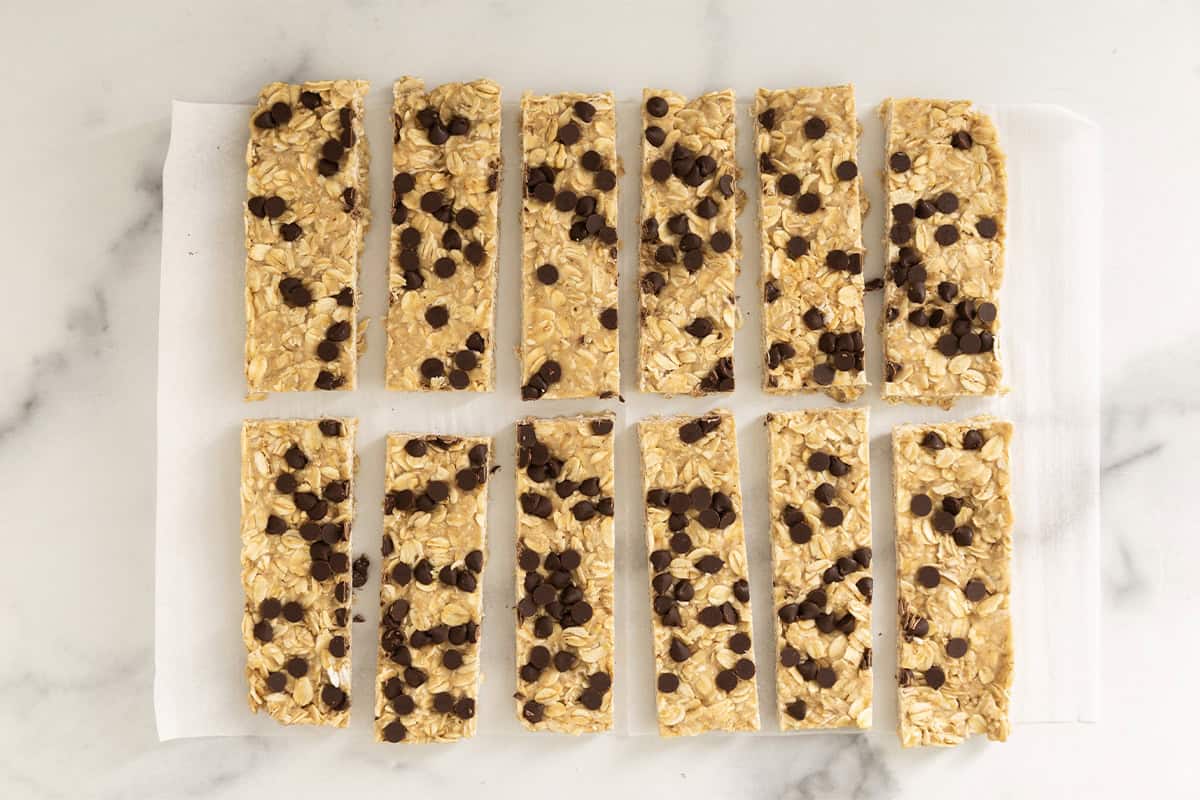
The rise of the no-bake method specifically addresses two modern barriers to home cooking: time and energy consumption. By removing the requirement for oven use, the preparation process is streamlined, making it accessible even to those with limited culinary equipment or tight schedules. Furthermore, the absence of heat during the binding process helps preserve the structural integrity and some heat-sensitive nutritional components of the raw ingredients.
Chronology of Preparation: A Step-by-Step Technical Overview
The preparation of no-bake chocolate chip granola bars follows a logical sequence of emulsification, integration, and thermal stabilization. This process ensures that the bars maintain a "chewy" texture comparable to commercial "soft-baked" brands without the need for chemical softeners.
Phase 1: The Liquefaction of Binding Agents
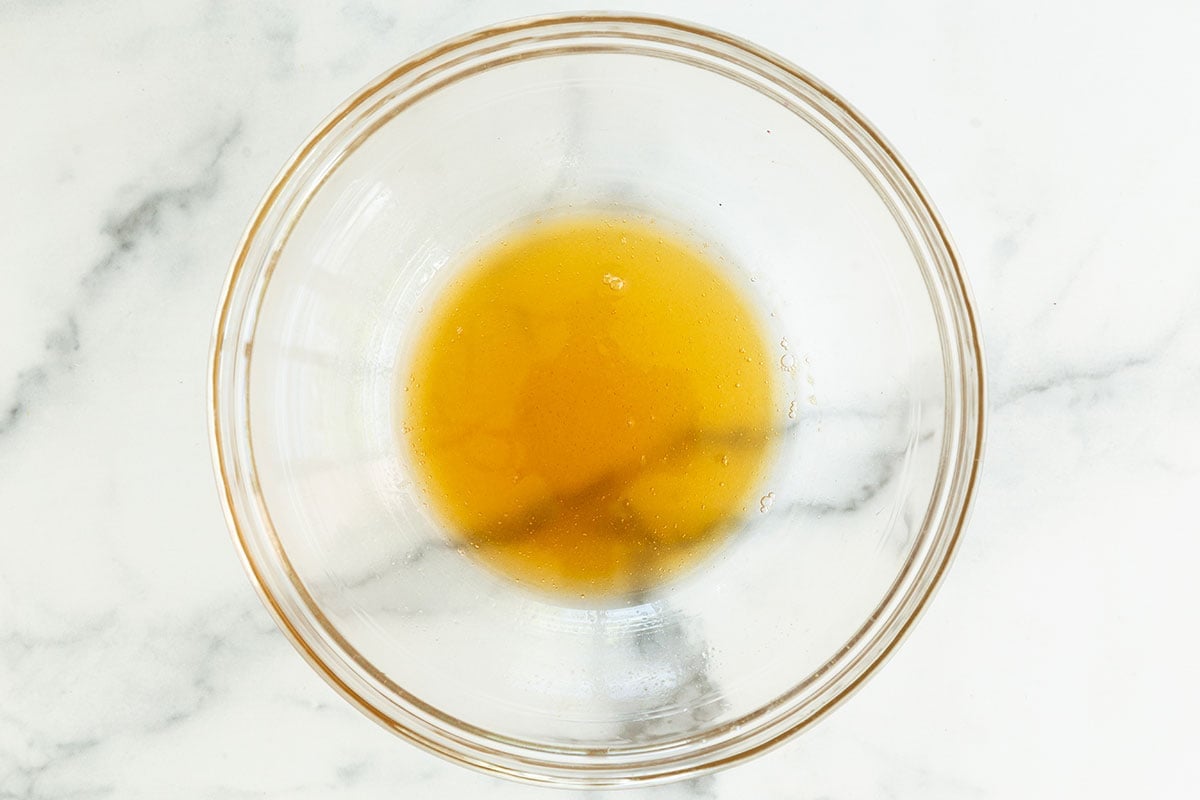
The process begins with the preparation of the liquid binder. Coconut oil is heated until it reaches its liquid state, at which point honey is integrated. This mixture serves a dual purpose: the honey provides sweetness and immediate tackiness, while the coconut oil, which is solid at room temperature and liquid when warm, acts as a thermal setting agent. When chilled, the saturated fats in the coconut oil crystallize, providing the necessary structural rigidity to hold the dry grains together.
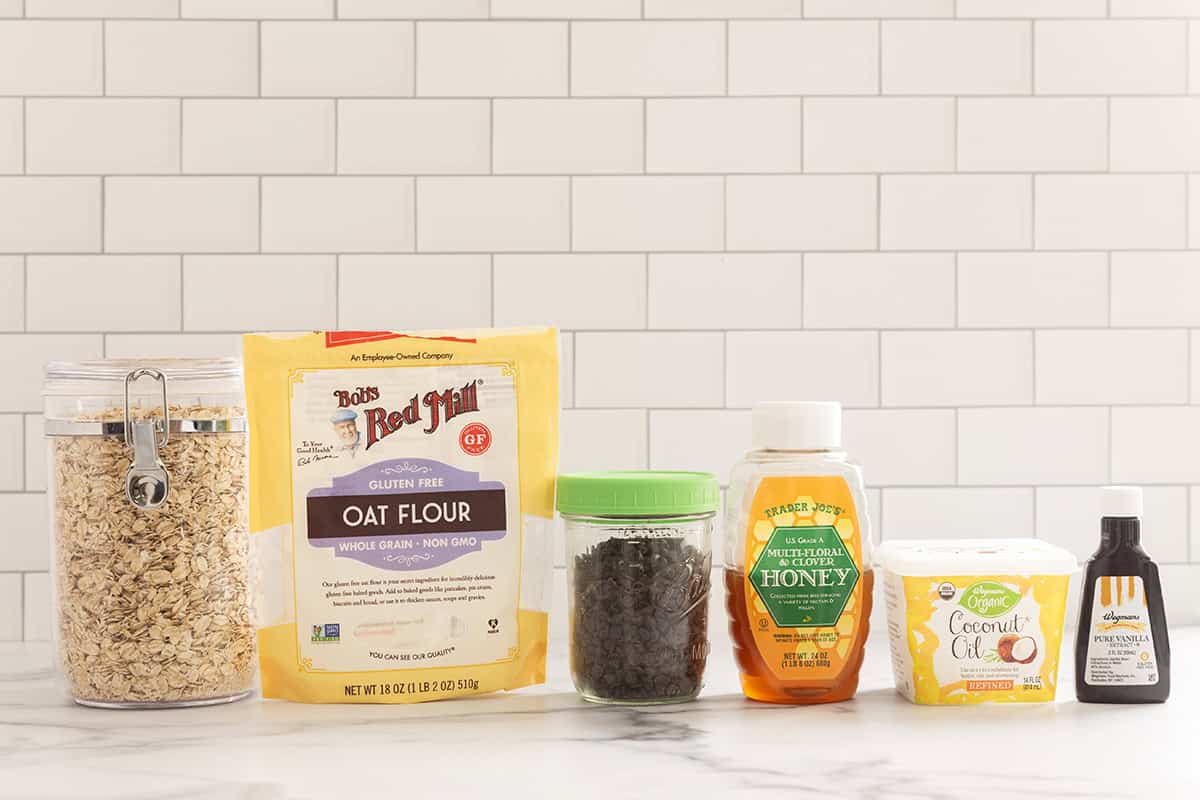
Phase 2: Integration of Dry Matter
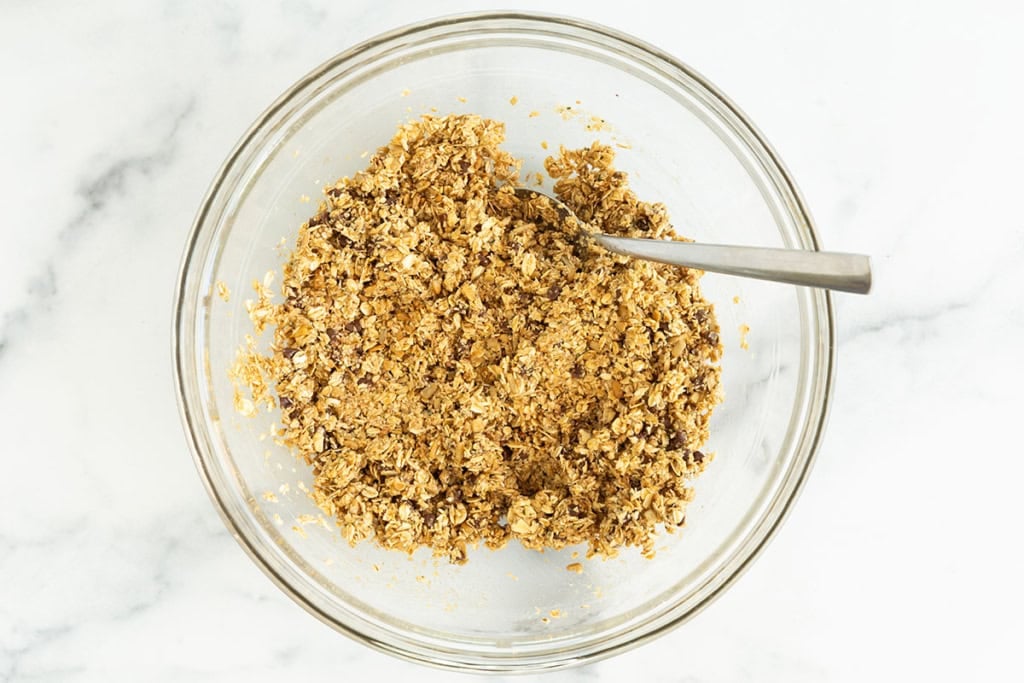
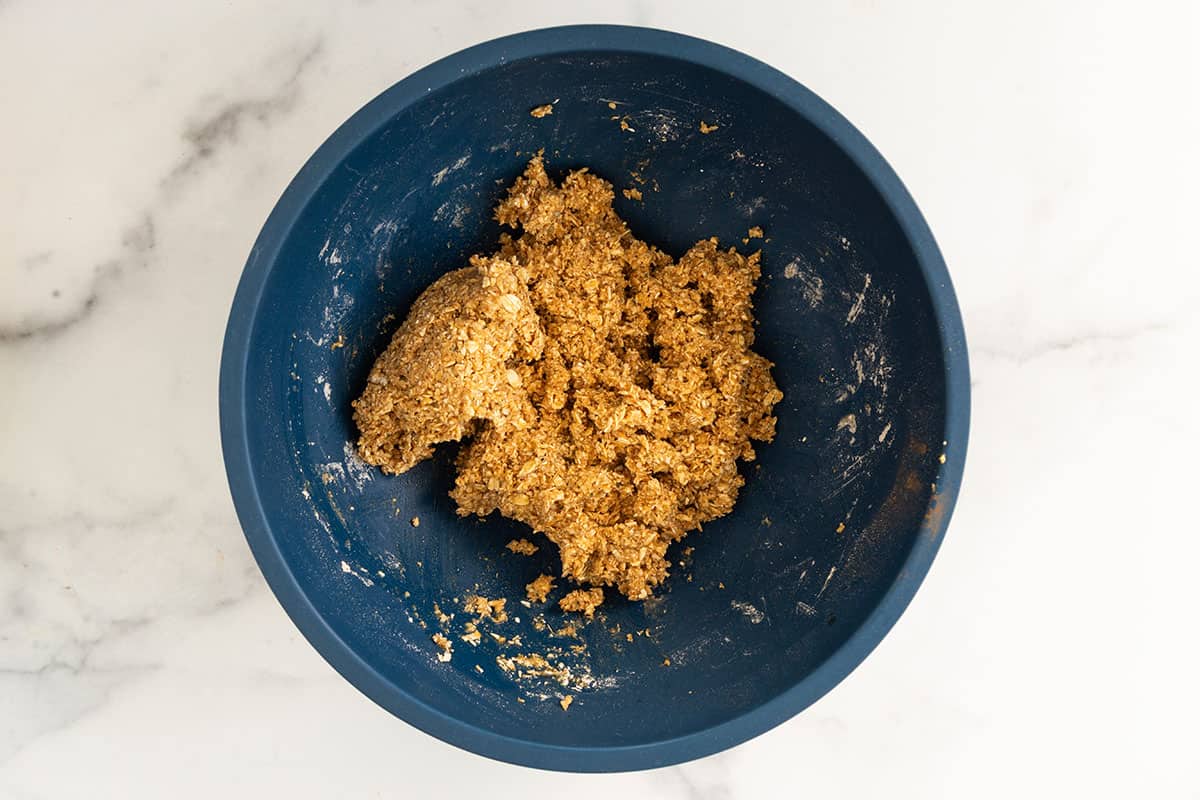
Once the liquid base is homogenized, the dry ingredients—primarily rolled oats—are introduced. Rolled oats are preferred over quick oats or steel-cut oats in this context because their flat, steamed structure provides the optimal surface area for the binder to adhere to, resulting in a bar that is firm yet easy to masticate. At this stage, other nutritional additives such as flaxseeds, chia seeds, or puffed rice may be incorporated to enhance the fiber profile.
Phase 3: Final Inclusion and Flavor Balancing
After the oats are thoroughly coated, the mixture is allowed to cool slightly before the introduction of semi-sweet chocolate chips. This temperature control is critical; if the mixture is too hot, the chocolate will melt and streak through the bars, losing the distinct "chip" texture. The final mixture is stirred until uniform, ensuring that the distribution of fats, sugars, and solids is consistent across the entire batch.
Phase 4: Compression and Thermal Setting
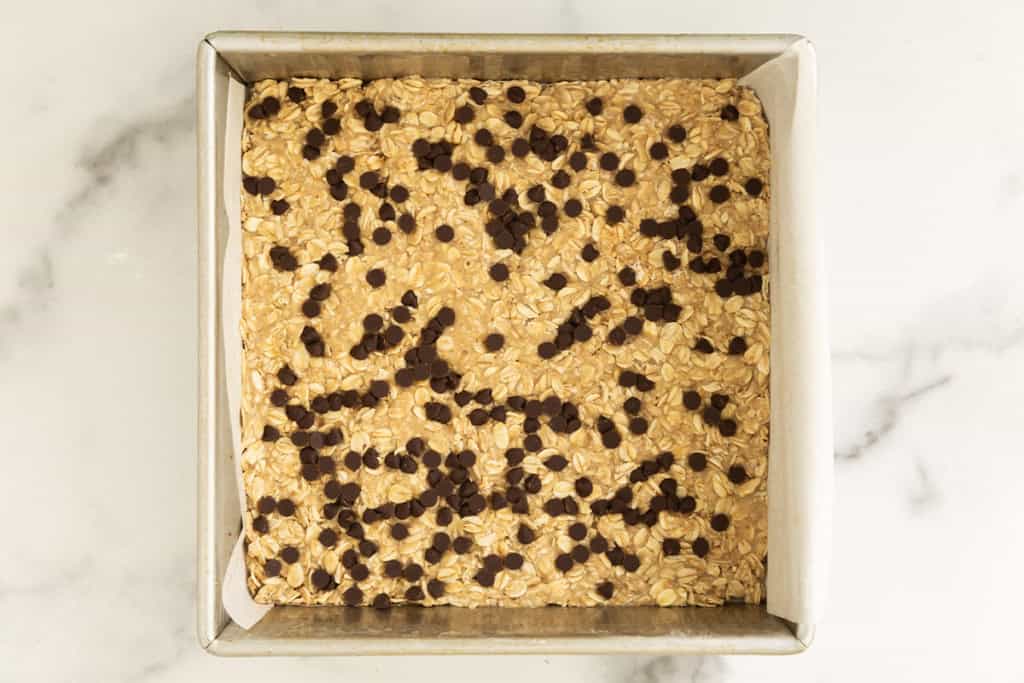
The mixture is transferred to a lined baking pan where it undergoes significant compression. Firm pressure is required to eliminate air pockets, which would otherwise cause the bars to crumble upon slicing. The final stage involves refrigeration. The bars must be chilled for a minimum of two to four hours, allowing the coconut oil and honey to transition into a stable, solid matrix.
Nutritional Analysis and Comparative Data
The nutritional efficacy of homemade granola bars is frequently cited by dietitians as a primary reason for the transition away from store-bought alternatives. A standard serving of the no-bake chocolate chip granola bar contains approximately 187 calories, 24 grams of carbohydrates, and 3 grams of protein.
Comparison of Ingredients: Homemade vs. Commercial
A standard commercial granola bar often contains upwards of 15 to 20 ingredients, including soy lecithin, maltodextrin, and "natural flavors" that may mask various chemical additives. In contrast, the no-bake recipe utilizes roughly five to seven whole-food ingredients.
| Nutrient | Homemade No-Bake Bar | Leading Commercial Brand |
|---|---|---|
| Fiber | 2g | 1g |
| Sugar | 12g (Natural Honey) | 12g (Corn Syrup/Sugar) |
| Preservatives | None | BHT, TBHQ, or Tocopherols |
| Binding Agent | Coconut Oil/Honey | Invert Sugar/Vegetable Oil |
While the sugar content may appear similar on paper, the source of the sugar—honey—carries trace enzymes and antioxidants that are absent in refined corn syrups. Furthermore, the inclusion of 2 grams of dietary fiber per bar aids in slowing the glycemic response, preventing the "sugar crash" often associated with processed snacks.
Economic Implications of DIY Snack Production
The economic benefit of producing granola bars at home is a significant factor for middle-to-low-income households. As of 2024, the average cost of a box of premium organic or "healthy" granola bars ranges from $5.00 to $8.50 for a pack of five to six bars. This equates to roughly $1.00 to $1.40 per serving.
In contrast, bulk-purchasing the raw materials for homemade bars significantly reduces the per-unit cost. A standard container of rolled oats (approx. 42 oz) can be purchased for under $5.00 and can produce several dozen bars. When accounting for the cost of honey, coconut oil, and chocolate chips, the estimated cost per homemade bar falls between $0.35 and $0.50. For a family with multiple children consuming one snack bar per day, the annual savings can exceed $300.
Expert Perspectives and Health Implications
Pediatricians and nutritionists have long voiced concerns regarding the "snackification" of the modern diet, where highly processed, calorie-dense foods replace whole-meal components. Dr. Elena Richardson, a specialist in childhood nutrition, notes that "the ability for parents to control the ingredient list is the most powerful tool in combating early-onset metabolic issues. By making snacks at home, parents can reduce sodium intake and eliminate artificial dyes and preservatives that have been linked to behavioral sensitivities in some children."
Furthermore, the "chewy" texture of these bars is not merely a matter of preference but a functional attribute. Foods that require more mastication (chewing) have been shown to increase satiety signals in the brain, potentially preventing overconsumption. The use of oats, which are rich in beta-glucan (a type of soluble fiber), has also been linked to improved heart health and stabilized blood sugar levels.
Storage, Sustainability, and Environmental Impact
Beyond health and economics, the shift to homemade snacks has positive implications for environmental sustainability. The commercial snack industry is a major contributor to single-use plastic waste, as each individual granola bar is typically wrapped in a multi-layer foil or plastic film that is not recyclable in most municipal systems.
By preparing a batch of bars at home and storing them in a single reusable container in the refrigerator, a household can eliminate the need for individual wrappers. These bars remain shelf-stable in a refrigerated environment for up to two months, though they are best consumed within three weeks for optimal texture. For families on the go, the bars can be wrapped in compostable parchment paper or stored in silicone snack bags, further reducing the carbon footprint of the household’s dietary habits.
Broader Impact and Conclusion
The popularity of the no-bake chocolate chip granola bar recipe is a microcosm of a larger societal movement toward food sovereignty and transparency. As inflation continues to impact global food prices and as the scientific community continues to uncover the long-term health risks associated with ultra-processed foods (UPFs), the "return to the pantry" is likely to persist.
This recipe demonstrates that nutritious, kid-friendly food does not require expensive specialized equipment or rare ingredients. Instead, it relies on the chemical properties of basic fats and sugars to create a convenient, portable, and enjoyable snack. As more consumers adopt these practices, the pressure on the commercial food industry to simplify their ingredient lists and reduce prices will likely increase. Ultimately, the no-bake granola bar serves as a practical solution to the modern dilemma of balancing health, time, and budget in an increasingly complex food landscape.
