

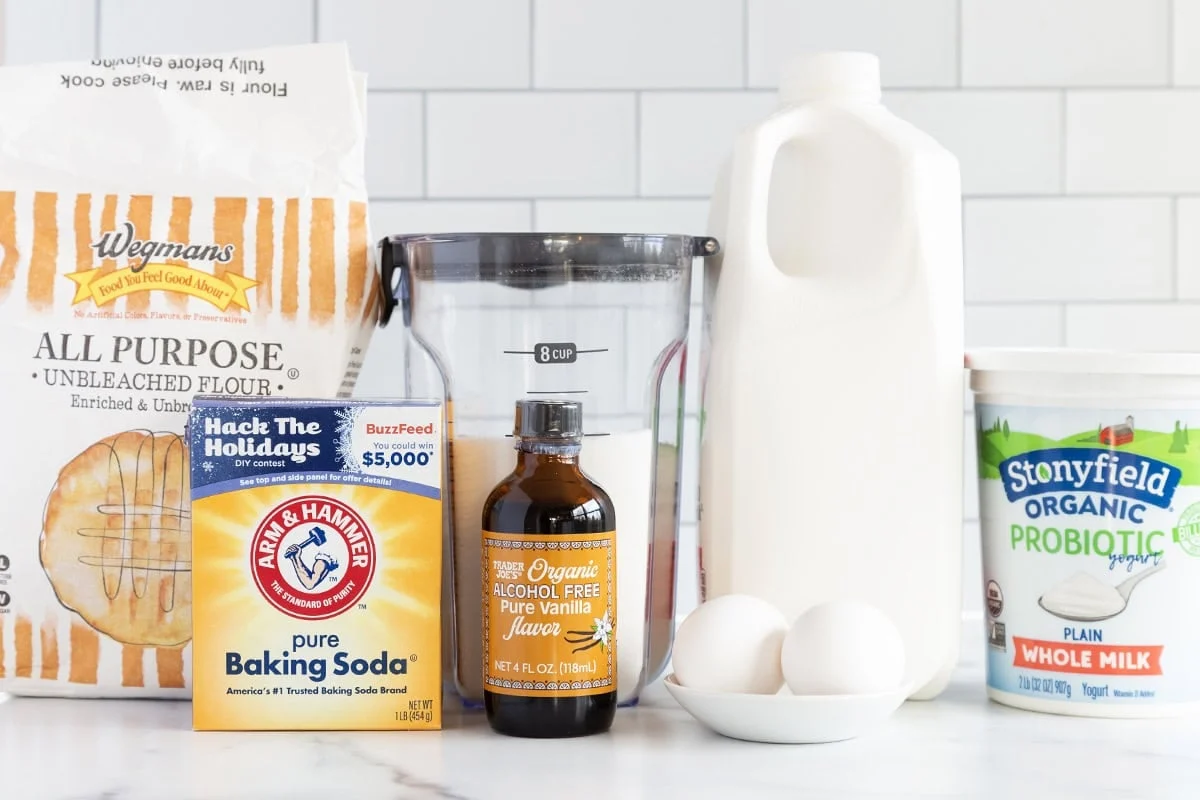
The landscape of American breakfast consumption is undergoing a significant shift as families increasingly pivot away from ultra-processed convenience foods in favor of nutrient-dense, home-prepared alternatives. At the center of this culinary transition is the emergence of specialized "Mini Waffles"—a recipe-driven solution that integrates high-protein ingredients like yogurt into a traditional batter to provide a balanced start for children and toddlers. This movement reflects a broader societal focus on "clean label" eating, where parents prioritize control over ingredients such as sodium, refined sugars, and preservatives. By utilizing batch-prepping techniques and advanced freezing methods, modern households are replicating the convenience of the frozen food aisle while significantly enhancing the nutritional profile of the first meal of the day.
The Evolution of the Breakfast Market and the Rise of DIY Alternatives
For decades, the frozen waffle market has been dominated by multi-billion-dollar corporations offering quick-heat solutions. However, recent market analysis suggests a growing dissatisfaction among health-conscious consumers regarding the nutritional density of these products. Standard commercial waffles often rely on refined flours and synthetic stabilizers to maintain shelf life. In contrast, the current trend toward homemade mini waffles utilizes whole-food components—specifically yogurt—to introduce probiotics, calcium, and protein directly into the dough.
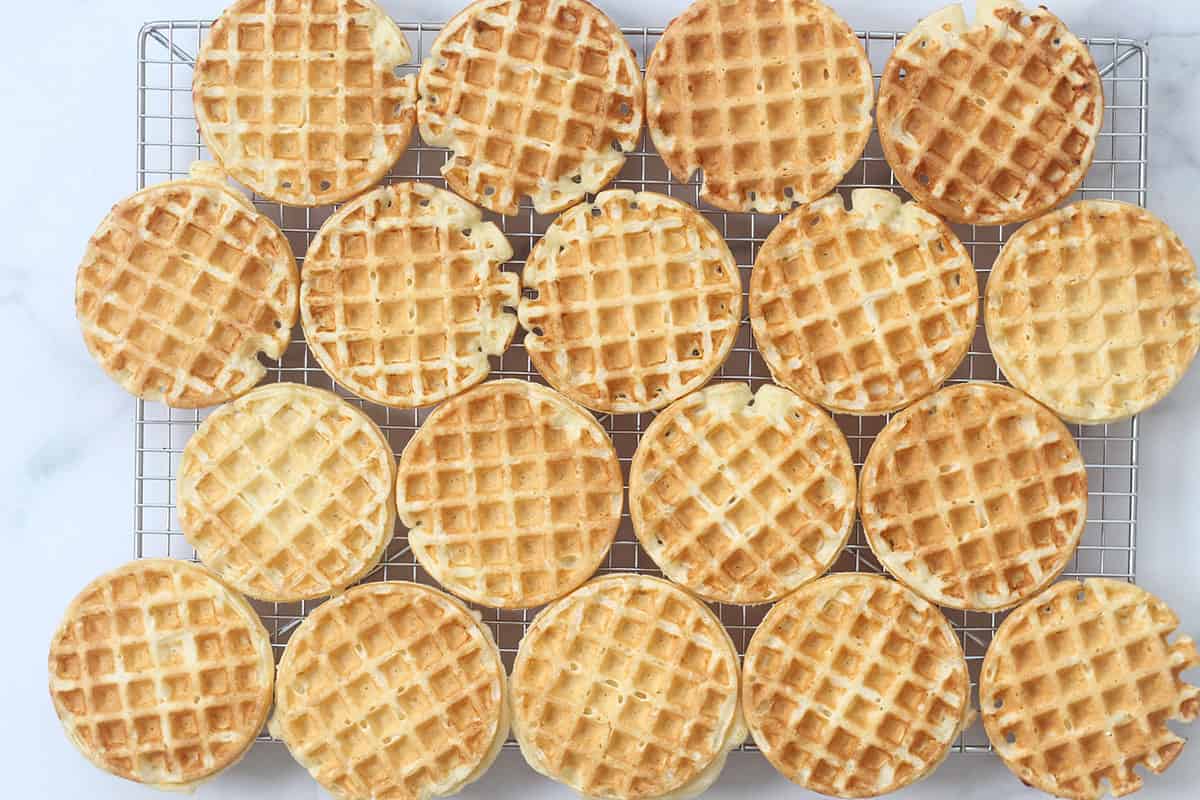
This shift is not merely about flavor; it is an economic and health-driven response to the rising cost of living and the increasing prevalence of childhood nutritional deficiencies. By preparing "Mini Waffles" at home, parents can reduce the per-serving cost of breakfast by an estimated 40% to 60% compared to premium organic frozen brands. Furthermore, the "mini" format serves a dual purpose: it provides appropriate portion sizes for younger children and creates a higher surface-area-to-volume ratio, which aids in achieving a desirable crisp texture that appeals to sensory-sensitive eaters.
Nutritional Composition and the Science of Satiety
The specific formulation of these mini waffles represents a calculated approach to pediatric nutrition. The inclusion of yogurt in the batter serves as a functional ingredient, replacing some of the heavier fats typically found in traditional recipes while increasing the protein content to approximately 5 grams per two-waffle serving. According to nutritional data, a single serving provides 119 calories, with a balanced macro-profile of 14 grams of carbohydrates and 5 grams of fat.
Pediatricians and nutritionists emphasize the importance of protein and fiber in the morning to prevent blood sugar spikes and subsequent "crashes" that can affect a child’s concentration and behavior in school settings. The fiber content, though modest at 0.4 grams in the base recipe, is often supplemented by parents through the use of whole-wheat flours or the addition of fruit-based toppings like blueberry chia jam or fresh strawberry sauce. This nutritional architecture ensures that the waffles are not just "empty calories" but a foundational component of a child’s daily intake.
Chronology of Preparation: From Batter to Freezer
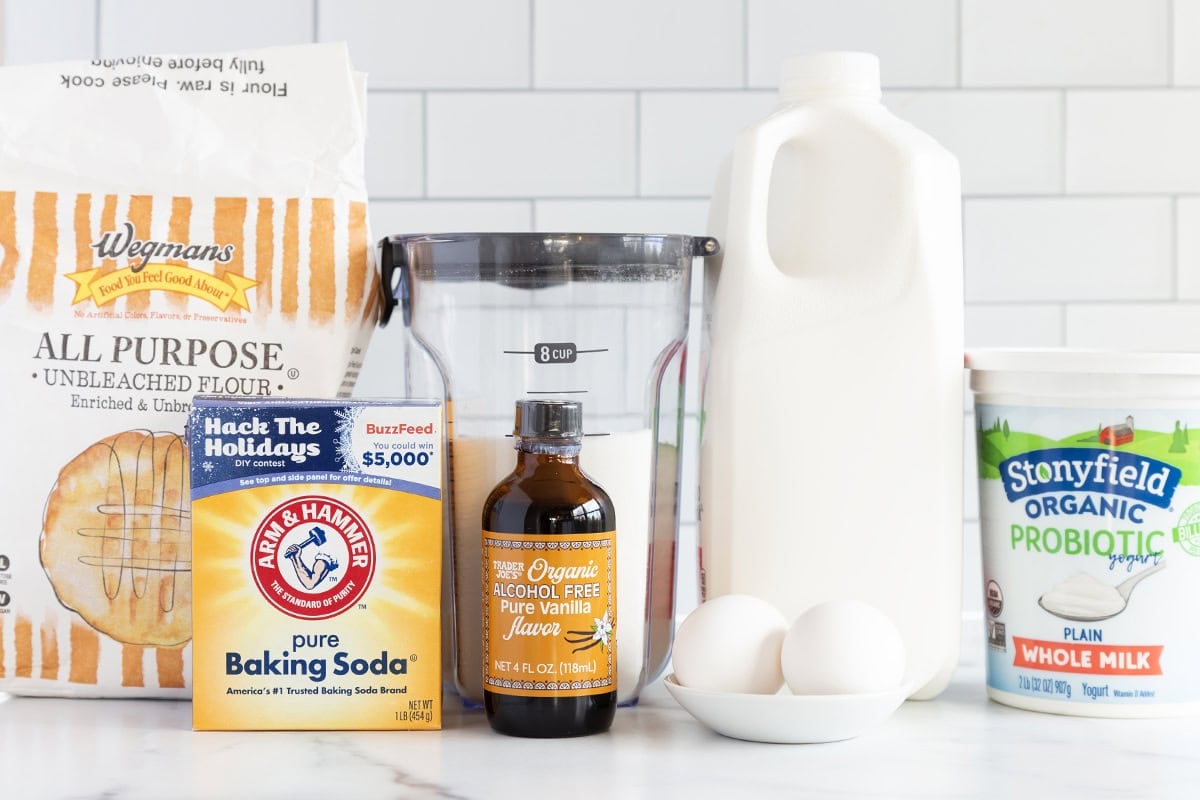
The process of creating a high-quality, freezable mini waffle involves a specific sequence of operations designed to maximize efficiency and food quality.
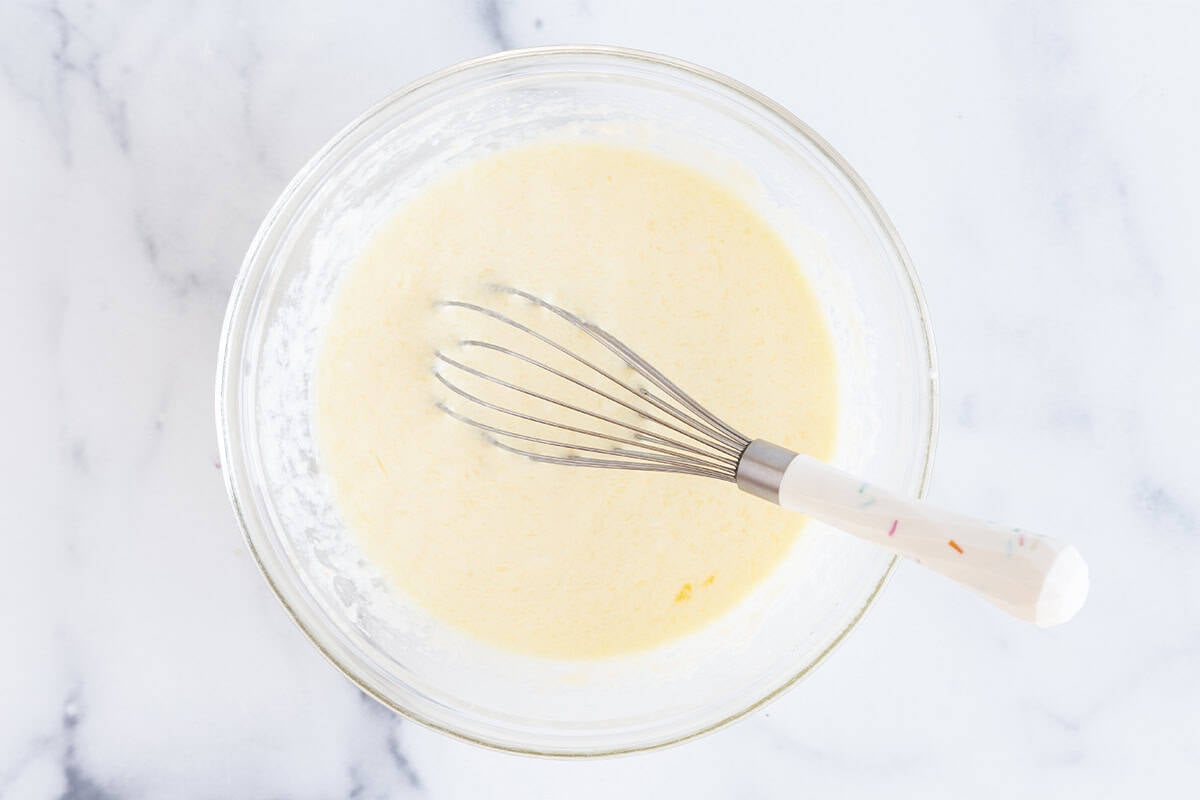
- The Emulsification Phase: The process begins with the whisking of wet ingredients. The acidity of the yogurt reacts with leavening agents (such as baking powder or soda) to create carbon dioxide bubbles, which ensures the waffles remain light and airy despite the dense protein content.
- Integration of Dry Goods: Dry ingredients are folded into the wet mixture. Over-mixing is cautioned against in professional culinary circles, as it develops gluten and can lead to a "rubbery" texture—a common complaint in homemade batches.
- Thermal Processing: The batter is dispensed into a pre-heated waffle iron. For the "mini" variant, smaller irons or specific portioning on a larger grid are used to create the signature size.
- The Cooling Protocol: Perhaps the most critical step for meal prepping is the cooling phase. Placing hot waffles on a wire rack allows steam to escape from all sides. If waffles are stacked or placed on a solid surface while hot, the trapped steam re-hydrates the crust, resulting in sogginess.
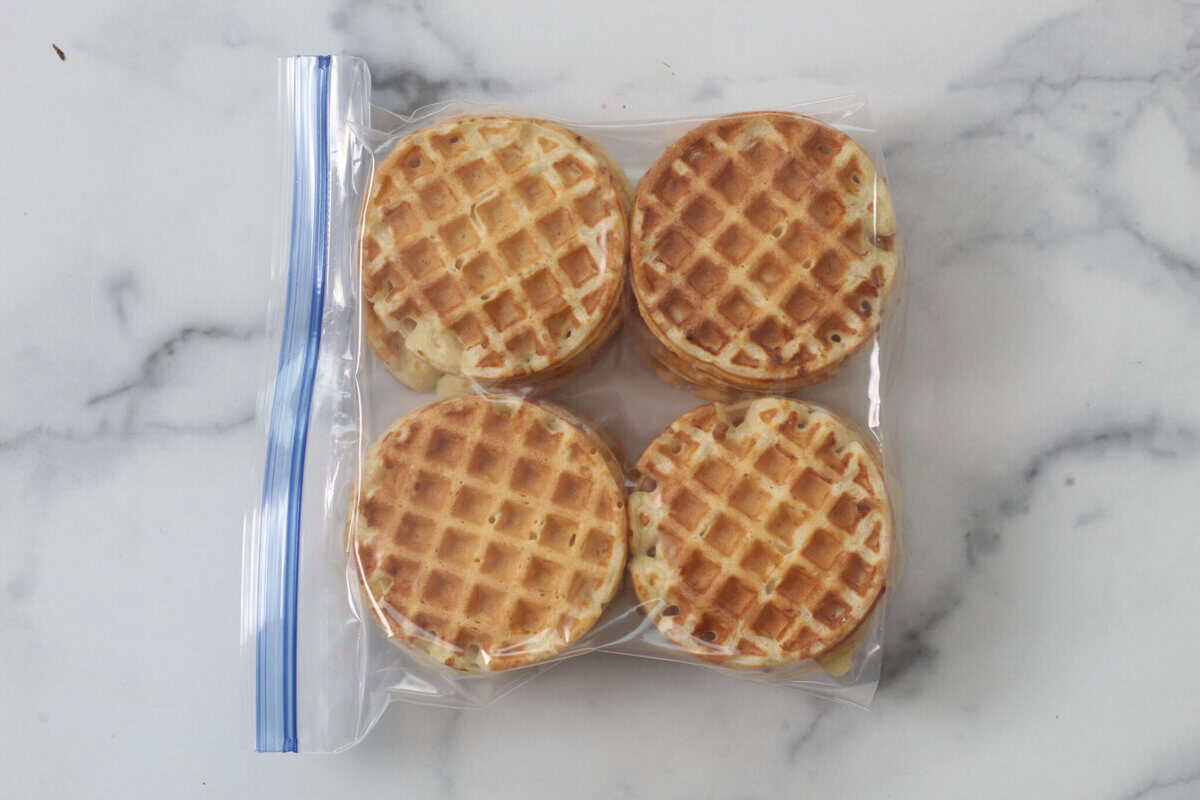
- Long-Term Preservation: Once cooled to room temperature, the waffles are transferred to airtight freezer bags. This method allows the product to remain viable for up to six months, effectively creating a "home-grown" frozen food stock.
Economic and Practical Implications for Modern Households
The logistical benefits of batch-prepping mini waffles extend beyond nutrition. In a standard 40-hour work week, the average parent spends approximately 15 to 20 minutes preparing breakfast daily. By dedicating one hour on a Sunday to produce a large batch of waffles, the morning routine is reduced to a 90-second toasting cycle. This "reheat and eat" model accommodates the fast-paced nature of modern professional life without sacrificing the quality of the child’s diet.
Furthermore, the versatility of the mini waffle has seen it integrated into the "Breakfast for Dinner" (BFD) trend. Market researchers note that BFD is a growing phenomenon among Millennials and Gen Z parents as a way to reduce evening stress and utilize pantry staples. The mini waffle, being easy to handle and dip, fits perfectly into this casual dining category.
Support for Developmental Milestones: Baby-Led Weaning
A significant sub-sector of the mini waffle trend is its application in Baby-Led Weaning (BLW). BLW is an approach to introducing solid foods where infants are encouraged to feed themselves finger foods rather than being spoon-fed purees. The structural integrity of a mini waffle—particularly when cut into "fingers" or strips—makes it an ideal tool for developing fine motor skills and the "pincer grasp."
The "classic waffle texture," characterized by its grid-like indentations, provides a sensory experience that helps infants map the boundaries of their mouths. Because the homemade version lacks the high salt and sugar content of store-bought alternatives, it is viewed by child development experts as a safe and effective "bridge food" between liquids and complex solids.
Expert Reactions and Comparative Analysis
While the home-cooking community has embraced the recipe, industry analysts suggest that large-scale food manufacturers are taking note. "We are seeing a ‘premiumization’ of the frozen aisle in response to these home trends," says one food industry consultant. "Companies are trying to replicate the ‘yogurt-based’ and ‘high-protein’ claims to win back the demographic that has moved toward DIY meal prepping."

However, the "DIY" movement maintains a distinct advantage in customization. Parents reported that the ability to swap ingredients—such as using gluten-free flour or adding cocoa and banana—allows them to cater to specific dietary restrictions that are often underserved by mass-market products.
Broader Impact on Public Health and Sustainability
The move toward homemade staples like mini waffles also carries environmental implications. The reduction in single-use plastic packaging and cardboard associated with weekly frozen food purchases contributes to a smaller household carbon footprint. Additionally, by controlling portions through the "mini" size, families report a decrease in plate waste, as children are more likely to finish a smaller, appropriately sized portion.
From a public health perspective, the long-term impact of replacing high-fructose corn syrup-laden breakfasts with protein-rich, yogurt-based alternatives could be substantial. As childhood obesity rates remain a concern for health officials, the promotion of home-prepared, nutrient-dense meals is a key pillar in national wellness strategies.
Future Outlook: The Kitchen of 2025 and Beyond
As kitchen technology continues to evolve, with the rise of smart waffle irons and high-efficiency convection toasters, the barrier to entry for high-quality home meal prep continues to lower. The mini waffle is no longer just a "toddler food" but a symbol of a larger movement toward intentional eating.
In conclusion, the rise of the mini waffle as a breakfast staple is a testament to the modern consumer’s desire for a synthesis of convenience and health. By leveraging basic ingredients and simple preservation techniques, households are reclaiming the most important meal of the day, one small, toasted square at a time. The success of this recipe-driven trend suggests that the future of the American breakfast table lies not in the laboratory of a food scientist, but in the batch-prep containers of the home kitchen.
