


Market Overview and the 2026 Gifting Landscape
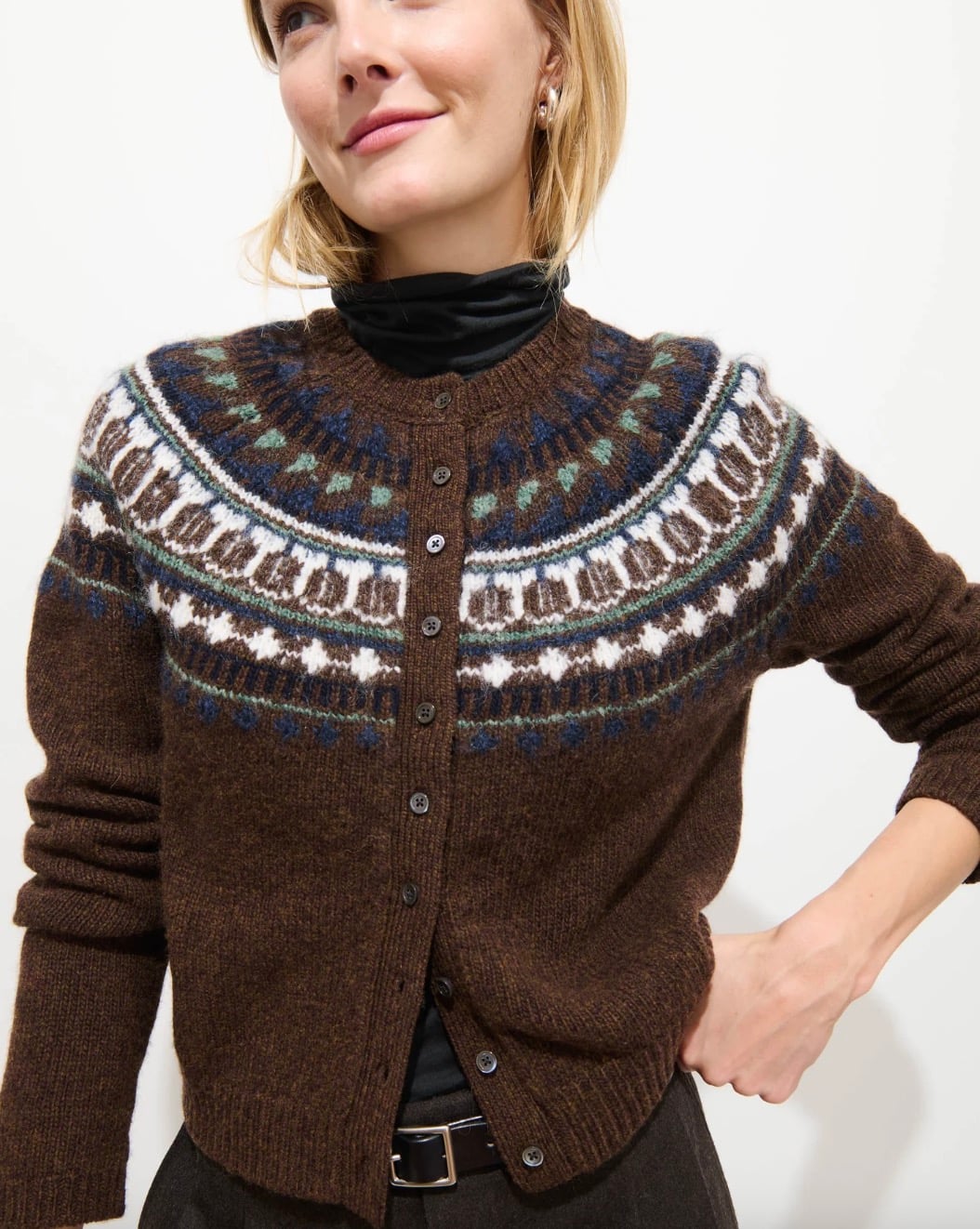
The 2026 retail forecast indicates a robust recovery in the luxury and mid-tier lifestyle sectors, with a specific emphasis on "investment pieces"—items that offer longevity rather than fast-fashion appeal. According to retail analysts, the "mom" demographic remains one of the most influential consumer segments, driving significant volume in the home goods and wellness categories. The current guide reflects this by featuring items such as a $228 Fair Isle sweater and organic throws starting at $98. These price points align with the "Quiet Luxury" movement that has dominated the mid-2020s, focusing on material integrity like washed cashmere and breathable cotton.

Industry data suggests that 64% of holiday shoppers in 2026 are prioritizing "comfort-centric" gifts, a 12% increase from 2024. This is evidenced by the inclusion of Japanese house shoes and high-end pajama sets. Experts in consumer psychology note that as the pace of digital life accelerates, the demand for tactile, grounding objects—such as heavy organic throws and ceramic bud vases—has seen a corresponding rise.
Chronology of the Annual Curated Selection
The evolution of this specific gift guide provides a longitudinal look at changing tastes and economic conditions over the last four years. In 2023 and 2024, the focus was heavily weighted toward post-pandemic recovery and the re-emergence of travel, featuring heavy-duty luggage and outdoor gear. By 2025, the narrative shifted toward "self-care" and wellness tech.
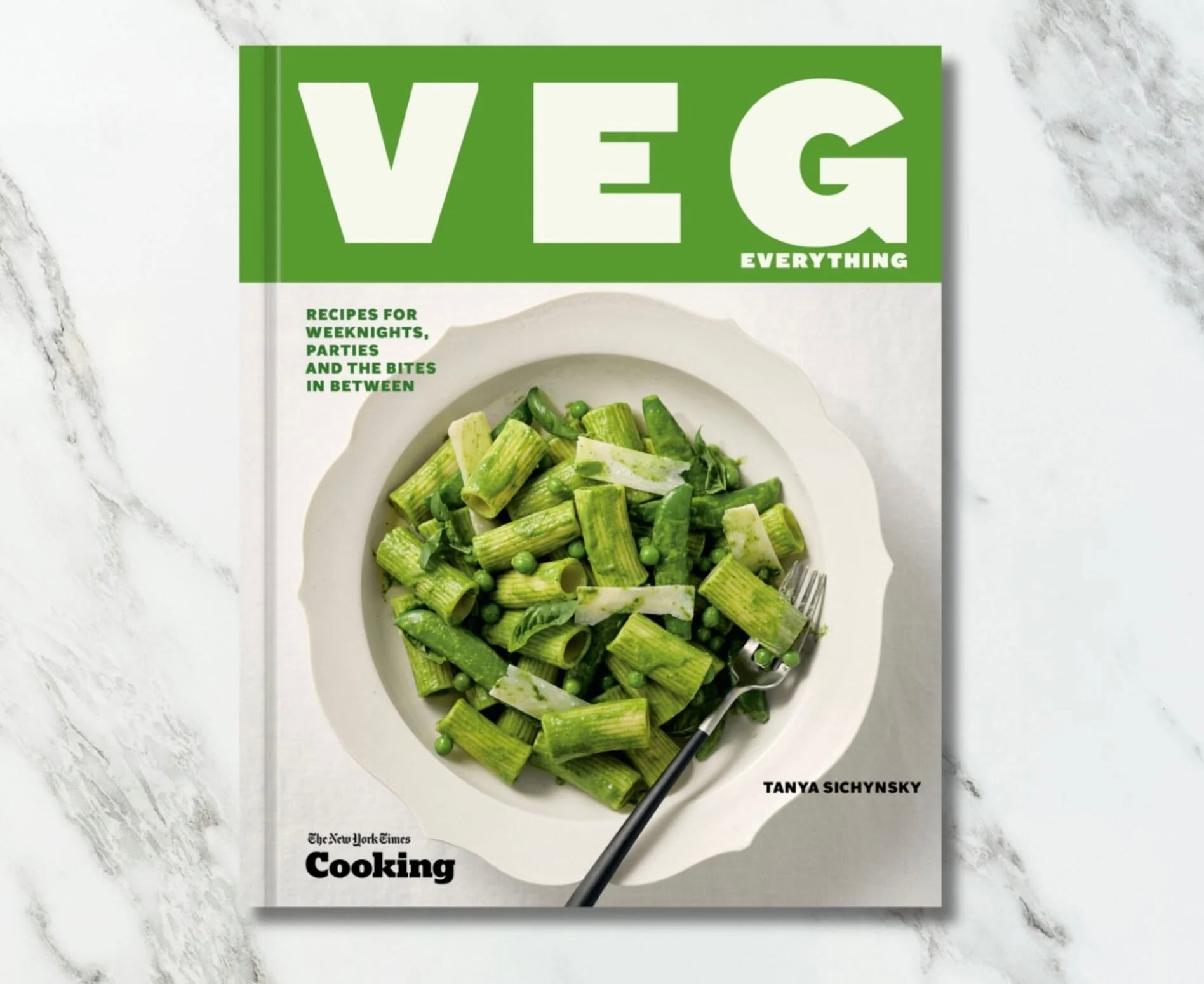
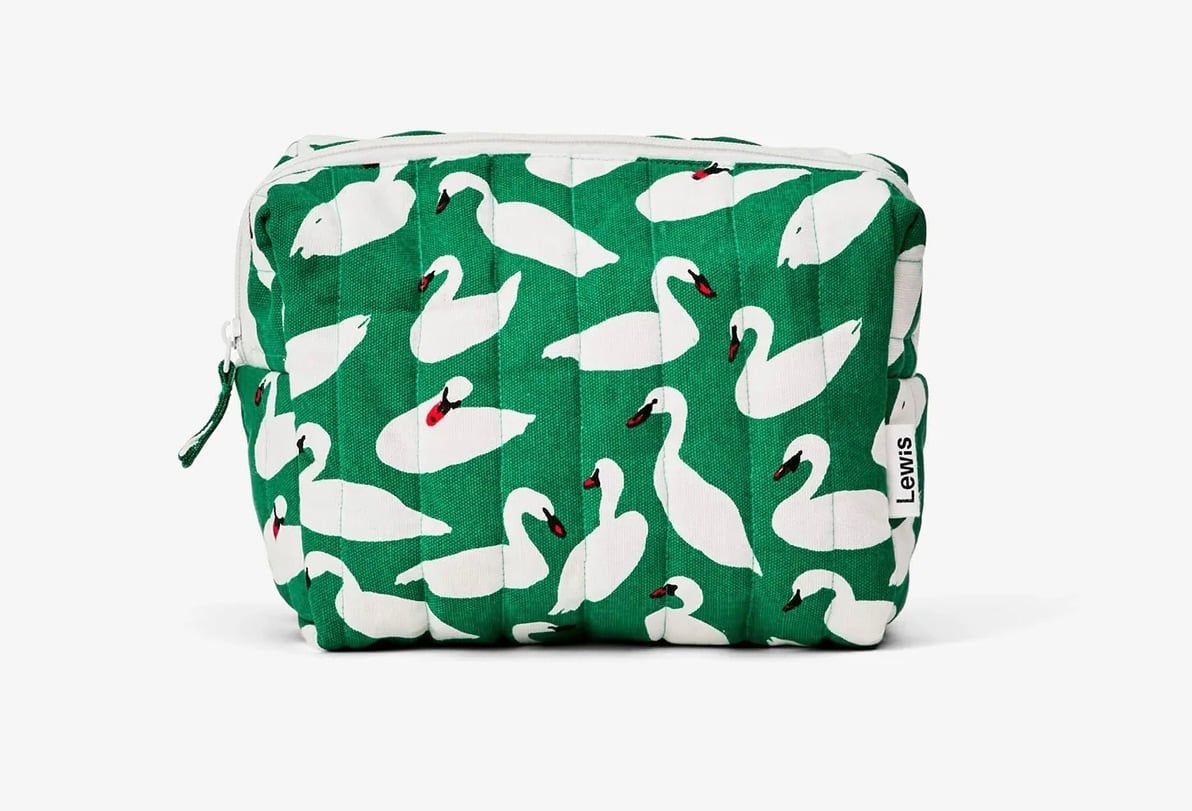
The 2026 guide marks a return to "Domestic Artistry," where the home is viewed as a gallery of personal history and culinary exploration. This is highlighted by the inclusion of the "Swan bud vase" and the "Veg Everything" cookbook. The latter, retailing at $23, represents the mainstreaming of plant-forward diets, which have seen a 30% increase in household adoption since 2022. The timeline of these guides reflects a transition from survival and recovery to a settled, intentional lifestyle that values the domestic sphere as a site of both luxury and community.
Technological Integration and Intergenerational Connectivity
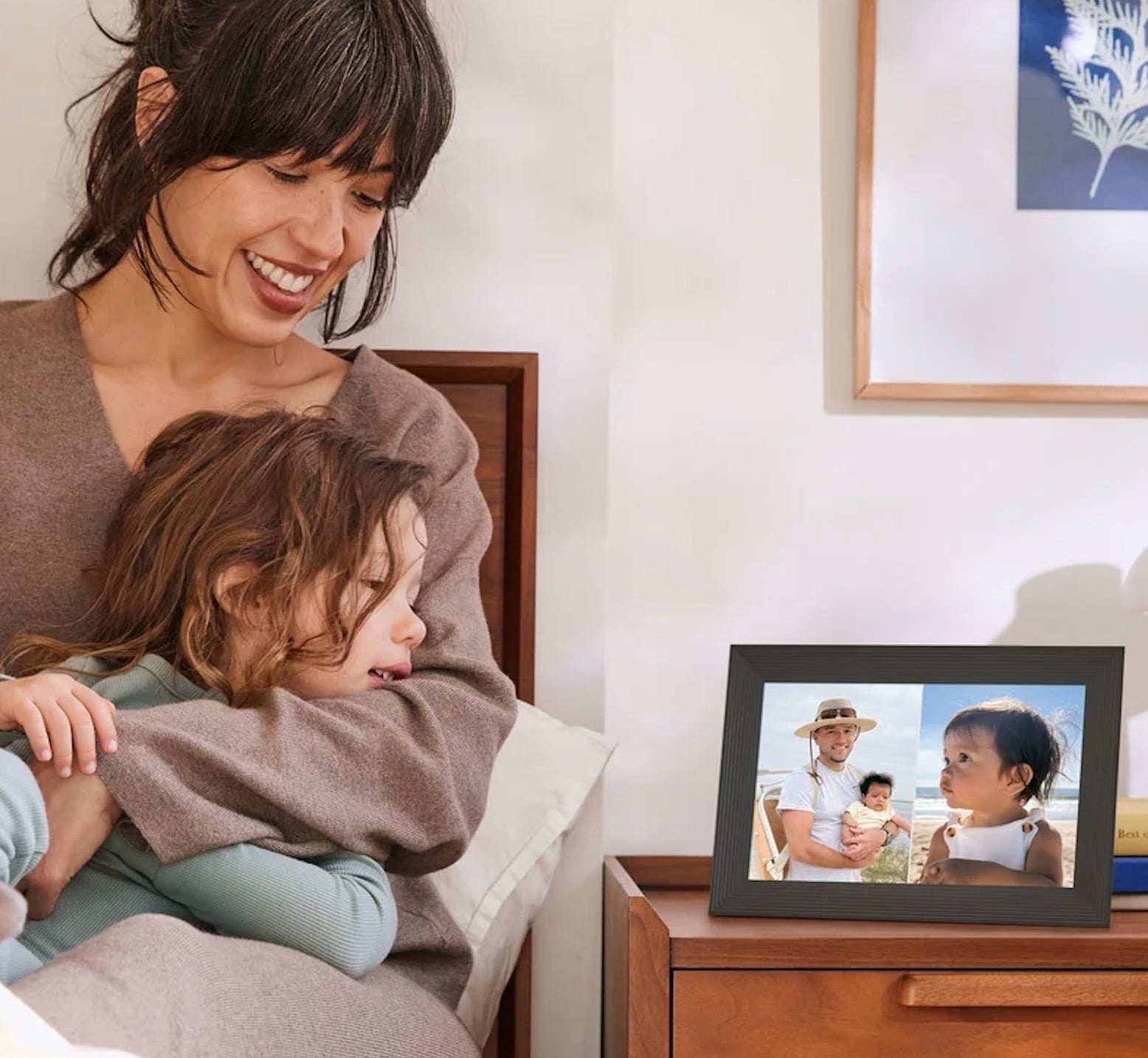
One of the most significant entries in the 2026 list is the Aspen digital photo frame by Aura, priced at $229. This product represents the intersection of the hardware industry and the social media landscape. Unlike traditional tablets, digital frames in 2026 have moved toward unlimited cloud storage and seamless multi-user integration, allowing family members to upload photographs remotely.
Market research from the Global Tech Insights firm indicates that the digital photo frame market has experienced a Compound Annual Growth Rate (CAGR) of 8.5% between 2023 and 2026. The primary drivers are "digitally-native" grandchildren wanting to stay connected with "analog-preferential" grandparents. By providing a hardware solution that requires minimal technical maintenance from the end-user while allowing for high-frequency content updates, brands have solved a major friction point in family communication. The inclusion of a promotional discount (code CUPOFJO) further illustrates the role of affiliate marketing in lowering the barrier to entry for high-tech domestic goods.
Culinary Trends: The Rise of Plant-Forward and Artisanal Goods
The culinary selections in the 2026 guide, specifically the Veg Everything cookbook and premium shortbread, highlight two distinct market movements. First, the cookbook’s emphasis on "15-minute everyday dal" and "Dutch babies with goat cheese" reflects the "Efficient Gourmet" trend. Consumers are increasingly seeking recipes that offer high nutritional value and "Instagrammable" aesthetics without requiring hours of preparation.

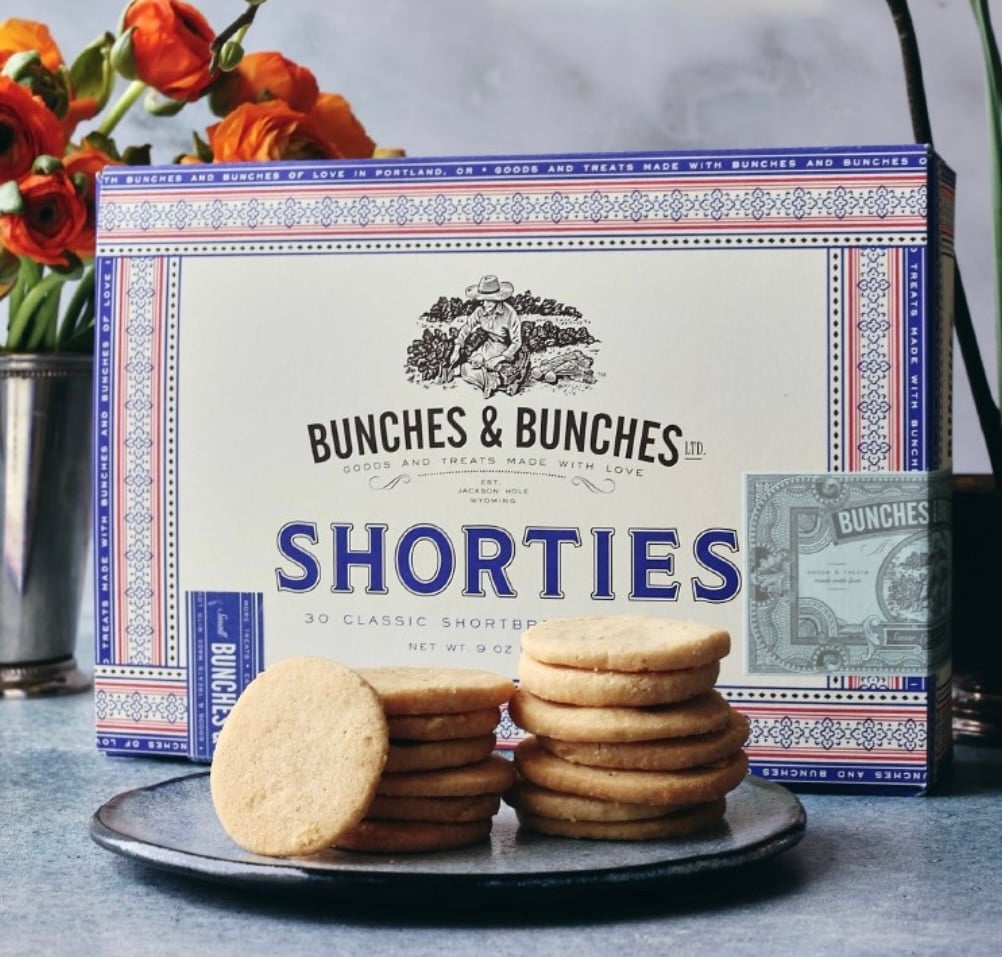
Second, the $19 shortbread represents the "Micro-Luxury" category. In an era of inflation, consumers who may opt out of large-scale purchases are still willing to spend on premium consumables. The "pairing economy"—matching high-end snacks with home-brewed specialty coffee—has become a staple of the 2026 lifestyle. Data from the Specialty Food Association shows that artisanal baked goods have outperformed mass-market alternatives for the third consecutive year, driven by a consumer desire for clean labels and heritage recipes.
Beauty and the "Clean Tint" Movement
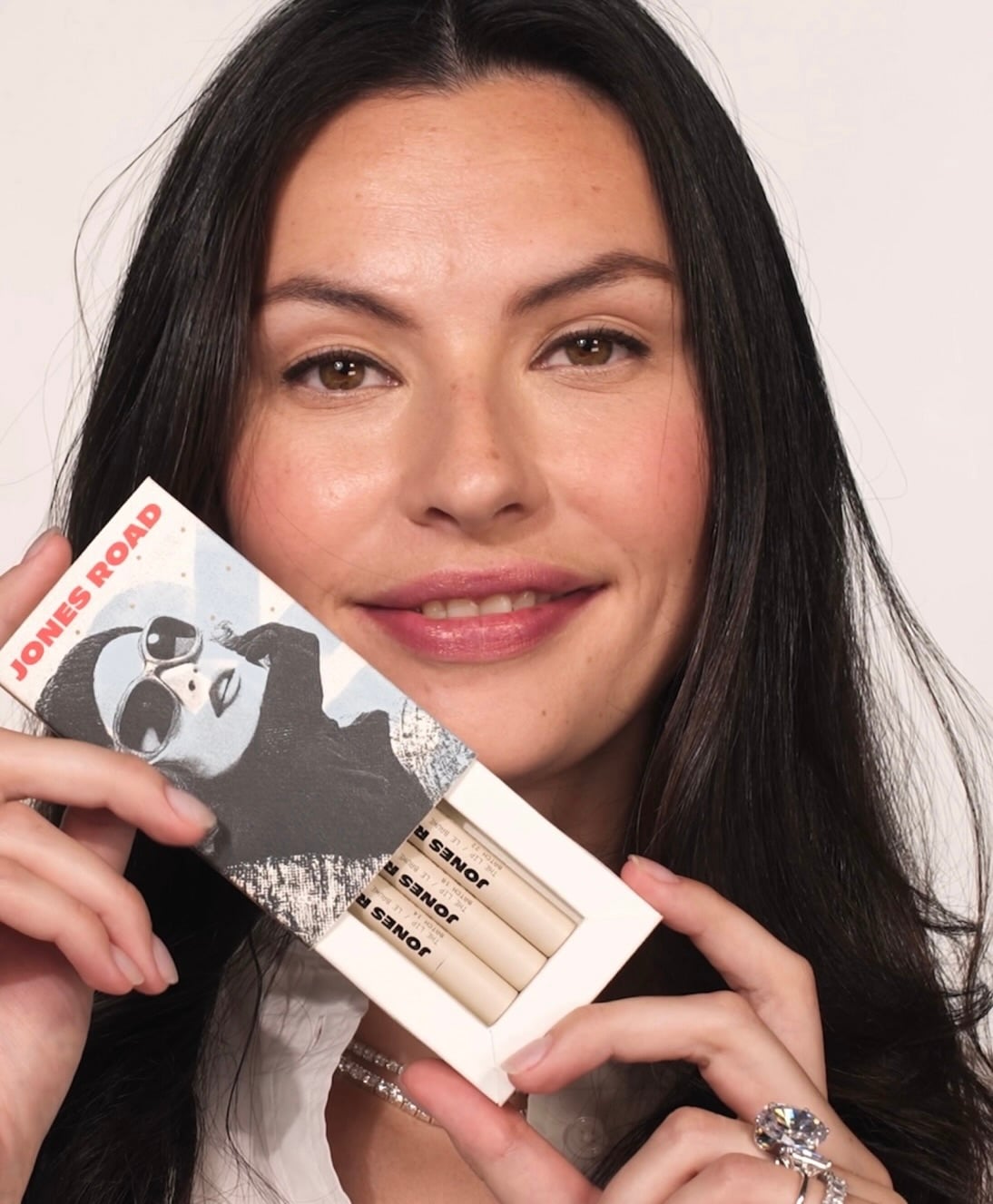
The beauty sector is represented in the guide by a trio of lip tints from Jones Road, priced at $48. This selection is indicative of the "Clean Beauty" standard that has become a regulatory and consumer expectation by 2026. The shift away from heavy foundations toward multi-use tints reflects a broader demographic trend: the "Ageless Beauty" movement.
Middle-aged and older women are increasingly rejecting traditional anti-aging narratives in favor of products that enhance natural features. Jones Road, founded on the principle of "minimalism," has seen exponential growth by targeting this specific sentiment. The 20% discount offered during the holiday season is a tactical move to capture the "self-gifting" market, which now accounts for nearly 25% of all holiday beauty expenditures.
Philanthropy and Conscious Consumerism
A notable departure from material gifting in the 2026 guide is the inclusion of a donation to the One Love Community Fridge. This non-profit organization addresses food insecurity through a decentralized, stigma-free model, providing 24/7 access to fresh produce and meals.
The inclusion of a charitable option reflects a significant shift in the 2026 gifting ethos: "Conscious Gifting." A 2025 survey by the Philanthropy Roundtable found that 40% of Gen X and Millennial donors prefer making a donation in someone else’s name as a holiday gesture, particularly when the recipient "already has everything they need." This trend is particularly strong among maternal figures, who often prioritize community well-being. The One Love Community Fridge model, which utilizes local infrastructure to provide meats, baked goods, and fresh produce, serves as a case study in effective local mutual aid.
The Experience Economy: The Ultimate Gift
The final recommendation in the 2026 guide—a simple dinner together—aligns with the "Experience Economy" data which suggests that time spent remains the most valued commodity. Despite the influx of high-tech and high-luxury goods, 78% of mothers surveyed in a recent lifestyle study indicated that "quality time with adult children" was their most desired holiday outcome.
The guide mentions "Sailor," a New York City-based restaurant, as a suggested venue. This highlights the "Destination Dining" trend, where specific, highly-vetted locations become the focal point of a holiday celebration. The emphasis on "just the two of you" speaks to the need for intimate, focused conversation in an increasingly distracted social environment.
Economic Implications and Affiliate Relationships
The 2026 guide operates within a sophisticated affiliate marketing ecosystem. As noted in the article’s disclosure, purchases made through provided links generate commissions. This business model has become the backbone of modern lifestyle journalism, allowing for the production of high-quality, researched content without traditional paywalls.

The transparency regarding "sponsored relationships" (such as the partnership with Aura Frames) is a requirement under updated 2025 FTC guidelines, which demand clearer distinctions between organic editorial content and paid advertisements. This transparency has, counter-intuitively, increased consumer trust, as shoppers are more likely to purchase recommendations from sources that are honest about their financial incentives.
Broader Impact and Conclusion
The 2026 Holiday Gift Guide for Moms is more than a list of products; it is a reflection of the current socio-economic state. It shows a society that values the comfort of the home, the efficiency of modern technology for the sake of human connection, and the importance of community support through charitable giving.
From the $11 memoir about a snail—representing the "Slow Living" literary trend—to the $228 timeless sweater, the guide balances the aspirational with the attainable. As the retail landscape continues to evolve, the core sentiment remains unchanged: the most effective gifts are those that acknowledge the recipient’s identity as a source of "gentle advice and funny family intel." The 2026 data suggests that while the methods of delivery may change—moving from physical albums to digital frames, or from mass-market goods to artisanal crafts—the underlying desire for recognition and connection remains the primary driver of the holiday economy.
