

The 2026 holiday shopping season has arrived amidst a shifting retail landscape characterized by a return to sentimental value and sustainable luxury. As consumer confidence stabilizes following several years of economic fluctuation, the annual release of curated gift recommendations has become a focal point for the retail sector. This year’s selections for maternal figures emphasize a blend of high-quality textiles, literary depth, and technological connectivity, reflecting a broader societal move toward "intentional gifting." The market for maternal gifts—a segment estimated to represent approximately 15% of total holiday gift expenditures—is increasingly driven by products that offer both functional utility and emotional resonance.
The 2026 Holiday Retail Context and Consumer Behavior
The retail environment of late 2026 is defined by a significant preference for "quiet luxury" and sustainable sourcing. Data from the National Retail Federation (NRF) suggests that households are prioritizing fewer, higher-quality items over bulk purchases. In this climate, the "Mom" demographic remains a primary recipient of thoughtful, high-margin goods. The current gift guide highlights this trend, moving away from ephemeral gadgets and toward items with longevity, such as Fair Isle sweaters and organic home textiles.
Market analysts observe that the "sandwich generation"—adults who are simultaneously caring for aging parents and their own children—are the primary drivers of this spending category. For these consumers, gifts that facilitate comfort for their mothers while bridging the geographical gap between grandparents and grandchildren are of paramount importance. This is evidenced by the inclusion of high-end digital frames and durable home goods that cater to a lifestyle of domestic stability and intergenerational connection.
Chronology of the Annual Maternal Gift Series
The 2026 iteration of the maternal gift guide represents the fourth consecutive year of a highly influential curation series that began in 2023. This timeline illustrates an evolution in consumer tastes:
- 2023-2024: Focus on post-pandemic recovery, emphasizing "self-care" kits, loungewear, and home-office upgrades.
- 2025: A pivot toward "experiential" gifting, such as travel accessories and workshop subscriptions, as global mobility reached new heights.
- 2026: A consolidation of "comfort and community," focusing on high-quality apparel, community-based philanthropy, and sophisticated home technology.
This progression reflects a stabilizing society that no longer views luxury as an indulgence but as an investment in well-being and family heritage. The consistency of these guides has created a predictable "sales lift" for the brands featured, often resulting in inventory sell-outs within the first 72 hours of publication.
Analysis of Key Product Categories
Sustainable Apparel and Domestic Comfort
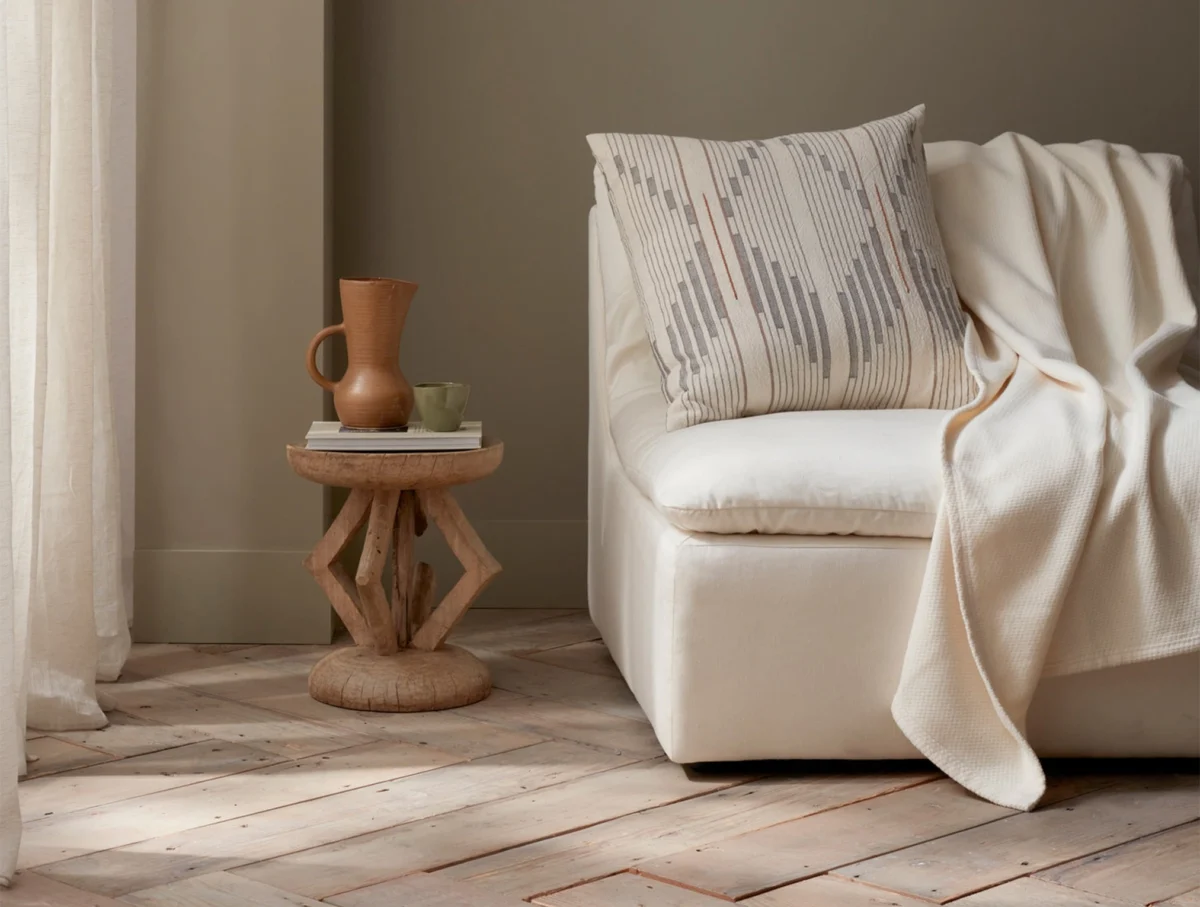
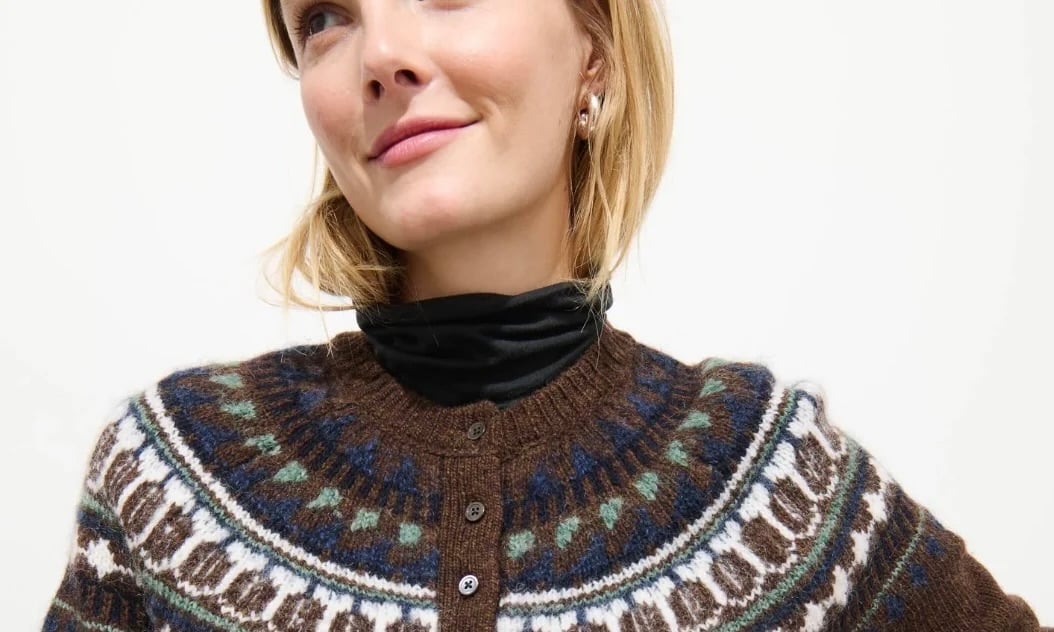
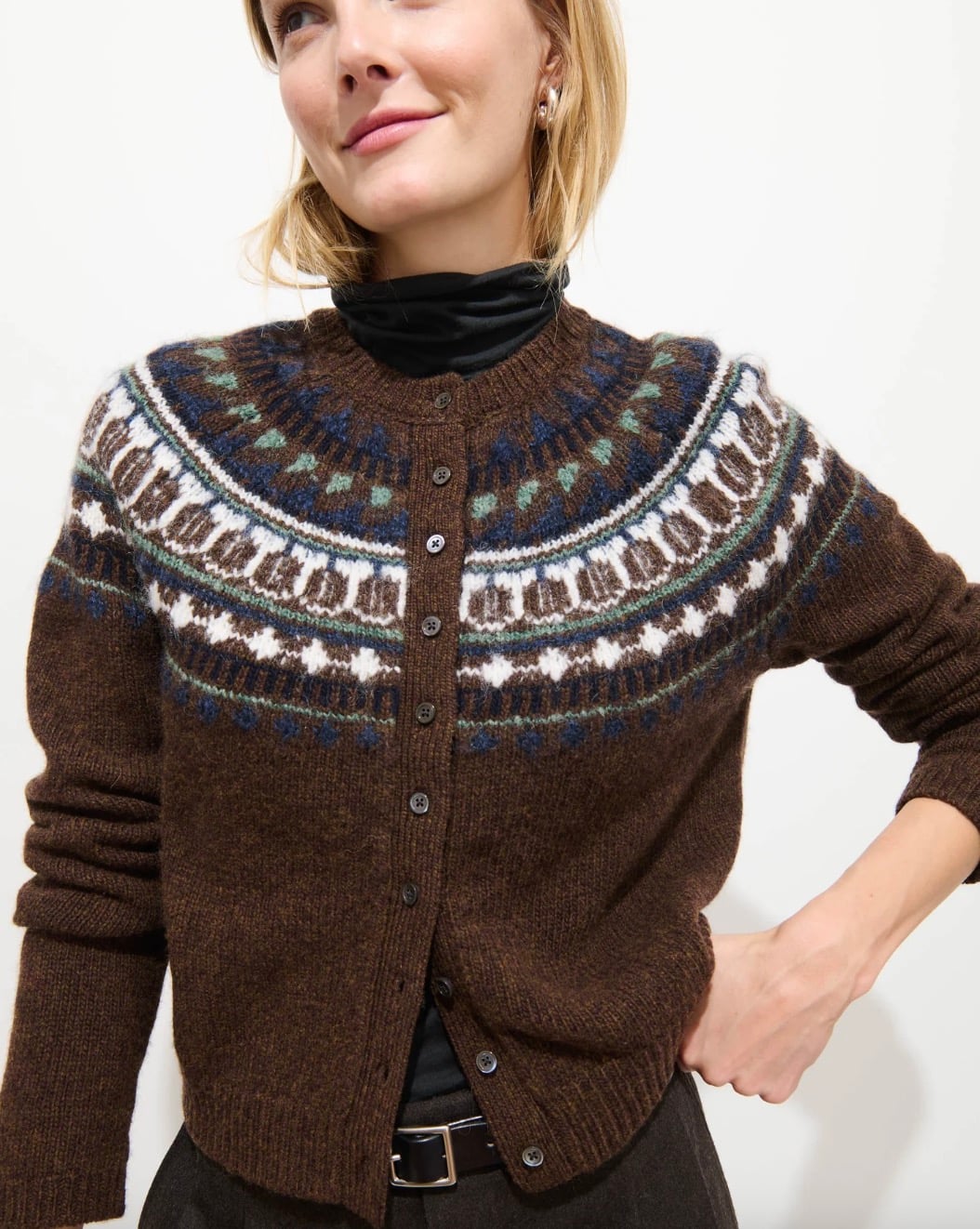
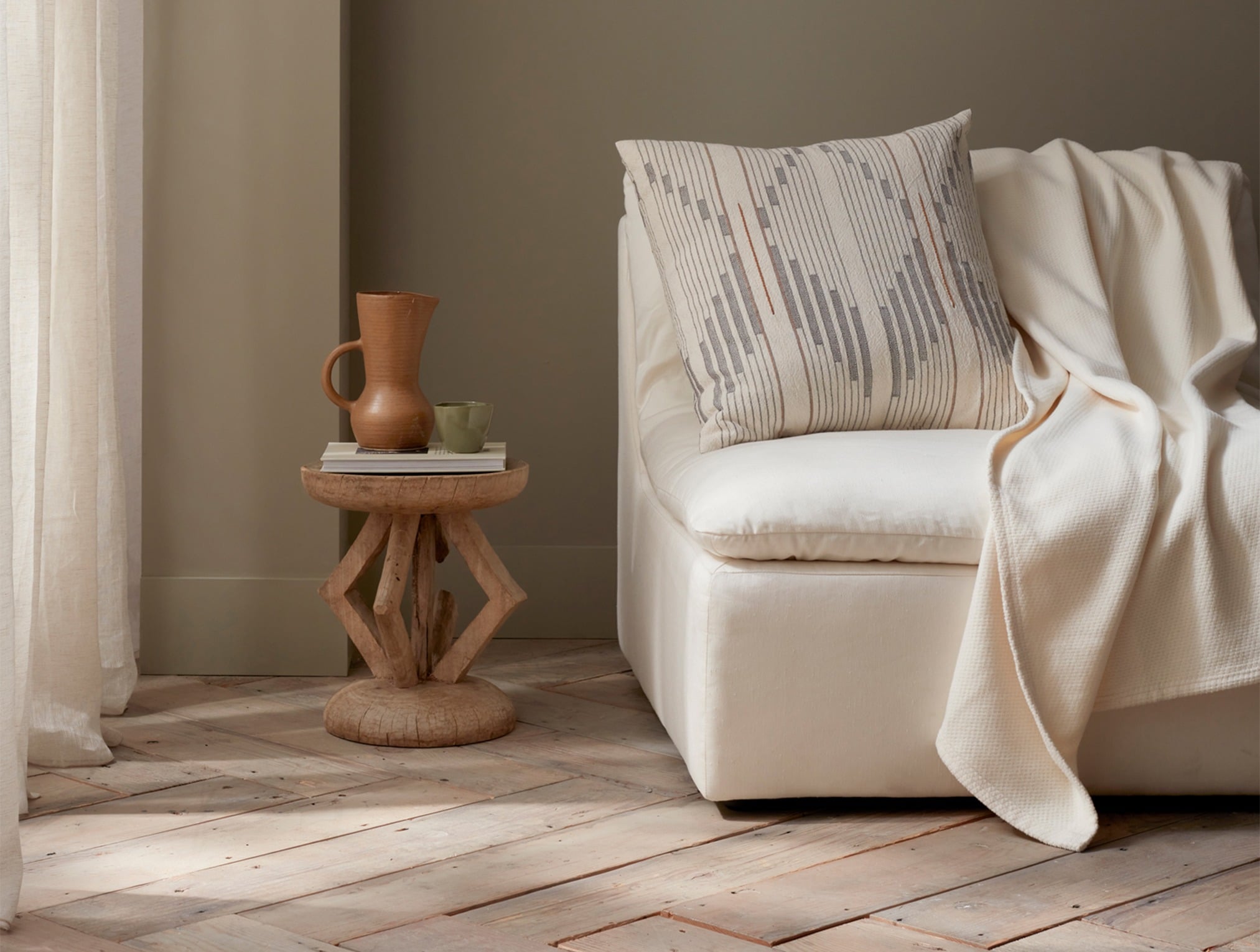
The centerpiece of the 2026 recommendations is the Fair Isle sweater, priced at $228. This item exemplifies the resurgence of traditional craftsmanship in the modern wardrobe. Accompanied by washed cashmere options and Japanese-style house shoes, the selection points to a demand for "at-home elegance." Complementing the apparel is the organic throw, starting at $98, and breathable cotton pajama sets. According to textile industry reports, the market for organic cotton and sustainable wool has grown by 12% annually as consumers become more sensitive to the environmental footprint of their holiday purchases.
Culinary and Literary Trends
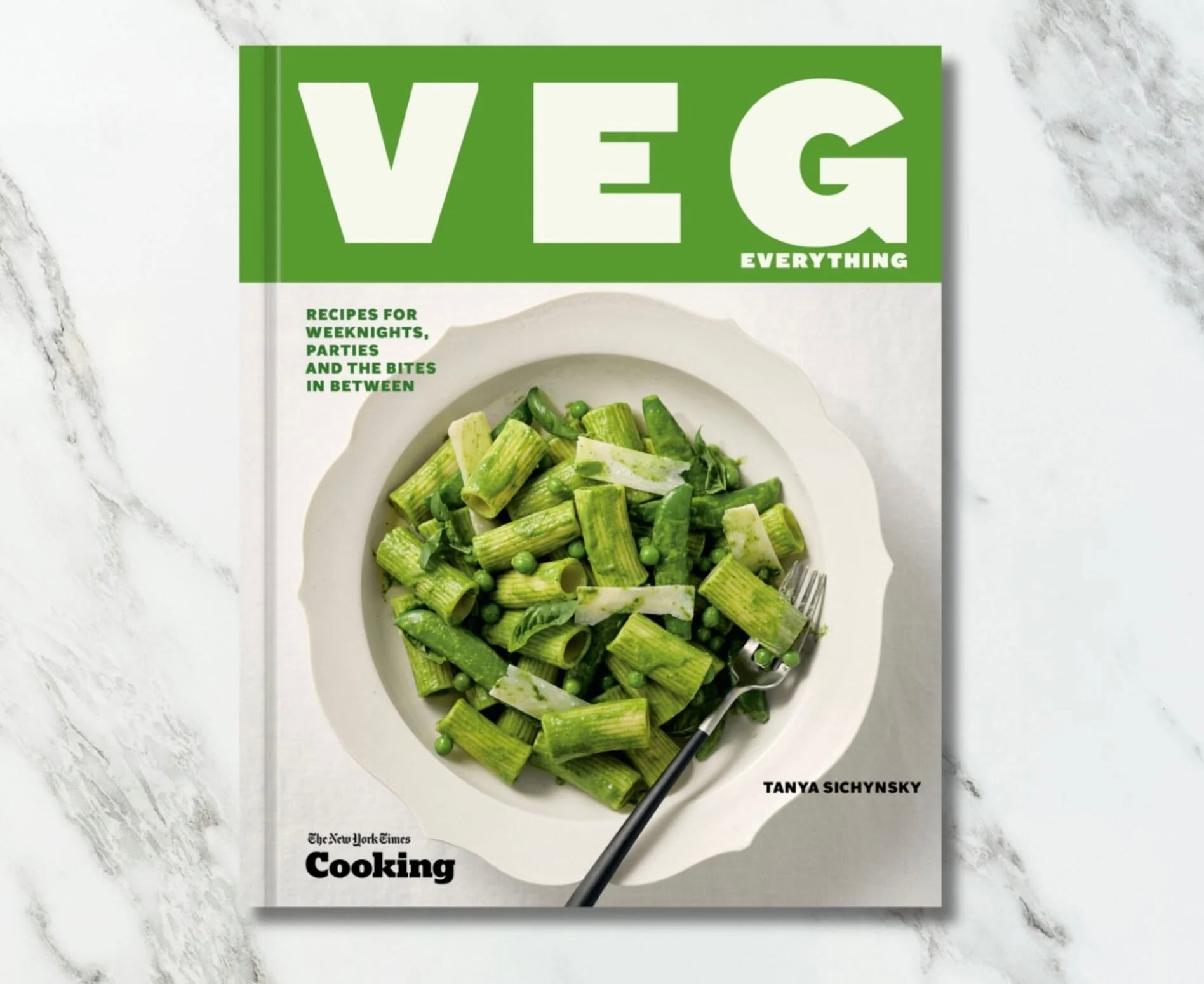
The culinary sector continues to see a shift toward plant-based diets, as highlighted by the inclusion of Veg Everything, a bestselling cookbook priced at $23. The book features 101 vegetarian recipes, including a 15-minute daily dal and a Dutch baby with goat cheese and dill. This reflects a broader 2026 health trend where "everyday vegetarianism" has moved from a niche lifestyle to a mainstream dietary standard.
In the literary category, the guide balances high-stakes fiction with contemplative non-fiction. A Guardian and a Thief, a novel exploring the depths of maternal protection priced at $19, caters to the enduring popularity of domestic thrillers. Conversely, a memoir regarding the life of a snail ($11) represents the "slow living" literary movement, which has gained a significant following among readers looking to disconnect from the digital fatigue of the mid-2020s.
Technology and Intergenerational Connectivity
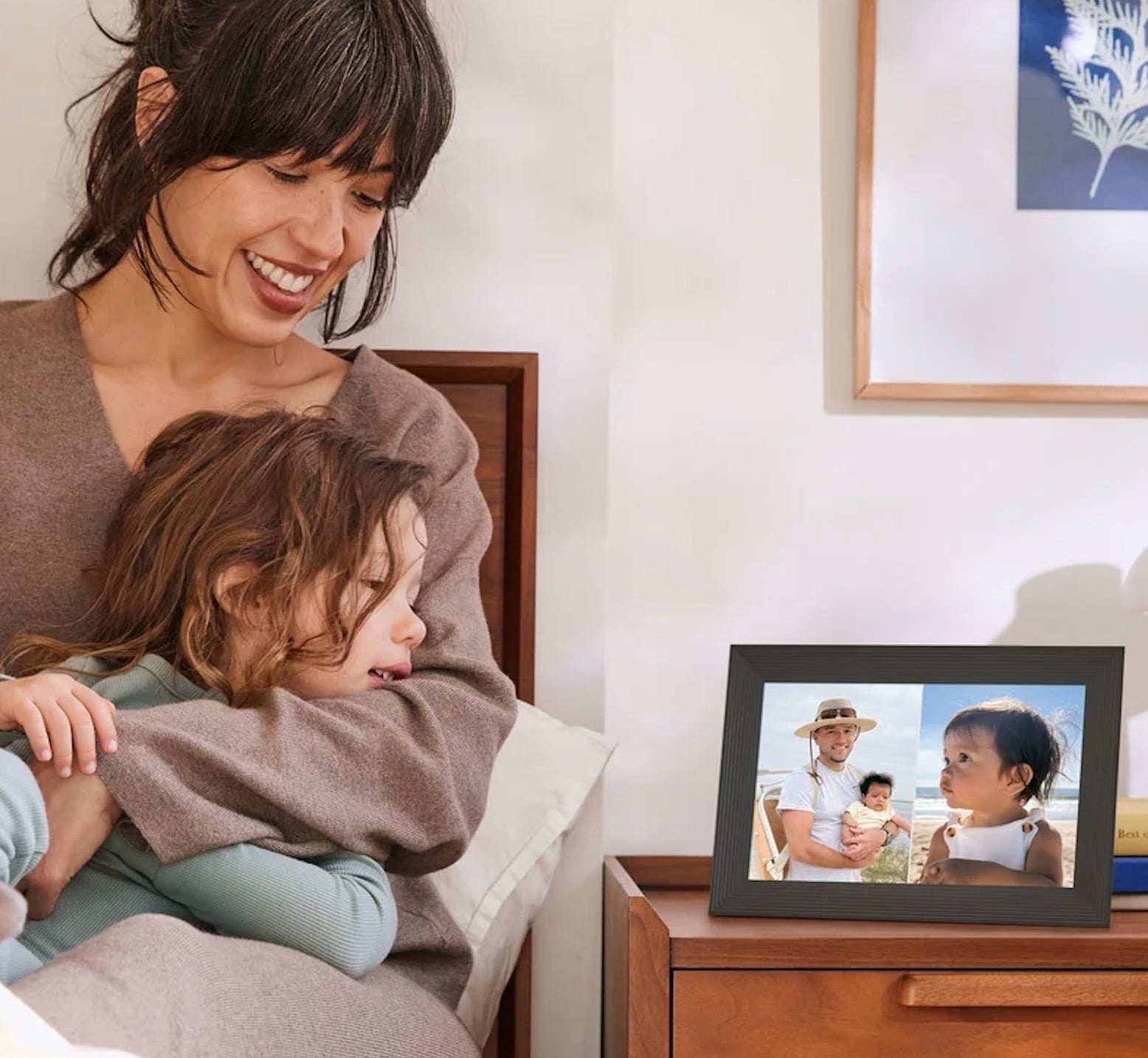
The most significant technological inclusion is the $229 digital photo frame, specifically designed for multi-generational use. This device allows family members to upload photos remotely, addressing the needs of the approximately 40% of American families who live more than 100 miles apart. By offering unlimited storage and a streamlined interface, these devices have become essential tools for maintaining emotional proximity in a digitally fragmented world. The frame’s "Aspen" model, specifically highlighted for the 2026 season, incorporates updated high-definition displays that mimic the appearance of printed matte photography, aligning with the "analog-digital" aesthetic preferred by older demographics.
Philanthropy and the Rise of "Community Gifting"
A notable shift in the 2026 guide is the formalization of charitable donations as a primary gift option. The recommendation to donate to the One Love Community Fridge represents a departure from traditional consumerism. This non-profit organization manages a network of refrigerators that provide 24/7 access to fresh produce, meats, and ready-made meals without the stigma often associated with food pantries.
Data from the Philanthropy Roundtable indicates that "tribute giving"—donations made in honor of a loved one—has increased by 18% among Gen X and Millennial donors since 2024. By integrating this into a gift guide, curators are acknowledging that for many maternal figures, the most meaningful gift is the support of a social cause. This reflects a growing "conscientious consumer" base that evaluates a gift’s value based on its social impact rather than its retail price.
Economic Implications and Industry Responses
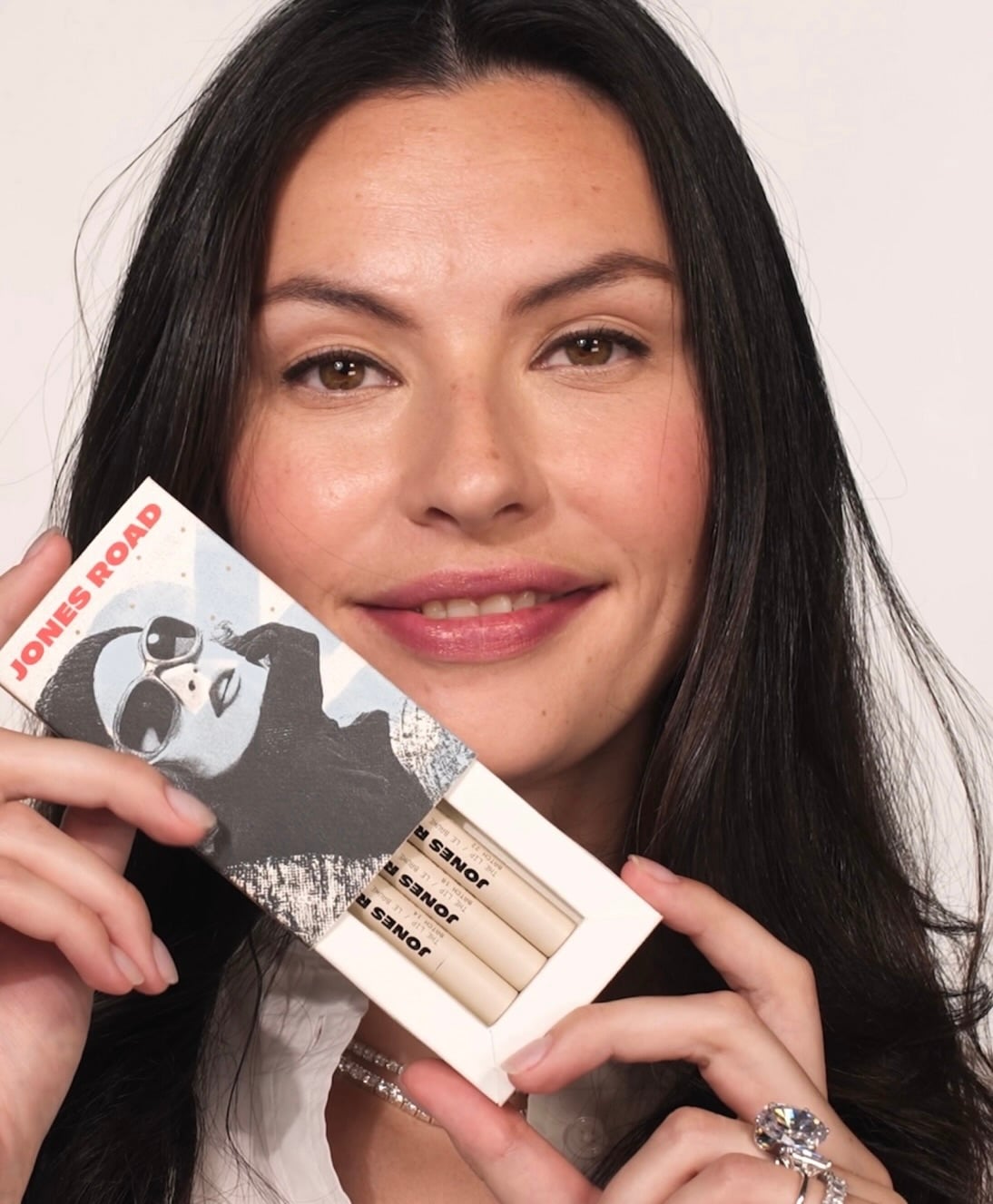
The inclusion of specific discount codes, such as those for Anthropologie and Jones Road, indicates a sophisticated affiliate marketing ecosystem that continues to dominate the digital retail space in 2026. Jones Road, the "clean beauty" brand founded by Bobbi Brown, has seen a 25% increase in its "lip tint" category, driven largely by the demographic of women over 50 who prioritize ease of application and skin-healthy ingredients.
Retail analysts suggest that these partnerships are mutually beneficial. "The curated gift guide acts as a de facto seal of approval," says Dr. Elena Rodriguez, a retail consultant. "In an era of AI-generated noise and infinite choice, consumers are willing to pay a premium for human-vetted recommendations. The ‘Cup of Jo’ effect, as it is known in the industry, can provide a smaller brand with more visibility than a multi-million dollar traditional advertising campaign."
Official Statements and Social Impact
While the brands themselves have largely declined to comment on specific sales figures, representatives from the non-profit sector have expressed gratitude for the visibility provided by these guides. A spokesperson for the One Love Community Fridge stated, "Publicizing the fridge model during the holiday season is vital. It reminds people that while they are celebrating with their families, there are local, sustainable ways to ensure their neighbors are also fed. This type of exposure brings in a new wave of sustaining donors who keep the fridges stocked year-round."
Furthermore, the beauty industry has responded to the guide’s focus on "face-waking" simplicity. A statement from a major cosmetics conglomerate noted that they are shifting their 2027 R&D budgets to focus more on "hybrid products"—items that combine skincare benefits with subtle cosmetic tints—following the massive success of the Jones Road trio featured in this year’s list.
Broader Impact: The Shift Toward Experiential Culmination
The final recommendation in the guide—a dinner shared between the giver and the recipient—underscores the most significant trend in 2026: the "Experience Economy." Economists at the Bureau of Economic Analysis have noted that spending on food services and accommodations has outpaced spending on durable goods for three consecutive quarters.
The choice of "Sailor," a New York City-based restaurant, as a symbolic location for this dinner highlights the importance of the "third space" in maternal relationships. As the article concludes, the ultimate desire for most mothers in 2026 is not a physical object, but the dedicated time of their adult children. This sentiment is reflected in the 32-plus comments and active discussions among readers, who overwhelmingly cite "time spent" as the highest-value item on their personal wish lists.
In summary, the 2026 maternal gift guide serves as a microcosm of the current American retail and social landscape. It balances the high-end material desires of a stable economy with the deep-seated human need for connection, sustainability, and community support. As the holiday season progresses, these selections are expected to set the tone for the final quarter’s economic performance, proving once again that the maternal demographic remains the heart of the holiday market.
