

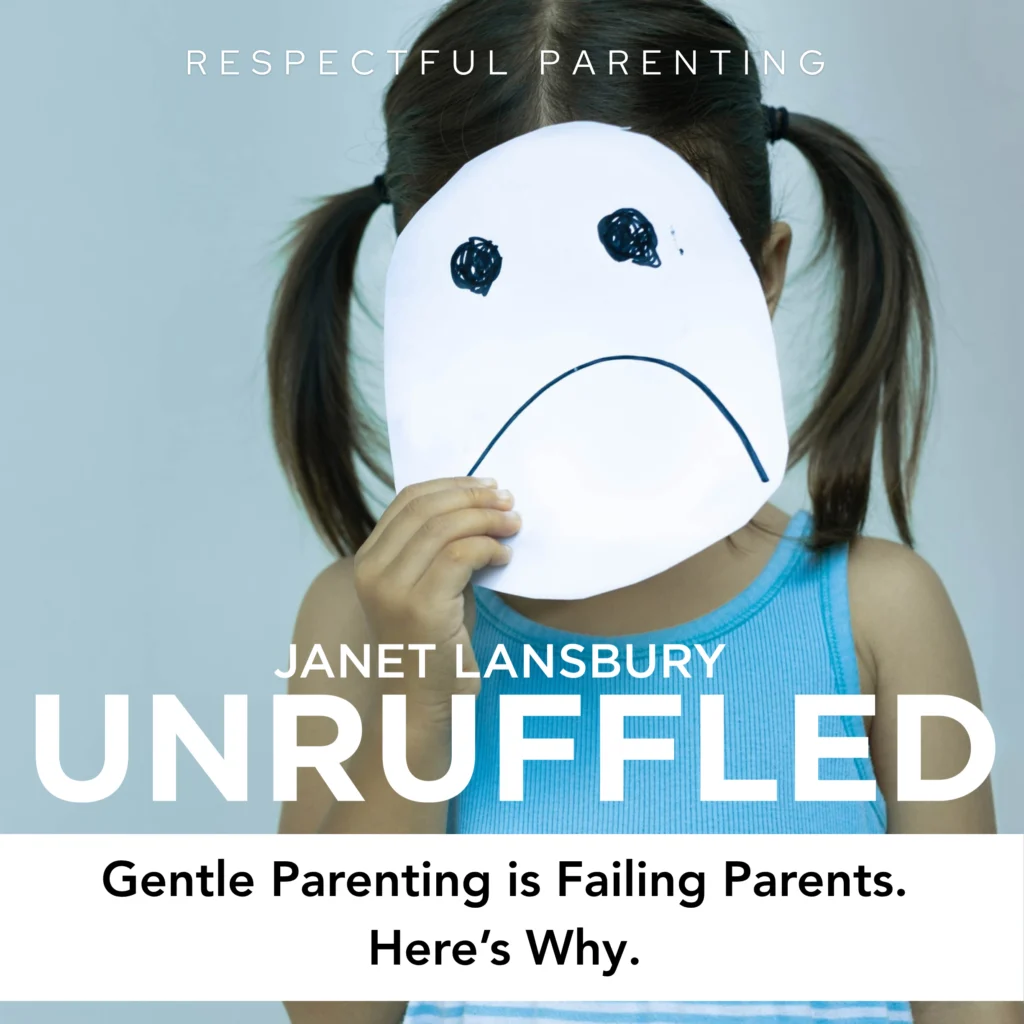
A growing number of parents are reporting feelings of exhaustion, self-doubt, and frustration with the "gentle parenting" approach, leading to a critical re-evaluation of its effectiveness. While initially lauded for its emphasis on empathy and connection, the practical application of gentle parenting appears to be leaving many families struggling to establish consistent boundaries and navigate challenging child behaviors. This widespread sentiment suggests that the core principles of gentle parenting may be misinterpreted or inadequately equipped to address the complexities of raising children, prompting a search for more effective, albeit perhaps less trendy, parenting strategies.
The Rise and Repercussions of Gentle Parenting
The term "gentle parenting" gained significant traction in recent years, particularly among millennial and Gen Z parents. It emerged as a response to more authoritarian styles, advocating for a parenting philosophy centered on respect, empathy, and understanding a child’s emotional landscape. Proponents suggest this approach fosters strong parent-child bonds, builds intrinsic motivation, and leads to well-adjusted individuals. However, anecdotal evidence and growing online discourse indicate a disconnect between the aspirational goals of gentle parenting and the lived experiences of many parents.
The popularity of gentle parenting has also attracted criticism, with some commentators and parenting figures arguing that it can lead to permissive behavior, a lack of necessary boundaries, and children who struggle with self-regulation. This critique is amplified by social media trends, where discussions around parenting styles are frequent and often polarized. The emergence of contrasting approaches, such as "FAFO" (F-Around and Find Out), which emphasizes natural consequences, highlights a perceived pendulum swing in parenting philosophies, driven by parental frustration with existing models.
Deconstructing "Gentle": The Ambiguity of a Label
A significant challenge in evaluating gentle parenting lies in its varied interpretations. Janet Lansbury, a prominent voice in parenting discourse, notes her own uncertainty regarding a precise definition of "gentle parenting," despite her approach often being associated with it. She observes that the term itself, when used as the primary descriptor for a parenting style, may be insufficient. "Gentle," Lansbury suggests, is more of a trait or a byproduct of confident leadership, rather than a foundational strategy. Leading with "gentle" can lead parents to be overly cautious, tentative, and prone to over-explaining, potentially stifling their own authority and effectiveness.
Lansbury contrasts this with the term "respectful parenting," which she finds more aspirational. Respect, in this context, implies treating children as whole, capable individuals from birth, fostering honesty, care, and an understanding of their inherent worth. However, even "respectful" can, in practice, lead to hesitation. The crucial element, Lansbury argues, is "confident leadership," particularly when children are struggling or exhibiting challenging behaviors. Confidence, she posits, allows for true gentleness born from strength, not from a fear of a child’s reaction.
The "FAFO" Trend: A Reactionary Shift?
The recent internet buzz around "FAFO" parenting, short for "F-Around and Find Out," signals a potential shift driven by dissatisfaction with gentler approaches. This style, as described by YPulse reporting on a Wall Street Journal article, suggests that parents should allow children to experience the natural repercussions of their actions after clear warnings. For instance, a child who refuses to wear a raincoat might be allowed to experience getting wet.
While this approach aims to teach accountability, Lansbury cautions against viewing it as an ideal solution. She suggests that the attraction to "FAFO" might stem from parental exhaustion and a desire for payback for perceived difficulties, rather than a sustainable parenting strategy. The risk, she notes, is that such approaches can become punitive or even enjoyable in their harshness, ultimately undermining the desired parent-child relationship. This reactionary trend underscores a broader struggle: finding a balance between nurturing a child’s emotional well-being and establishing firm, consistent guidance.
The Core Issue: Confident Leadership Over Tentative Gentleness
Lansbury’s analysis points to a fundamental flaw in how "gentle parenting" is often implemented: a reliance on a soft, often hesitant, approach that fails to provide the necessary structure and certainty children need. This is particularly evident when dealing with typical childhood behaviors.
Seven Pillars of Confident Parenting Leadership:
To counter the perceived failures of overly gentle approaches, Lansbury outlines seven key areas for parents to cultivate confident leadership:
- Gain Perspective: Step back and recognize the child’s developmental stage. Despite their sometimes overwhelming behaviors, young children are inherently small and dependent. This perspective can help parents feel more capable of handling their children’s needs.
- Understand the "Why" of Misbehavior: Grasping the underlying reasons for a child’s actions, rather than viewing them as deliberate defiance, reduces intimidation and allows for a more empathetic, yet firm, response. Resources like Lansbury’s "No Bad Kids Master Course" delve into this understanding.
- Accept the Boundary-Feeling Dynamic: Parents are encouraged to establish clear boundaries, understanding that children are entitled to their feelings about these limits. The key is to allow these feelings without letting them dictate actions or unsafe behaviors.
- Navigating Cooperative Tasks: Caregiving activities like cleaning up or bedtime routines require a nuanced approach. Confident leadership here means knowing when to be firm but also when to be flexible, cutting losses when necessary to maintain a positive flow.
- Embrace Messiness and Imperfection: Parenting is inherently messy. Accepting that perfection is unattainable, and that mistakes are part of the learning process, allows for greater confidence. The ability to apologize and repair after missteps is crucial.
- Recall Moments of Success: Parents are urged to reflect on times when their parenting felt effective. Identifying the internal state during those moments—whether it was decisiveness, capability, or clarity of boundaries—can help replicate those conditions for future situations.
- Progress, Not Perfection: Acknowledging that the journey is a process is vital. Aiming for this confident leadership even 50% of the time is a significant step, as relationships and parenting skills evolve over time.
Contrasting Approaches: Gentle Parenting as Defined by Experts
To further illustrate the potential disconnect, Lansbury references an article by Dr. Laura H. Dawson on the Brown University Health website, which outlines key aspects of gentle parenting.
- Parent as Teacher: This involves helping children identify and understand emotions. However, Lansbury argues that verbalizing a child’s frustration during a tantrum can often exacerbate it, as the child is overwhelmed and seeking immediate support, not analysis. While modeling kindness and empathy is universally beneficial, it is not exclusive to gentle parenting.
- Appropriate Developmental Expectations: Recognizing that broad emotional swings in young children and boundary-pushing in older ones are normal is indeed crucial. However, this understanding should inform all parenting styles, not just gentle parenting, to avoid judgment and foster connection.
- Avoiding Punishments and Behavioral Rewards: The article suggests that gentle parenting eschews traditional punishments and rewards, focusing instead on connection, understanding distress, and proposing alternatives. Lansbury questions the efficacy of extensive dialogue during impulsive behaviors, comparing it to a diet-conscious individual being lectured after reaching for chocolate – a disconnect that can be counterproductive.
- Developing Boundaries: Gentle parenting emphasizes flexibility, empathy, respect, and understanding when setting boundaries. An example given is negotiating bedtime routines. Lansbury contends that this often involves excessive explanation for behaviors that require direct guidance, not reasoned discussion. A more authentic approach, she suggests, is direct, simple guidance.
- Revisiting and Repairing: The principle of repairing exchanges that were not gentle is positive. The article states that children should feel their parents are "on their side." Lansbury emphasizes that prioritizing the relationship is paramount, and any approach that distances parent and child is fundamentally flawed.
Drawbacks and Misinterpretations
The article by Dr. Dawson also highlights potential drawbacks of gentle parenting:
- Time and Energy Intensive: It suggests gentle parenting requires significant time and energy for patience, communication, and empathy. Lansbury counters that authoritarian methods involving punishments or bribes can be equally, if not more, time-consuming and energy-draining. The key is efficient, confident leadership, not extended negotiation.
- High Parental Investment: The approach assumes parents possess significant psychological insight without formal training. Lansbury argues that basic empathy and reflection—acknowledging a child’s state with simple phrases like "I see you, my love"—are sufficient, rather than requiring deep psychological analysis.
- Overemphasis on Self: Critics suggest that focusing too much on one’s own emotional state could hinder a child’s development of empathy and resilience. Lansbury strongly refutes this, stating that allowing emotions is about letting children have feelings while life continues, not about prolonged self-examination.
The Universal Principle: Confident Leadership
Lansbury pushes back against the notion that there is no one-size-fits-all approach to parenting. She asserts that a combination of tuning into children, allowing their feelings, being confident leaders who respect them, understanding that the relationship is central, and being gentle without being harsh or cruel, constitutes a universal, effective parenting model. Her 30 years of experience with children have shown her that this approach consistently yields positive results.
The path forward, Lansbury suggests, is not to swing to an extreme but to cultivate confident leadership. This involves perspective-taking, understanding child behavior, accepting the boundary-feeling dynamic, adapting for cooperative tasks, embracing imperfection, recalling successful moments, and recognizing that progress is a gradual process. By focusing on these pillars, parents can move away from the perceived failures of overly tentative "gentle" approaches and toward a more grounded, effective, and ultimately more fulfilling parenting experience.
