

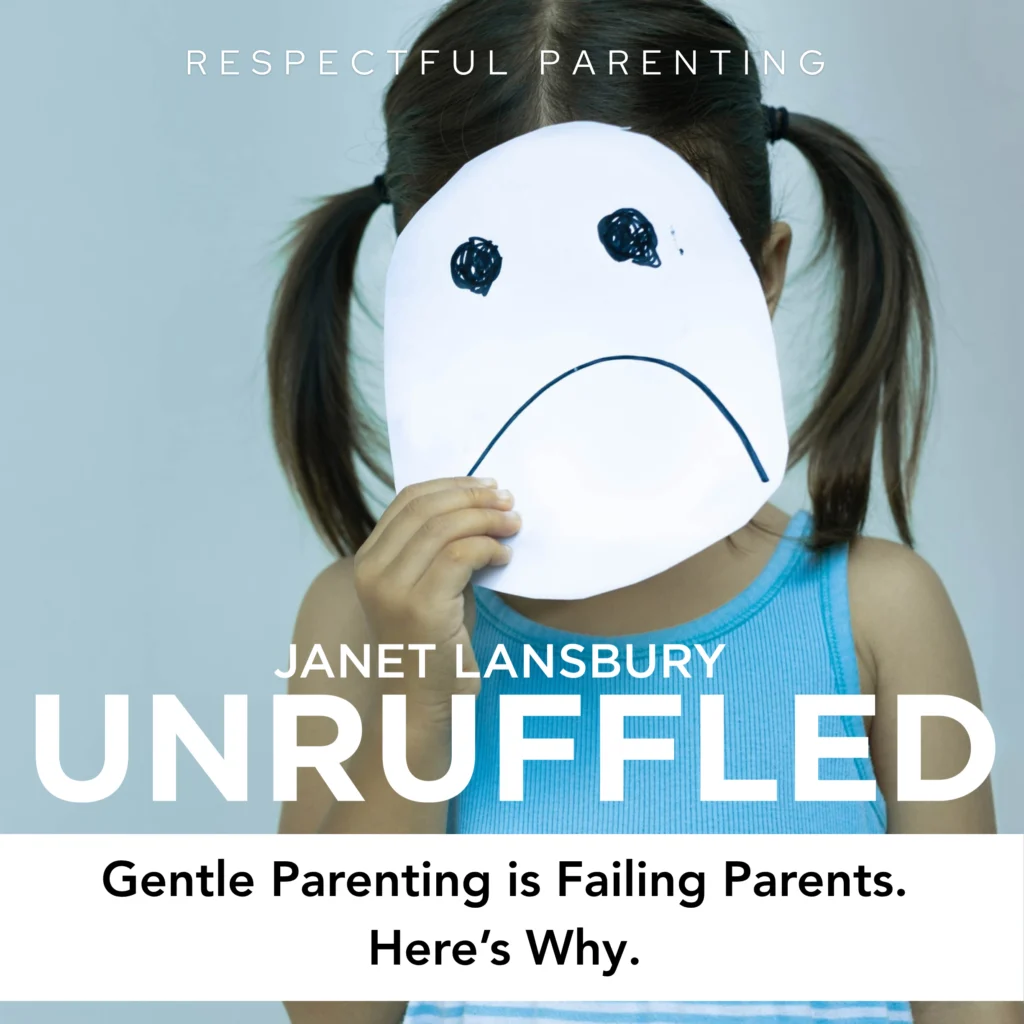
A growing sentiment among parents suggests that the increasingly popular "gentle parenting" approach, intended to foster calmer family dynamics, is instead leaving many feeling exhausted, uncertain, and struggling to implement necessary boundaries. This disconnect has sparked a broader conversation about the efficacy and interpretation of gentle parenting, with experts and parents alike questioning its real-world application and suggesting a shift towards "confident leadership" as a more effective model.
The Rise and Critiques of Gentle Parenting
In recent years, gentle parenting has surged in popularity, championed by parenting influencers and embraced by many millennial and Gen Z parents seeking alternatives to more traditional, authoritarian methods. At its core, the philosophy advocates for empathy, respect, and understanding in addressing children’s behavior, emphasizing open communication and avoiding punitive measures. However, a recent trend, dubbed "FAFO" (F-Around and Find Out) by some online communities, signals a potential backlash, with parents reportedly moving towards approaches that embrace more direct consequences for actions. This shift highlights a perceived struggle with the practicalities of consistently applying gentle parenting principles in the face of challenging child behavior.
Janet Lansbury, a prominent parenting educator whose work is often associated with gentle parenting, addresses these concerns in a recent discussion, noting the ambiguity surrounding the term’s definition. "I have actually not been sure, because it’s not a term that I’ve ever used to describe the approach that I recommend," Lansbury states. She observes that while publications often criticize gentle parenting, the specific tenets can vary, leading to diverse interpretations and implementations.
Deconstructing "Gentle Parenting"
The ambiguity of "gentle parenting" is a central theme in the critique. Lansbury recalls that the term "gentle discipline" emerged in the early days of parenting blogs, often associated with attachment parenting. Her initial impression was that it leaned towards permissiveness, aiming to shield children from disappointment. This perception of a potentially permissive approach is echoed by critics who argue that an overemphasis on avoiding negative emotions can undermine the establishment of crucial boundaries.
Dr. Laura H. Dawson, an MD, offers insights into gentle parenting, highlighting its core components: the parent as a teacher, appropriate developmental expectations, avoiding punishments and behavioral rewards, and developing boundaries with empathy and flexibility. While these principles aim to strengthen the parent-child bond, Lansbury and others suggest that their execution can inadvertently lead to parental exhaustion and a lack of confidence.
The Case for Confident Leadership
Lansbury posits that "gentle" itself may be an insufficient descriptor for the demands of parenting. She argues that while gentleness is a desirable trait, it should be a byproduct of a more robust leadership style. "Parenting is actually kind of aspirational, we want to head in a direction that feels positive for us. But if the main point in that direction is gentle, it’s not going to serve us," she explains.
Instead, Lansbury champions "confident leadership" as a more effective framework. This approach, she argues, allows parents to be genuinely gentle from a place of strength, rather than weakness or fear of their child’s reaction. Confident leadership, in this context, means being the steady, reliable figure a child needs, especially during moments of struggle or misbehavior. This does not equate to harshness, but rather to a grounded presence that can set limits without faltering.
Pillars of Confident Parenting
To cultivate this confident leadership, Lansbury outlines seven key considerations for parents:
-
Take a Step Back and Gain Perspective: Recognizing the child’s developmental stage and inherent smallness can help parents reframe challenging behaviors. Instead of viewing children as overwhelming figures, understanding their immaturity can foster a sense of capability in the parent to guide them. Data from child psychology consistently shows that toddlers and preschoolers are still developing impulse control and emotional regulation, making their "big" reactions a normal part of their development, not a personal affront to the parent.
-
Understand the "Why" of Misbehavior: Gaining a basic comprehension of why children act out—often due to unmet needs, developmental limitations, or emotional overwhelm—can demystify their behavior. This understanding reduces anxiety and allows parents to respond with greater clarity and less emotional reactivity. Educational resources like Lansbury’s "No Bad Kids Master Course" aim to provide this foundational knowledge, emphasizing that behavior is communication, not necessarily malice.
-
Accept the Dynamic of Boundaries and Feelings: A fundamental principle is the understanding that parents set boundaries, and children are allowed to experience and express their feelings about those boundaries. This doesn’t mean allowing unsafe actions, but rather accepting that a child’s disappointment or frustration is a natural consequence of limits. This acceptance frees parents from the pressure to immediately "fix" their child’s emotions, allowing them to maintain their leadership role.
-
Navigating Cooperative Tasks: Tasks like tidying up or bedtime routines, often termed "caregiving tasks," require a specific kind of confidence. Parents may need to accept partial completion or "cut their losses" when a child struggles, demonstrating flexibility while still upholding the necessity of the task. This nuanced approach prevents power struggles and fosters a sense of partnership.
-
Embrace the Messiness: Parenting is inherently imperfect and often untidy. Accepting that both children and parents will make mistakes is crucial. The ability to acknowledge errors, apologize, and make peace later is a sign of strength and resilience, reinforcing the parent’s capacity for confidence.
-
Recall Moments of Success: Reflecting on times when boundary-setting felt effective can provide valuable insights. Parents can identify what they were doing differently—perhaps feeling more decisive or less observed—and attempt to recreate those conditions for future interactions. This builds on existing strengths and reinforces a positive feedback loop.
-
Aim for Progress, Not Perfection: The journey of parenting is ongoing. Lansbury emphasizes that aiming for confident leadership even 50% of the time is a significant achievement. The process is relational and developmental, and consistent effort in this direction will yield positive results.
Implications and Broader Impact
The critique of gentle parenting and the advocacy for confident leadership raise significant implications for how parents approach child-rearing. If gentle parenting, as interpreted by some, leads to parental burnout and a perceived lack of control, it can indeed be detrimental. Conversely, a model of confident leadership, grounded in respect and understanding, promises a more sustainable and effective path.
The trend towards approaches like "FAFO," while seemingly a reaction to perceived permissiveness, also carries risks. A parenting style that leans towards harshness or a sense of retribution can damage the parent-child relationship, creating an environment of fear rather than trust. The goal, therefore, is not to swing to an extreme but to find a balanced, confident approach that prioritizes the relationship while maintaining necessary structure.
Ultimately, the conversation around gentle parenting highlights the need for clear, actionable guidance that empowers parents. By focusing on confident leadership, understanding child development, and embracing the realities of family life, parents can cultivate stronger relationships with their children, fostering security, resilience, and a more harmonious home environment. The emphasis shifts from simply being "gentle" to being a capable, consistent, and loving leader.
