

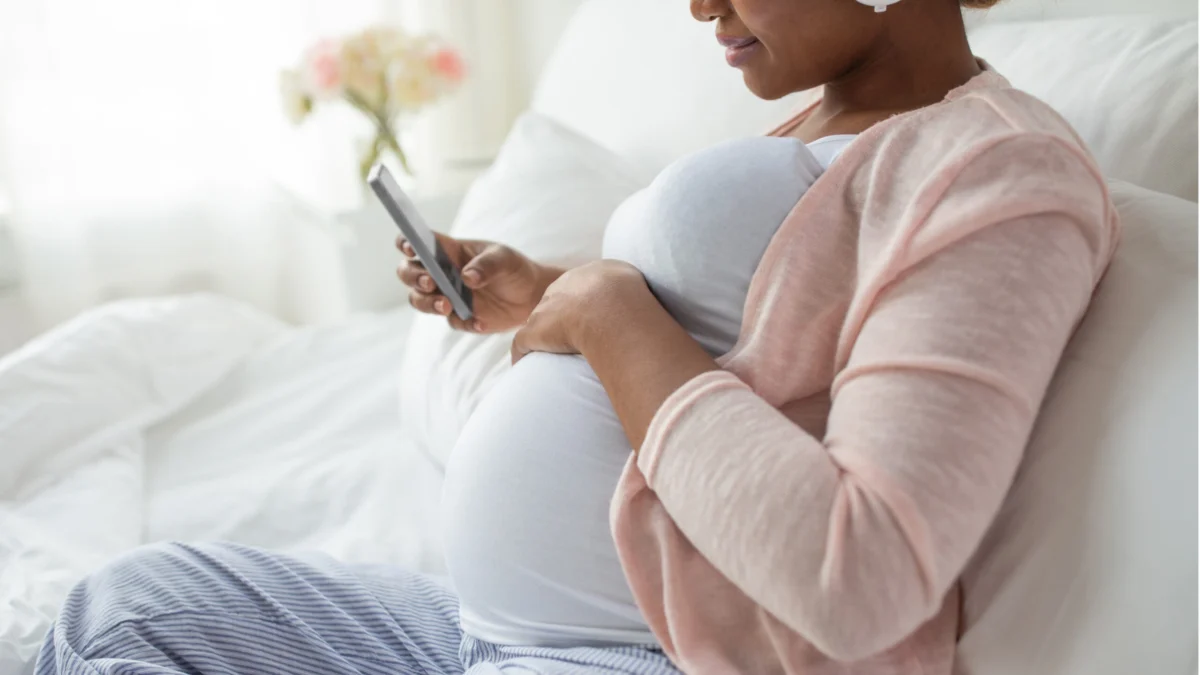
The landscape of prenatal education has undergone a significant transformation over the last decade, transitioning from traditional hospital-based seminars to a diverse array of digital offerings. For expectant parents, the accessibility of childbirth education is often a primary concern, leading many to seek out free resources. While the appeal of zero-cost education is substantial, healthcare analysts and maternal health experts suggest that the value of these courses depends heavily on their depth, the qualifications of the instructors, and the specific goals of the birthing parent. Understanding the nuances of free childbirth classes requires an exploration of available platforms, the economic factors governing the industry, and the long-term impact of prenatal education on birth outcomes.
The Economic Context of Prenatal Education
Childbirth education is a specialized field that typically requires instructors to hold certifications from organizations such as Lamaze International, DONA International, or ICEA (International Childbirth Education Association). Because these certifications and the subsequent continuing education involve significant costs, the majority of high-quality, comprehensive classes require a fee. Paid courses generally range from $100 to over $500, depending on the format and duration.
The scarcity of free in-person classes is largely due to the overhead costs associated with physical space and professional labor. Most free in-person options are hosted by large hospital systems or community health clinics, often subsidized by government grants or insurance providers. These programs are frequently designed to improve public health outcomes in specific demographics, focusing on reducing infant mortality and improving maternal health literacy.
A Chronology of Childbirth Education
To understand the current state of free prenatal classes, one must look at the evolution of the practice.
- The 1940s and 50s: The "Natural Childbirth" movement began to gain traction with the work of Grantly Dick-Read and later Fernand Lamaze. Education was primarily physician-led or found in specialized literature.
- The 1960s and 70s: The Bradley Method and Lamaze International formalized childbirth education. Classes became a staple for middle-class families, though they were almost exclusively paid and in-person.
- The 1990s: Hospitals began integrating childbirth education into their maternity packages to remain competitive. Some offered "free" introductory sessions as a marketing tool to encourage expectant mothers to deliver at their facilities.
- The 2010s: The rise of high-speed internet and YouTube led to a democratization of information. Independent educators began offering "freemium" models—providing basic information for free while charging for comprehensive modules.
- 2020–Present: The COVID-19 pandemic forced a near-total shift to online learning. This accelerated the development of sophisticated digital platforms, making free online content more prevalent than ever before.
Analysis of Leading Free Online Resources
The digital market offers several prominent free options, each with distinct methodologies and limitations.
BabyCenter Online Birthing Classes
BabyCenter remains one of the most visited digital resources for pregnancy information. Their free video series, hosted by website editor Linda Murray, covers the fundamental mechanics of labor, including contraction timing, hospital protocols, and newborn care basics.
Data suggests that while these videos provide a helpful overview for those unfamiliar with the medical process, they are often criticized for a lack of depth. The series totals approximately two hours and twelve minutes—significantly less than the 12 to 18 hours recommended by comprehensive programs. Furthermore, critics note that the content is primarily tailored toward hospital births, offering limited guidance for those seeking unmedicated or alternative birthing experiences.
BabyMed Text-Based Curriculum
BabyMed offers a different approach by providing a 10-part "class" that is entirely text-based. While this format allows for quick referencing of specific topics like third-trimester testing or postpartum recovery, it lacks the visual demonstrations of breathing techniques or labor positions that many parents find essential. From a pedagogical standpoint, text-only learning may not be as effective for retention during the high-stress environment of active labor.
The Role of User-Generated Content on YouTube
YouTube has become a primary hub for free childbirth education. The platform hosts content ranging from certified nurse-midwives (CNMs) providing evidence-based tutorials to personal vlogs detailing individual birth stories.
The primary challenge with YouTube as a primary educational source is the lack of peer review. A 2022 analysis of health information on social media platforms found that while many creators provide accurate data, there is a significant volume of misinformation regarding medical interventions and pain management. Experts recommend that parents using YouTube should prioritize channels managed by registered nurses, midwives, or accredited birth centers.

The "Freemium" Model and Sample Classes
Several established paid programs offer "sampler" classes for free. These are designed as lead magnets to convert users into paying customers, but they can still provide value as standalone modules.
- Lamaze International: Offers a brief "Labor Confidence" introductory course. While it introduces the Lamaze "Six Healthy Birth Practices," it serves more as an orientation than a complete preparatory course.
- Kopa Birth: Provides a one-hour free trial of their natural hospital birth course. This is often cited as one of the more robust free offerings, focusing specifically on coping mechanisms for unmedicated labor.
- The Online Prenatal Class for Couples: Taught by Hilary Erickson, a labor and delivery nurse, this course offers a succinct free lesson focusing on third-trimester testing and common fears.
Supporting Data: The Impact of Prenatal Education
The push for accessible childbirth education is supported by significant medical data. According to a study published in the Journal of Perinatal Education, women who participate in comprehensive childbirth classes are:
- 25% less likely to require a primary cesarean section.
- More likely to initiate breastfeeding within the first hour of birth.
- Report higher levels of satisfaction with their birthing experience, regardless of medical interventions.
However, the data also highlights a "quality gap." Short-form or fragmented education—typical of many free resources—does not consistently yield the same positive statistical outcomes as long-form, interactive courses. This suggests that while free classes are a vital entry point, they may need to be supplemented with additional research or professional consultations.
Professional Perspectives and Official Responses
Medical professionals generally support any form of prenatal education but emphasize the need for "evidence-based" curriculum. In a statement regarding prenatal preparation, many obstetricians emphasize that an educated patient is easier to care for because they understand the "why" behind medical recommendations.
"The goal of any childbirth class, free or paid, should be to reduce the ‘fear-tension-pain’ cycle," says one maternal health advocate. "Free classes are an excellent resource for bridging the gap in maternal health equity, but parents must be discerning about the source of their information."
Midwifery groups often point out that free hospital-based classes may have a bias toward hospital policy rather than physiological birth. They argue that independent classes—even those that require a fee—often provide a more balanced view of the options available to the birthing parent.
Broader Implications for Public Health
The availability of free childbirth education is a matter of public health significance. In the United States, maternal mortality rates remain higher than in many other developed nations, with significant disparities appearing across racial and socioeconomic lines.
Health literacy is a known social determinant of health. By providing free, high-quality prenatal education, public health officials aim to empower parents to advocate for themselves in a clinical setting. The rise of free online classes has the potential to reach rural and underserved populations who may not have access to a local hospital with a robust education department.
However, the digital divide remains a barrier. Families without reliable high-speed internet or those who speak English as a second language may find even "free" online resources inaccessible. This highlights the ongoing need for community-based, multilingual, and low-barrier-to-entry programs provided by local governments and non-profits.
Conclusion: Assessing the Value Proposition
Ultimately, free childbirth classes serve as a critical component of the maternal healthcare ecosystem. They provide foundational knowledge, reduce initial anxieties, and offer a starting point for further inquiry. For parents on a strict budget, utilizing a combination of BabyCenter for basics, YouTube for visual demonstrations from certified professionals, and free trials from premium courses like Kopa Birth or the Mama Natural Birth Course can create a patchwork of education that covers most essential topics.
Nevertheless, for those seeking a highly specific birth outcome—such as a home birth, a VBAC (Vaginal Birth After Cesarean), or a strictly unmedicated hospital birth—the consensus among experts is that the investment in a comprehensive, paid program often pays dividends in the form of increased confidence and better physical outcomes. As the digital landscape continues to evolve, the challenge for expectant parents will not be finding information, but rather filtering that information for quality, accuracy, and relevance to their personal health journey.
