

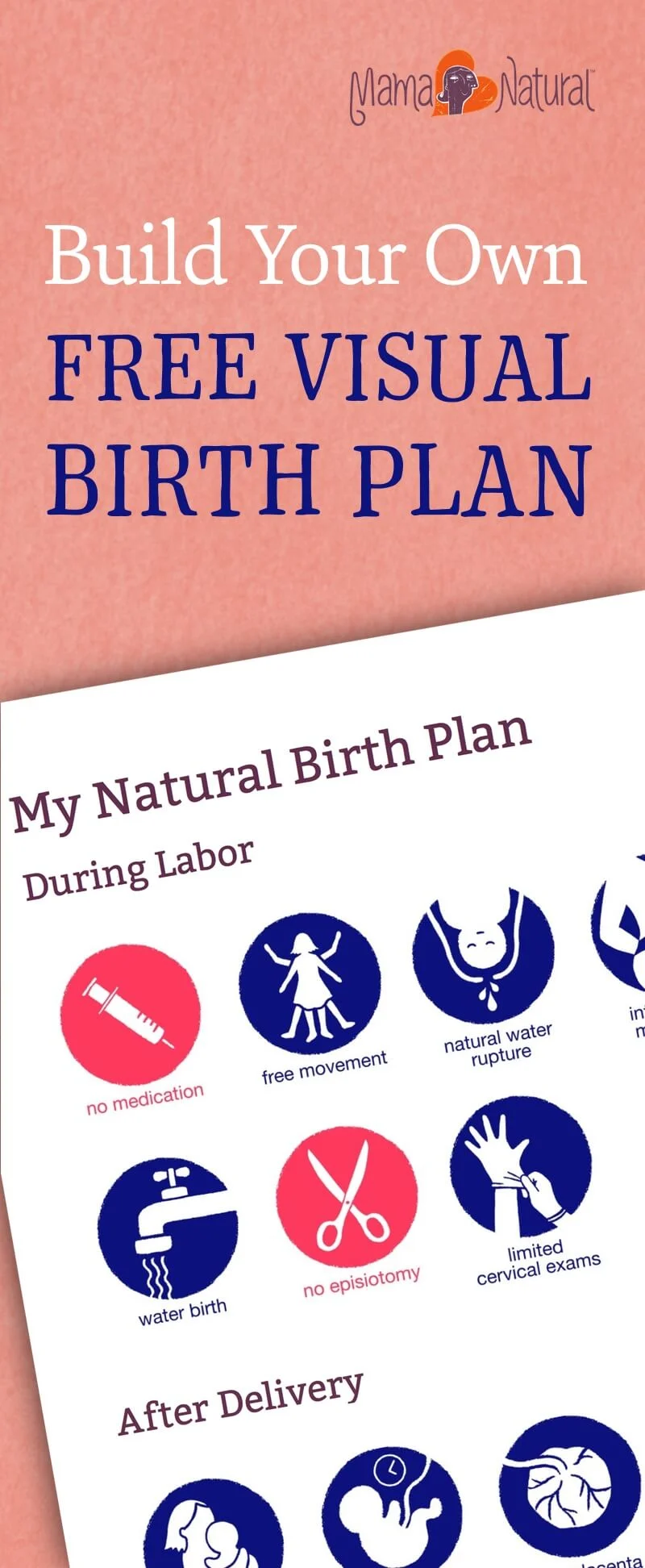
The utilization of birth plans has evolved from a niche preference within the natural birthing community to a cornerstone of patient-centered maternity care in modern clinical settings. A birth plan, often referred to as a birthing blueprint, serves as a formal communication tool between expectant parents and their medical team, detailing preferences for labor, delivery, and immediate postpartum care. In response to the growing demand for clearer communication in high-stress medical environments, new resources such as the Mama Natural visual birth plan template have emerged to bridge the gap between patient desires and clinical efficiency. These tools are designed to provide healthcare providers with a concise, one-page overview of a family’s choices, ensuring that informed consent remains a priority even during the active stages of labor.
The Evolution of Patient Advocacy in Obstetric Care
The concept of the birth plan gained significant traction in the late 1970s and 1980s as part of a broader movement to humanize the birthing process and reduce unnecessary medical interventions. Historically, hospital births were often characterized by a "one-size-fits-all" approach, where protocols such as routine episiotomies, continuous fetal monitoring, and restricted movement were standard regardless of the patient’s low-risk status. As maternal health advocacy grew, the birth plan became a vehicle for women to reclaim agency over their bodies.
In the contemporary landscape, the focus has shifted toward collaborative care. Data from the American College of Obstetricians and Gynecologists (ACOG) emphasizes that shared decision-making between patients and providers leads to higher levels of patient satisfaction and better emotional outcomes, regardless of whether the labor follows the original plan. The transition from multi-page text documents to visual, icon-based templates reflects a modern understanding of clinical workflows. In a fast-paced Labor and Delivery (L&D) unit, a nurse or on-call physician may only have seconds to review a patient’s file; a visual aid allows for the immediate identification of key preferences, such as the desire for delayed cord clamping or the avoidance of pharmacological pain management.
Technical Framework of the Visual Birth Plan Template
The 2025 update to the Mama Natural visual birth plan template introduces a streamlined digital interface designed for maximum customization. The template is provided in two primary formats: an editable Word/Pages document contained within a zip file and a static PDF. The choice of an editable format is a deliberate response to the diversity of modern birthing experiences, allowing users to drag and drop icons that reflect their specific medical needs and cultural values.
The template utilizes a color-coded system to facilitate rapid comprehension by medical staff:
- Blue Icons: These represent positive preferences or "active requests." Examples include the desire for freedom of movement, the use of a birthing ball, or the request for a "gentle cesarean" if surgical intervention becomes necessary.
- Red Icons: These signify interventions the patient wishes to avoid unless medically necessary for the safety of the mother or child. Common red icons include "no episiotomy," "no artificial rupture of membranes (AROM)," and "no routine infant bath."
By categorizing preferences into "During Labor" and "After Delivery," the template aligns with the chronological progression of the hospital experience, allowing staff to focus on the most relevant information at each stage of the process.
Clinical Perspectives and Medical Reception
The reception of birth plans within the medical community has historically been mixed. While many midwives and progressive obstetricians view them as essential tools for understanding a patient’s values, some clinical staff have expressed concerns regarding the "rigidity" of such documents. Terms like "high maintenance" have occasionally been used in nursing circles to describe patients with extensive plans, under the assumption that these patients may be less adaptable when medical complications arise.
However, modern professional sentiment is shifting. Stephanie, a recent maternity patient, reported that her midwife lauded the visual template as "the best and clearest way to keep everyone on the same page." This feedback highlights a crucial point: the friction often associated with birth plans usually stems from poor formatting or excessive length rather than the content itself. A one-page visual summary minimizes the cognitive load on healthcare providers, making it more likely that the plan will be read and integrated into the care strategy.

Supporting Data on Maternal Outcomes and Satisfaction
Research indicates that the process of creating a birth plan may be as beneficial as the document itself. According to a study published in the Journal of Perinatal Education, women who prepare birth plans often demonstrate a higher level of health literacy regarding obstetric interventions. This preparation enables them to engage in more meaningful dialogues with their providers during prenatal visits, long before the onset of labor.
Key data points regarding the impact of patient-centered birth planning include:
- Reduced Anxiety: Expectant parents who feel their voices are heard report lower levels of prenatal and intrapartum anxiety.
- Informed Consent: Birth plans act as a safeguard for informed consent, ensuring that providers discuss the risks and benefits of interventions like Pitocin or epidurals before administering them.
- Postpartum Mental Health: There is a documented correlation between a mother’s sense of "autonomy during birth" and a reduced risk of postpartum post-traumatic stress disorder (PTSD).
Addressing Health Equity: The Black Birthing Bill of Rights
The importance of a formal birth plan is amplified for marginalized communities, particularly women of color, who face statistically higher rates of maternal mortality and morbidity in the United States. Advocacy groups have introduced the "Black Birthing Bill of Rights" as a framework to ensure that Black mothers receive respectful, high-quality care. In this context, a visual birth plan is not merely a list of preferences; it is a tool for self-protection and a demand for equitable treatment. By clearly outlining their rights and expectations, patients can better navigate systemic biases that may otherwise lead to ignored symptoms or coerced interventions.
Chronology of Effective Birth Planning
To maximize the efficacy of a birth plan, experts suggest a structured timeline for development and implementation:
- Early Second Trimester: Research options and begin identifying core values (e.g., natural birth vs. planned epidural).
- 28–32 Weeks: Download and customize the visual template. This involves selecting icons that align with the chosen birth setting (hospital, birth center, or home).
- 34 Weeks: Present the draft to the primary healthcare provider (OBGYN or Midwife) during a prenatal checkup. This allows for a discussion on hospital policies and the medical feasibility of certain requests.
- 36 Weeks: Finalize the plan and print multiple copies. One should be placed in the hospital bag, and another should be provided to the birth doula or partner.
- Delivery: Upon admission to the birthing facility, the plan should be handed to the primary nurse and, if possible, taped to the wall of the labor room for easy reference by shift-changing staff.
New Innovations for 2025: The Gentle Cesarean
One of the most significant additions to the 2025 template is a dedicated section for "Gentle Cesarean" icons. Traditionally, a Cesarean section was viewed as a strictly surgical event with little room for parental preference. The "gentle" or "family-centered" Cesarean model challenges this by incorporating elements of a vaginal birth into the operating room. These preferences may include:
- Clear Drapes: Allowing the parents to see the baby being born.
- Immediate Skin-to-Skin: Placing the infant on the mother’s chest while the surgery is being completed.
- Music and Lighting: Adjusting the OR environment to be more soothing.
- Delayed Cord Clamping: Allowing placental blood to transfer to the newborn even in a surgical setting.
The inclusion of these icons acknowledges that surgical births can still be personalized and empowering experiences, a move that has been praised by maternal health advocates.
Broader Impact and Future Implications
The shift toward visual communication in maternity care is a microcosm of a larger trend in healthcare toward "nudge" theory and simplified patient-provider interfaces. As medical records become increasingly digitized, the integration of visual preference summaries into Electronic Health Records (EHR) is a likely next step.
For now, the Mama Natural visual birth plan template remains a grassroots solution to a complex communication problem. By simplifying the expression of complex medical choices into a series of recognizable icons, the tool empowers parents to enter the birthing suite with confidence. While no birth plan can account for every possible medical contingency, the existence of such a document ensures that the patient’s voice remains a central component of the care team’s decision-making process. The ultimate goal is a "win-win" scenario: healthcare providers receive clear, actionable information, and families experience a birth that respects their autonomy and safety.
