

The global probiotic market, valued at approximately USD 68.20 billion in 2023 and projected to expand significantly by 2030, has reached a critical juncture where consumer demand for personalized nutrition meets an increasingly complex array of product formulations. As the scientific community continues to unveil the intricacies of the human microbiome—the community of trillions of microorganisms residing primarily in the gastrointestinal tract—the focus has shifted from general supplementation to strain-specific applications. Medical professionals and nutritional scientists emphasize that the efficacy of these "friendly" bacteria is not a universal constant but is instead dependent on specific health objectives, delivery mechanisms, and the biological viability of the organisms involved.
The Evolution of Microbiome Science and Consumer Proliferation
The conceptual foundation of probiotics dates back to the early 20th century, when Nobel laureate Élie Metchnikoff proposed that consuming beneficial bacteria could delay senility and improve health. However, the modern era of probiotic research was catalyzed by the Human Microbiome Project, initiated in 2007, which provided a comprehensive map of the microbial inhabitants of the human body. This research established that the microbiome plays a fundamental role in digestion, immune modulation, and even neurobiology.
Despite the proliferation of products on retail shelves, consumer confusion remains high. The distinction between shelf-stable and refrigerated options, the significance of Colony Forming Units (CFUs), and the necessity of prebiotics are often obscured by marketing rhetoric. Journalistic analysis of the industry suggests that the transition from broad-spectrum "gut health" claims to targeted therapeutic interventions represents the next phase of the wellness industry.
Identifying Health Objectives and Strain Specificity
The fundamental principle of modern probiotic therapy is that different strains of bacteria perform distinct functions. A one-size-fits-all approach is increasingly viewed as obsolete by clinical nutritionists. To achieve measurable health outcomes, consumers must align their specific physiological needs with the corresponding bacterial strains.
Gastrointestinal Function and Digestive Support
For individuals experiencing gastrointestinal distress, such as bloating, irregular motility, or nutrient malabsorption, research highlights the efficacy of specific Lactobacillus and Bifidobacterium strains. Lactobacillus acidophilus and Bifidobacterium lactis are among the most rigorously studied for their ability to support enzyme production and stabilize the intestinal barrier. These strains assist in the breakdown of complex carbohydrates and the synthesis of B vitamins, thereby reducing the fermentation processes that lead to abdominal distention and gas.
Urogenital and Vaginal Health
In the context of women’s health, the microbiome extends beyond the gut to the vaginal and urinary tracts. The dominance of specific Lactobacillus species is a primary indicator of a healthy vaginal environment. Lactobacillus rhamnosus and Lactobacillus reuteri have been clinically shown to migrate from the gastrointestinal tract to the vaginal flora, where they produce lactic acid and hydrogen peroxide. This creates an acidic environment (pH 3.8 to 4.5) that inhibits the overgrowth of pathogenic bacteria and yeast, particularly following antibiotic treatments or hormonal fluctuations.
Immunological Modulation
Approximately 70% to 80% of the human immune system is located in the gut-associated lymphoid tissue (GALT). Strains such as Lactobacillus casei and Bifidobacterium longum are instrumental in "training" the immune system. They interact with dendritic cells and T-cells to modulate inflammatory responses, potentially reducing the incidence of upper respiratory infections and allergic sensitivities. By maintaining the integrity of the gut lining, these probiotics prevent the translocation of toxins into the bloodstream, a phenomenon often referred to as systemic inflammation.
The Gut-Brain Axis and Mental Wellness
Perhaps the most groundbreaking area of recent study is the gut-brain axis—the bidirectional communication network between the enteric and central nervous systems. Strains classified as "psychobiotics," including Lactobacillus helveticus and Bifidobacterium infantis, have demonstrated the capacity to influence neurotransmitter production, including serotonin and gamma-aminobutyric acid (GABA). Clinical trials suggest these strains may help regulate cortisol levels, thereby mitigating the physiological symptoms of stress and supporting overall mood stability.
Technical Standards for Product Efficacy and Quality Control
The transition from a retail product to a functional health intervention requires strict adherence to quality standards. Industry analysts point to four primary metrics that determine the value of a probiotic supplement: potency, purity, stability, and survivability.
-
CFU Count and Potency: The Colony Forming Unit (CFU) count indicates the number of viable bacteria per dose. While the industry standard often ranges from 10 billion to 50 billion CFUs, higher numbers do not inherently guarantee better results. The focus is shifting toward "effective dosage," where the CFU count matches the levels used in successful clinical trials for a specific strain.
-
Third-Party Verification: Given that the supplement industry is regulated differently than pharmaceuticals in many jurisdictions, third-party testing has become a vital benchmark. Certifications for purity ensure that products are free from contaminants, heavy metals, and undisclosed allergens such as gluten, soy, or dairy.
-
Shelf Stability and Delivery Technology: A significant challenge in probiotic manufacturing is ensuring that the bacteria remain alive until the point of consumption and, more importantly, survive the highly acidic environment of the stomach. Advanced encapsulation technologies and the development of shelf-stable strains have reduced the reliance on refrigeration, making these supplements more accessible for modern lifestyles while ensuring the "good bugs" reach the small and large intestines intact.
-
The Role of Synbiotics: The integration of prebiotics—non-digestible fibers that serve as fuel for probiotics—has led to the rise of "synbiotics." By providing the necessary substrate for bacterial colonization, synbiotics can enhance the rate at which probiotics establish themselves in the host environment. However, experts caution that individuals with extreme digestive sensitivity should introduce prebiotics gradually to avoid initial discomfort.
Strategic Implementation and Lifestyle Integration
Data from longitudinal health studies suggest that the benefits of probiotics are cumulative rather than immediate. Experts recommend a consistent daily regimen, typically taken with food to buffer the bacteria against stomach acid. A period of three to four weeks is generally required for the microbial population to shift significantly enough for the consumer to notice changes in digestion, energy levels, or skin clarity.
Furthermore, probiotics do not operate in isolation. Their efficacy is significantly enhanced by a "gut-friendly" lifestyle, which includes:
- High-Fiber Diets: Consuming a diverse array of plant-based foods to provide natural prebiotics.
- Stress Management: High cortisol levels can negatively impact the diversity of the microbiome.
- Reduced Sugar Intake: Excessive refined sugar can promote the growth of opportunistic fungi and pathogenic bacteria.
- Hydration: Adequate water intake is essential for the mucosal lining of the intestines.
Industry Response and Market Innovation
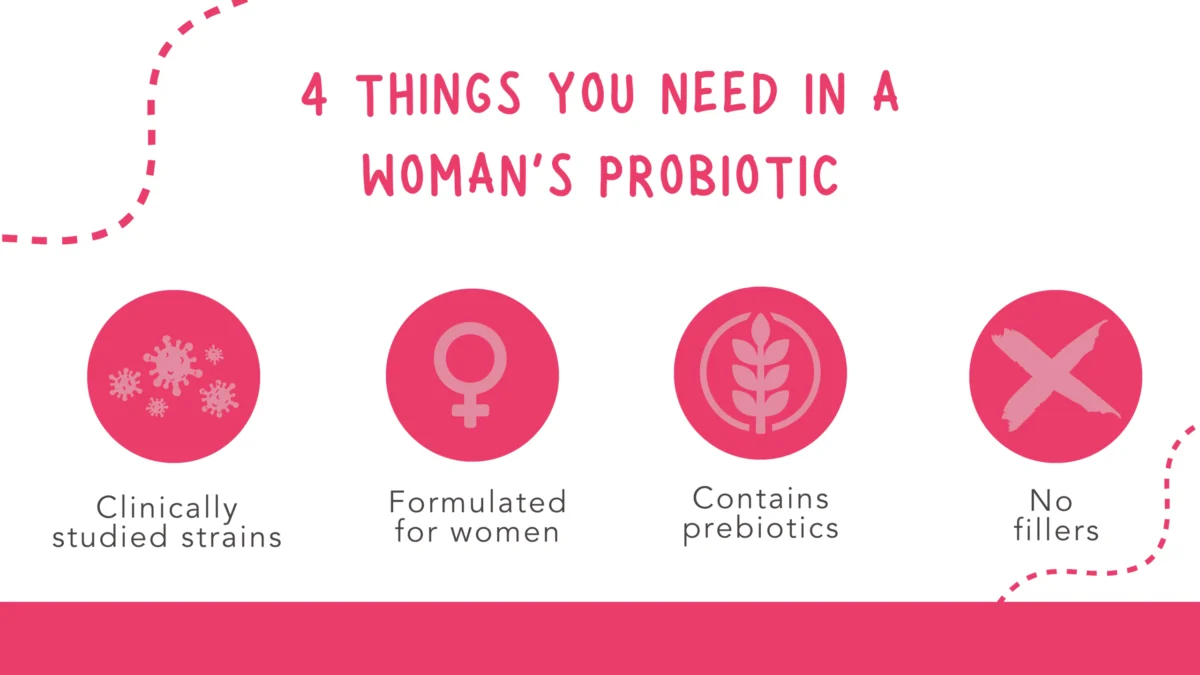
In response to the demand for high-quality, targeted solutions, companies like Mama Natural have developed specialized formulations such as the Women’s Probiotic. This product exemplifies the current trend toward multi-strain, high-potency (50 billion CFU) supplements that address the unique physiological requirements of the female body. By combining ten selected strains focused on immune, vaginal, and digestive support within a shelf-stable delivery system, such products represent the commercial application of current microbiome research.
Industry analysts suggest that the future of the sector lies in even greater personalization, potentially involving home microbiome testing kits that allow consumers to identify specific bacterial deficiencies before selecting a supplement.
Broader Implications for Public Health
The shift toward proactive microbiome management has significant implications for public health. As the medical community grapples with the rise of antibiotic resistance and chronic inflammatory diseases, the role of probiotics in maintaining systemic homeostasis is receiving increased attention. While not a replacement for traditional medical interventions, targeted probiotic supplementation is increasingly recognized as a cornerstone of integrative medicine.
The ongoing refinement of probiotic strains and delivery methods ensures that the "grumbling gut" or "overwhelmed immune system" can be addressed with scientific precision. As research continues to bridge the gap between microbial ecology and human health, the ability to choose the "right" probiotic becomes not just a matter of wellness, but a fundamental component of long-term disease prevention and physiological optimization. In an era of personalized medicine, the microbiome remains one of the most promising frontiers for enhancing the human experience through targeted, evidence-based nutrition.
