

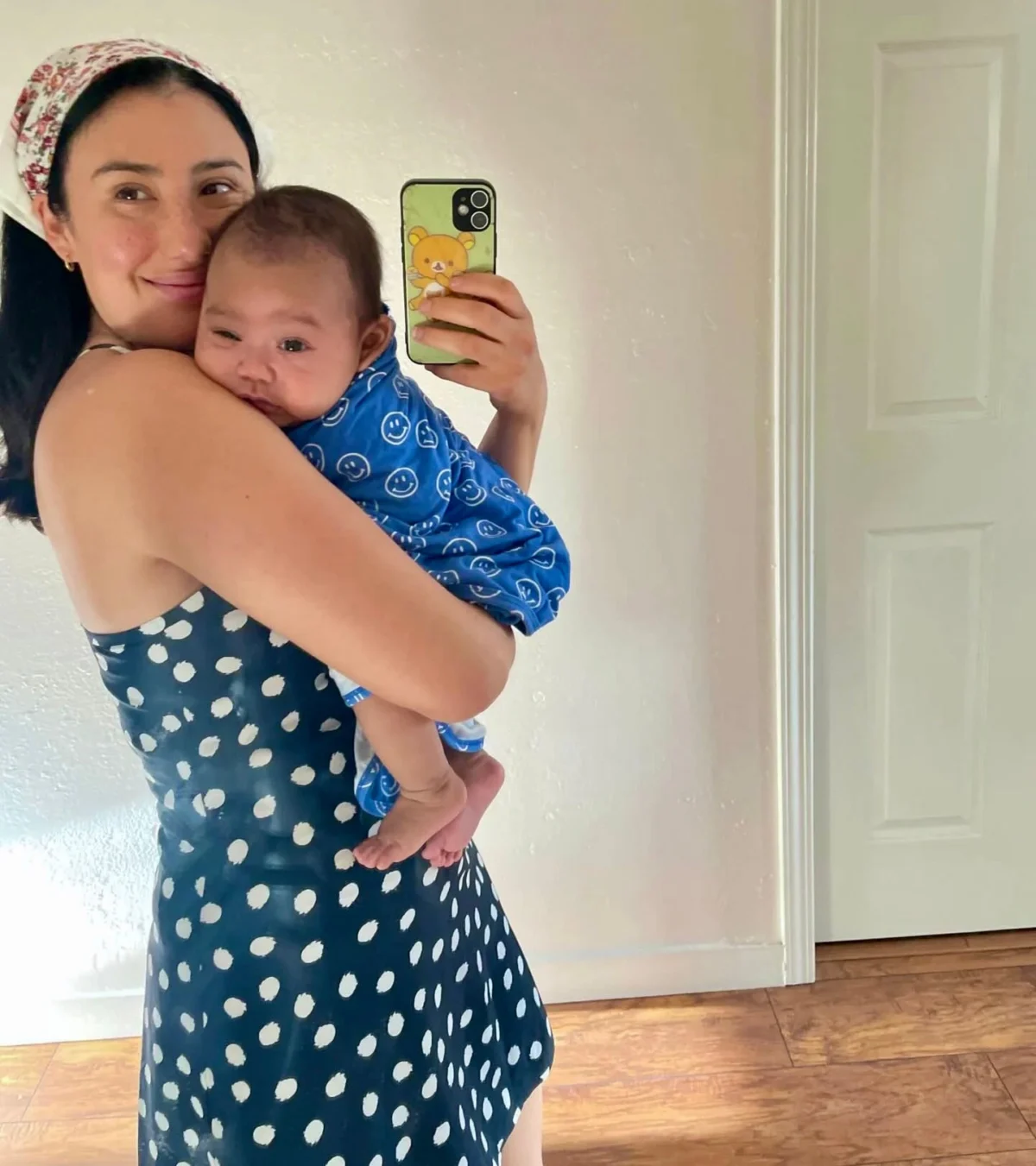
The transition into motherhood, particularly during the first twelve months following childbirth, represents one of the most significant physiological and psychological shifts in the human experience. Often referred to by medical professionals as the "fourth trimester," this period is characterized by intense hormonal fluctuations, physical healing, and the logistical challenges of neonatal care. Recent longitudinal observations of maternal health emphasize that while the immediate weeks following birth are critical, the full recovery process often spans a full year before a parent reports a stabilized sense of self. As of 2026, the focus of postpartum support has shifted from a baby-centric model to a more holistic approach that prioritizes the mother’s well-being as the cornerstone of family stability.
The Chronology of Postpartum Recovery
The recovery timeline for a new mother is rarely linear, often marked by "high highs and low lows" that reflect the complex interplay of neurobiology and environmental stressors. The initial two months are frequently cited as the most "raw" phase. During this time, mothers report a heightened sensitivity to environmental changes, such as the setting of the sun, which can trigger anxiety regarding nocturnal nursing schedules and sleep deprivation.
A critical milestone in this chronology is the first pediatric check-up, which often occurs within the first week postpartum. For many, this event serves as a significant stressor. Clinical data indicates that neonatal weight loss in the first days of life is a common occurrence, yet it frequently induces feelings of "gutted guilt" in mothers who are struggling to establish breastfeeding.
Furthermore, the recovery process is significantly complicated when medical interventions are required, such as a premature birth. Statistics from 2024 and 2025 suggest that approximately 1 in 10 infants is born preterm. When a child is born significantly early—such as seven weeks prior to the due date—the mother’s recovery is bifurcated between her own physical healing and the emotional trauma of a Neonatal Intensive Care Unit (NICU) stay. In these instances, the traditional "nesting" period is replaced by a clinical routine, requiring specialized support systems that cater to a mother who must leave her home daily to visit the hospital.
Data-Driven Analysis of Maternal Support Systems
Research into maternal mental health highlights three primary pillars of successful postpartum adjustment: social connectivity, physical comfort, and nutritional stability. Data suggests that simple interventions—such as frequent communication with peers and family or the use of curated audiobooks to mitigate the isolation of stroller walks—can significantly lower the risk of postpartum depression (PPD), which affects approximately 15% of new mothers globally.
In the realm of physical comfort, the "self-care" industry has seen a pivot toward "pick-me-up" products that require minimal time investment. Dermatological reports indicate that fluctuating hormones during and after pregnancy can lead to extreme skin dryness or sensitivity. Consequently, the use of cooling skincare products, such as Korean-developed "glow pads," has become a recommended non-pharmaceutical intervention for improving maternal morale.
Strategic Gifting: A Shift Toward Maternal Utility
The gifting economy surrounding new parenthood has historically focused on infant apparel and toys. However, current trends in 2026 show a definitive move toward gifts that provide utility and emotional resonance for the mother. Experts in maternal wellness suggest five key categories of support that yield the highest impact on postpartum recovery.
1. Environmental Aesthetics and Long-term Sentiment
The introduction of aesthetic elements into the home, such as a high-quality floral vase, serves a dual purpose. Psychologically, the presence of fresh flowers is linked to reduced cortisol levels. Professionally, such a gift acts as a "long-term sentimental anchor." Every time the object is utilized in subsequent years, it reinforces the memory of the support system present during the "newborn haze," thereby strengthening the mother’s social safety net.
2. Dermatological and Sensory Relief
As hormonal shifts impact skin elasticity and hydration, skincare products have transitioned from luxury items to essential tools for maintaining a sense of identity. Products that provide immediate sensory relief—specifically those offering cooling or dewy finishes—allow mothers a brief window of "self-time" that does not interfere with the demands of infant care.
3. Ergonomic and Adaptive Apparel
Physical recovery, particularly following a C-section or a traumatic birth, necessitates clothing that requires zero physical strain. The rise in popularity of high-quality clogs and slip-on footwear (such as Birkenstock models) is a direct response to this need. For mothers navigating the NICU or frequent pediatric appointments, the ability to dress without bending over to tie laces is not merely a convenience but a medical necessity. These items often become "most-worn" staples, bridging the gap between pregnancy and the return to a standard wardrobe.
4. Non-Traditional Nutritional Support
While "dinner trains" are a staple of community support, nutritional experts suggest that they often overlook the most difficult times of the day for a new mother: breakfast, lunch, and the "middle-of-the-night" nursing window.
- The Lunch Gap: Most visitors focus on evening meals, leaving the mother to fend for herself during the day.
- Energy Density: "Grab-and-go" items, such as peanut butter energy balls or nutrient-dense zucchini muffins, are superior for mothers who may only have one hand free.
- The Strata Advantage: Make-ahead savory bread puddings or stratas that are "chock full of vegetables" provide a balanced nutritional profile that can be consumed at any temperature, addressing the common postpartum reality of meals being interrupted.
5. The Preservation of Community Hopes
Emotional resilience is often bolstered by the "written word." Hand-written letters addressed to the infant, shared by friends and family during baby showers or early visits, serve as a tangible reminder of the child’s community. In moments of "hard parenting," these documents provide a psychological buffer, reminding the parent that they are not raising the child in isolation. This "community of care" is a vital component in reducing the "lump in the throat" moments of overwhelm.
Official Responses and Expert Perspectives
Maternal health advocates emphasize that the "hazy early days" of parenthood require a village that is proactive rather than reactive. Caroline Chambers, a prominent voice in the "What to Cook" movement, has advocated for a shift in how communities handle "meal trains," suggesting that the most helpful gesture is providing food that is "good-all-week."
Furthermore, medical professionals specializing in postpartum care suggest that the most appreciated gestures are those that acknowledge the mother’s new physical reality. "The goal is to reduce the cognitive load," says one maternal health consultant. "Whether it is a shoe that slips on in two seconds or a snack that can be eaten during a 3:00 a.m. nursing session, the best gifts are those that solve a problem the mother didn’t even know she would have."
Broader Impact and Societal Implications
The evolution of postpartum support reflects a broader societal acknowledgment of the "unseen labor" of motherhood. By 2026, the data-backed consensus is that a mother’s recovery is not a personal hurdle but a community responsibility. The implications of this shift are significant:
- Reduced Attrition in the Workplace: Mothers who feel physically and emotionally supported during their first year are more likely to successfully transition back to professional roles.
- Improved Developmental Outcomes: A supported mother is better equipped to manage the "raw and special" moments of infant development, leading to more secure attachment styles in children.
- Economic Shifts: The "maternal gift" market is projected to continue its growth, outpacing traditional toy markets as consumers prioritize the well-being of the parent.
In conclusion, the first anniversary of a child’s birth is more than a celebration of the infant; it is a milestone marking the mother’s return to herself. Through a combination of practical tools—ranging from ergonomic footwear to energy-dense nutrition—and emotional anchors like community letters, the modern support system aims to ensure that no parent feels "alone" in the demanding, beautiful, and often grueling journey of the first year. For those currently navigating these waters, the message from both the medical community and the social sphere is clear: the lows may be low, but the highs are achievable through a sustained, intentional network of care.
