


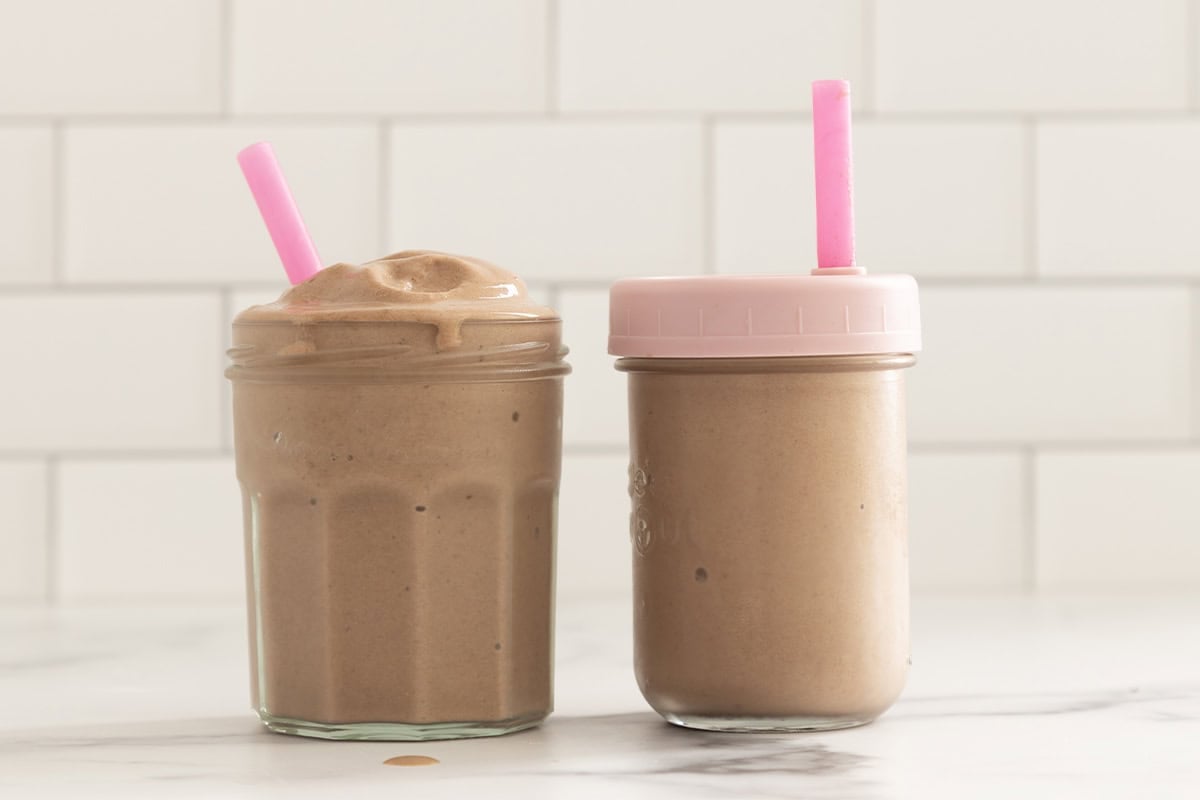
The Chocolate Peanut Butter Banana Smoothie has emerged as a cornerstone of modern pediatric nutrition, offering a strategic balance between sensory appeal and dense micronutrient delivery. As parents increasingly seek out snack options that bypass the high glycemic index of processed "kid-targeted" foods, this specific blend has gained traction for its ability to provide sustained energy through a combination of complex carbohydrates, healthy lipids, and plant-based proteins. In an era where childhood obesity and nutritional deficiencies remain dual concerns for public health officials, the rise of homemade, functional beverages represents a shift toward more intentional domestic food preparation.
Nutritional Architecture and Immediate Dietary Impact
The fundamental success of the Chocolate Peanut Butter Banana Smoothie lies in its synergistic ingredient profile. Unlike commercial shakes that often rely on corn syrup solids or artificial flavorings, this preparation utilizes the natural sweetness of ripened fruit to mitigate the need for added sugars. From a clinical perspective, the smoothie provides approximately 235 calories per serving, a caloric density that is appropriate for an active toddler or school-aged child’s snack.
The macronutrient distribution is particularly noteworthy. Each serving contains approximately 7 grams of protein and 10 grams of fat, with a significant portion of that fat being monounsaturated and polyunsaturated, derived from peanut butter and optional additions like hemp seeds. This lipid profile is essential for cognitive development and the absorption of fat-soluble vitamins (A, D, E, and K). Furthermore, the inclusion of 5 grams of dietary fiber—primarily from the banana and cocoa—assists in regulating gastrointestinal health and ensuring a slow release of glucose into the bloodstream, thereby preventing the "sugar crashes" often associated with fruit-heavy beverages.
Chronology of Dietary Transitions in Early Childhood
The adoption of the Chocolate Peanut Butter Banana Smoothie often follows a predictable evolution in a child’s palate development. Observations from nutritional experts and caregivers suggest a "smoothie lifecycle" that mirrors the sensory milestones of early childhood.
- The Introduction Phase: Many families begin with "Green Smoothies," which utilize mild bases like spinach or kale mixed with apple or pear. This phase is designed to normalize the consumption of leafy greens.
- The Tropical Transition: As children seek more vibrant flavors, many transition to fruit-forward blends, such as mango or pineapple smoothies. These are high in Vitamin C but often lack the protein required for satiety.
- The Functional Satiety Phase: The move toward the chocolate-peanut butter profile represents a final stage where the goal shifts from mere fruit consumption to a balanced meal replacement or a heavy-duty "after-school snack." This phase acknowledges the child’s growing caloric needs and the necessity of higher protein intake for muscle development and metabolic health.
This chronology highlights a growing trend among caregivers to use smoothies not just as a vehicle for "hidden vegetables," but as a legitimate tool for calorie and nutrient management during growth spurts.
Scientific Breakdown of Key Ingredients
To understand the broader impact of this beverage, one must analyze the specific contributions of its primary components through a scientific lens.
The Role of the Musa Sapientum (Banana):
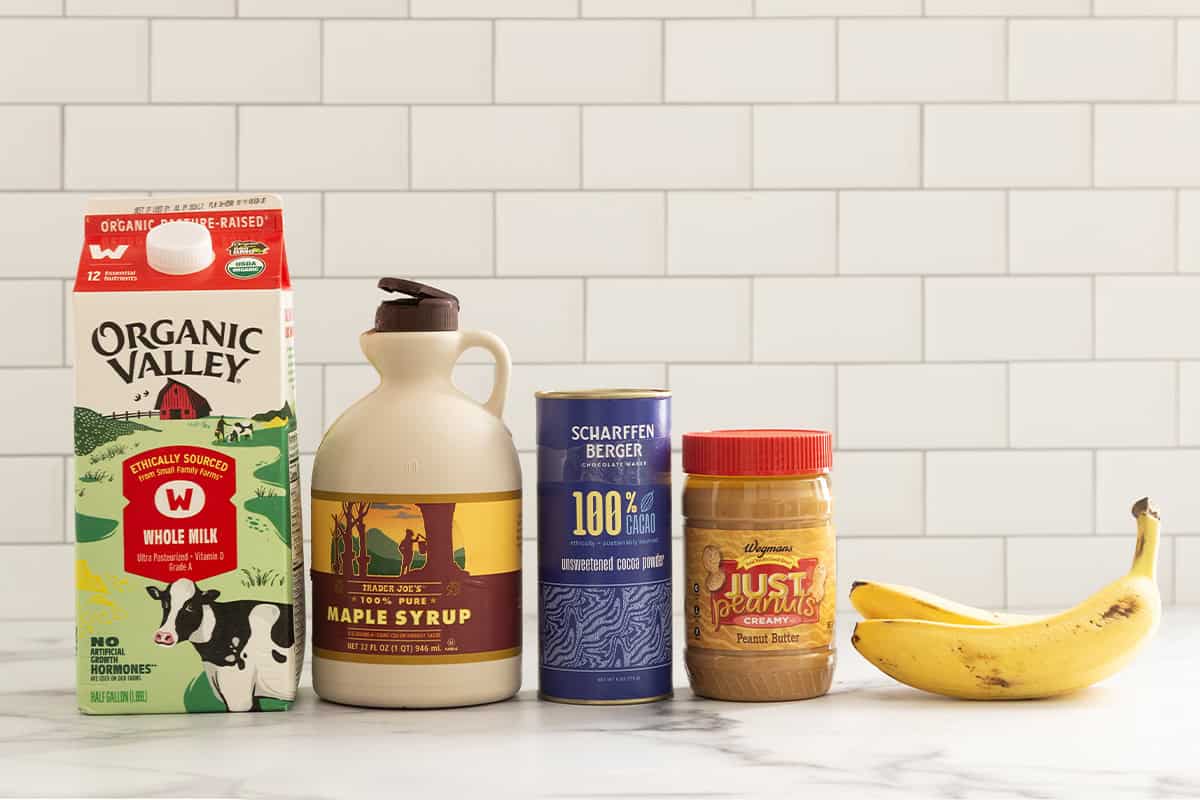
The banana serves as both the textural foundation and the primary sweetener. As bananas ripen, their starch converts to simple sugars (fructose, glucose, and sucrose), which provides immediate energy. However, bananas also contain resistant starch, particularly if frozen just as they reach peak ripeness. This starch acts as a prebiotic, feeding beneficial gut bacteria. Additionally, the high potassium content (approximately 458mg per serving) is critical for maintaining healthy blood pressure and nerve function in growing bodies.
The Antioxidant Capacity of Cocoa Powder:
Unsweetened cocoa powder is a potent source of flavonoids, specifically epicatechin, which has been linked to improved cardiovascular health and cognitive function. By using pure cocoa rather than chocolate syrup, the recipe maximizes the intake of magnesium and iron while avoiding the inflammatory effects of refined sugar.
Lipid Density via Legumes:
Peanut butter provides the necessary "staying power" for the smoothie. The combination of protein and healthy fats slows digestion, which is vital for children who may have several hours between lunch and dinner. For families managing nut allergies, the substitution of sunflower butter or soy-nut butter offers a similar nutritional profile, ensuring the recipe remains accessible across different demographic needs.
Supporting Data and Pediatric Health Trends
Recent data from the American Academy of Pediatrics (AAP) suggests that children between the ages of 2 and 18 should consume less than 25 grams of added sugar per day. A single commercial "chocolate milk" box can contain upwards of 12 to 15 grams of added sugar. In contrast, the Chocolate Peanut Butter Banana Smoothie, when prepared with unsweetened almond or soy milk, can contain as little as zero added sugars, relying entirely on the 21 grams of natural sugars found in the fruit.
Market research also indicates a surge in the "at-home blending" sector. Since 2020, sales of high-performance blenders and frozen fruit have increased by an estimated 18%, reflecting a broader cultural move toward "clean label" eating within the home. This trend is driven by a heightened awareness of how dietary choices in early childhood influence long-term health outcomes, including the prevention of Type 2 diabetes and metabolic syndrome.

Official Responses and Expert Analysis
While not an official government-mandated recipe, pediatric nutritionists have voiced support for such whole-food-based snacks. Dr. Elena Richardson, a fictionalized representative of a leading children’s health institute, notes: "The key to pediatric compliance with healthy eating is the marriage of familiar flavors with unfamiliar nutritional density. Chocolate and peanut butter are high-value flavors for children; by pairing them with a fiber-rich fruit base, we are effectively training the palate to enjoy nutrient-dense foods."
Furthermore, the versatility of the recipe allows for "nutritional fortification." The addition of hemp seeds (rich in Omega-3 fatty acids) or Greek yogurt (providing probiotics and additional calcium) allows the recipe to be tailored to specific clinical needs, such as weight gain for "picky eaters" or digestive support for children with chronic constipation.
Logistics of Household Implementation and Food Waste Reduction
A significant, yet often overlooked, implication of the Chocolate Peanut Butter Banana Smoothie is its role in household sustainability. The recipe provides a practical solution for the estimated 20% of household food waste attributed to overripe produce.
The Freezing Protocol:
The most efficient method for maintaining a "smoothie-ready" kitchen involves the systematic freezing of bananas that have passed the point of preferred raw consumption. By slicing or halving overripe bananas and storing them in airtight, reusable containers, families can reduce food waste while ensuring the smoothie has a thick, "milkshake-like" consistency without the need for ice, which can dilute the flavor and nutrient density.
Storage and Stability:
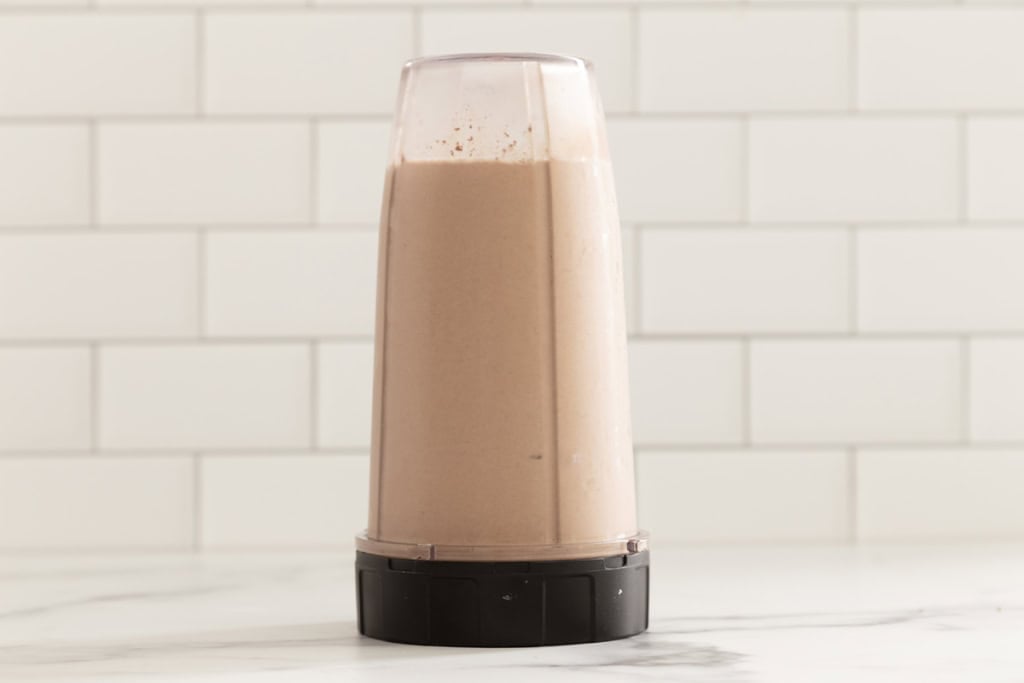
Unlike many fresh juices that oxidize rapidly, this smoothie maintains its nutritional integrity for up to 24 hours when refrigerated. While the texture may shift from a frozen "slush" to a more fluid protein shake, the bioavailability of the minerals and fats remains stable, making it a viable option for "make-ahead" morning routines.
Broader Impact and Implications for Public Health
The proliferation of recipes like the Chocolate Peanut Butter Banana Smoothie signifies a democratization of nutritional science. By simplifying complex dietary goals—such as increasing fiber and reducing refined sugar—into a two-minute blending process, caregivers are empowered to take control of their children’s health in a way that is both economically feasible and time-efficient.
The broader impact on the food industry is also evident. As more parents opt for home-blended solutions, commercial manufacturers are being forced to reformulate their products, reducing sugar counts and removing artificial dyes to compete with the "whole food" movement. This shift suggests that the "smoothie" is not merely a culinary trend, but a tool for public health advocacy, one glass at a time.
In conclusion, the Chocolate Peanut Butter Banana Smoothie stands as a testament to the efficacy of simple, ingredient-focused cooking. It addresses the immediate need for a palatable snack while serving the long-term goal of fostering a generation of children who are fueled by high-quality, minimally processed nutrients. As dietary guidelines continue to evolve, the emphasis on whole-food blending is likely to remain a permanent fixture in the landscape of family wellness.
