

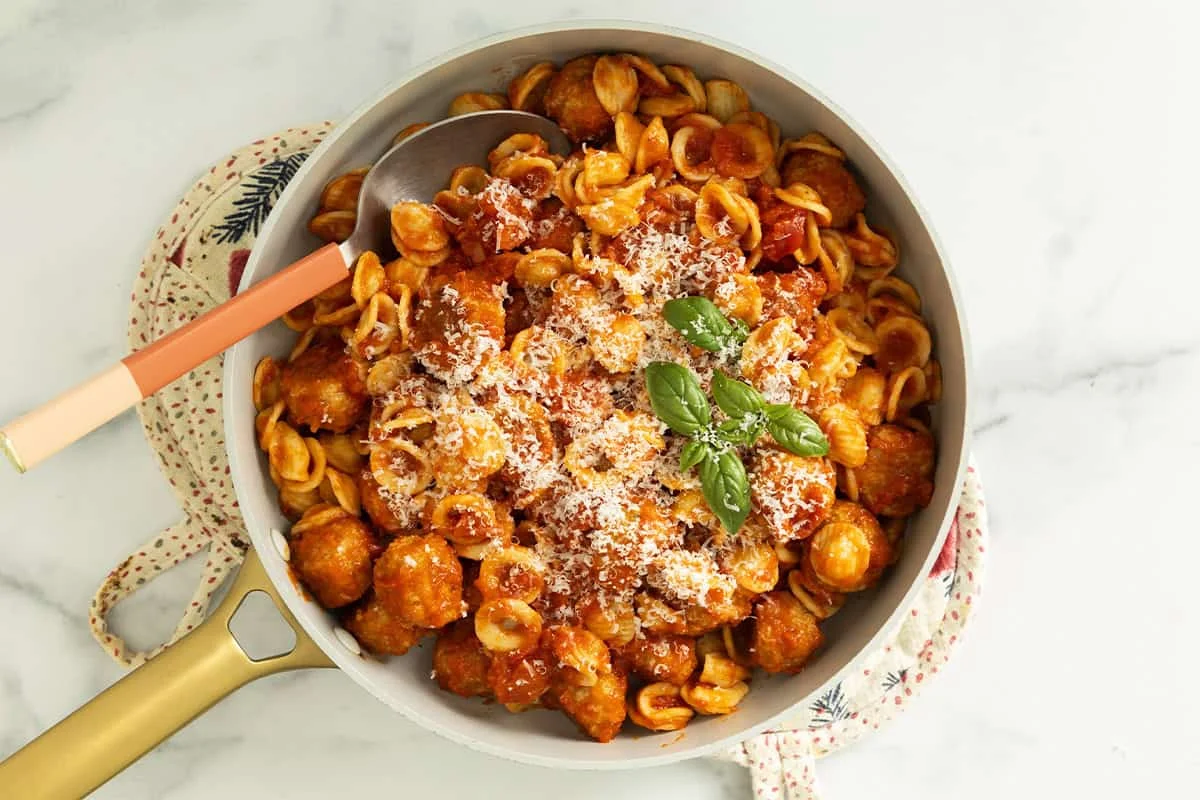
The Architectural Foundation of Modern Family Meals
The rise of the chicken meatball pasta phenomenon can be traced to a broader movement within the culinary world often referred to as "stealth health" or "nutrient-dense meal prepping." Unlike traditional beef-based meatballs, which often contain higher saturated fat content, the utilization of ground chicken provides a leaner profile while maintaining the structural integrity required for a pasta-based dish. Culinary data suggests that chicken has seen a steady rise in popularity as the primary protein in American households, driven by both health consciousness and economic factors.
The recipe’s popularity is further bolstered by its versatility. By incorporating ingredients such as marinara sauce, parmesan cheese, and breadcrumbs, the dish leverages familiar flavor profiles to encourage the consumption of essential nutrients. For parents of toddlers, the inclusion of iron is particularly critical. According to pediatric nutritional guidelines, iron is a vital component for brain development and oxygen transport in the blood, and many young children struggle to meet the recommended daily intake through traditional diets.
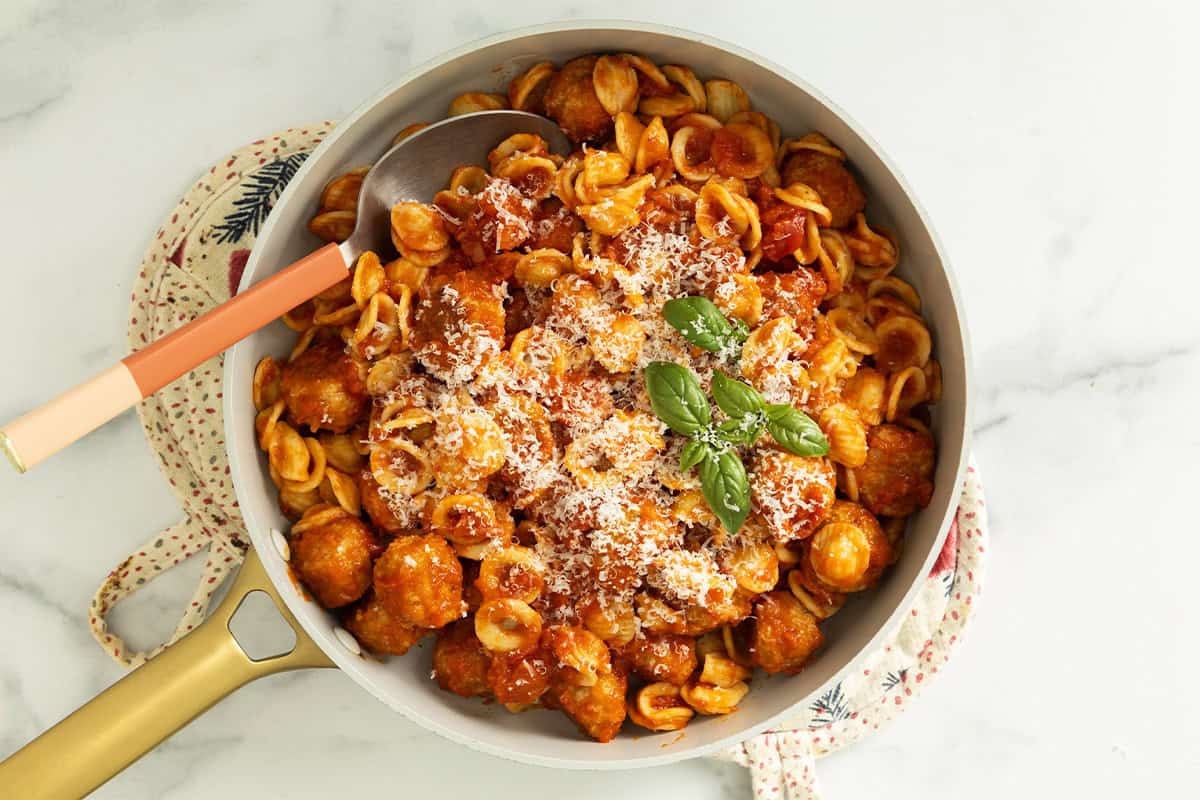
A Chronological Approach to Culinary Efficiency
The preparation of chicken meatball pasta is defined by a structured, four-step process designed to maximize output while minimizing active kitchen time. This efficiency is a hallmark of modern recipe development, catering to a demographic that often navigates the "arsenic hour"—the period between work and dinner when children are most demanding.
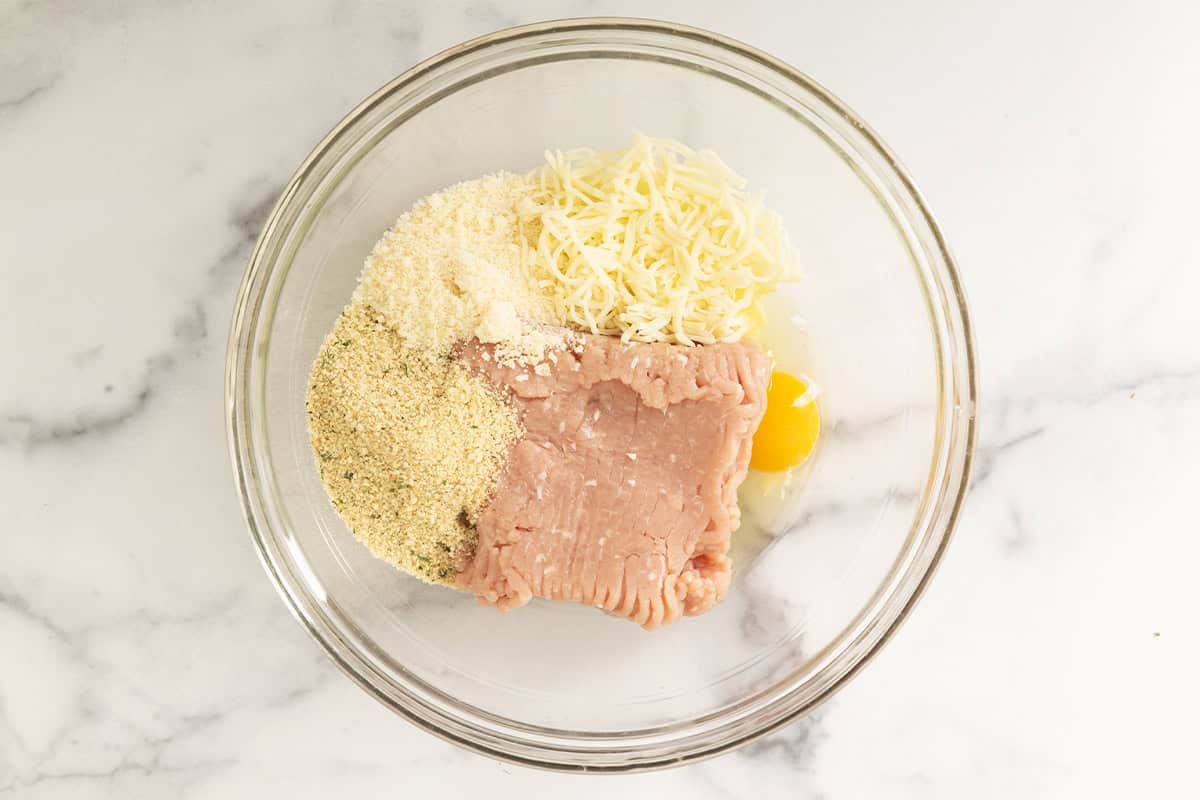
Phase One: The Emulsification and Seasoning
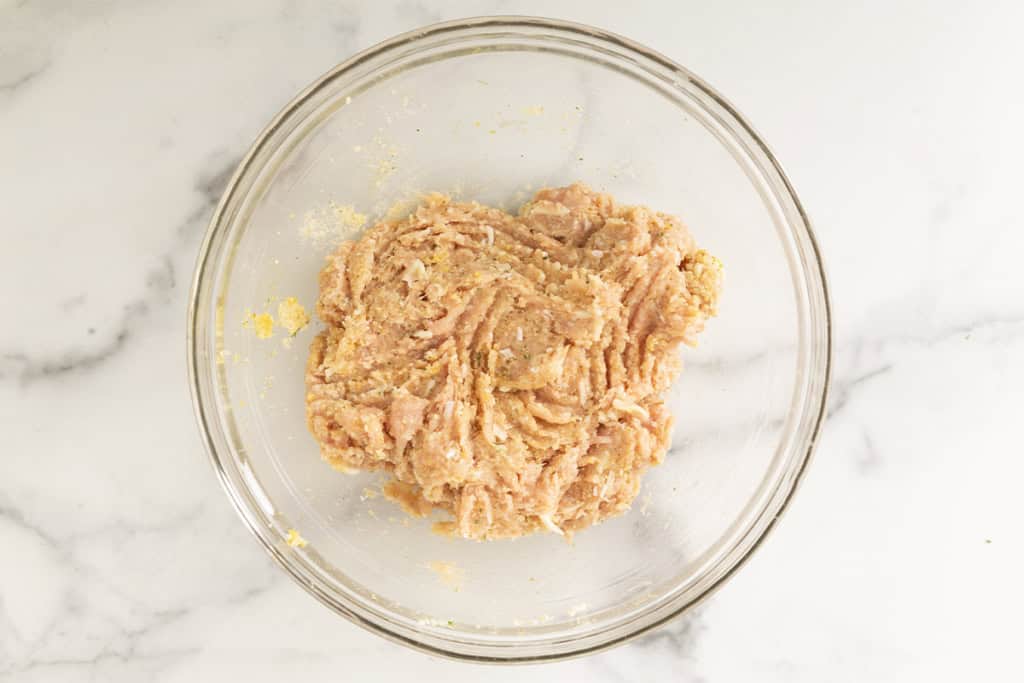
The process begins with the careful blending of ground chicken with binding agents and flavor enhancers. The use of breadcrumbs and eggs serves a dual purpose: providing a moist texture that prevents the lean chicken from becoming desiccated during the cooking process and ensuring the meatballs retain their shape when submerged in sauce. At this stage, culinary experts often recommend the addition of finely grated vegetables, such as carrots or zucchini. This "nutritional fortification" occurs without altering the flavor profile significantly, allowing for increased fiber and vitamin intake.
Phase Two: Thermal Processing and the Maillard Reaction
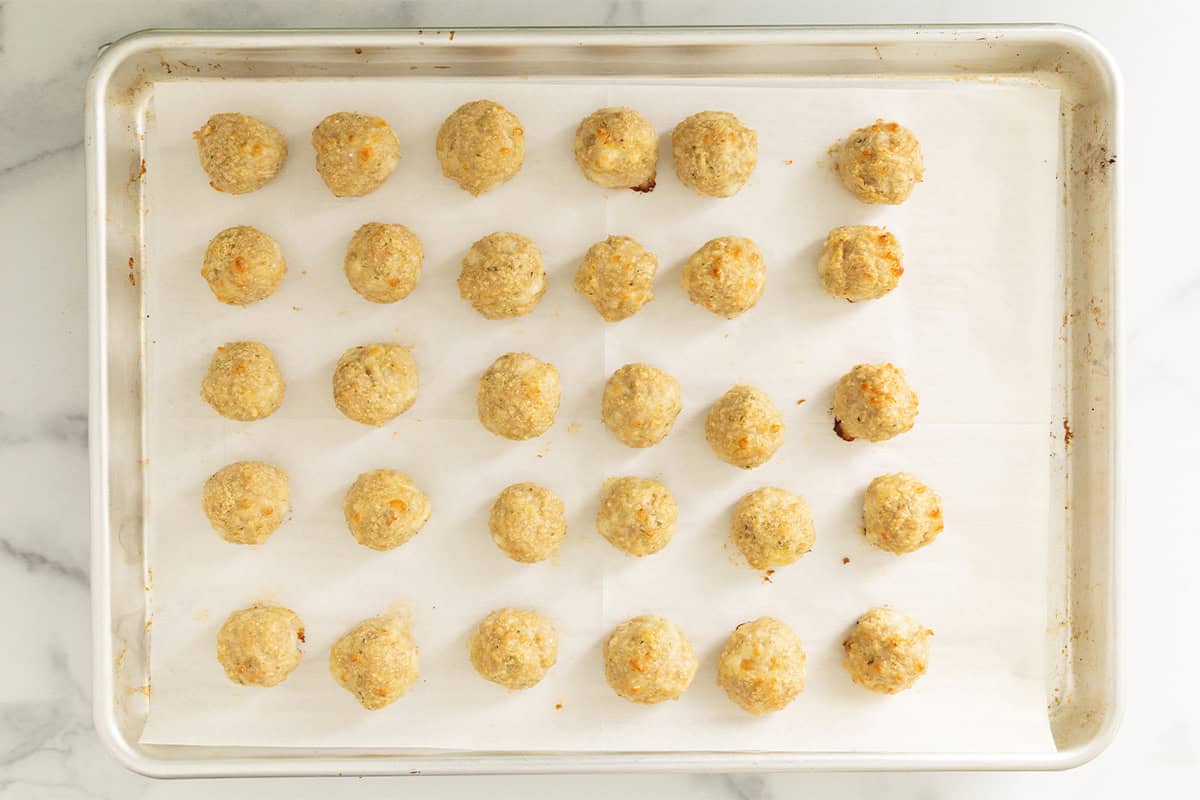
Baking the meatballs, rather than frying them, is a strategic choice that reflects modern health standards. This method allows for a more uniform cook and reduces the need for supplemental fats. During the baking process, the meatballs undergo the Maillard reaction—a chemical reaction between amino acids and reducing sugars that gives browned food its distinctive flavor. This ensures that despite being a "healthy" alternative, the meatballs possess the savory depth associated with traditional Italian cooking.
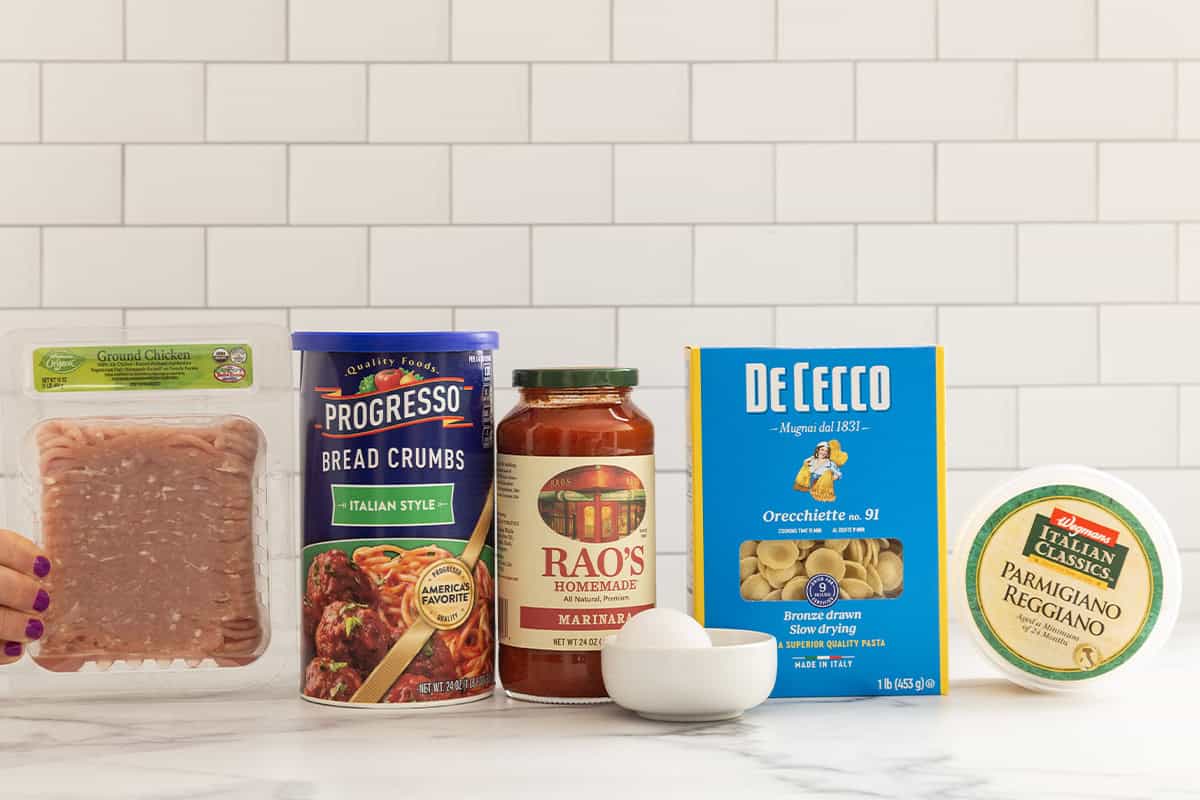
Phase Three: Carbohydrate Integration
The selection of pasta is the next critical step. While traditional wheat pasta remains the standard, the modern market has expanded to include whole-grain, chickpea, and lentil-based varieties. The boiling of the pasta is timed to coincide with the final stages of the meatball’s baking cycle, ensuring that all components reach peak temperature and texture simultaneously.
Phase Four: Final Assembly and Flavor Fusion
The final stage involves the marriage of the meatballs, pasta, and marinara sauce. Simmering the meatballs within the sauce allows for a transfer of flavors, where the acidity of the tomatoes cuts through the richness of the parmesan and chicken. This phase is crucial for the "reheatability" of the dish—a factor that has made it a staple of meal-prep culture.
Nutritional Analysis and Economic Viability
A data-driven look at the dish reveals why it has become a cornerstone of dietary planning. A standard serving of this chicken meatball pasta contains approximately 266 calories, providing a balanced ratio of macronutrients:
- Protein (18g): Essential for muscle repair and growth, particularly in developing children.
- Carbohydrates (31g): Provides the necessary glucose for energy throughout the day.
- Iron (2mg): Fulfills a significant portion of the daily requirement for toddlers and adults alike.
- Fiber (2g): Aids in digestive health.
From an economic perspective, ground chicken and bulk pasta are among the most cost-effective ingredients in the grocery store. In a landscape of rising food costs, the ability to create eight servings of a high-protein meal for a relatively low price point is a significant advantage. Furthermore, the longevity of the leftovers—which maintain their texture and flavor for up to five days in refrigeration—directly combats the issue of domestic food waste. In the United States, it is estimated that the average family of four loses $1,500 a year to wasted food; recipes that reheat well are an essential tool in reducing this economic loss.
Professional Perspectives on Pediatric Nutrition
Dietitians and child development experts have frequently commented on the efficacy of "bridge foods" like chicken meatball pasta. A bridge food is a dish that uses a familiar format (pasta) to introduce or reinforce less-favored nutrients (lean protein and vegetables).
"The goal of family meal planning is often to reduce the ‘short-order cook’ syndrome, where parents make different meals for different family members," says a generalized consensus among pediatric nutritionists. "A dish like chicken meatball pasta is sophisticated enough for adult palates while remaining accessible for toddlers. It normalizes the consumption of proteins and encourages a positive relationship with whole foods."
Furthermore, the "pre-prep" aspect of the meatballs—which can be frozen for up to three months—aligns with psychological strategies to reduce parental stress. Having a high-quality, home-cooked meal available in the freezer reduces the likelihood of relying on ultra-processed fast food during busy weeknights.
Broader Implications for the Domestic Culinary Landscape
The shift toward dishes like chicken meatball pasta represents a larger transition in the American diet. We are seeing a move away from the "meat and potatoes" era toward "one-pan" or "integrated" meals that emphasize balance and efficiency. This evolution is driven by several factors, including the globalization of flavors, a deeper understanding of nutritional science, and the influence of digital recipe platforms that prioritize visual appeal and ease of execution.
Moreover, the success of this dish highlights the importance of "texture-matching" in child nutrition. Toddlers often experience sensory aversions to tough or dry meats. The softness of a baked chicken meatball, combined with the silkiness of a marinara-coated pasta, removes the sensory barriers that often lead to mealtime conflict.
Conclusion: The Future of the Family Table
As we look toward the future of domestic cooking, the principles found in the chicken meatball pasta model—nutritional density, economic efficiency, and multi-generational appeal—are likely to remain the gold standard. The dish is more than just a recipe; it is a reflection of how modern families are adapting to a fast-paced world without sacrificing the health and well-being of their members.
By focusing on high-quality ingredients like iron-rich chicken and fresh basil, and utilizing preparation methods that respect the constraints of time, the modern home cook can provide a restaurant-quality experience that supports long-term health. The chicken meatball pasta serves as a testament to the fact that the most effective solutions to complex problems—like family nutrition—are often found in the refinement of simple, classic foundations.
