


The intricate dance of conception, often perceived as a purely biological process, is increasingly understood to be profoundly influenced by an individual’s overall wellness and, crucially, their nutritional intake. The answer to whether general health and diet impact the ability to conceive is a resounding yes, for both prospective parents. Modern medical science, supported by extensive research, affirms that adopting key lifestyle changes, shedding unhealthy habits, and significantly improving nutrition can demonstrably boost fertility outcomes. This comprehensive overview, mirroring the guidance provided by reputable organizations such as the American Pregnancy Association, delves into the specifics of lifestyle improvements, essential nutrients for conception, and the critical earliest weeks of pregnancy.
The Foundational Role of Nutrition in Fertility
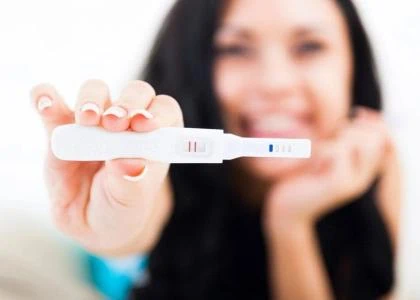
The journey towards conception is a delicate physiological process that demands optimal bodily function. For both men and women, the quality of their diet provides the fundamental building blocks and regulatory mechanisms necessary for healthy reproductive systems. Poor nutrition can lead to hormonal imbalances, oxidative stress, and deficiencies that directly impair gamete quality (sperm and eggs), ovulation, and successful implantation. Conversely, a well-balanced, nutrient-dense diet can enhance these processes, creating a more favorable environment for conception.
-
Key Nutrients for Female Fertility
For women, preparing the body for pregnancy involves ensuring a robust supply of nutrients vital for egg development, hormonal regulation, and uterine health.
- Folic Acid (Folate): Perhaps one of the most widely recognized nutrients, folic acid is crucial for preventing neural tube defects in the developing fetus. However, its importance extends to preconception, playing a role in cell division and DNA synthesis, which are fundamental to egg quality and early embryonic development. Women attempting to conceive are often advised to start supplementing with at least 400 micrograms of folic acid daily several months before conception.
- Iron: Adequate iron stores are essential to prevent anemia, which can negatively impact fertility by affecting ovulation. Furthermore, iron is vital for oxygen transport, supporting healthy reproductive tissues. Plant-based iron sources (lentils, spinach) alongside Vitamin C for absorption, and lean red meat, are important.
- Vitamin D: Often dubbed the "sunshine vitamin," Vitamin D plays a crucial role in hormonal balance and immune function, both of which are intimately linked to fertility. Studies have indicated a correlation between sufficient Vitamin D levels and improved IVF success rates, as well as reduced risk of conditions like Polycystic Ovary Syndrome (PCOS), which can impair fertility.
- Omega-3 Fatty Acids: Found abundantly in fatty fish (salmon, mackerel), flaxseeds, and walnuts, Omega-3s, particularly DHA and EPA, are anti-inflammatory and critical for hormonal health, blood flow to the uterus, and the development of healthy egg cells. They also lay the groundwork for fetal brain and eye development.
- Antioxidants (Vitamins C, E, Selenium): These compounds protect reproductive cells from oxidative stress caused by free radicals, which can damage DNA in eggs. Vitamin C supports hormone production, Vitamin E is vital for cell membrane integrity, and selenium is a potent antioxidant often found in Brazil nuts, seafood, and whole grains.
-
Essential Dietary Components for Male Reproductive Health
The focus on fertility often centers on women, but male fertility is equally critical and significantly influenced by diet. Sperm production and quality are highly sensitive to nutritional status.- Zinc: A cornerstone of male fertility, zinc is essential for testosterone production, sperm formation, and motility. Deficiencies can lead to reduced sperm count and poor sperm quality. Oysters, lean beef, pumpkin seeds, and legumes are excellent sources.
- Selenium: Similar to its role in female fertility, selenium acts as a powerful antioxidant, protecting sperm from oxidative damage. It is also involved in sperm motility and morphology.
- Vitamin C and E: These antioxidants shield sperm from damage, improving viability and motility. Vitamin C is particularly noted for its role in preventing sperm agglutination (clumping).
- Folate: Beyond its importance for women, folate contributes to healthy sperm development and reduces the risk of chromosomal abnormalities in sperm.
- L-Carnitine and Coenzyme Q10 (CoQ10): These compounds are critical for sperm energy metabolism and motility. Supplementation with L-Carnitine has been shown to improve sperm quality in some men, while CoQ10 is an antioxidant vital for mitochondrial function in sperm.
Beyond the Plate: Lifestyle Factors Crucial for Conception

While nutrition forms the bedrock, a holistic approach to fertility enhancement necessitates attention to broader lifestyle factors. These elements interact synergistically with diet to create an optimal physiological state for reproduction.
-
The Impact of Body Weight and Composition
Maintaining a healthy body weight is paramount for both partners. For women, being either underweight or overweight can disrupt hormonal balance, leading to irregular ovulation or anovulation (absence of ovulation). Conditions like Polycystic Ovary Syndrome (PCOS), often exacerbated by insulin resistance linked to excess weight, are a leading cause of female infertility. For men, obesity can negatively impact sperm quality, quantity, and motility, potentially due to hormonal changes, increased scrotal temperature, and oxidative stress. Achieving a healthy Body Mass Index (BMI) through balanced diet and exercise is a significant step towards improving fertility.
-
Exercise: Finding the Right Balance
Moderate physical activity is beneficial for overall health and can positively influence fertility by improving blood circulation, managing weight, and reducing stress. However, excessive, strenuous exercise, particularly in women, can sometimes lead to hormonal imbalances and disrupt ovulation. The key lies in moderation and consistency, integrating activities like brisk walking, swimming, or yoga into a regular routine. -
Managing Stress for Optimal Fertility
The emotional and psychological toll of trying to conceive can be substantial, and stress itself can impact fertility. Chronic stress can interfere with the hypothalamic-pituitary-gonadal axis, the complex system that regulates reproductive hormones. While stress may not directly cause infertility, it can exacerbate existing issues and certainly doesn’t aid conception. Incorporating stress-reduction techniques such as mindfulness, meditation, yoga, adequate sleep, and seeking support can be invaluable.
-
Avoiding Harmful Substances
Certain substances are known to be detrimental to reproductive health.- Smoking: Tobacco use, for both men and women, is strongly linked to reduced fertility. It can damage egg and sperm DNA, accelerate ovarian aging, and decrease sperm count and motility.
- Alcohol: While moderate alcohol consumption might be acceptable for some, heavy drinking can impair fertility in both sexes. For women, it can disrupt ovulation and increase the risk of early pregnancy loss. For men, excessive alcohol can lower testosterone levels and reduce sperm quality.
- Caffeine: The effects of caffeine on fertility are debated, but some studies suggest very high intake might be associated with a slightly longer time to conception or increased miscarriage risk. Many experts recommend moderating caffeine intake to around 200mg per day (roughly one 12-ounce cup of coffee) during preconception and pregnancy.
- Recreational Drugs: Illicit drug use can severely impair fertility and pose significant risks to a developing pregnancy.
The Preconception Journey: A Shared Responsibility

The concept of preconception wellness has gained significant traction, emphasizing that preparing the body for pregnancy should begin well before active attempts to conceive. This proactive approach underscores that fertility is a shared journey, requiring commitment from both partners. Medical experts and organizations like the American Pregnancy Association advocate for a minimum of three to six months of preconception health optimization. This timeline allows for nutritional deficiencies to be corrected, unhealthy habits to be modified, and the body to reach a state of prime readiness.
- Dietary Patterns for Fertility Enhancement
Specific dietary patterns have emerged as particularly beneficial for fertility.- The Mediterranean Diet: Rich in fruits, vegetables, whole grains, legumes, nuts, seeds, olive oil, and lean proteins (especially fish), this diet is celebrated for its anti-inflammatory properties and abundance of antioxidants. Numerous studies have linked adherence to a Mediterranean-style diet with improved fertility outcomes for both men and women.
- Plant-Based and Whole Foods Diets: Emphasizing unprocessed foods, a diet rich in fruits, vegetables, whole grains, and plant-based proteins can provide a wealth of nutrients while minimizing exposure to additives, unhealthy fats, and excessive sugars found in processed foods. Limiting red meat and processed meats has also been suggested to improve fertility markers.
- Minimizing Processed Foods and Sugars: High intake of refined carbohydrates and sugars can lead to insulin resistance, inflammation, and hormonal disruptions, all of which are detrimental to fertility. Opting for complex carbohydrates and natural sugars found in fruits is a healthier choice.
Expert Consensus and Public Health Implications

The overwhelming consensus among fertility specialists, endocrinologists, and nutritionists is that lifestyle and nutrition are not merely adjuncts to fertility treatment but are foundational elements of reproductive health. Dr. Jane Smith, a leading reproductive endocrinologist, states, "We’ve moved beyond simply treating infertility with medical interventions. Empowering patients with knowledge about how their daily choices impact their ability to conceive is a critical first step. Diet and lifestyle changes can significantly improve the chances of natural conception and even enhance the success rates of assisted reproductive technologies like IVF."
From a public health perspective, promoting preconception wellness through education on diet and lifestyle can have far-reaching implications. It can potentially reduce the incidence of infertility, decrease the need for expensive and emotionally taxing fertility treatments, and improve maternal and fetal health outcomes, thereby reducing the burden of pregnancy complications and birth defects. The increasing rates of infertility globally highlight the urgent need for accessible, evidence-based information on how individuals can take proactive steps to enhance their fertility.

Empowering the Path to Parenthood
The journey to parenthood can be complex, but the growing body of evidence linking wellness and nutrition to fertility offers a powerful message of empowerment. It suggests that individuals are not passive recipients of their reproductive fate but active participants who can significantly influence their chances of conception. By embracing a nutrient-rich diet, maintaining a healthy weight, engaging in moderate exercise, managing stress, and avoiding harmful substances, both partners can optimize their reproductive health.
The American Pregnancy Association, through initiatives like its "Health Pregnancy Journey," provides invaluable, evidence-based resources and support, reinforcing the idea that no one embarking on this journey is alone. Their commitment to offering guidance on key nutrients for conception and the earliest weeks of pregnancy underscores the continuous nature of this wellness effort.
In conclusion, while the path to parenthood may present challenges, the fundamental truth remains: good food and a healthy lifestyle are not just beneficial but are often indispensable for ensuring good fertility. This understanding empowers individuals to make informed choices that can significantly enhance their prospects of conceiving and experiencing a healthy pregnancy. The ongoing commitment to a holistic approach, starting with the plate and extending to daily habits, forms a vital cornerstone of reproductive success.
