

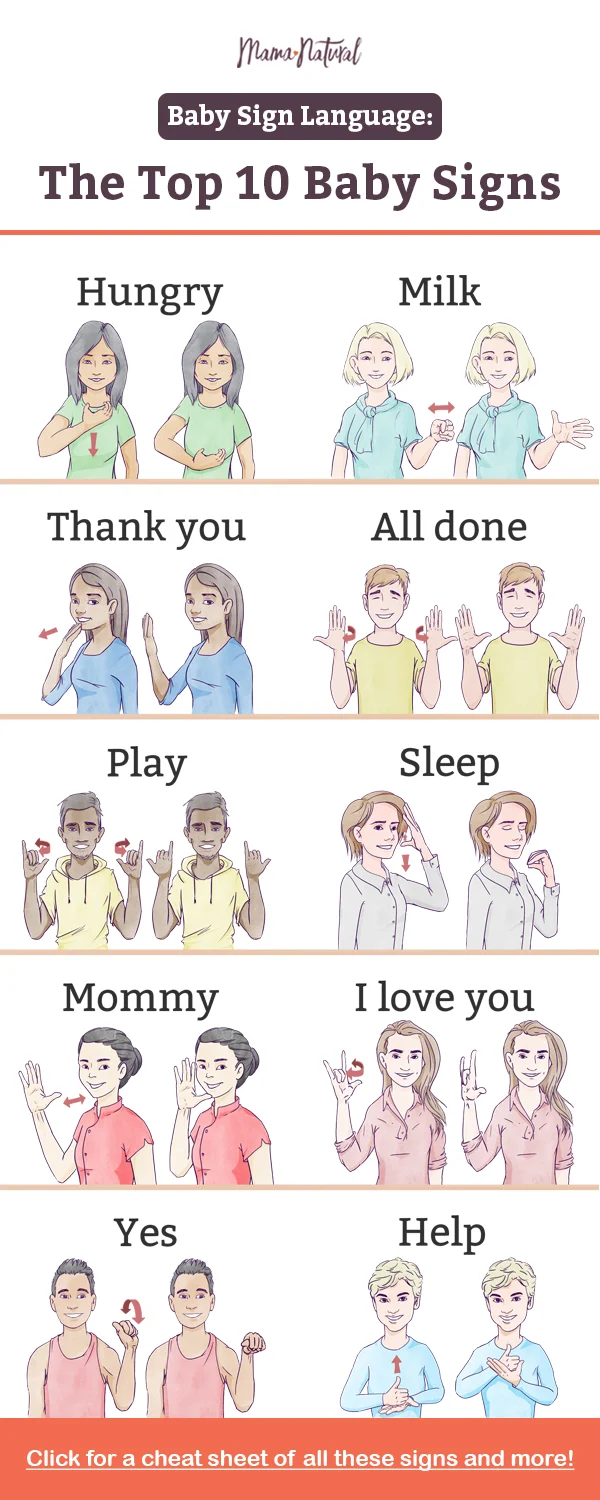
The implementation of baby sign language (BSL) has transitioned from a niche pedagogical trend to a widely recognized developmental tool utilized by parents, educators, and pediatric specialists to facilitate early communication. At its core, baby sign language is a modified version of American Sign Language (ASL), specifically adapted to accommodate the limited fine motor skills of infants. By providing a bridge between a child’s desire to communicate and their physiological ability to produce speech, BSL serves as a critical intervention for reducing the "frustration gap" inherent in early childhood. This report provides an exhaustive analysis of the benefits, methodologies, and technical applications of baby sign language within the framework of modern child development.
The Evolution and Fundamentals of Early Gestural Communication
Baby sign language is not a separate language but rather a collection of symbolic gestures that represent common words and needs. While ASL is a complex, rich language with its own grammar and syntax used by the Deaf community, BSL focuses on isolated keywords such as "milk," "more," and "sleep." The practice gained mainstream scientific backing in the late 20th century, primarily through the research of Dr. Linda Acredolo and Dr. Susan Goodwyn. Their longitudinal studies, funded by the National Institutes of Health (NIH), demonstrated that infants who utilized signs showed advanced cognitive development and larger expressive vocabularies compared to those who did not.
The fundamental objective of BSL is to leverage an infant’s natural inclination toward gesturing. Long before children can master the complex coordination of the tongue, lips, and vocal cords required for speech, they possess the manual dexterity to point, wave, and reach. By formalizing these movements into specific signs, caregivers can establish a bidirectional communication loop months before the first spoken word is uttered.
Chronological Development: When to Initiate Instruction
The timeline for introducing sign language is dictated by an infant’s neurological and physical milestones. Most developmental experts suggest that the optimal window to begin modeling signs is between four and six months of age. At this stage, an infant’s eyesight has developed sufficiently to track hand movements, and their cognitive ability to associate a gesture with an object or action begins to solidify.
However, parents must manage expectations regarding the "output" phase of communication. While an infant may begin processing and understanding signs as early as four months, they typically do not possess the motor control to sign back until seven to nine months of age. This period of receptive-only communication is a vital phase of linguistic "priming." By twelve months, many signing infants can utilize a repertoire of 10 to 20 signs, significantly preceding the typical timeline for verbal fluency.
Scientific Analysis of the Benefits of Baby Sign Language
The advantages of BSL extend beyond mere convenience, impacting psychological, emotional, and cognitive spheres.
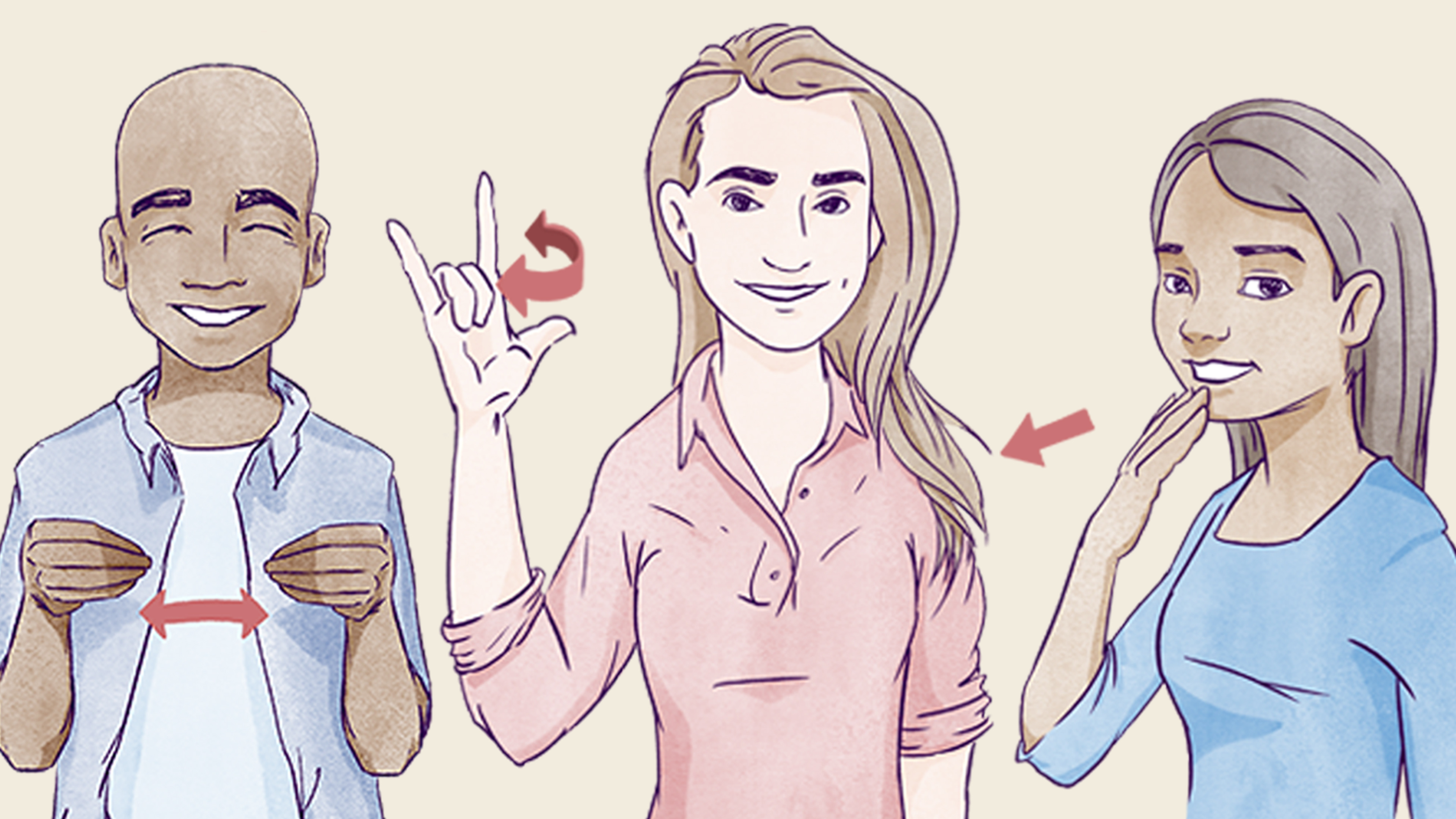
1. Mitigation of Behavioral Frustration
A primary catalyst for temper tantrums in toddlers is the inability to articulate specific needs. When a child can sign "water" or "hurt" instead of crying, the immediate fulfillment of that need reinforces a sense of agency. Data suggests that households utilizing BSL report a lower frequency of high-intensity crying episodes, as the "guesswork" for the caregiver is significantly reduced.
2. Socio-Emotional Development and Self-Esteem
Early communication fosters a deeper bond between the caregiver and the child. When a baby realizes their thoughts and needs are understood, it builds a foundation of trust and security. This sense of being "heard" contributes to higher levels of self-confidence as the child enters the social environment of preschool.
3. Impact on Verbal Acquisition
A common concern among parents is that sign language might delay speech. However, empirical evidence from the University of Western Ontario and other research institutions indicates the opposite. Sign language acts as a scaffold for verbal language. By pairing a sign with a spoken word, caregivers provide a multi-sensory learning experience (visual, kinesthetic, and auditory). Studies have shown that signing infants often have a larger spoken vocabulary by age two and may even demonstrate higher IQ scores in later childhood, likely due to the early activation of the brain’s language centers.
Strategic Methodology for Teaching Signs
For BSL to be effective, instruction must be integrated into the child’s existing routine using a consistent, three-pillar approach.
Start with High-Frequency Needs
Initial instruction should focus on "functional" signs—those that represent the child’s most immediate desires. Words like "milk," "eat," and "more" are highly motivating because their use results in a tangible reward. By starting with the familiar, the child quickly learns the cause-and-effect relationship of signing.
The Principle of Repetition and Verbal Pairing
Repetition is the cornerstone of infant learning. Every time a caregiver offers a bottle, they should perform the sign for "milk" while clearly saying the word. This pairing of the sign with the spoken word ensures that the child does not rely solely on gestures but begins to map the sound of the word to its meaning.
Positive Reinforcement and Patience
The process of learning signs is non-linear. An infant may sign correctly one day and seem to forget the next. Caregivers are encouraged to maintain a positive, pressure-free environment. Praising the child for "approximations"—signs that are not perfectly formed but are clearly intentional—is essential for maintaining the child’s interest in communication.
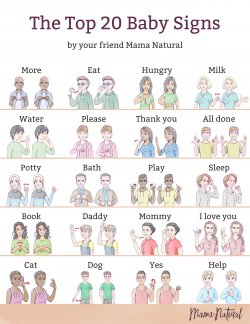
The Essential BSL Lexicon: Technical Descriptions of the Top 20 Signs
The following signs represent the most common and effective gestures for early childhood communication.
Basic Needs
- More: Bring the tips of the fingers together on each hand to form a "flattened O" shape, then tap the fingertips of both hands together repeatedly.
- Eat: Using the same "flattened O" hand shape, tap your fingertips against your mouth.
- Milk: Extend one hand and make a fist, then open and close the fingers in a squeezing motion, mimicking the action of milking a cow.
- Water: Extend the three middle fingers of the hand to form a "W" while the thumb and pinky touch; tap the index finger against your chin.
- Hungry: Form a "C" shape with one hand and move it from your throat down toward your stomach, symbolizing food traveling down.
Manners and Social Interaction
- Please: Place your palm flat against your chest and move it in a circular motion.
- Thank You: Touch the fingertips of your flat hand to your chin, then move the hand outward toward the person you are thanking, similar to blowing a kiss.
- Help: Place your dominant hand in a "thumbs up" position on top of the flat palm of your non-dominant hand; lift both hands upward together.
- Yes: Form a fist and tilt it up and down at the wrist, mimicking a nodding head.
- I Love You: Cross both arms over the chest with hands in fists, simulating a hug.
Routine and Environment
- All Done: Hold both hands up with palms facing you, then quickly flip them outward so the palms face away.
- Sleep: Place your hand over your forehead with fingers spread, then draw the hand down to your chin while closing your fingers and eyes.
- Bath: Form two fists and rub them up and down your chest, mimicking the action of scrubbing.
- Potty: Form a fist with the thumb tucked between the index and middle fingers (the ASL letter ‘T’), then shake the hand side-to-side.
- Change: Form both hands into "hooks" with the index fingers, then rotate the hands around each other at the wrists.
- Book: Place your palms together, then open them while keeping the bottom edges touching, as if opening a book.
- Play: Extend the thumb and pinky of both hands while tucking the middle fingers (the "hang ten" sign) and rotate the wrists back and forth.
People and Animals
- Mommy: Extend all fingers and tap your thumb against your chin.
- Daddy: Extend all fingers and tap your thumb against your forehead.
- Dog: Pat your thigh and then snap your fingers, as if calling a canine.
- Cat: Use your thumb and index finger to "pinch" and pull outward from the side of your mouth, mimicking whiskers.
Expert Analysis and Societal Implications
The widespread adoption of baby sign language reflects a broader shift in pediatric philosophy toward "responsive parenting." By acknowledging that infants possess complex internal states long before they have the words to describe them, BSL fosters a more empathetic caregiving environment.
Speech-language pathologists (SLPs) often recommend BSL not only for typically developing children but also as a primary intervention for children with developmental delays, such as Down syndrome or Autism Spectrum Disorder. In these contexts, signing provides an essential alternative communication (AAC) method that can prevent the social withdrawal and behavioral issues often associated with non-verbal children.
Furthermore, the integration of BSL into childcare centers and preschools has standardized early communication. This creates a "linguistic community" where infants can communicate not only with their parents but also with their peers and teachers, fostering early social integration.
Conclusion
Baby sign language stands as a scientifically validated, highly effective methodology for enhancing early childhood development. By utilizing simplified manual signs, caregivers can bypass the physiological limitations of the infant vocal tract, establishing a robust communication system as early as the first six months of life. The data remains clear: the use of BSL reduces domestic frustration, accelerates verbal language acquisition, and strengthens the emotional bond between parent and child. As pediatric research continues to evolve, the implementation of gestural communication is likely to remain a cornerstone of early childhood education and proactive parenting. For parents embarking on this journey, the key remains consistency and patience, with the understanding that every sign learned is a window opened into the mind of their child.
