

The Biological Significance of the Human Microbiome
The human gut contains approximately 100 trillion microorganisms, outnumbering human cells by a significant margin. This microbial community performs essential functions, including the synthesis of vitamins (such as B12 and K), the fermentation of non-digestible dietary fibers, and the regulation of the intestinal barrier. According to data from the National Institutes of Health (NIH), the microbiome is so integral to human survival that it is often categorized as a "supporting organ."
However, modern lifestyle factors—including the overuse of broad-spectrum antibiotics, high-sugar diets, chronic stress, and environmental toxins—have led to a documented decline in microbial diversity across Western populations. This decline is closely correlated with a rise in autoimmune diseases, metabolic disorders, and mental health challenges. Understanding the specific indicators of an imbalanced gut is the first step toward clinical intervention and lifestyle modification.
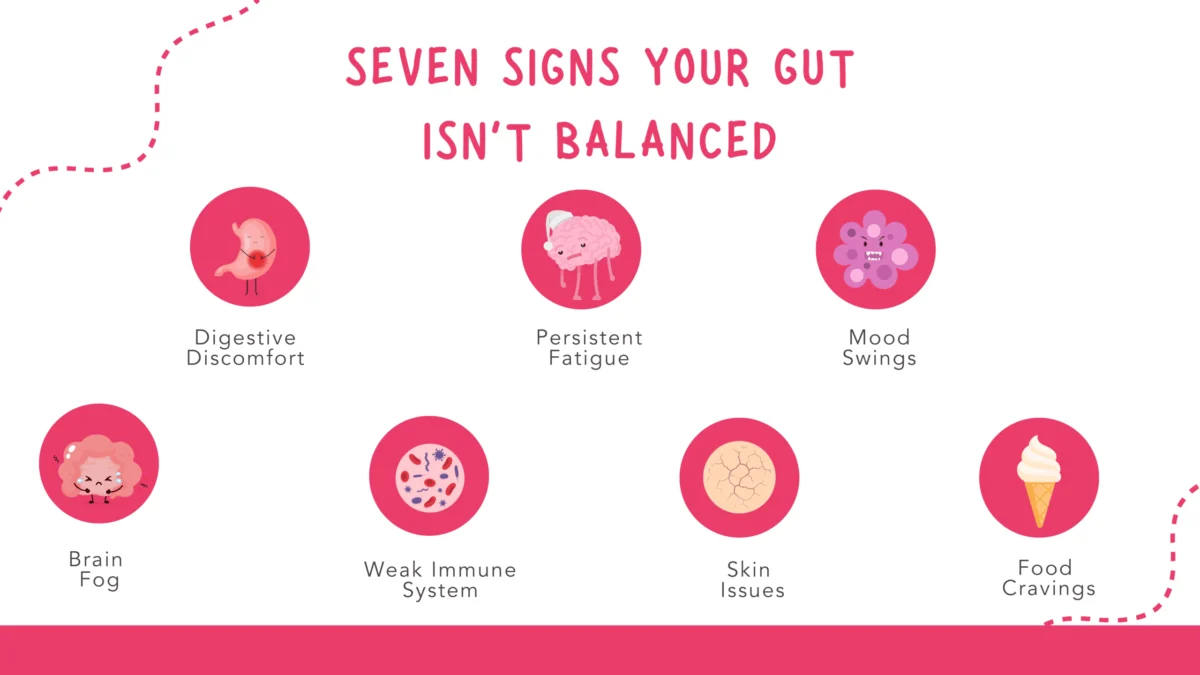
Seven Primary Indicators of Gut Dysbiosis
Clinical observations and patient surveys have identified seven key signs that suggest a person’s gut microbiome may be compromised.
1. Chronic Digestive Irregularity
The most direct indicators of gut imbalance are gastrointestinal symptoms such as persistent bloating, gas, constipation, or diarrhea. These symptoms often signify that the digestive system is struggling to process nutrients and eliminate waste efficiently. According to the International Foundation for Gastrointestinal Disorders, Irritable Bowel Syndrome (IBS) affects an estimated 10% to 15% of the global population. Many cases of IBS are increasingly linked to Small Intestinal Bacterial Overgrowth (SIBO) or an overrepresentation of pathogenic bacteria in the large intestine.
2. Persistent Fatigue and Sleep Disturbances
Emerging research suggests a strong correlation between gut health and energy levels. A study published in Microbiome found that individuals with Chronic Fatigue Syndrome (CFS) often possess a distinct gut microbial profile characterized by lower levels of anti-inflammatory bacteria. Furthermore, the gut produces precursors to melatonin, the hormone responsible for regulating sleep-wake cycles. An imbalanced gut can lead to fragmented sleep, further exacerbating feelings of lethargy.
3. Mood Fluctuations and Anxiety Disorders
The "gut-brain axis" refers to the bidirectional communication between the central nervous system and the enteric nervous system. Data indicates that approximately 95% of the body’s serotonin—a neurotransmitter critical for mood regulation—is produced in the gut. When the microbiome is in a state of dysbiosis, serotonin production can be inhibited, leading to increased rates of anxiety, depression, and irritability. The American Psychological Association has noted that probiotics are increasingly being studied as "psychobiotics" for their potential to alleviate mental health symptoms.
4. Pathological Food Cravings
The composition of the microbiome can influence dietary choices through a process known as microbial manipulation. Certain species of yeast and bacteria thrive on simple sugars and processed carbohydrates. These microbes can release signaling molecules into the bloodstream that interact with the brain’s reward system, inducing cravings for the very foods that sustain the harmful bacteria. This creates a feedback loop that reinforces poor dietary habits and further degrades the microbial environment.
5. Dermatological Manifestations
The "gut-skin axis" is a well-documented phenomenon in dermatology. Inflammation originating in the gut can manifest externally as acne, eczema, rosacea, or psoriasis. When the intestinal lining becomes overly permeable—a condition often termed "leaky gut"—pro-inflammatory cytokines and undigested food particles can enter the bloodstream, triggering systemic immune responses that affect the skin’s integrity and appearance.
6. Compromised Immune Response
It is estimated that 70% to 80% of the human immune system is located within the gut-associated lymphoid tissue (GALT). A healthy microbiome trains immune cells to distinguish between harmless antigens and dangerous pathogens. Frequent infections, slow wound healing, and the development of seasonal allergies are often symptomatic of a weakened gut barrier that can no longer provide adequate immunological defense.
7. Cognitive Impairment and Brain Fog
"Brain fog," characterized by confusion, forgetfulness, and a lack of mental clarity, is frequently linked to gut-derived inflammation. Short-chain fatty acids (SCFAs) produced by beneficial bacteria play a role in maintaining the blood-brain barrier. When these bacteria are deficient, inflammatory markers can reach the brain, affecting cognitive function and focus.
A Chronology of Microbiome Research and Discovery
The scientific understanding of the gut has evolved rapidly over the last century.
- 1907: Nobel laureate Elie Metchnikoff proposes that consuming fermented milk could "seed" the gut with beneficial bacteria to prolong life.
- 1990s: The development of DNA sequencing allows scientists to identify bacteria that cannot be grown in a lab, revealing the true scale of the microbiome.
- 2007: The National Institutes of Health launches the Human Microbiome Project (HMP), a five-year, $115 million initiative to map the microbial makeup of healthy humans.
- 2013-2016: HMP Phase 2 explores the role of the microbiome in specific conditions, including pregnancy and inflammatory bowel disease.
- 2020-Present: Research shifts toward personalized nutrition and the development of "next-generation probiotics" tailored to individual genetic and microbial profiles.
Strategic Interventions for Microbiome Restoration
Restoring balance to the gut is a multi-faceted process involving dietary changes, lifestyle adjustments, and targeted supplementation.
The Role of Dietary Fiber
Fiber serves as the primary fuel source for beneficial bacteria. Nutritionists categorize fiber into two types: soluble and insoluble. Soluble fiber, found in oats and legumes, dissolves in water to form a gel-like substance that slows digestion. Insoluble fiber, found in whole grains and vegetables, adds bulk to the stool. A diverse intake of plant-based foods ensures a broad spectrum of prebiotic fuel for different microbial strains.
Incorporation of Fermented Foods
Fermentation is a traditional preservation method that produces natural probiotics. Foods such as kefir, sauerkraut, kimchi, and kombucha introduce live, active cultures into the digestive tract. Clinical trials have shown that regular consumption of fermented foods can increase microbial diversity and lower markers of systemic inflammation.
Strategic Probiotic Supplementation
While whole foods are foundational, supplements can provide concentrated doses of specific strains. Modern formulations often include Lactobacillus rhamnosus for immune support and Bifidobacterium longum for digestive regularity. The industry is currently moving toward "synbiotics"—products that combine probiotics (live bacteria) with prebiotics (fiber) to ensure the bacteria have the nutrients needed to colonize the gut effectively.
Hydration and the Mucosal Barrier
Adequate water intake is essential for maintaining the mucosal lining of the intestines. This lining acts as a physical barrier against pathogens. Furthermore, hydration is necessary for fiber to pass through the digestive tract without causing blockages or discomfort.
Industry Analysis and Broader Health Implications
The global probiotics market was valued at approximately $60 billion in 2022 and is projected to reach over $100 billion by 2030. This growth reflects a significant shift in consumer behavior toward preventative health. Public health officials are increasingly emphasizing gut health as a means of reducing the long-term burden of chronic diseases on healthcare systems.
Analysis suggests that as the cost of microbiome sequencing decreases, "precision probiotics" will become the standard of care. Instead of a one-size-fits-all approach, patients may soon receive customized microbial prescriptions based on their unique stool samples. This transition from reactive medicine to proactive microbial management represents a paradigm shift in internal medicine.
Conclusion
The evidence is clear: the gut is not merely a digestive tube but a sophisticated command center for human health. The seven signs of imbalance—ranging from digestive distress to cognitive fog—serve as early warning signals of systemic dysfunction. By leveraging a combination of traditional fermented foods, high-fiber diets, and modern probiotic technology, individuals can recalibrate their internal ecosystems. As research continues to unravel the complexities of the gut-brain-immune axis, the maintenance of a diverse and resilient microbiome will remain a primary objective for those seeking long-term wellness and disease prevention.
