

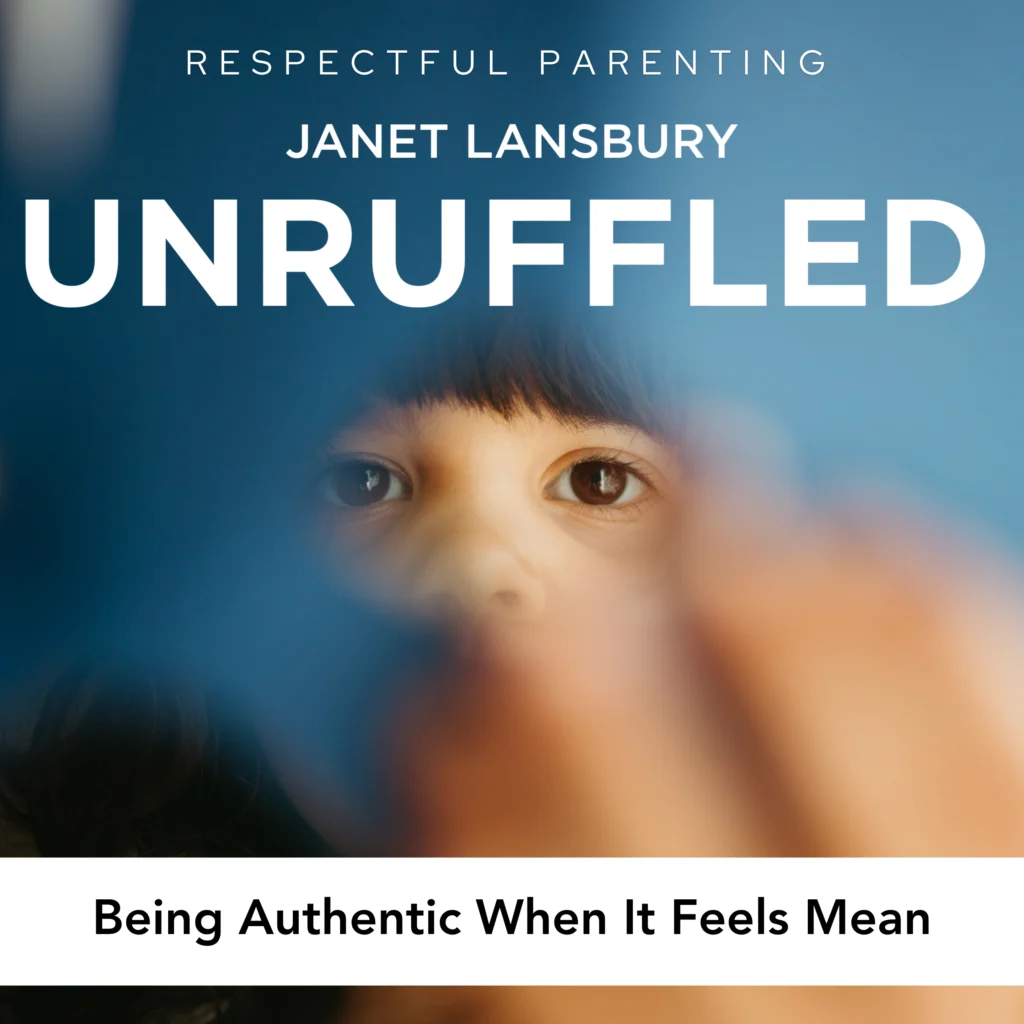
A concerned parent’s inquiry into navigating the delicate balance of authentic emotional expression with young children has ignited a broader conversation within parenting circles about honesty, boundaries, and the perceived impact of parental emotions on child development. The core of the issue, as articulated in an email to prominent parenting author and podcast host Janet Lansbury, revolves around a mother’s struggle to reconcile her own feelings of annoyance and anger with her desire to be genuine with her three-year-old son, fearing that her authentic reactions might be perceived as rejection. This situation highlights a common parental dilemma: how to maintain personal emotional integrity without inadvertently causing distress or insecurity in a young child.
Background: The Challenge of Parental Authenticity
The parent, who identifies as someone who was discouraged from expressing emotions during her own childhood, is actively working with a therapist to embrace and process her feelings. This personal journey, however, has created a new set of anxieties regarding her interactions with her children, particularly her three-year-old son and his nine-month-old sibling. She notes that her son sometimes engages in behaviors that she finds annoying, such as tidying up an area only for him to immediately begin scattering items again, seemingly "just for fun." In these moments, her immediate impulse is to express her frustration, a sentiment she worries about conveying.
Her specific concern is whether it is detrimental to her relationship with her son to decline a hug when she is feeling annoyed, and to articulate that feeling. She questions the appropriateness of saying, "I don’t really want to hug you right now because I’m annoyed with you, I didn’t like it when you threw the things around and made the house untidy." This statement, while honest, feels to her like it could imply conditional love, suggesting that affection is reserved only for moments when the child is behaving in a way she deems acceptable. The parent’s internal conflict lies in the perceived dichotomy between setting a boundary based on her emotional state and fostering a secure, unconditionally loving environment. This conflict is further compounded by her belief that forcing herself to hug when she doesn’t feel like it would be inauthentic and could undermine principles of consent and bodily autonomy.
Understanding the Child’s Perspective: Beyond Perceived Intent
Janet Lansbury, in her response, emphasizes the crucial role of understanding a child’s underlying motivations, suggesting that a three-year-old’s behavior is rarely "just for fun" when it elicits a negative parental reaction. According to child development research, young children are highly attuned to their parents’ moods and emotional states, even from infancy. Studies have indicated that a fetus can react to a mother’s stress hormones, demonstrating an early capacity to absorb emotional cues. This heightened awareness, combined with a limited ability to verbalize their own complex feelings, means that children often communicate their internal states through behavior.
Lansbury posits that the son’s behavior of scattering items, despite his mother having just tidied them, may not be a deliberate act of defiance or amusement. Instead, it could be a manifestation of underlying anxieties, particularly given the presence of a nine-month-old sibling. The transition to becoming an older sibling is a significant developmental milestone that can evoke feelings of insecurity, jealousy, and fear of losing parental attention. The child may be unconsciously seeking a reaction, an acknowledgment of his presence, or a way to navigate these complex emotions. His behavior, in this context, can be interpreted as an unconscious plea for parental attention and reassurance: "See me. I’m doing this thing that I know you don’t like. Something is going on with me."
This perspective shifts the focus from the child’s immediate action to the potential unmet needs driving it. When parents can view such behaviors through the lens of a child’s developmental stage and emotional landscape, their own reactions can transform. Instead of amplified annoyance, there can be a greater sense of empathy and a desire to understand and support the child’s internal experience. This understanding, Lansbury suggests, can help parents respond with more patience and less frustration, even when the behavior itself remains inconvenient.
The Nuance of Authenticity: Honesty Without Over-Sharing
The parent’s concern about "being authentic when it feels mean" is addressed by Lansbury through a nuanced understanding of what authentic parenting entails. She distinguishes between genuine honesty about internal states and the unnecessary burdening of a child with adult emotional complexities. While the parent’s instinct not to hug when feeling annoyed is valid and aligns with principles of authentic connection, Lansbury advises against detailed explanations that could overwhelm the child or imply conditional love.
Lansbury proposes that instead of saying, "I don’t really want to hug you right now because I’m annoyed with you, I didn’t like it when you threw the things around and made the house untidy," a simpler, more reassuring boundary can be set. This could involve saying, "I’m not going to hug right now, sweetie, but I love you. I’m going to hug you when I can." This approach honors the parent’s emotional state while reassuring the child of her enduring love and availability for connection at a later time. This strategy avoids alienating the child and instead offers a temporary pause, a postponement of the reconnecting moment, which is often more beneficial than a forced, inauthentic embrace.
The emphasis is on ensuring that a child’s outside experience matches their parent’s inside reality, a core tenet of authentic relating. However, this does not necessitate the disclosure of every fleeting parental emotion. For a three-year-old, receiving a detailed explanation of parental annoyance can be confusing and anxiety-inducing. They may not possess the cognitive or emotional maturity to process such information constructively. Instead, they need to feel safe and loved, even when their behavior is challenging.
Implications for Parental Well-being and Child Development
The parent’s journey highlights a broader societal trend where parents are increasingly encouraged to be emotionally transparent and self-aware. While this introspection is valuable, it can also lead to increased parental self-judgment and anxiety. The pressure to be perfectly attuned to a child’s needs while simultaneously managing one’s own emotional landscape can be overwhelming.
The analysis suggests that parents who struggle with their own emotional triggers, often rooted in their upbringing, face a unique challenge. When a parent’s annoyance or anger is triggered by a child’s behavior, it can tap into deeply ingrained fears of rejection or inadequacy. The parent’s desire to be authentic is, in part, a desire to break free from these patterns and model healthier emotional expression for their children.
However, the act of setting a boundary, even a gentle one, can feel like a rejection to a young child, especially if they are already grappling with insecurities. Research on attachment theory underscores the importance of consistent, responsive caregiving. While occasional emotional distance from a parent is not inherently damaging, a pattern of perceived rejection can impact a child’s developing sense of security and self-worth. The key, as Lansbury suggests, lies in how parents navigate these moments. By understanding the child’s perspective and responding with empathy, even when setting limits, parents can mitigate the potential for negative impact.
Furthermore, the parent’s concern about her son feeling like she "only like him and want to hang out with or hug him when he’s ‘good’" is a valid one. This highlights the importance of demonstrating unconditional love. Even when setting boundaries or declining a hug in a particular moment, it is crucial to reaffirm love and connection in ways that are understandable to a young child. This might involve offering a future hug, a shared activity later, or simply a verbal reassurance of love.
Navigating Triggers and Fostering Resilience
The parent’s self-awareness regarding her tendency to "get annoyed and angry quite easily" and her recognition of anger as a potential "crutch emotion" are significant insights. This introspection is a critical step in managing parental triggers. By acknowledging her own emotional patterns, she can begin to develop strategies for managing them, rather than simply reacting to them. This personal work, as Lansbury notes, is heroic and essential for both her well-being and her children’s.
The concept of "repair" in parent-child relationships is also central to this discussion. Even when parents express difficult emotions or set firm boundaries, the ability to reconnect and repair the rupture is vital. This might involve a later conversation about the challenges of having a new baby, acknowledging the older child’s feelings, or simply offering a warm, genuine hug once the parent has had time to process her own emotions. This process teaches children that conflicts can be resolved, that mistakes are forgivable, and that love endures even through difficult moments.
The broader implications of this conversation extend to the understanding of authenticity in parenting. It is not about performing perfect emotional control or expressing every inner turmoil. Instead, it is about fostering a genuine, honest relationship with one’s child, characterized by mutual respect, clear boundaries, and an understanding of each other’s developmental needs and emotional experiences. This approach, grounded in empathy and self-awareness, allows parents to navigate the complexities of raising children with greater confidence and connection, ensuring that their authenticity serves to strengthen, rather than strain, their most important relationships. The parent’s willingness to engage with these difficult questions, and Lansbury’s thoughtful guidance, offer a valuable roadmap for many parents navigating similar challenges.
