

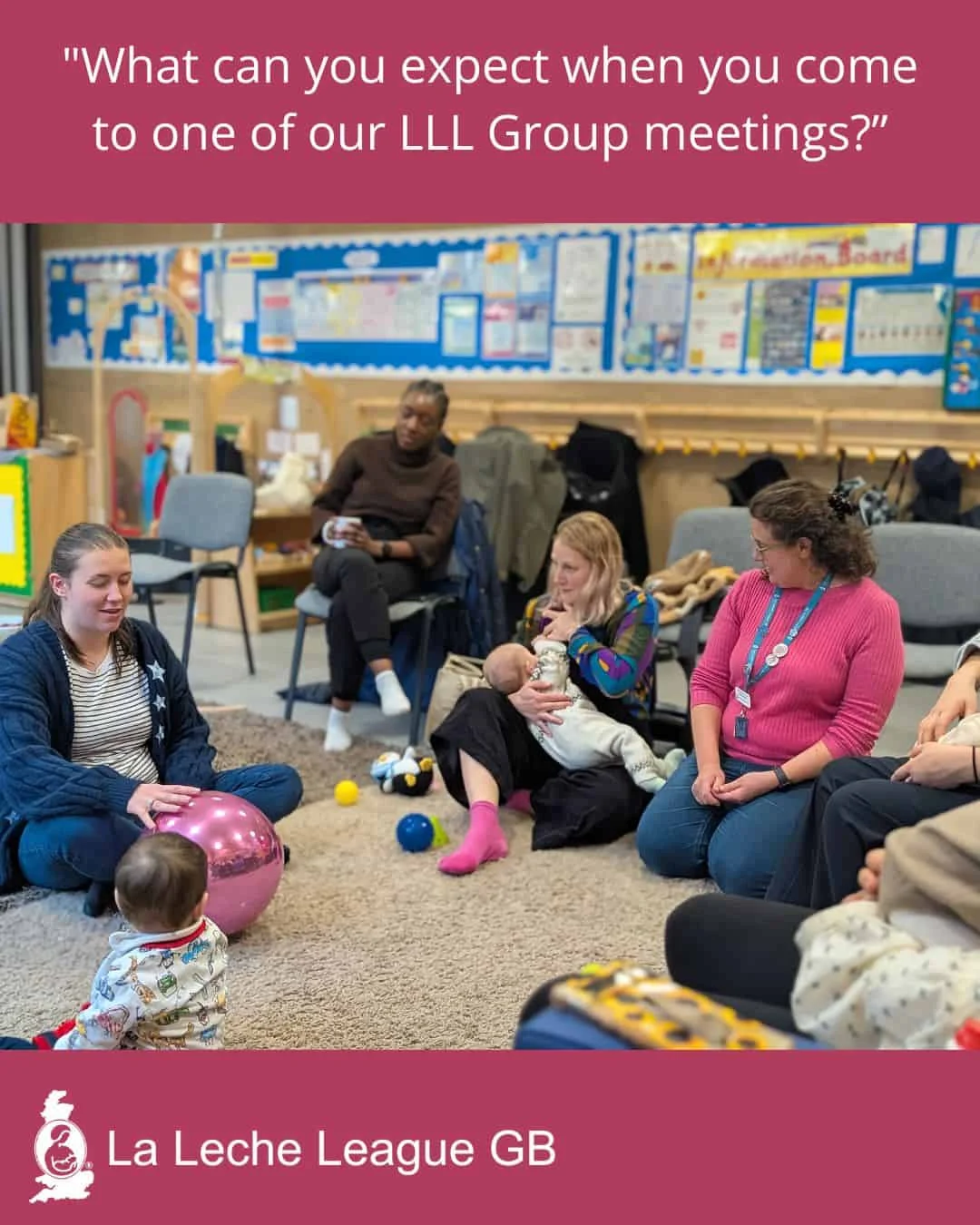
A recent gathering of La Leche League (LLL) Barnet provided a rich forum for breastfeeding mothers navigating the multifaceted challenges of returning to work. The circle, led by Rosella Picciuto, convened a diverse group, including solo mothers, those with older children, and women with infants ranging from three to 20 months, all sharing their varied yet deeply connected experiences. The primary focus of the discussion centered on the significant emotional and practical hurdles associated with transitioning back to professional life while continuing to breastfeed, highlighting the profound biological and emotional bonds between mothers and their infants.
The LLL Barnet Circle: A Nexus for Shared Understanding
The LLL Barnet meeting underscored a critical period in many mothers’ lives: the return to work. Attendees openly discussed the anxieties accompanying such major life changes, acknowledging the deep biological imperative mothers feel to care for their babies. The prospect of separation, even for part-time work, often triggers intense emotional responses long before the practical logistics are addressed. This pre-emptive emotional journey is a common thread among breastfeeding mothers contemplating their return to the workplace.
Discussions delved into the practicalities of exclusively breastfeeding (EBF) alongside employment. Several mothers shared their plans for three nursery days per week, while another recounted the stress associated with pumping, ultimately finding that her baby adapted well without expressed milk, a testament to the varied paths mothers navigate. The conversation naturally extended to introducing bottles versus cups, with the consensus being that the optimal method depends heavily on the baby’s developmental stage and the establishment of solid foods. For infants between six and twelve months, breast milk remains a crucial source of nutrition, and mothers were encouraged to allow grace for their children’s continued reliance on it.
A frequently acknowledged point was the rapid developmental changes in infants. The period between two and four months can see radical growth, making long-term predictions about adjustment difficult. However, mothers shared experiences suggesting that transitions often unfold more smoothly than anticipated. A significant concern raised by primary caregivers was the vulnerability felt when entrusting their intimately known babies to others. One mother’s positive surprise regarding the knowledge and attentiveness of nursery staff offered reassurance, emphasizing the importance of open communication with caregivers.
The phenomenon of "reverse cycling" was also discussed – a common adaptation where breastfed babies compensate for daytime separation by increasing milk feeds at night. This natural response helps maintain milk supply and allows for continued bonding. While some babies may initially resist milk from sources other than the breast, many gradually adapt to the structured rhythm of nursery life, which typically includes play, snacks, naps, and regular routines. One mother’s proactive approach to preparing her baby for nursery by planning an evening out, entrusting a grandparent with bedtime, illustrated a collective move towards releasing anxiety and trusting the process, with the shared understanding that "everyone survives." The meeting concluded with a powerful affirmation of the tenderness and honesty shared, reinforcing that mothers are not alone in navigating these significant transitions.
The Complex Landscape of Returning to Work for Breastfeeding Mothers
The themes discussed at the LLL Barnet circle are reflective of broader societal challenges faced by breastfeeding mothers. The decision to return to work is rarely simple, entwined with emotional, biological, practical, and economic considerations.
Emotional and Biological Considerations
The anxiety mothers feel about returning to work is deeply rooted in human biology. For millennia, mothers have been the primary caregivers, and the instinct to protect and nurture their offspring is profoundly ingrained. Separation, even when necessary, can trigger feelings of guilt, fear, and sadness. Research in developmental psychology highlights the importance of consistent caregiving in early infancy for secure attachment, which can intensify a mother’s concerns about the impact of her absence. The emotional ride described by the mothers at LLL Barnet is thus not merely psychological but also a reflection of evolutionary programming.
Practicalities of Continued Breastfeeding
Continuing to breastfeed while working presents unique logistical challenges. Pumping at work requires designated, private, and hygienic spaces, along with adequate breaks. In the UK, the Maternity and Parental Leave Regulations 1999 (as amended) and the Workplace (Health, Safety and Welfare) Regulations 1992 mandate that employers provide suitable rest facilities for pregnant and breastfeeding employees, including a place to lie down. While not explicitly requiring pumping facilities, the Advisory, Conciliation and Arbitration Service (ACAS) guidance recommends employers offer a private, clean, and safe space for expressing milk, other than a toilet. Despite these guidelines, many mothers report inadequate facilities or a lack of support, leading to stress and, in some cases, early cessation of breastfeeding.
The choice between bottles and cups for feeding expressed milk or formula is another practical decision. The World Health Organization (WHO) recommends exclusive breastfeeding for the first six months, followed by continued breastfeeding with appropriate complementary foods for up to two years or beyond. Introducing a cup around six months can bypass the need for bottles entirely, aligning with developmental milestones as babies learn to sit and handle objects. The decision often depends on the baby’s acceptance, the childcare provider’s capabilities, and the parents’ preferences.
Navigating Childcare and Trust
Entrusting an infant to external care providers is a significant step for any parent, particularly for breastfeeding mothers who have been the primary source of nourishment and comfort. Concerns about the quality of care, the caregiver’s understanding of the baby’s individual needs, and the emotional well-being of the child are paramount. The positive experience shared at the LLL Barnet meeting regarding nursery staff’s attunement underscores the importance of high-quality, responsive childcare. Early childhood education experts emphasize the value of open communication between parents and caregivers, regular check-ins, and a shared philosophy of care to build trust and ensure a smooth transition for the child.
Understanding Reverse Cycling
Reverse cycling is a well-documented physiological and behavioral adaptation in breastfed infants. When separated from their mothers during the day, babies naturally increase their feeds during the evening and night hours when they are reunited. This behavior serves multiple purposes: it helps maintain the mother’s milk supply by ensuring regular demand, provides comfort and reassurance to the baby after separation, and facilitates continued bonding. While it can lead to disrupted maternal sleep, understanding that this is a normal and often necessary adaptation can help mothers manage expectations and reduce stress.
Supporting Data and Expert Perspectives
The experiences shared at LLL Barnet are supported by extensive research and statistics regarding breastfeeding, maternal employment, and childcare.
Breastfeeding Rates and Duration
Globally, breastfeeding rates vary significantly. In the UK, data from Public Health England (now part of the Office for Health Improvement and Disparities) indicates that while a high percentage of mothers initiate breastfeeding (around 80% nationally), continuation rates decline sharply. By 6-8 weeks, approximately 43% are still breastfeeding, dropping further by six months. The World Health Organization recommends breastfeeding exclusively for the first six months and continuing up to two years and beyond. The return to work is frequently cited as a major factor contributing to the early cessation of breastfeeding. A 2018 study published in the Maternal & Child Health Journal found that mothers who returned to work full-time were significantly less likely to meet their breastfeeding goals compared to those who worked part-time or were not employed.
Maternal Employment Trends
According to the Office for National Statistics (ONS), the employment rate for mothers with dependent children in the UK has steadily increased over the past decades. In 2022, 75.6% of mothers were in employment, compared to 92.7% of fathers. A significant proportion of these mothers return to work within the first year of their child’s life. This trend highlights the critical need for robust support systems that enable mothers to balance their professional aspirations with their breastfeeding goals.
Benefits of Breastfeeding
The benefits of breastfeeding for both mother and child are well-established. For infants, breast milk provides optimal nutrition, antibodies that boost the immune system, and reduced risks of infections, allergies, and chronic diseases such as asthma and obesity. For mothers, breastfeeding can lower the risk of certain cancers (breast and ovarian), type 2 diabetes, and postpartum depression, while also aiding in postpartum recovery and fostering a unique bond with their baby. These profound benefits underscore the importance of facilitating continued breastfeeding for working mothers.
Workplace Support and Policy
Legislation and workplace policies play a crucial role in enabling mothers to combine breastfeeding with employment. In many countries, laws mandate breaks and private spaces for expressing milk. However, implementation and cultural acceptance vary widely. Beyond legal minimums, progressive companies offer additional support such as onsite lactation rooms, breast milk shipping services for traveling mothers, and flexible working arrangements (e.g., compressed hours, telecommuting, part-time options). Such initiatives not only support maternal and child health but also contribute to employee retention, higher morale, and reduced absenteeism. A report by the UK’s Women and Equalities Committee in 2016 called for greater employer awareness and enforcement of existing rights for breastfeeding mothers in the workplace.
Childcare Costs and Availability
The cost and availability of quality childcare are significant concerns for working parents. The UK has some of the highest childcare costs in the world, with a full-time nursery place for a child under two averaging over £14,000 per year in 2023, according to the Coram Family and Childcare Survey. These financial pressures often necessitate mothers returning to work, even when they might prefer to extend their maternity leave. The accessibility of high-quality childcare facilities that are supportive of breastfeeding mothers – for instance, willing to store and feed expressed milk or accommodate nursing visits – is therefore paramount.
The Broader Impact and Implications
The dialogue at the LLL Barnet circle transcends individual experiences, pointing to broader societal implications for maternal mental health, gender equality, and economic productivity.
Maternal Mental Health
The emotional toll of balancing work and breastfeeding, coupled with sleep deprivation from reverse cycling and anxiety about childcare, can significantly impact a mother’s mental health. Postnatal depression and anxiety are prevalent, and the stress of unsupported transitions can exacerbate these conditions. Community groups like LLL Barnet provide vital peer support, reducing feelings of isolation and offering practical advice, which are crucial protective factors for maternal well-being. A study in the Journal of Obstetric, Gynecologic & Neonatal Nursing found that social support is a key predictor of breastfeeding duration and maternal satisfaction.
Work-Life Balance and Gender Equality
The challenges faced by breastfeeding mothers returning to work highlight persistent issues in work-life balance and gender equality. The disproportionate burden often placed on mothers to manage childcare and household responsibilities, alongside professional demands, can hinder career progression and contribute to the gender pay gap. Policies that promote shared parental leave, flexible working for both parents, and comprehensive childcare support are essential for fostering a more equitable society where mothers are not forced to choose between their careers and their family well-being.
Economic Productivity and Public Health
Supporting breastfeeding mothers to continue working is not just a matter of individual choice or family welfare; it has significant economic and public health implications. Increased breastfeeding duration leads to healthier children, reducing healthcare costs associated with childhood illnesses. For employers, retaining experienced female talent through supportive policies translates into reduced recruitment and training costs, enhanced diversity, and improved productivity. A lack of support can lead to mothers leaving the workforce prematurely, representing a loss of human capital and economic contribution.
Conclusion
The open and honest sharing within the La Leche League Barnet circle provides a microcosm of the complex realities faced by breastfeeding mothers returning to work. The discussions, ranging from the profound emotional wiring to the intricate logistical planning and the natural adaptations like reverse cycling, underscore the need for comprehensive support systems. These include robust workplace policies, accessible and affordable quality childcare, and invaluable community networks like LLL. As mothers navigate these significant transitions, the collective wisdom and empathy found in groups like LLL Barnet offer not just practical advice but also crucial emotional grounding, reminding each woman that she is not alone in her journey. The eventual outcome, as optimistically noted by one mother, is often that "everyone survives," highlighting the resilience of mothers and the adaptability of infants, provided they have the necessary support to thrive. The ongoing dialogue and policy advancements in this area remain critical for the health and well-being of families and the broader societal landscape.
