

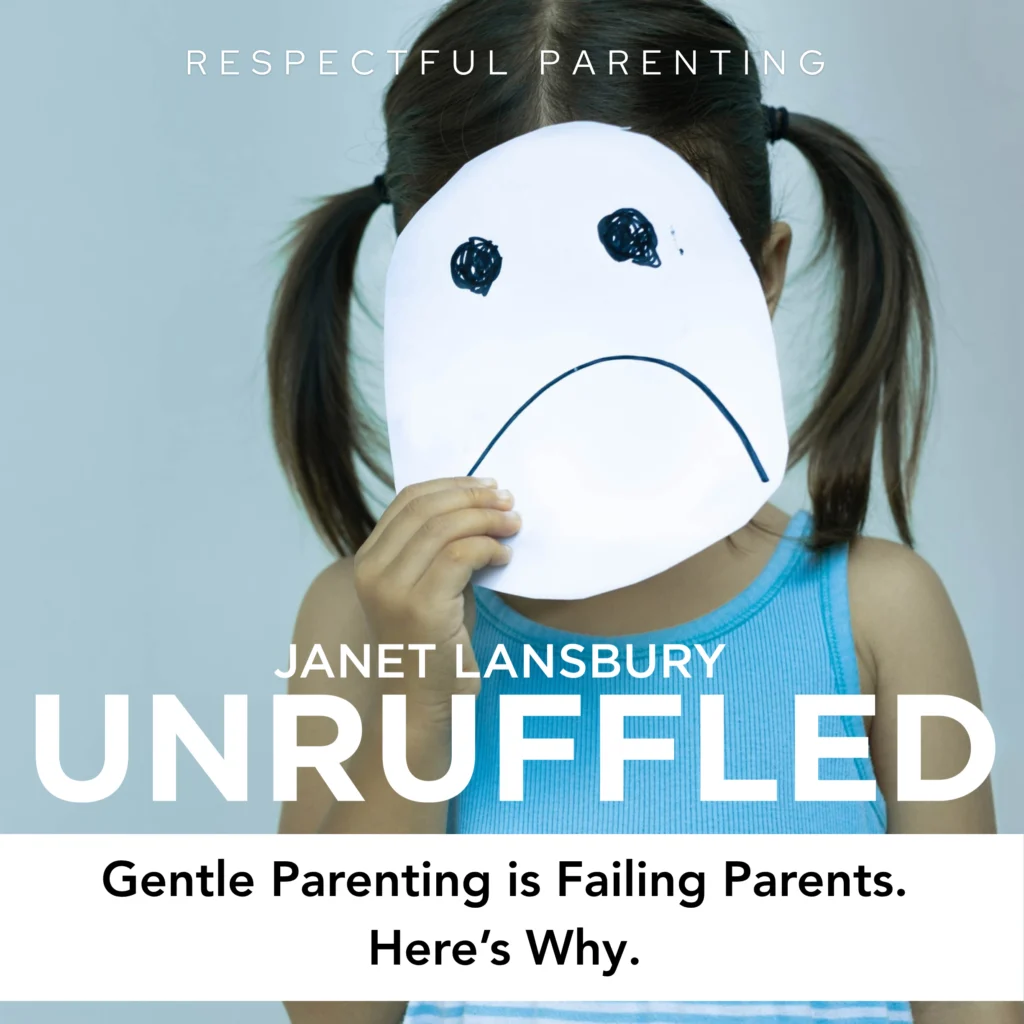
A growing number of parents are expressing exhaustion and self-doubt regarding the "gentle parenting" approach, a philosophy that has gained significant traction in recent years. Contrary to its intended outcome of fostering calmer family dynamics, many find themselves struggling to establish necessary boundaries, leading to feelings of being overwhelmed and ineffective. This widespread sentiment suggests that the core principles of gentle parenting, as often interpreted and implemented, may not be as universally beneficial as initially believed. Experts are now advocating for a shift towards "confident leadership" as a more sustainable and effective framework for navigating the complexities of raising children, promising stronger relationships, increased security for children, and a more predictable, effective parenting experience.
The Evolving Landscape of Parenting Philosophies
The term "gentle parenting" itself has become a subject of considerable discussion and varied interpretation. Janet Lansbury, a prominent parenting educator whose work is frequently referenced in discussions about gentle parenting, notes her own ambiguity regarding its precise definition. "I have actually not been sure, because it’s not a term that I’ve ever used to describe the approach that I recommend," Lansbury stated in a recent podcast episode. This lack of a clear, universally agreed-upon definition contributes to the confusion and potential pitfalls experienced by parents attempting to implement it.
Historically, the concept of "gentle discipline" emerged in the early 2000s, often associated with attachment parenting. At its inception, it focused on avoiding harsh disciplinary methods. However, as Lansbury observed, it often seemed to lean towards a more permissive style, prioritizing the avoidance of disappointment for children and softening the impact of unmet desires. This initial ambiguity may have laid the groundwork for later interpretations that prioritize a child’s feelings above all else, potentially at the expense of parental authority and clear boundaries.
The Rise and Criticism of "Gentle Parenting"
In recent years, "gentle parenting" has surged in popularity, particularly among millennial and Gen Z parents. Articles and social media discussions frequently highlight its emphasis on open, calm communication, emotional validation, and understanding child development. However, this trend has also attracted significant criticism. A report from YPulse indicated that while gentle parenting was a top trending approach for Gen Z and millennial parents in 2024, a segment of these same demographics are reportedly moving away from it.
This shift has led to the emergence of new, contrasting parenting styles, such as "FAFO" (F-Around and Find Out), which emphasizes allowing children to experience natural consequences of their actions. This approach, while seemingly more direct, raises concerns about potential harshness and a lack of parental guidance. The YPulse report noted that some parents are opting for this more "blunt style of consequence learning" to avoid "tiptoeing around their children’s feelings," while others are integrating elements of both approaches. This pendulum swing highlights a growing unease with the perceived shortcomings of an overly gentle approach.
Deconstructing "Gentle Parenting": A Critical Analysis
Lansbury argues that the term "gentle" itself might be a misdirection when it comes to parenting, particularly in the context of discipline and boundary-setting. "Gentle is actually more of a trait or a byproduct of being the kind of parent we want to be," she suggests. Leading with gentleness, she posits, can lead to tentative, overly cautious interactions that stifle parental authority and create uncertainty for children.
Instead, Lansbury advocates for "confident leadership" as the foundational element of effective parenting. This approach, she explains, is rooted in respect for the child as a whole individual, while simultaneously providing the structure and guidance necessary for their development. Respect, in this context, means being honest, caring, and acknowledging the child’s inherent worth, rather than attempting to mold them into an idealized version.
The Pillars of Confident Leadership
To cultivate this confident leadership, Lansbury outlines seven key considerations for parents:
-
Taking a Step Back for Perspective: It is crucial for parents to recognize the developmental stage of their children. Young children, despite their sometimes challenging behaviors, are inherently small and immature. This perspective helps parents avoid feeling overwhelmed by their child’s actions and fosters a sense of capability in managing situations. Observing children in a group setting, for instance, can highlight their small stature and immature behaviors, reinforcing the need for adult leadership.
-
Understanding the Roots of Misbehavior: A fundamental understanding of why children misbehave is essential. Behavior is often a communication of unmet needs or developmental struggles, rather than intentional defiance. When parents grasp this, misbehavior becomes less intimidating and warrants less emotional energy. This insight, often detailed in comprehensive parenting courses, shifts the focus from judgment to support.
-
Accepting the Dynamic of Boundaries and Feelings: A core principle is recognizing that setting a boundary is the parent’s role, and a child’s right to feel their emotions about that boundary is equally valid. Parents must be prepared for a child’s emotional reaction—anger, frustration, disappointment—without letting it derail their decision. This acceptance fosters confidence in upholding boundaries.
-
Navigating Cooperative Tasks with Confidence: Tasks such as hygiene routines or bedtime rituals require a nuanced approach. While boundaries are still necessary, parents may need to employ more flexibility and recognize when to "cut their losses" to maintain progress. This requires confidence to let go of perfection and focus on essential outcomes.
-
Embracing the Messiness of Parenting: Parenting is inherently imperfect. Children express a wide range of emotions, and parents will inevitably make mistakes. Embracing this messiness, including acknowledging and repairing errors, is a sign of effective parenting. The ability to apologize and make amends later, such as admitting to yelling due to fatigue, builds trust and reinforces a parent’s confidence.
-
Recalling Moments of Success: Parents are encouraged to reflect on times when their approach felt effective. Identifying the internal state during those moments—whether it was decisiveness, clarity, or a sense of capability—can help them recreate those conditions for future boundary-setting. This internal shift is more impactful than external strategies.
-
Recognizing the Process: Parenting is a continuous journey. Aiming for confident leadership, even if only achieved 50% of the time, is a significant step. The relationship with a child is dynamic and evolving, and consistent effort towards this leadership model will yield positive results over time.
Contrasting Interpretations and Potential Drawbacks
Dr. Laura H. Dawson, an MD, outlined aspects of gentle parenting in an article for Brown University Health, providing a point of comparison. Dawson’s description includes:
- Parent as Teacher: Parents identify and verbalize a child’s emotions. Lansbury critiques this, suggesting that labeling emotions during a tantrum can escalate frustration rather than alleviate it. She emphasizes that modeling kindness, empathy, and self-discipline is universal to good parenting, not exclusive to gentle parenting.
- Appropriate Developmental Expectations: Understanding child development is presented as key to empathy. Lansbury agrees with this but notes it benefits all parenting styles. She cautions against judging children for developmentally typical behaviors, which can create distance.
- Avoiding Punishments and Behavioral Rewards: This aspect aligns with the idea of avoiding harsh discipline. However, Lansbury questions the extensive dialogue suggested for impulsive behaviors, arguing that children often need direct intervention rather than lengthy explanations. She likens it to attempting to reason with someone who has just impulsively grabbed a forbidden treat.
- Developing Boundaries: The article suggests incorporating empathy and respect, offering choices within a boundary, such as during bedtime routines. Lansbury views this as potentially too much explanation for a situation that requires clear, concise guidance and confident action. She advocates for more authentic, brief interactions.
- Revisiting and Repairing: The idea that children should feel their parents are "on their side" is presented as a core tenet. Lansbury strongly concurs, stating that the parent-child relationship is paramount and that any approach that disconnects parents and children is detrimental.
Dawson also highlights potential drawbacks of gentle parenting:
- Time and Energy Intensive: This is attributed to the need for patience, communication, and empathy. Lansbury counters that authoritarian or reward-based systems can be equally, if not more, time-consuming and draining due to their reliance on external control mechanisms and prolonged disciplinary interactions.
- High Parental Investment: The assumption that parents can synthesize a child’s emotional state without formal training is noted. Lansbury suggests that simple acknowledgments like "I see you, my love, and I’m here" are sufficient, rather than complex psychological analysis.
- Overemphasis on Self: Critics argue that a focus on the parent’s emotional state could hinder a child’s development of empathy and resilience. Lansbury vehemently disagrees, asserting that allowing children to have emotions while parents continue with their responsibilities is precisely the point. It’s about managing the parent’s role and responsibilities, not solely about the child’s feelings in isolation.
The Unifying Principle: Confident Leadership
Lansbury pushes back against the notion that there is no "one-size-fits-all" in parenting. She contends that a holistic approach—tuning into children, allowing their feelings, being confident leaders, respecting them, and understanding the relationship as central—is universally effective. Her decades of experience working with children have led her to believe that this foundational approach benefits every child.
The implications of this perspective are significant. If gentle parenting, as commonly practiced, is indeed failing parents by creating confusion and exhaustion, then a shift towards confident leadership offers a pathway to more effective and fulfilling family life. It suggests that true effectiveness lies not in a particular label, but in the parent’s internal capacity to lead with unwavering, yet compassionate, authority. This approach promises to equip parents with the tools to navigate the challenges of childhood with greater ease, foster secure attachments, and build resilient, well-adjusted children.
