

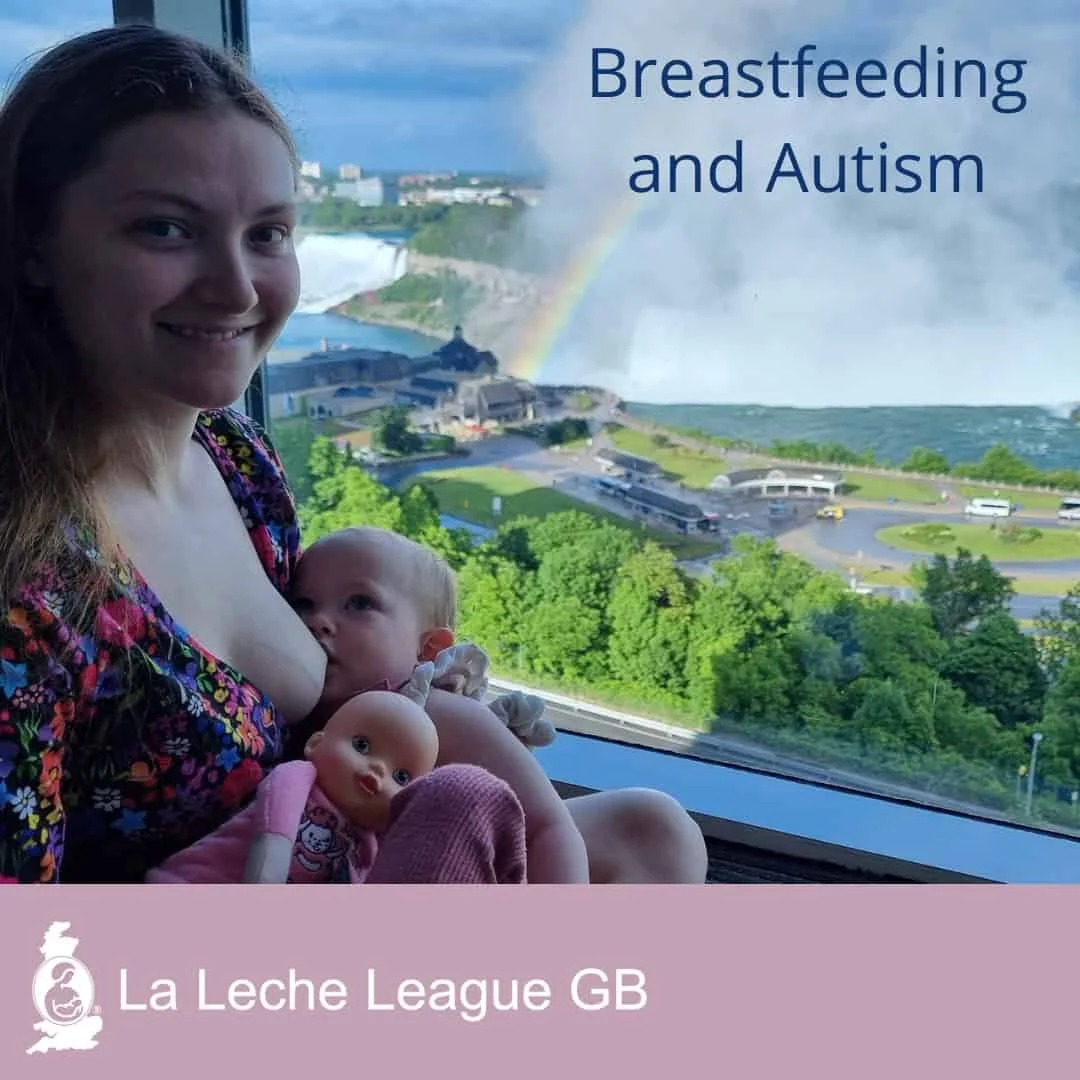
Breastfeeding, a profoundly intimate and often complex journey, presents distinct considerations and experiences for individuals within the autistic community, encompassing both autistic parents and those breastfeeding autistic children. Autism, understood as a neurodevelopmental difference, shapes how individuals perceive and interact with the world, leading to a diverse spectrum of abilities and challenges that necessitate tailored approaches to maternal and infant care. This article delves into the multifaceted intersection of autism and breastfeeding, highlighting the unique strengths and potential difficulties, and advocating for inclusive, neurodiversity-affirming support systems.
Understanding Autism and the Neurodiversity Paradigm
Autism Spectrum Disorder (ASD), commonly referred to as autism, is a lifelong neurodevelopmental condition characterised by differences in social communication and interaction, as well as restricted, repetitive patterns of behaviour, interests, or activities. Crucially, autism exists on a spectrum, meaning its manifestations vary widely from person to person and can fluctuate depending on environmental factors and individual well-being. The neurodiversity paradigm, a burgeoning framework, posits that neurological differences like autism are natural and valuable variations of the human brain, rather than disorders to be cured. This perspective encourages understanding and accommodating autistic traits, fostering environments where autistic individuals can thrive, including during the critical period of parenthood and infant feeding.
The prevalence of autism is significant, with global estimates suggesting that approximately 1-2% of the population is autistic. In England, while an estimated 0.82% of the population currently holds an official autism diagnosis, startling data suggests that up to 72% of the autistic population may remain undiagnosed. This substantial diagnostic gap is particularly pronounced among women and individuals assigned female at birth, who often present with autistic traits differently than males, leading to misdiagnosis or a complete lack of recognition. This widespread underdiagnosis has profound implications for accessing appropriate support, especially in sensitive areas like maternity care and breastfeeding assistance.
The Breastfeeding Journey for Autistic Parents: Strengths and Challenges

For autistic women and parents, the decision to breastfeed, and the experience itself, can be profoundly shaped by their neurodivergent traits. While many find deep satisfaction and unique benefits, others encounter systemic barriers and sensory or communication hurdles within conventional healthcare settings.
The Unseen Majority: Implications of Underdiagnosis
The high rate of undiagnosed autism among adults, particularly women, means that many autistic parents embark on their breastfeeding journey without explicit recognition of their neurodivergent needs. This lack of awareness, both on the part of the individual and healthcare providers, can lead to significant distress and unmet support requirements. Autistic individuals may struggle to articulate their needs in standard clinical environments, or they may unknowingly mask their autistic traits, suppressing behaviours that would otherwise signal a need for specific accommodations. This often results in a mismatch between the support offered and the support genuinely required, making the early postpartum period, already demanding, even more challenging. Healthcare systems are increasingly urged to adopt universal screening for neurodivergent traits or, at minimum, to be acutely aware of the signs and implications of undiagnosed autism in maternity populations.
Navigating Maternity Care and Support Systems
Accessing and engaging with maternity care and breastfeeding support services can be a significant hurdle for autistic parents. Traditional support models often rely on group settings, verbal communication, and implicit social cues, which can be overwhelming or inaccessible for many autistic individuals. Research consistently highlights that autistic women may require individualised support, as their needs are as diverse as the spectrum itself.
- Communication Differences: Autistic people often experience communication differently. This can manifest as situational mutism, where an individual may be unable to speak in certain stressful or overstimulating environments, despite being verbally capable at other times. Direct, clear, and unambiguous communication is paramount. Healthcare providers and support persons should offer a range of communication methods, including written information, visual aids (picture cards), digital communication (typing on a phone), or even the option of having a trusted support person communicate on their behalf. Ambiguous language, metaphors, or overly complex instructions can cause significant anxiety and misunderstanding.
- Sensory Processing Differences: Sensory experiences are processed uniquely by many autistic individuals. This can involve hypersensitivity (over-responsiveness) or hyposensitivity (under-responsiveness) to stimuli such as light, sound, touch, taste, and smell. During breastfeeding, these differences can impact comfort and bonding:
- Touch: The sensation of a baby latching, suckling, or even skin-to-skin contact might be overwhelming or unpleasant for some. Conversely, others might seek out intense tactile input. The texture of clothing, bedding, or even the baby’s skin can be a factor.
- Sound: A baby’s cries, feeding noises, or the general ambient noise of a hospital or support group can be highly distressing. A quiet, calm environment is often essential.
- Smell/Taste: The natural scent of a newborn or breast milk might be a strong sensory input. Dysphoric Milk Ejection Reflex (D-MER), a phenomenon where negative emotions occur around milk let-down, can also be exacerbated by sensory sensitivities.
- Sight: Bright lights, busy patterns, or cluttered environments can be distracting or overwhelming. Dim lighting and minimalist surroundings may be preferred.
- Social and Emotional Barriers: Many autistic women report feeling uncomfortable asking for additional support, often due to past negative experiences, anxiety about social interaction, or a fear of being judged. The prevalence of Post-Traumatic Stress Disorder (PTSD) is significantly higher in the autistic community compared to neurotypical individuals, often stemming from traumatic medical experiences, including childbirth. This history can create a profound reluctance to engage with healthcare services, impacting their ability to seek help for breastfeeding challenges. A lack of social support is also a common theme, with communication differences making it harder to build and maintain the informal networks that are crucial for new parents. Difficulties with phone calls can further isolate autistic parents, preventing access to national helplines or local support groups that primarily operate via telephone.
The Positives: Strengths in Breastfeeding

Despite the challenges, many autistic parents find breastfeeding to be a profoundly positive and empowering experience.
- Calm and Regulation: For many, the act of breastfeeding provides a predictable, quiet, and calming routine. It offers a protected period to sit, rest, and engage in a focused, repetitive activity that can be inherently regulating, helping to manage sensory overload or anxiety.
- Empowerment and Connection: Breastfeeding can be a source of immense empowerment, offering a tangible way for parents to nurture their child and connect deeply. The direct, physical bond can bypass some of the complexities of verbal or social interaction, providing a unique pathway for attachment.
- Research and Determination: Autistic individuals often excel at in-depth research and independent information gathering. Those who choose to breastfeed are frequently highly knowledgeable about the process, having meticulously prepared. This determination can be a significant asset in overcoming early challenges and sustaining breastfeeding.
Tailored Support for Autistic Parents
Recognising these unique aspects, support services must adapt to be neurodiversity-affirming. Practical strategies include:
- Accessible Information: Providing clear, concise, and unambiguous written information, visual guides, and digital resources.
- Flexible Access: Offering alternatives to traditional group meetings, such as one-on-one consultations, online support forums, or written help forms (like LLLGB’s Help Form). For group settings, providing clear instructions on location, structure, and expectations, perhaps with photos, can reduce anxiety.
- Sensory-Friendly Environments: Creating quiet, calm spaces with adjustable lighting, minimal distractions, and consideration for scent.
- Individualised Care Plans: Acknowledging that "one size fits all" does not apply, and working collaboratively with the parent to identify their specific needs and preferences.
- Validation and Advocacy: Ensuring that autistic parents feel heard, respected, and supported in their choices, and advocating for their needs within the wider healthcare system.
Breastfeeding an Autistic Child: A Unique Dynamic
Just as autistic parents have distinct needs, children who are autistic or suspected to be neurodivergent also present unique considerations for breastfeeding. While adult diagnosis rates lag, autism diagnosis rates in children are on the rise, underscoring the growing need for understanding in pediatric care and infant feeding. The World Health Organisation recommends breastfeeding for two years and beyond, with the natural age of weaning estimated between 2.5 and 7 years. For an autistic child, extended breastfeeding can play a particularly crucial role.
Sensory Differences in Autistic Children

Autistic children, like autistic adults, often process sensory input differently. This can manifest as either heightened sensitivity (sensory avoidance) or reduced sensitivity (sensory seeking). These differences profoundly impact feeding patterns and behaviours:
- Sensory Regulation: For many autistic children, breastfeeding is a powerful tool for self-regulation. When overwhelmed by sensory input (e.g., loud noises, bright lights, unfamiliar environments), they may seek frequent, intense feeds to find comfort, security, and a way to "reset" their sensory system. This can lead to periods of very frequent nursing, often described as "cluster feeding."
- Sensory Avoidance: Conversely, certain sensory inputs can make feeding difficult. A child might struggle to feed in a noisy room, if the temperature is uncomfortable, or if their clothing feels irritating. Identifying and mitigating these triggers is key to successful feeding.
- Oral Sensitivities: Some autistic children may have oral sensory sensitivities, affecting their latch or comfort at the breast. They might prefer a particular breast, position, or intensity of suckling.
- Interoception Difficulties: Autistic individuals, including children, can struggle with interoception—the ability to sense internal bodily states like hunger, thirst, or fullness. This can mean a child may not recognise hunger cues until they are acutely distressed, or they may not feel full even after an adequate feed, leading to prolonged or very frequent nursing.
"High Needs" Babies and Intensive Feeding Patterns
The concept of a "high needs baby" often resonates strongly with parents of neurodivergent children. These children may exhibit an intense, constant need for closeness, physical contact, and frequent nursing. While this is a normal developmental phase for many infants, it can be particularly pronounced and extended in autistic children, serving as a primary means of comfort, security, and emotional regulation. This intensive demand for parental presence and feeding underscores the vital importance of self-care for the breastfeeding parent and the need for robust support networks from family, friends, and like-minded communities. Without adequate support, the relentless demands can lead to parental burnout and isolation.
Weaning and Boundaries: Navigating a Complex Transition
Weaning an autistic child from the breast can present unique challenges compared to neurotypical children, largely due to sensory sensitivities, communication differences, and the child’s reliance on breastfeeding for co-regulation. Many parents report finding frequent feeding in toddlerhood difficult and express a strong need for more information and strategies regarding weaning.
- Sensory and Communication Barriers: The transition to solid foods can be fraught with difficulties if a child has strong sensory aversions to certain textures, tastes, smells, or even the visual appearance of food. This can lead to a limited diet, with breastfeeding becoming an increasingly vital source of nutrition and comfort. Communication issues can also make it harder to explain weaning concepts or negotiate feeding boundaries.
- Co-regulation and Comfort: For an autistic child, breastfeeding is often more than just nutrition; it’s a primary mechanism for emotional regulation, comfort, and security. Taking this away too abruptly can be highly distressing and dysregulating for the child.
- Strategies for Gentle Weaning and Boundaries: La Leche League Leaders and other lactation consultants can provide invaluable support in navigating this delicate process. Options for setting gentle boundaries and managing weaning include:
- Visual Schedules: Using pictures or a written schedule to communicate when and where breastfeeding will occur.
- Planned Distraction: Offering engaging alternatives or activities during times when the child typically nurses but the parent wishes to reduce feeds.
- Substitution: Offering other forms of comfort, connection, or a different drink/snack during typical feeding times.
- "Don’t Ask, Don’t Offer": A strategy where the parent doesn’t offer the breast but will not refuse if the child asks (or vice versa, depending on the desired outcome).
- Shortening Feeds: Gradually reducing the duration of each feeding session.
- Night Weaning: Focusing on reducing or eliminating night feeds while maintaining daytime feeds.
- Clear Communication (Adapted): Using simple, direct language and visual cues to explain changes, even if the child is non-verbal.
- Seeking Professional Guidance: Consulting with occupational therapists or feeding specialists if sensory issues significantly impact solid food intake.
Continuing to breastfeed into toddlerhood and beyond offers significant nutritional benefits, especially if an autistic child has a limited diet due to sensory challenges. It also continues to provide immune support and crucial emotional regulation. The decision to continue or cease breastfeeding, and how to manage that transition, must always be individualised, respecting the needs of both parent and child.

Systemic Implications and Future Directions
The intersection of autism and breastfeeding highlights a critical need for systemic changes within maternal and child health services.
- Neurodiversity-Affirming Training: All healthcare professionals, including midwives, lactation consultants, and pediatricians, require comprehensive training in neurodiversity-affirming practices. This includes understanding the varied presentations of autism, effective communication strategies, sensory considerations, and the unique mental health needs of autistic parents.
- Flexible and Accessible Support Models: Services must move beyond conventional group settings and phone-based support to offer a wider array of accessible options, including written communication, one-on-one appointments, home visits, and online resources designed with neurodivergent users in mind.
- Early Identification and Diagnosis: Efforts to improve early identification and diagnosis of autism in adults, particularly women, are paramount. A diagnosis can unlock access to tailored support and empower individuals to advocate for their needs.
- Integrated Care Pathways: Developing integrated care pathways that connect maternity services with neurodevelopmental specialists, mental health support, and peer support networks for autistic parents.
- Further Research: Continued research is essential to deepen our understanding of the specific biological, psychological, and social factors at play for autistic parents and children in the breastfeeding context. This will inform evidence-based best practices and policy.
The journey of breastfeeding, whether as an autistic parent or with an autistic child, is rich with individual nuances. By embracing a neurodiversity-affirming approach, healthcare providers and support organisations can foster environments where all parents feel understood, respected, and empowered to navigate their unique path with confidence and comprehensive support.
