

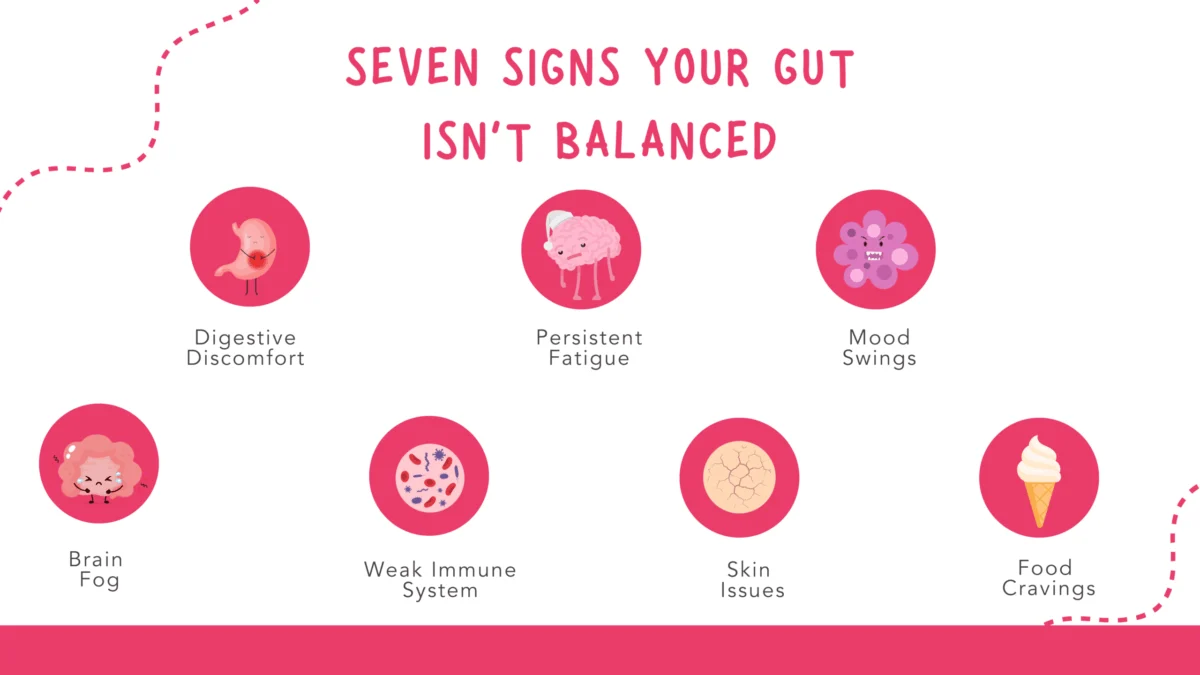
The human gastrointestinal tract, often referred to by scientists as the "second brain," serves as a complex ecosystem housing trillions of microorganisms that influence nearly every facet of systemic health. Recent clinical research has increasingly highlighted the profound impact of the gut microbiome on metabolic function, immune response, and mental well-being. When this delicate internal balance—known as homeostasis—is disrupted, the body begins to exhibit a series of physiological and psychological indicators. Understanding these signs is critical for early intervention and the prevention of chronic conditions ranging from autoimmune disorders to clinical depression.
The Evolution of Microbiome Research and the Gut-Brain Axis
The scientific understanding of the gut has undergone a radical transformation over the last two decades. Historically viewed merely as a vessel for digestion and waste elimination, the gut is now recognized as a sophisticated endocrine organ. The National Institutes of Health (NIH) launched the Human Microbiome Project in 2007, a landmark initiative that began mapping the microbial communities inhabiting the human body. This research established that the ratio of beneficial to pathogenic bacteria is a primary determinant of health longevity.
Central to this understanding is the "gut-brain axis," a bidirectional communication network linking the enteric nervous system and the central nervous system. This pathway involves the vagus nerve, the immune system, and various neurotransmitters. As research matures, the medical community is moving toward a more holistic diagnostic approach, recognizing that symptoms occurring far from the digestive tract—such as skin rashes or cognitive "fog"—often originate in the gut lining.
Clinical Indicators of Microbiome Dysbiosis
When the gut flora becomes imbalanced—a state termed dysbiosis—the body transmits signals through seven primary channels. These symptoms serve as a diagnostic roadmap for healthcare providers and individuals seeking to optimize their internal health.
1. Chronic Digestive Irregularity
The most immediate sign of an imbalanced gut is localized digestive discomfort. Frequent bloating, excessive gas, constipation, and chronic diarrhea are not merely inconveniences but are clinical markers of malabsorption or bacterial overgrowth. When the microbiome lacks diversity, the body struggles to break down complex carbohydrates and fibers, leading to fermentation in the small intestine. This process produces gases that cause physical distension and discomfort. Furthermore, irregular bowel movements suggest a disruption in peristalsis, the muscle contractions that move waste through the colon.
2. Persistent Fatigue and Mitochondrial Dysfunction
The link between gut health and energy levels is rooted in the body’s ability to extract nutrients and regulate inflammation. Clinical studies have indicated a high comorbidity between chronic fatigue syndrome (CFS) and gastrointestinal issues. A study published in the journal Microbiome found that approximately 60% of individuals suffering from chronic fatigue also presented with Irritable Bowel Syndrome (IBS). When the gut is inflamed, the body diverts significant metabolic energy toward the immune system to combat perceived threats, leaving the individual in a state of persistent exhaustion.
3. Neurological Fluctuations and Mood Disorders
Perhaps the most significant revelation in modern gastroenterology is the gut’s role in neurochemistry. Approximately 95% of the body’s serotonin—the neurotransmitter responsible for mood stabilization, sleep, and appetite—is produced in the gastrointestinal tract. Only 5% is synthesized in the brain. Consequently, an imbalanced gut can lead to significant mood swings, heightened anxiety, and depressive episodes. When the microbial environment is compromised, the production of these critical chemicals is hindered, directly impacting the host’s mental resilience and emotional stability.
4. Pathological Food Cravings
The microbiome is not a passive passenger; it actively influences host behavior to ensure its own survival. Research suggests that certain strains of bacteria and yeast, such as Candida, thrive on refined sugars and processed carbohydrates. These microorganisms can release signaling molecules into the bloodstream that manipulate the host’s cravings, driving a "vicious cycle" where the consumption of unhealthy foods further degrades the gut environment, thereby strengthening the population of pathogenic bacteria.
5. Dermatological Manifestations
The "gut-skin axis" describes the relationship between intestinal health and skin clarity. Conditions such as eczema, acne, and psoriasis are often systemic inflammatory responses manifested externally. When the intestinal barrier becomes overly permeable—a condition known as "leaky gut"—undigested food particles and toxins can escape into the bloodstream. The immune system reacts by triggering systemic inflammation, which frequently presents as chronic skin irritation.
6. Compromised Immunological Defense
The gut is the primary headquarters of the human immune system, containing an estimated 70% to 80% of the body’s immune cells. These cells reside in the Gut-Associated Lymphoid Tissue (GALT). A healthy microbiome trains the immune system to distinguish between harmless food proteins and dangerous pathogens. When dysbiosis occurs, this training is compromised, leading to frequent infections, prolonged recovery times from common illnesses, and an increased risk of autoimmune reactions where the body attacks its own tissues.
7. Cognitive Impairment and Brain Fog
"Brain fog"—characterized by confusion, forgetfulness, and an inability to focus—is increasingly being linked to gut-derived neuroinflammation. Metabolites produced by imbalanced gut bacteria can cross the blood-brain barrier, affecting cognitive function. Additionally, the lack of short-chain fatty acids (SCFAs) like butyrate, which are produced by healthy bacteria during the fermentation of fiber, can lead to reduced neuroprotection and impaired memory.
Strategic Interventions for Microbiome Restoration
Restoring a compromised gut requires a multi-faceted approach involving dietary modification, lifestyle adjustments, and targeted supplementation.
The Critical Role of Dietary Fiber
Fiber serves as the primary fuel source for beneficial bacteria. Nutritionists categorize fiber into two essential types: soluble and insoluble. Soluble fiber, found in oats, beans, and certain fruits, dissolves in water to form a gel-like substance, slowing digestion and aiding in nutrient absorption. Insoluble fiber, found in whole grains and vegetables, adds bulk to the stool and prevents constipation.
The Institute of Medicine recommends a daily fiber intake of 25 grams for women and 38 grams for men. However, data suggests that the vast majority of the population consumes less than half of this amount. Emerging superfoods, such as the African Baobab fruit, are gaining attention in clinical nutrition for their high prebiotic content. Baobab is rich in pectin and other fibers that specifically stimulate the growth of Bifidobacteria and Lactobacilli, while also providing a dense concentration of Vitamin C and antioxidants.
Probiotic Supplementation and Strain Specificity
While fermented foods like kimchi, sauerkraut, and kefir provide natural sources of probiotics, certain life stages or health crises—such as the completion of an antibiotic course—may require concentrated supplementation. Not all probiotics are created equal; the efficacy of a supplement is determined by its colony-forming units (CFUs) and the specific strains included.
For women, strains such as Lactobacillus rhamnosus and Lactobacillus reuteri are particularly vital, as they support not only the digestive tract but also the vaginal microbiome. These "good" bacteria produce lactic acid, which maintains an acidic environment that inhibits the growth of harmful pathogens. Modern formulations, such as those that are shelf-stable and free from common allergens like soy and gluten, represent the current gold standard in probiotic therapy.
Hydration and Mucosal Integrity
Water is essential for the maintenance of the mucosal lining of the intestines. This lining acts as a protective barrier and a habitat for beneficial microbes. Dehydration can lead to a thinning of this mucus layer, making the intestinal wall more susceptible to irritation and inflammation. Integrating trace minerals, such as those found in unprocessed sea salt, can enhance cellular hydration and support the electrical signaling required for healthy digestion.
Economic and Public Health Implications
The broader implications of widespread gut dysbiosis are significant. Digestive disorders account for millions of office visits and billions of dollars in healthcare costs annually. As the link between gut health and chronic disease becomes clearer, public health officials are beginning to emphasize "preventative gastroenterology." This shift in focus has the potential to reduce the prevalence of metabolic syndrome, obesity, and mental health crises on a global scale.
The probiotic market is projected to continue its rapid expansion as consumers move away from reactive medicine toward proactive wellness. However, experts caution that supplements should not be viewed as a panacea. The foundation of gut health remains a diverse, plant-rich diet and a lifestyle that minimizes chronic stress and environmental toxins.
Conclusion
The evidence is overwhelming: the state of the gut is a mirror of the state of the body’s overall health. By recognizing the seven signs of imbalance—from mood fluctuations to digestive distress—individuals can take decisive action to recalibrate their internal ecosystems. Through a combination of high-fiber nutrition, fermented foods, adequate hydration, and scientifically-backed supplementation, it is possible to foster a microbiome that supports a lifetime of vitality, mental clarity, and immunological strength. As science continues to peel back the layers of the gut-brain connection, the message remains clear: a healthy life begins from within.
