

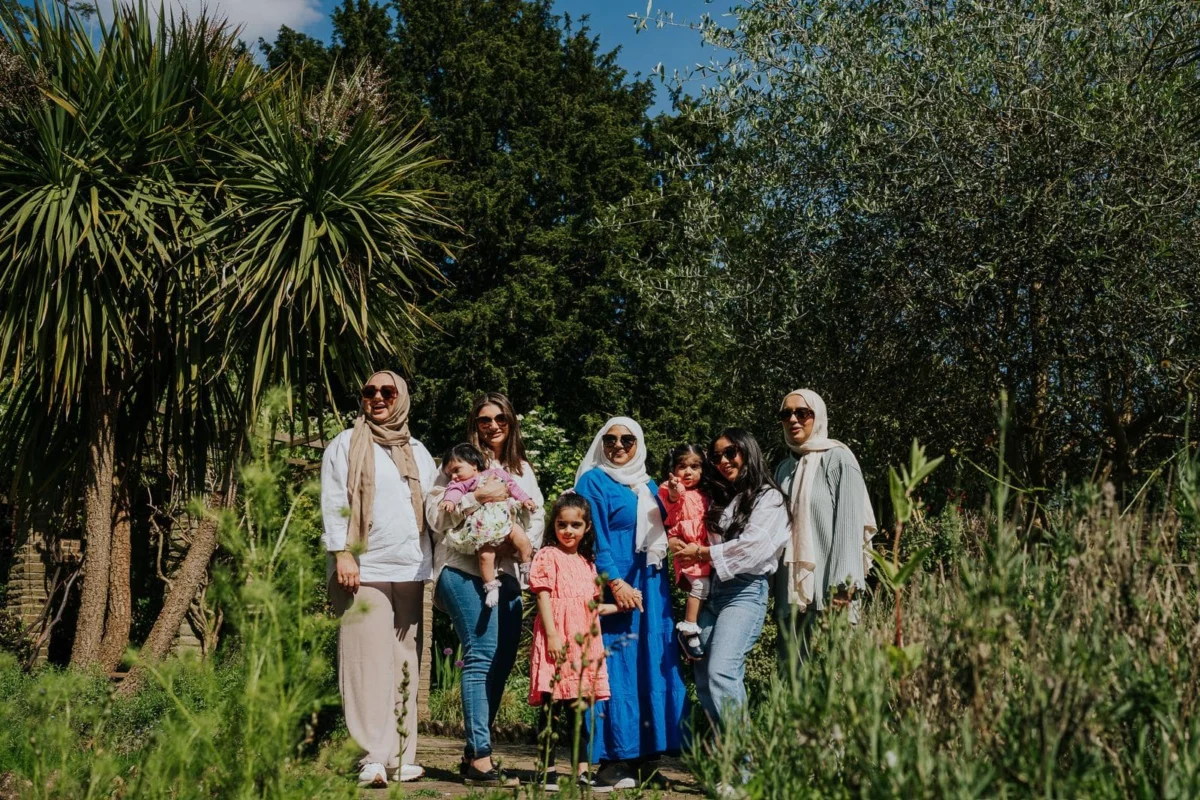
At just 20 years old, Zarina Ayyub embarked on her journey into motherhood, an experience that would profoundly shape her life’s mission to advocate for breastfeeding within the South Asian community in the United Kingdom. Her personal battles against cultural norms, medical misinformation, and systemic neglect have transformed her into a respected doula and peer supporter, championing a natural process often shrouded in shame and misunderstanding.
A Difficult Start: Confronting Outdated Practices and Cultural Barriers
Born in Birmingham, Ms. Ayyub’s early experiences with childbirth and infant feeding were deeply influenced by her mother’s own traumatic history. Her mother, a Pakistani immigrant who arrived in England in the late 1960s, was among the first in her community to have children in the UK. Facing a lack of support from her in-laws and hospital staff who routinely offered formula and milk-drying pills, Ms. Ayyub’s mother endured a painful and unsuccessful breastfeeding attempt with her first child. This experience left a lasting scar, leading her to caution her daughter against breastfeeding, fearing she would suffer similar agony.
This intergenerational trauma, coupled with deeply ingrained cultural beliefs, set the stage for Ms. Ayyub’s own struggles. In many traditional South Asian communities, misconceptions about colostrum—the vital "first milk"—persisted, often deemed "dirty" or unsuitable for newborns. Instead, a customary practice involved feeding infants a concoction of cooled boiled water with fennel and other seeds to aid meconium clearance, bypassing the essential immunological and nutritional benefits of colostrum.
When Ms. Ayyub’s first baby was born prematurely at 4 lbs 13 oz, her fragility was attributed to placental issues, yet no further explanation or support was provided. Reflecting practices prevalent in hospitals at the time, and perhaps exacerbated by her youth and perceived lack of agency, her daughter was immediately taken to a special nursery and fed formula by tube. Ms. Ayyub, isolated and uninformed, was denied the opportunity to bond or even attempt breastfeeding. "No one in the hospital explained anything to me or gave me any choices," she recalls, a sentiment echoed by countless mothers who experienced similar institutional detachment in decades past. She was left without knowledge of colostrum or expressing, essential information that could have altered her initial days of motherhood.
The Battle for Breastfeeding: Navigating Pain and Pressure
By day three, Ms. Ayyub was severely engorged, her body signalling a readiness to feed that was met with both internal conflict and external pressure. Despite her mother’s urging to take milk-drying pills, Ms. Ayyub instinctively resisted. The subsequent attempt to latch her tiny daughter, forcefully assisted by a midwife, proved harrowing. "It was really horrible, and I was crying my eyes out," she recounts, illustrating the profound distress caused by inadequate and insensitive medical intervention. This forceful approach, now widely condemned in modern midwifery, often resulted in physical pain and psychological trauma for new mothers.
Returning home around day five or six, Ms. Ayyub’s nipples were severely cracked and bleeding, a testament to the lack of proper latching guidance. Her initial weeks were a desperate struggle, compounded by the logistical challenges of living in a new flat in London with her husband, who frequently hosted newly arrived family members from abroad. The constant presence of guests meant she felt embarrassed to breastfeed openly, leading to self-imposed isolation at home. Moreover, adhering to the scheduled formula feeds her mother had practiced, Ms. Ayyub attempted to breastfeed every three hours, unaware of the principles of responsive feeding crucial for establishing milk supply and meeting infant needs.
The cultural pressures extended beyond immediate family. Her London in-laws, despite her mother-in-law having breastfed her own sons, questioned Ms. Ayyub’s dedication to breastfeeding. In a community that often prioritized a spotless home and visible contributions to family life, sitting to feed a baby was misconstrued as laziness. Her children’s smaller stature, a natural genetic predisposition from Ms. Ayyub’s own height, was also a point of contention, leading to suggestions from her husband and other relatives to supplement with "bottle milk" to make them "huge" like other children in the family. These comparisons underscored a broader societal misunderstanding of healthy infant growth and the efficacy of breast milk.
The Quest for Knowledge: Empowerment Through Education
The turning point in Ms. Ayyub’s journey arrived with her third pregnancy. Living with her husband’s mother and two brothers, the communal living situation intensified the pressures. Yet, an inner conviction drove her to seek knowledge. She discovered "The Womanly Art of Breastfeeding," a seminal text by La Leche League (LLL), which she borrowed from the library and devoured over nine months. This book became her lifeline, dispelling myths about colostrum and providing crucial information, such as the possibility of relactation. "I felt that now I had all this information, no one was going to mess with me!" she declared, armed with newfound confidence. This empowerment allowed her to breastfeed her third child for two full years, despite ongoing criticism.
This period marked a critical shift in Ms. Ayyub’s understanding of her maternal rights and her baby’s needs. The La Leche League, founded in 1956, has played a pivotal role globally in providing evidence-based information and mother-to-mother support, often filling gaps left by conventional medical systems. For Ms. Ayyub, discovering this resource was not just about information, but about validation and community.
From Recipient to Provider: Becoming a Peer Supporter and Doula
A few weeks after her third baby’s birth, Ms. Ayyub experienced mastitis, a common but painful breastfeeding complication. This led her to an LLL group in Wimbledon, where she was the only woman in traditional shalwar kameez. While the group offered support, she felt awkward and embarrassed to feed in her traditional attire, a common barrier for many South Asian women due to modesty concerns. It would take years before she felt comfortable returning to a breastfeeding group. This highlights the critical need for culturally sensitive spaces and diverse representation within support networks.
Despite these initial reservations, the seed of becoming a peer supporter had been planted early. Just four weeks after becoming a mother herself, Ms. Ayyub found herself helping her sister-in-law with engorged breasts, who, like her, was navigating a household of non-breastfeeding relatives. This informal support continued, extending to her younger sister, whose successful breastfeeding journey eventually normalized the practice for their mother, transforming her from a cautionary voice to a supportive advocate for her last two grandchildren.
It was after her fifth child, born prematurely at 35 weeks with severe reflux, that Ms. Ayyub finally formalized her desire to help others. After receiving poor advice from a breastfeeding counsellor, she found solace and a path forward at a local breastfeeding café. There, she discovered an advertisement for La Leche League’s 12-week peer supporter training course, run in conjunction with the NHS. "Thank God I came today!" she exclaimed, feeling a strong determination to provide proper support to other mothers. Her graduation from the course, complete with a pink knitted breast, symbolized a profound personal achievement and the beginning of her professional advocacy.
For two or three years, Ms. Ayyub served as the sole Muslim peer supporter in her area, recognizing the importance of representation. Research consistently shows that individuals are more likely to engage with and trust support services when they see people who share their background and experiences. While she supported a diverse range of mothers, her presence was particularly impactful for Asian women who might otherwise have felt alienated.
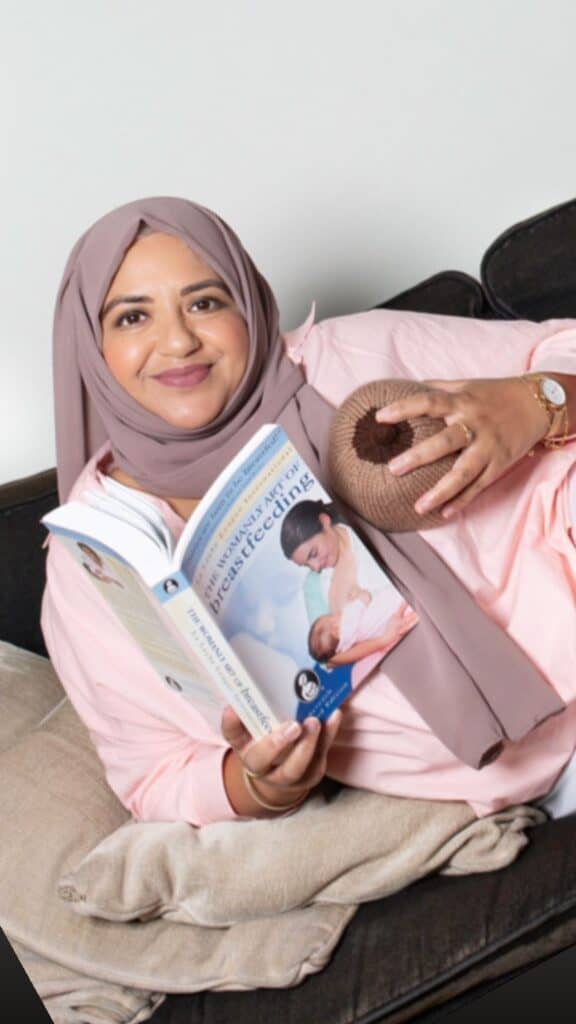
Today, Ms. Ayyub works as a doula, offering comprehensive support during birth and the postnatal period. Her extensive personal and professional experience makes her an invaluable resource, particularly for ethnic minority families who often face compounded challenges. She has actively participated in initiatives like The Raham Project in Peterborough and collaborated with the charity BLISS, sharing her birth stories to shed light on experiences within neonatal intensive care units and premature births. These platforms underscore the ongoing efforts to address health inequalities and improve maternal and infant outcomes across diverse communities.
Intergenerational Progress and a Call for Cultural Shift
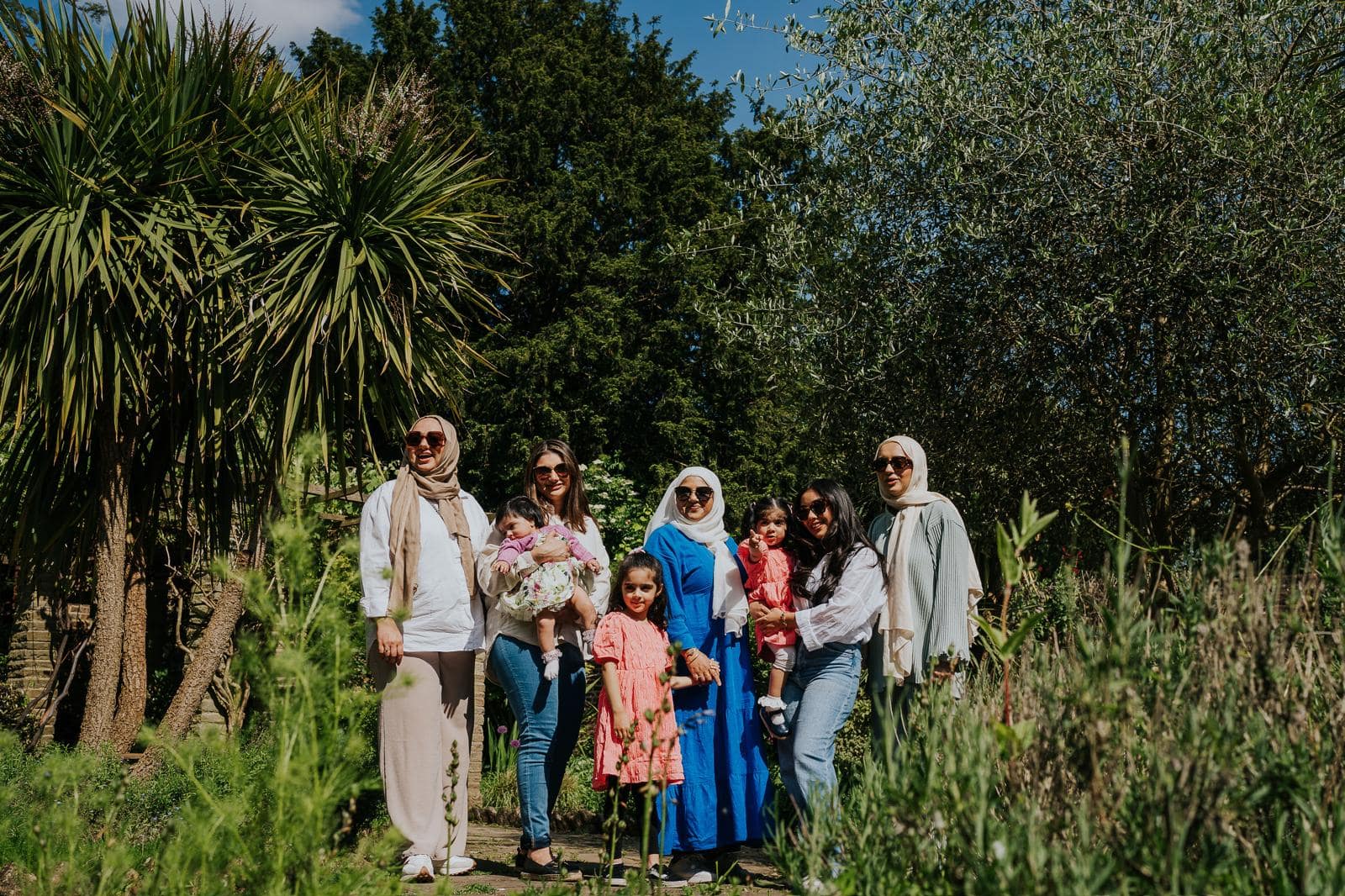
Ms. Ayyub’s advocacy has borne fruit not only in her professional life but also within her own family. Her five children, now adults ranging from 18 to 34, embody a new generation with a significantly different approach to infant feeding. One of her daughters, a mother of three under four, has breastfed her first for two years, tandem-fed her first two, and continues to breastfeed her youngest at eight months. This stands in stark contrast to Ms. Ayyub’s own fraught beginnings, demonstrating a powerful intergenerational shift enabled by her pioneering spirit. Her daughter’s husband, initially uncomfortable with public breastfeeding, has also become a strong supporter, reflecting a broader normalization within their immediate family.
This change is not isolated. Ms. Ayyub has also supported her sister-in-law, who has had a successful breastfeeding journey. The ripple effect of her influence extends to her children’s spouses and friends, creating a more open dialogue around topics traditionally considered taboo, such as breastfeeding and menstruation. This unprecedented openness within a Pakistani household is a testament to Ms. Ayyub’s relentless commitment to breaking down cultural barriers. Her daughters are even exploring home births, a radical departure from conventional norms within their community, further highlighting the profound cultural shift she has inspired.
Addressing Ongoing Challenges and the Path Forward
Despite the progress, significant challenges persist. Breastfeeding rates among South Asian women in the UK remain lower than the national average, and they are less likely to access formal breastfeeding support. Cultural modesty often prevents women from feeling comfortable lifting their tops in mixed-gender or even women-only groups. Ms. Ayyub emphasizes that this reluctance is often cultural, rather than religious, as Islam itself supports a baby’s right to be breastfed. The Quran, for example, mentions breastfeeding for up to two years, affirming its importance in the faith. However, cultural interpretations and societal norms have often conflated modesty with a complete concealment of breastfeeding.
Ms. Ayyub advocates for building relationships of trust and providing culturally competent support that addresses these specific fears and normalizes breastfeeding. She envisions a future where breastfeeding is universally recognized as a natural and beneficial process, free from embarrassment and stigma. Initiatives that offer home visits, women-only sessions, or information in relevant languages, and that employ peer supporters from diverse backgrounds, are crucial to bridging this gap.
The concept of the "fourth trimester," which Ms. Ayyub discussed on the "Breastfeeding Matters LLLGB Podcast" in January 2025 with volunteer breastfeeding counsellors Maria Yasnova and Sarah Fletcher, underscores the importance of a safe and supportive environment for new mothers. This ancient tradition, practiced by many cultures globally, emphasizes a period of rest, nourishment, and bonding for the mother and baby, aligning with the very support Ms. Ayyub champions.
Zarina Ayyub’s journey is a powerful narrative of resilience, education, and advocacy. From a young mother navigating a challenging landscape of medical neglect and cultural pressures, she has emerged as a beacon of hope and an agent of change. Her work continues to inspire and empower mothers, especially those within the South Asian community, to embrace breastfeeding as a natural right and a cornerstone of maternal and infant health, paving the way for a more understanding and supportive society.
