

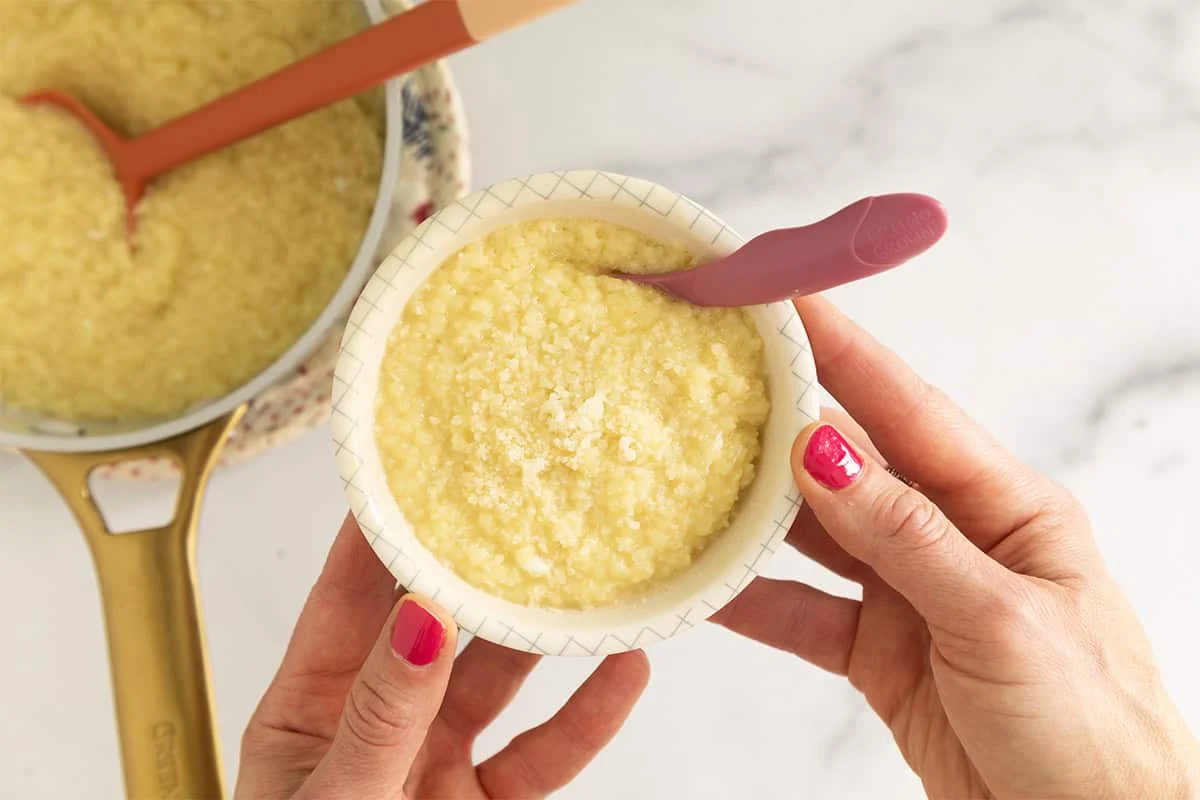
Pastina with egg, a culinary mainstay within Italian-American households, has garnered renewed attention as a critical nutritional resource for pediatric development and a primary dietary intervention during periods of illness. Defined by its use of minuscule pasta shapes—most traditionally the star-shaped stelline—cooked in broth and enriched with whisked egg and Parmesan cheese, the dish represents a synthesis of efficient preparation and high-density nutrition. While often categorized as "comfort food," the dish serves a pragmatic role in the dietary landscape, providing a soft-textured, protein-rich meal that accommodates the sensory and physiological needs of infants, toddlers, and convalescing adults alike.
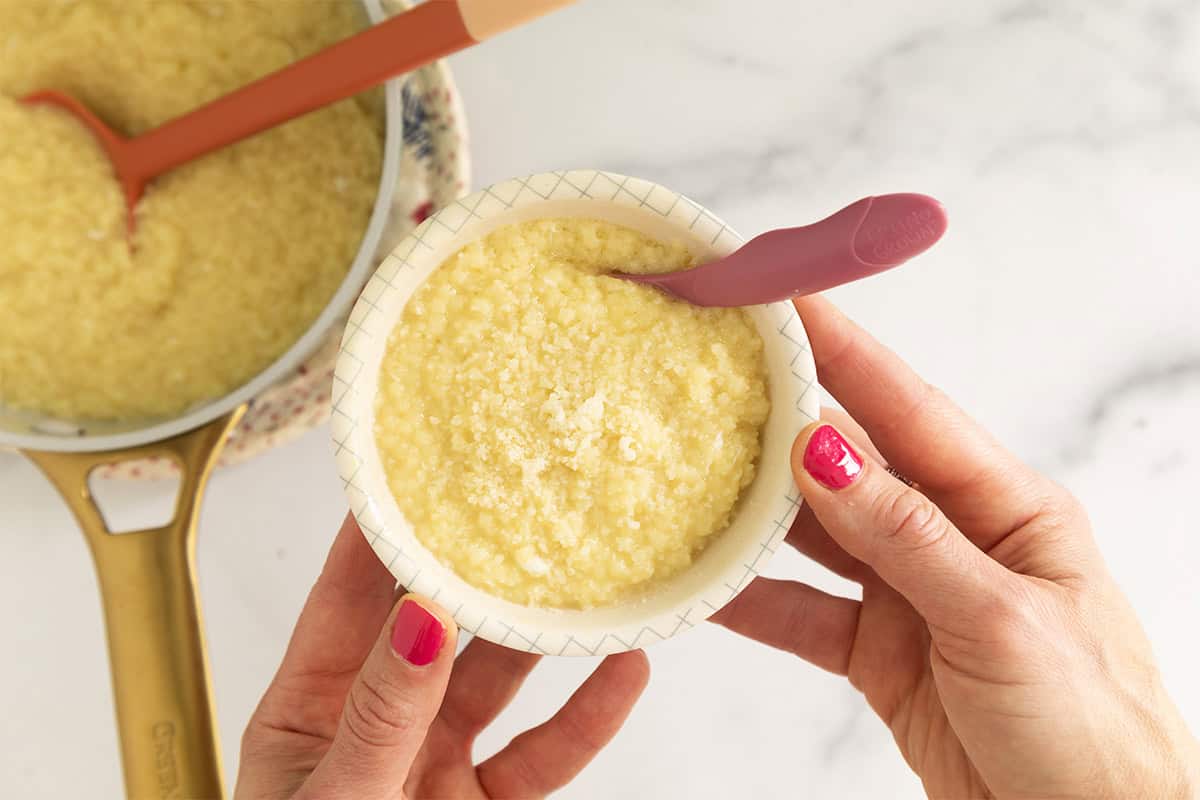
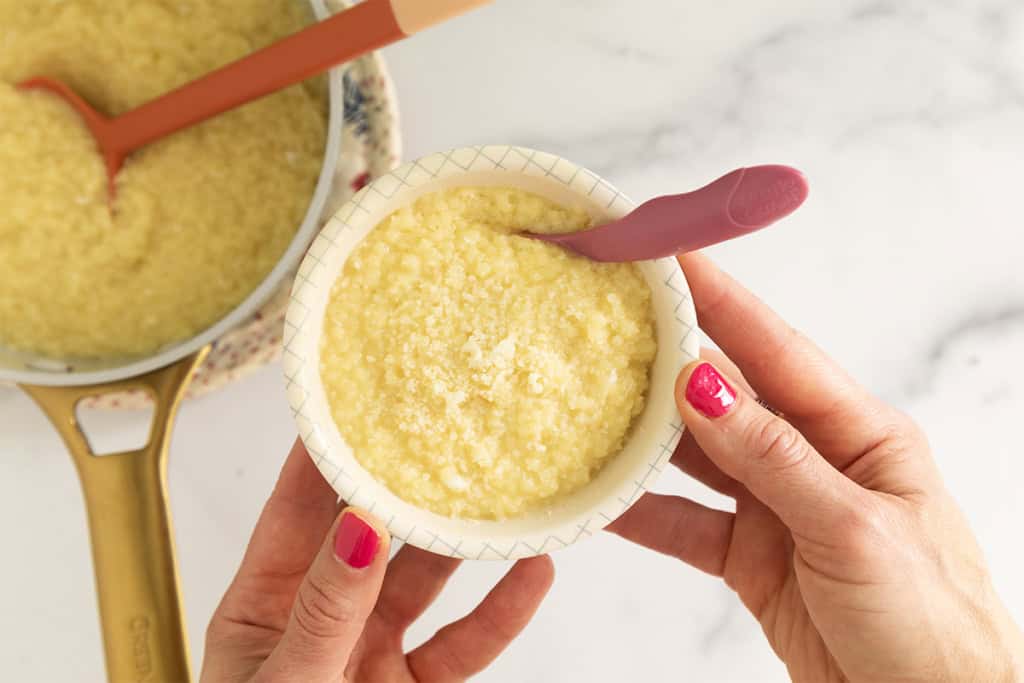
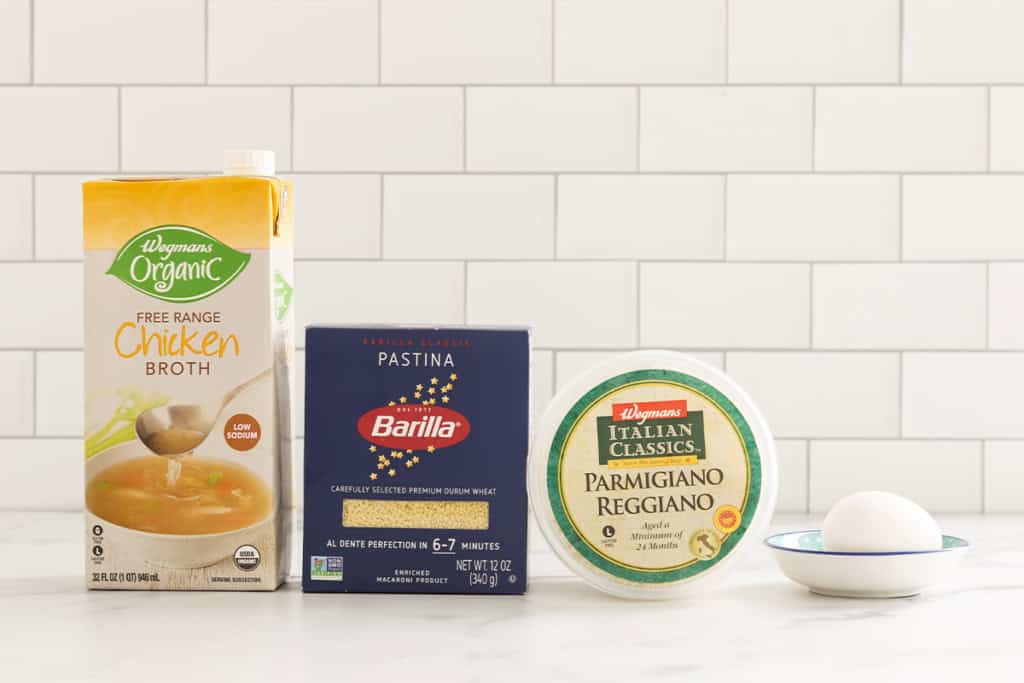
The preparation involves a specific absorption method where the pasta is cooked directly in a measured amount of chicken or vegetable broth, ensuring that the micronutrients and flavors of the liquid are retained within the grain rather than discarded with boiling water. This technique, combined with the late-stage addition of a raw egg—tempered by the residual heat of the pasta—creates a creamy, custard-like consistency that has led many to refer to the dish as "Italian penicillin."
Historical and Cultural Context of the "Italian Penicillin"
The cultural lineage of pastina with egg traces back to the southern Italian tradition of minestrine, or small soups, which were historically administered to the elderly and the infirm. Upon the arrival of Italian immigrants in the United States, the recipe was adapted to include readily available commercial pasta shapes and high-quality dairy products. Over decades, it evolved into a rite of passage for children transitioning from liquid diets to solid foods.
In early 2023, the cultural significance of this dish was underscored by a significant market event: the discontinuation of star-shaped pastina (Product No. 150) by Ronzoni, one of the largest pasta manufacturers in North America. The announcement triggered a widespread consumer outcry on social media platforms, with many citing the loss of a "childhood staple." This reaction highlighted the deep-seated emotional and functional reliance on the specific geometry of pastina, which is uniquely suited for small mouths and digestive systems.
Nutritional Analysis and Dietary Data
From a nutritional standpoint, pastina with egg offers a balanced profile of macronutrients essential for growth and recovery. A standard serving of approximately one cup provides a concentrated source of energy and repair-oriented nutrients.
According to standardized nutritional data for the recipe, a single serving contains:
- Calories: 219 kcal
- Protein: 12g
- Carbohydrates: 34g
- Total Fat: 4g (with only 1g of saturated fat)
- Fiber: 3g
- Cholesterol: 32mg
- Sodium: 158mg (variable based on broth selection)
- Vitamin A: 273 IU
- Calcium: 74mg
- Iron: 1mg
The inclusion of 12 grams of protein per serving is particularly significant for pediatric diets, where protein is required for tissue repair and immune function. The use of egg provides a complete protein source, containing all nine essential amino acids. Furthermore, the 34 grams of carbohydrates provide the glucose necessary for metabolic energy, while the low fat content ensures the meal remains easily digestible for those suffering from gastrointestinal distress.
Technical Methodology and Chronology of Preparation
The efficacy of pastina with egg as a quick-service meal is rooted in its 10-minute preparation timeline. Unlike larger pasta shapes that require significant volumes of water and extended boiling times, the high surface-area-to-volume ratio of pastina allows for rapid rehydration and starch gelatinization.
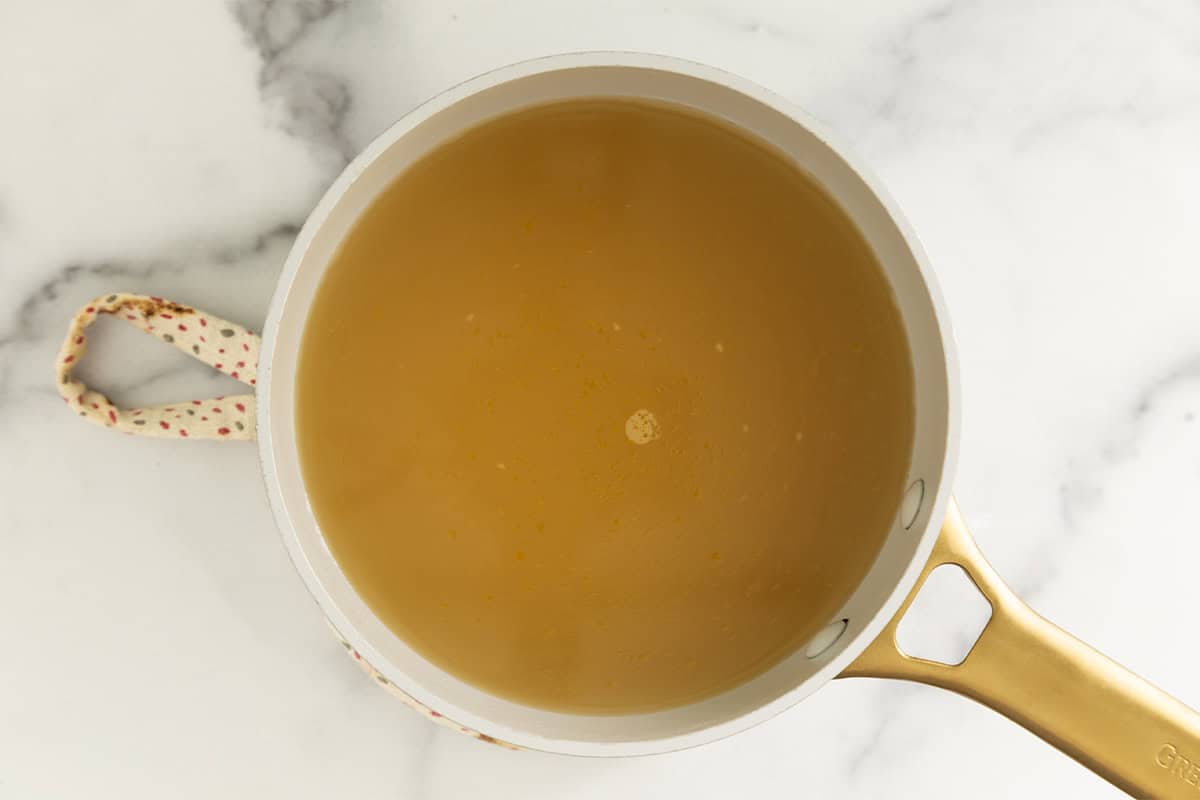
Phase 1: The Simmering Process
The process begins with the heating of broth—typically chicken, bone, or vegetable-based—in a saucepan over medium heat. The use of broth instead of water is a strategic choice to introduce electrolytes (sodium and potassium) and collagen-based proteins, which are beneficial for hydration and gut health.
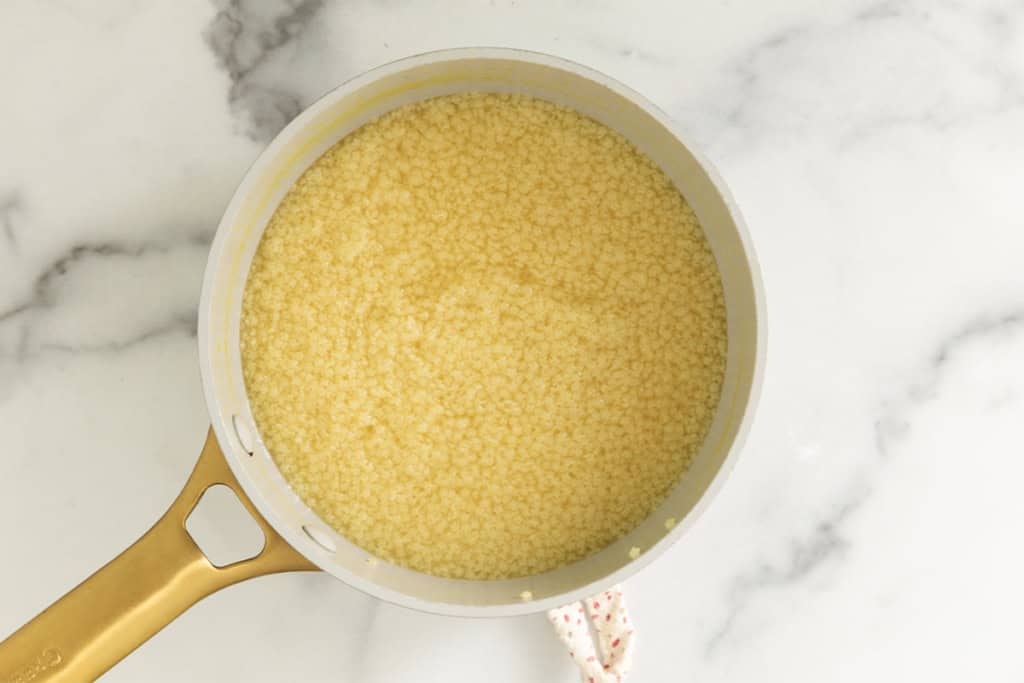
Phase 2: The Absorption Stage
Once the liquid reaches a simmer, the pastina is introduced. The ratio is generally two parts liquid to one part pasta. During this phase, which lasts between five and seven minutes, the pasta absorbs the broth. Constant stirring is required to prevent the small grains from adhering to the bottom of the vessel and to encourage the release of starches, which contributes to the final creamy texture.
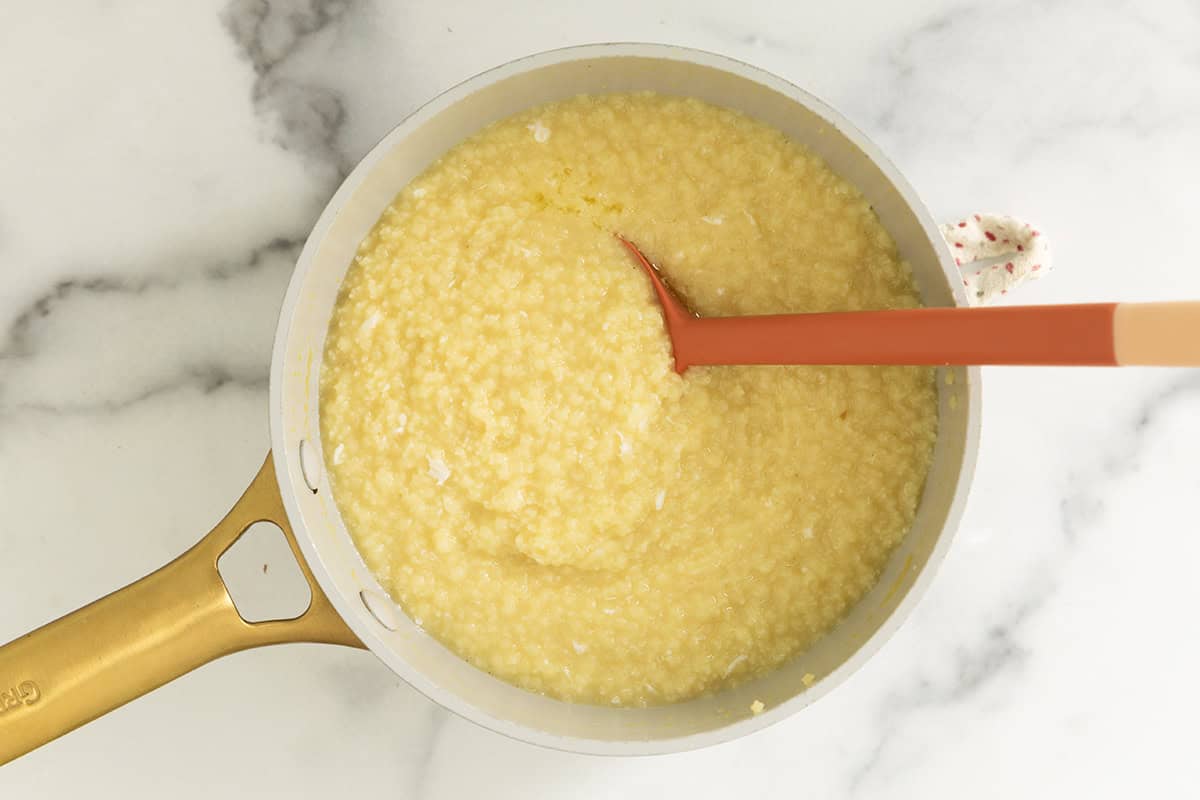
Phase 3: Enrichment and Emulsification
The final and most critical phase occurs off-heat. Once the liquid is nearly fully absorbed, the heat source is deactivated. A whisked egg and a portion of grated Parmesan cheese are integrated into the pot. The residual heat (approximately 160°F to 175°F) is sufficient to cook the egg to a food-safe temperature without scrambling it, creating a smooth emulsion. This technique is mechanically similar to the preparation of Pasta alla Carbonara, though it lacks the heavy fats associated with cured meats.
Pediatric Feeding and Developmental Milestones
Pediatricians and nutritionists often recommend pastina with egg during the "Stage 3" feeding phase, typically occurring between 8 and 12 months of age. At this stage, infants are developing the "pincer grasp" and the ability to chew soft solids. The small size of the pasta—often less than 2mm in diameter—minimizes choking risks while encouraging the tongue’s lateral movement.
Expert analysis suggests that the dish is an ideal alternative to the traditional BRAT diet (Bananas, Rice, Applesauce, Toast) frequently recommended for children recovering from illness. While the BRAT diet is effective for binding, it is often criticized for its lack of protein and fat. Pastina with egg addresses these deficiencies while remaining "bland" enough to be tolerated by a sensitive stomach.
For toddlers, the thick consistency of the dish aids in self-feeding. Unlike traditional soups, which can be difficult for children to manage with a spoon, the egg-bound pastina adheres to the utensil, reducing spills and fostering independence during mealtime.
Market Trends and Substitution Dynamics
The "Pastina Shortage" of 2023 forced a shift in consumer behavior and a re-evaluation of available small-format pastas. While stelline (stars) remain the gold standard, several alternatives have gained prominence in the culinary market:
- Acini di Pepe: Translated as "seeds of pepper," these tiny round beads provide a similar texture to traditional pastina.
- Orzo: While slightly larger, this rice-shaped pasta is a common substitute, though it may require a slightly longer cooking time.
- Alphabets: Frequently used to engage children’s interest in literacy during mealtime.
- Stelline: The traditional star shape remains available through premium Italian brands such as Barilla, De Cecco, and various organic labels.
The industry has seen a 15% increase in the sales of "soup cuts" of pasta over the last two years, driven by a broader trend toward "nostalgia eating" and the demand for budget-friendly, nutrient-dense pantry staples during periods of high food inflation.
Broader Implications and Final Analysis
The enduring popularity of pastina with egg highlights a broader intersection between traditional domestic knowledge and modern nutritional science. In an era dominated by ultra-processed convenience foods, this three-ingredient dish (pasta, broth, egg) remains a benchmark for "functional cooking."
The dish’s implications extend beyond the kitchen into the realm of psychological comfort. The concept of "comfort food" is often dismissed as purely emotional; however, biological research indicates that warm, carbohydrate-rich meals can stimulate the production of serotonin, a neurotransmitter that contributes to feelings of well-being and anxiety reduction. For a sick child or a stressed adult, the physiological impact of pastina with egg is both nutritional and neurological.
In conclusion, pastina with egg stands as a testament to the efficiency of the Italian-American culinary tradition. Its ability to provide 12 grams of protein and essential vitamins in a 10-minute window makes it an indispensable tool for caregivers. As market availability stabilizes and new generations rediscover the simplicity of the recipe, it is expected to remain a primary recommendation for pediatric nutrition and a universal symbol of domestic care. To ensure success, practitioners suggest using low-sodium broths to control mineral intake for infants and maintaining a strict "off-heat" stirring technique to achieve the desired silken texture that has defined the dish for over a century.
