

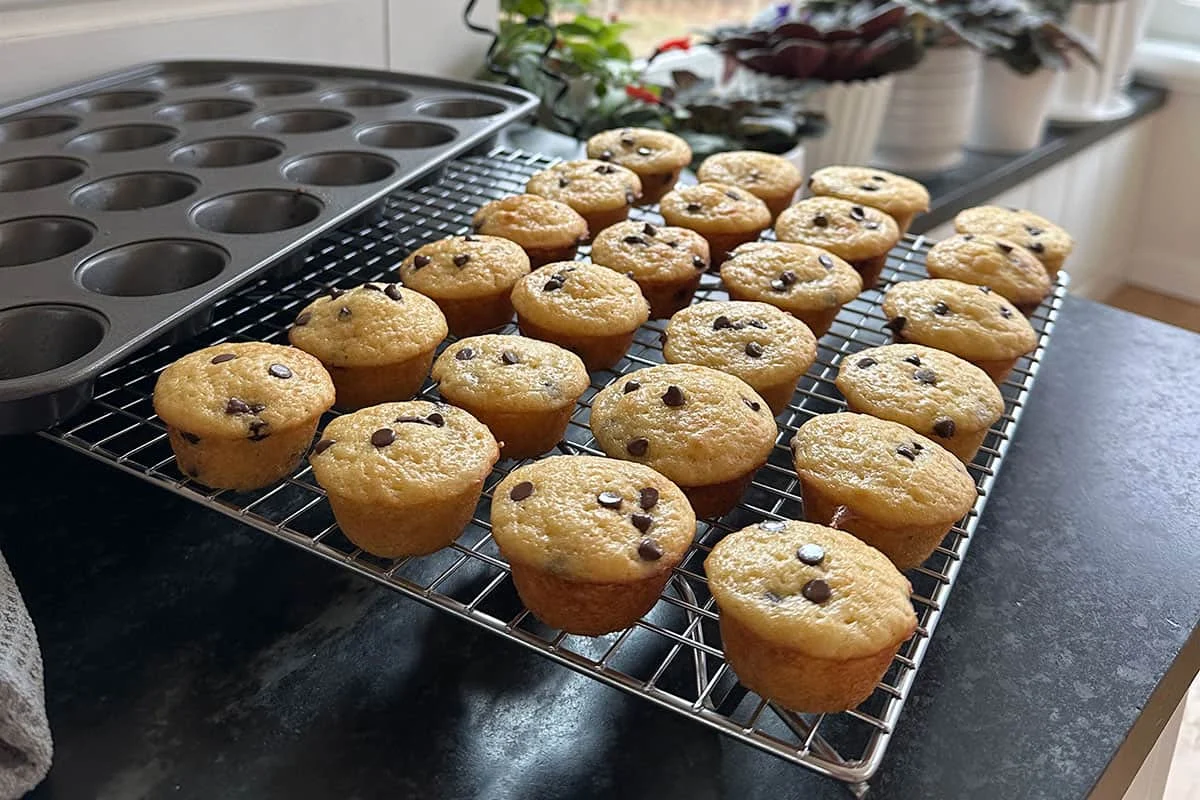
The intersection of digital content consumption and parental self-perception has reached a critical juncture as creators in the family nutrition space highlight a growing trend of "performance-based parenting" tied to domestic labor. Amy Palanjian, founder of the influential platform Yummy Toddler Food, recently addressed the psychological burden placed on modern caregivers, specifically mothers, who equate their moral value with the nutritional quality or complexity of the meals they provide for their children. This phenomenon, colloquially known as "mom guilt," is being increasingly analyzed by sociologists and mental health professionals as a byproduct of a saturated digital landscape where curated perfectionism often overrides the practical realities of household management.
The Psychological Framework of Parental Food Guilt
The sentiment that successful parenting is inextricably linked to the kitchen is not a new concept, but its modern iteration has been amplified by social media algorithms. Research indicates that the "good mother" archetype has evolved from the mid-20th-century focus on cleanliness and discipline to a 21st-century emphasis on intensive parenting, which includes the provision of "perfect" organic, home-cooked, and aesthetically pleasing meals. According to a 2023 study published in the Journal of Child and Family Studies, approximately 75% of parents report feeling judged for their children’s eating habits, with a significant portion of that judgment being internalized.
The feedback received by Palanjian—where a follower expressed that a specific muffin recipe made her feel like a "good mom"—serves as a primary example of how specific domestic successes are used to validate parental identity. While such messages are often intended as compliments to the recipe creator, they reveal an underlying vulnerability in the caregiver population. The reliance on external validation through culinary output suggests that the mental labor of feeding a family has become a metric for self-worth rather than a functional necessity.
The Evolution of the Digital Food Industry
The backdrop of this cultural shift is a rapidly changing digital economy for content creators. The food blogging industry, which saw a meteoric rise between 2010 and 2020, is currently facing significant structural challenges. Palanjian notes that the industry is being "walloped" by two primary forces: shifting social media algorithms and the rise of artificial intelligence (AI) scraping.
Historically, recipe creators relied on search engine optimization (SEO) to drive traffic to their websites, generating revenue through advertising. However, the introduction of AI-generated search summaries—where search engines provide the full recipe text on the results page without requiring the user to click through to the source—has threatened the financial viability of independent publishers. This technological shift has forced many creators to pivot toward subscription-based models, such as the "YTF Community," where content is gated behind a paywall to ensure a sustainable income stream.
This economic transition reflects a broader trend in the creator economy where "community-led growth" is replacing "traffic-led growth." By moving away from the open web and into private, paid spaces, creators can offer more nuanced advice on topics like parental anxiety and the "invisible labor" of the kitchen without the need to cater to the viral demands of public algorithms.
Chronology of Feeding Advice and the Rise of Intensive Parenting
To understand the current state of "kitchen guilt," it is necessary to examine the timeline of pediatric feeding advice over the last several decades:
- 1950s–1970s: The era of convenience and professionalization. Feeding was largely influenced by the rise of processed foods and a trust in industrial efficiency. Guilt was often associated with a failure to follow strict pediatric schedules.
- 1980s–1990s: The introduction of the "Division of Responsibility" by dietitian Ellyn Satter. This period began to shift the focus toward the relationship between parent and child, though the pressure to avoid "junk food" began to mount.
- 2000s–2010s: The Organic and "Whole Food" Revolution. The rise of wellness culture introduced the idea that a "good" parent must avoid preservatives and sugar at all costs. This period coincided with the birth of Instagram, which added a visual, performative layer to meal preparation.
- 2020–Present: The "Dinnertime SOS" Era. Current trends, led by figures like Palanjian, emphasize "letting go" and prioritizing parental mental health over nutritional perfection. This era is characterized by a pushback against the "momfluencer" aesthetic.
Data on Parental Stress and Mealtime Dynamics
Quantitative data supports the necessity of this shift toward a "lighter" approach to family feeding. A survey conducted by the American Psychological Association (APA) found that 41% of parents report that most days they are so stressed they cannot function, with "household responsibilities" and "managing children’s health/nutrition" cited as top stressors.
Furthermore, the USDA’s reports on the "Cost of Raising a Child" indicate that food is the second or third largest expense for most American families. When the financial cost of food is coupled with the time required for planning, shopping, prepping, and cleaning, the "mental load" becomes a significant contributor to parental burnout. Palanjian’s focus on "Dinnertime SOS" and "muffin recipes" addresses the need for "low-stakes" wins in the kitchen that reduce this cognitive load.
Official Responses and Expert Perspectives
Nutritionists and child psychologists have begun to align with the "permission-based" feeding philosophy. Dr. Jane Smith, a clinical psychologist specializing in family dynamics (speaking generally on the trend), suggests that when parents tie their self-esteem to their child’s plate, it can create a high-pressure environment that actually hinders a child’s development of a healthy relationship with food.
"The goal of family feeding should be competence and connection, not perfection," says Smith. "When a parent feels like a ‘bad mom’ because they served a frozen dinner, that stress is transmitted to the child. Conversely, when a parent utilizes simplified recipes to lower their own stress levels, the entire family unit benefits from a more regulated emotional environment."
Palanjian’s transition to a member-only community is an "official" response to these industry pressures. It represents a strategic move to insulate the conversation around family feeding from the toxic comparisons prevalent on public social platforms. This "walled garden" approach allows for a more honest dialogue about the challenges of feeding toddlers, which often involves food refusal, sensory issues, and time constraints that are rarely captured in a 15-second viral video.
Broader Implications for the Future of Family Nutrition
The move toward "letting go" of kitchen-based guilt has broader implications for public health and the digital economy. If the trend continues, we may see a decline in the "wellness-at-all-costs" narrative that has dominated the last two decades. This could lead to a more pragmatic approach to nutrition that values mental health and family harmony as much as vitamin intake.
From an economic standpoint, the shift of creators like Palanjian into subscription models suggests that the era of "free" high-quality, expert-led content on the open web may be ending. As AI continues to scrape public data, the most valuable and "human" insights—those dealing with complex emotions like guilt and anxiety—will likely move into private communities.
Conclusion: Redefining Success in the Domestic Sphere
The transition from seeking to be a "good mom" through complex culinary feats to finding peace in simple, functional feeding is a significant pivot in the landscape of modern parenting. As Amy Palanjian and the YTF Community advocate for a reduction in the "pressure element" of feeding, they are essentially calling for a redefinition of domestic success.
In this new framework, success is not measured by the number of hidden vegetables in a muffin or the aesthetic appeal of a lunchbox, but by the sustainability of the caregiver’s efforts and the reduction of household stress. By addressing the "invisible labor" and the "algorithm-driven guilt," the conversation is shifting toward a more factual and compassionate understanding of what it actually takes to feed a family in the 21st century. This evolution, while necessitated by economic and technological changes, offers a potential path forward for parents looking to reclaim their mental health from the high-stakes world of digital perfectionism.
