

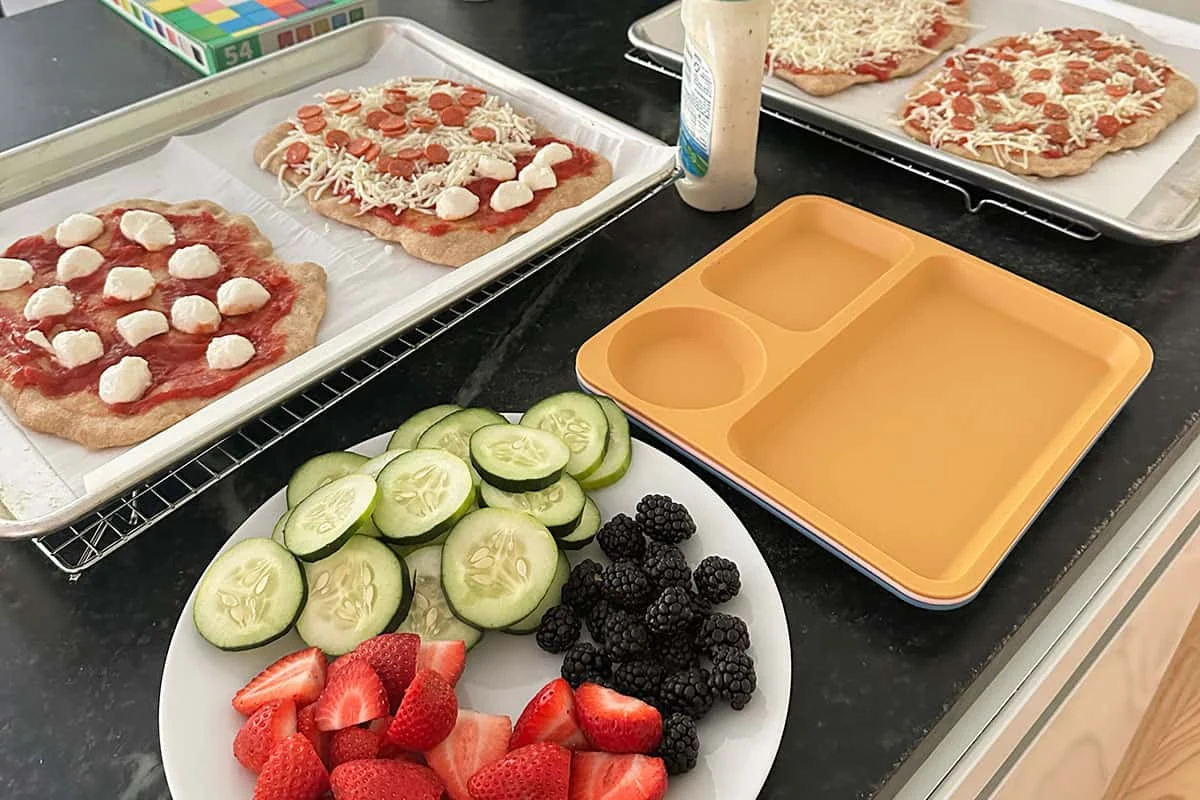
The digital media landscape for parenting and nutrition has seen a significant shift toward transparency as the Yummy Toddler Food (YTF) Community officially announced the continuation of its "Real Life Family Dinners" series. This initiative, designed to provide a candid look at the daily realities of feeding children, seeks to counteract the often-unattainable standards of perfection prevalent on social media platforms. By documenting a typical week of meals without the gloss of high-production videography, the series aims to foster a more sustainable and less stressful environment for parents and caregivers.
The program is a cornerstone of the YTF Community, a subscription-based platform that offers a hybrid model of free and premium content. While much of the organization’s nutritional advice remains accessible to the public, the "Real Life Family Dinners" series is positioned as an exclusive benefit for paid members. This move reflects a broader trend in the creator economy, where niche media outlets are transitioning toward community-funded models to ensure editorial independence and provide high-value, specialized resources.
The Evolution of Realistic Parenting Media
The decision to launch this series follows years of observation regarding the psychological impact of "perfect" digital content on parental mental health. For over a decade, social media platforms like Instagram and TikTok have been dominated by "aesthetic" food preparation videos, which frequently feature meticulously organized bento boxes and gourmet-level toddler meals. Industry analysts note that while these videos offer inspiration, they often contribute to a "comparison trap" that leaves many parents feeling inadequate when their own children refuse food or when time constraints necessitate simpler meals.
The YTF Community’s series represents a departure from this trend. By sharing what the founder "actually served" during a random week, the initiative emphasizes functionality over form. The series highlights that successful family feeding is not defined by a child’s universal acceptance of every dish, but by the avoidance of parental resentment and the assurance that all family members are sufficiently nourished. This pragmatic approach is intended to lower the barrier to entry for healthy eating and reduce the emotional labor associated with mealtime.
Chronology of the YTF Community Development
The trajectory of the YTF Community provides insight into the changing nature of digital publishing. Founded originally as a blog focused on accessible recipes for toddlers, the platform has undergone several stages of evolution:
- Initial Launch (2010s): The platform established itself as a primary resource for parents navigating the transition from infant purees to solid foods, focusing on "picky eater" solutions.
- Social Media Expansion: As visual platforms grew, the organization expanded into video content, reaching millions of viewers with quick-tip tutorials.
- The Pivot to Community: Recognizing the limitations of algorithm-driven social media, the organization launched the YTF Community to facilitate deeper engagement and peer-to-peer support.
- Premium Integration (2024–2025): The introduction of tiered membership allowed for the development of advanced tools, including customizable meal plans and the "Real Life Family Dinners" series.
This timeline illustrates a strategic shift from broad, superficial reach to a more focused, utility-driven membership model. The organization has stated that while the majority of its content remains free to support public health, the premium tier is necessary to fund the development of specialized tools like the custom meal planner and shopping list generator.
Supporting Data: The Burden of Household Meal Production
The necessity for realistic mealtime representation is supported by recent sociological data. According to a 2023 study on parental burnout, nearly 60% of parents reported feeling "overwhelmed" by the daily requirement of meal planning and preparation. Furthermore, research from the American Psychological Association suggests that the "invisible labor" of managing household nutrition is a leading cause of stress among primary caregivers.
Additional data regarding child nutrition highlights the challenges parents face:
- Picky Eating Prevalence: Studies indicate that up to 50% of children go through a "picky eating" phase between the ages of two and six, often leading to significant mealtime conflict.
- Economic Pressures: With the rising cost of groceries, many families are seeking "low-waste" and "high-efficiency" cooking methods rather than elaborate recipes.
- Time Constraints: The average working parent has less than 45 minutes to prepare dinner on weeknights, making the "aesthetic" meals seen online functionally impossible for the majority of the population.
By documenting "real" meals—such as pizza served with a side of raw produce—the YTF series validates the choices of families who prioritize efficiency. The inclusion of these data points suggests that the "Real Life Family Dinners" series is not merely a lifestyle blog post but a response to a documented public health concern regarding parental stress and family nutrition.
Official Responses and Philosophy
In statements regarding the series, the YTF Community leadership has emphasized that the goal is not to achieve "wizardry" in the kitchen, but to manage expectations. The organization’s philosophy centers on the "Division of Responsibility" in feeding, a widely recognized framework developed by Ellyn Satter. This framework posits that parents are responsible for what, when, and where food is served, while children are responsible for how much and whether they eat.
"The goal is to be more casual than I am in my videos on social media as another way to share the reality of feeding kids," the organization stated in its announcement. This admission acknowledges the inherent performance involved in social media content creation and seeks to pull back the curtain for the benefit of the community. The organization further noted that even when children do not enjoy every component of a meal, the outcome can still be considered a success if the caregiver "didn’t resent the work that went into the meal."
This focus on the emotional state of the caregiver marks a significant shift in nutritional discourse, moving away from purely caloric or vitamin-based metrics toward a more holistic view of family well-being.
Broader Impact and Industry Implications
The move by Yummy Toddler Food to paywall its most "realistic" content carries several implications for the digital media industry. First, it suggests that "authenticity" has become a premium commodity. In an era of AI-generated content and highly filtered imagery, consumers are increasingly willing to pay for a "behind-the-scenes" look at real life.
Second, the integration of utility tools—such as customizable meal plans and automated shopping lists—within the membership portal indicates that content creators are becoming service providers. The YTF Community now functions as a productivity suite for parents, offering more than just recipes. This transition is likely to be emulated by other niche publishers looking to diversify their revenue streams away from traditional advertising.
Finally, the initiative highlights a growing movement toward "digital detox" or "digital reality" in the parenting space. By explicitly labeling social media as "unattainable," YTF is participating in a broader cultural conversation about the harms of digital perfectionism. This could lead to a shift in how brands approach influencer marketing, with a potential increase in demand for "unfiltered" or "low-fi" content that resonates more deeply with the everyday experiences of consumers.
Conclusion and Membership Resources
As the "Real Life Family Dinners" series continues, the YTF Community has provided a suite of resources to assist its members in implementing these realistic strategies. These include guides on creating custom meal plans, instructions for optimizing shopping lists, and access to a curated collection of recipes designed for time-strapped households.
The organization remains committed to its mission of making family feeding "easier," acknowledging that while the challenges of picky eating and parental burnout are universal, the tools to combat them must be practical and grounded in reality. For the digital media sector, the success of this series will serve as a bellwether for the viability of "reality-based" subscription models in the parenting and lifestyle niche.
