

The nutritional landscape for pediatric health increasingly emphasizes the role of micronutrients in early childhood development, with iron standing out as a primary concern for healthcare providers and parents alike. Iron is a fundamental component of hemoglobin, the protein in red blood cells responsible for transporting oxygen from the lungs to the rest of the body. In the absence of sufficient iron, children may develop iron-deficiency anemia, a condition that can lead to fatigue, cognitive delays, and behavioral issues. To mitigate these risks, dietary intervention through nutrient-dense snacking has emerged as a practical strategy for maintaining optimal iron levels in toddlers and school-aged children.
The Quantitative Necessity of Iron in Early Childhood
Nutritional requirements for iron vary significantly as a child progresses through different developmental stages. According to data provided by the Centers for Disease Control and Prevention (CDC) and the Mayo Clinic, the recommended dietary allowance (RDA) for iron is specifically calibrated to age-related growth spurts. Toddlers between the ages of one and three require approximately 7 milligrams (mg) of iron per day. As children enter the four-to-eight-year-old bracket, this requirement increases to 10 mg per day.

Meeting these benchmarks can be challenging, particularly during the "picky eating" phases common in toddlerhood. Traditional sources of heme iron, such as red meat and poultry, are often rejected by young children due to texture or flavor preferences. Consequently, the development of iron-rich snacks—defined as those providing between 1 and 2 mg of iron per serving—offers a supplementary method to bridge the nutritional gap without the pressure of a full meal.
Chronology of Iron Requirements: From Infancy to School Age
The timeline of iron dependency begins in utero, where infants build up iron stores that typically last for the first four to six months of life. However, as these natural stores deplete and the child transitions to solid foods, the risk of deficiency increases.

- 6 to 12 Months: This period marks the introduction of iron-fortified cereals and pureed meats. The focus is on preventing the initial drop in hemoglobin levels.
- 1 to 3 Years (The Toddler Transition): Rapid physical growth and brain development during these years necessitate the 7 mg daily target. This is the period where "hidden hunger" often occurs—where a child consumes enough calories but lacks essential micronutrients.
- 4 to 8 Years (The School-Age Expansion): Increased physical activity and the start of formal education require steady energy levels and cognitive focus, driving the need for 10 mg of iron daily.
Strategic Recipe Categorization for Enhanced Bioavailability
To maximize the impact of iron-rich snacks, it is essential to understand the difference between heme iron (found in animal products) and non-heme iron (found in plant-based sources). While heme iron is more easily absorbed by the body, non-heme iron—found in oats, legumes, and seeds—is highly effective when paired with Vitamin C-rich foods, which enhance absorption.
Legume-Based Innovations: Chickpeas as a Versatile Foundation
Chickpeas serve as a nutritional powerhouse in pediatric dieting. They are a significant source of non-heme iron, fiber, and plant-based protein. Modern culinary approaches have transformed this legume into snacks that appeal to the sensory preferences of children:
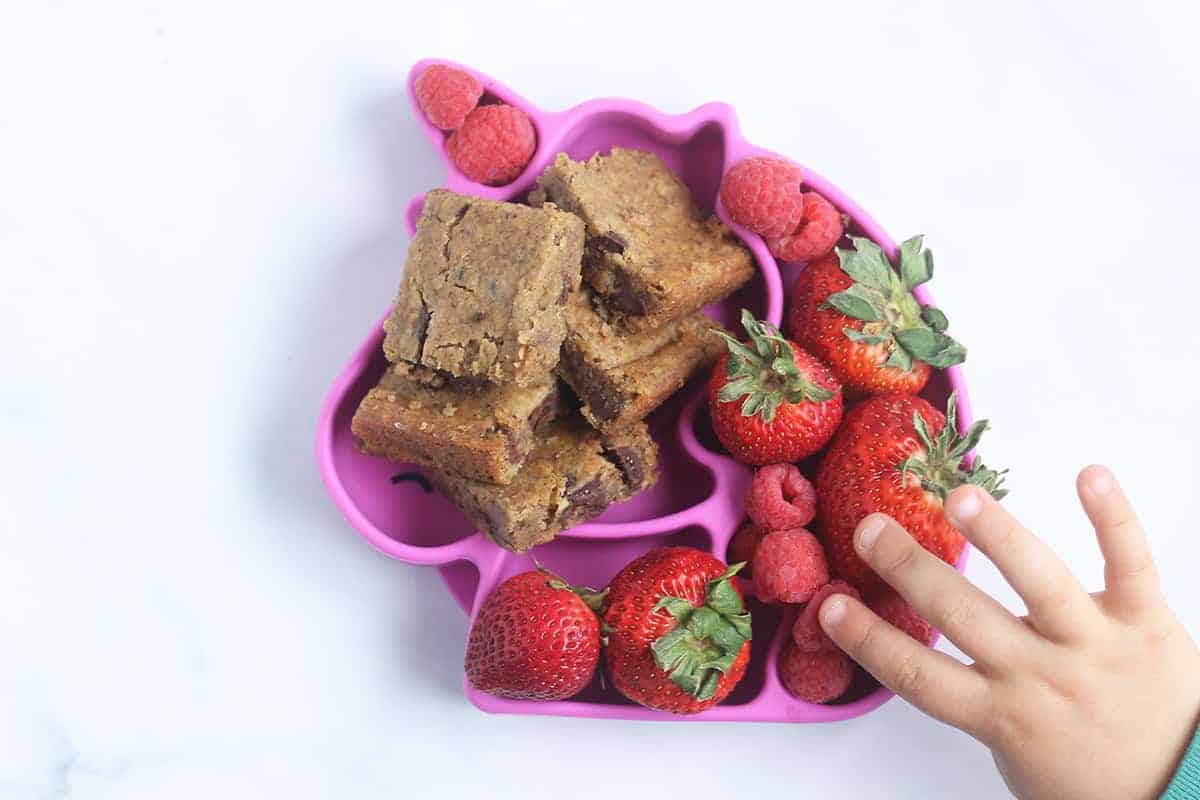
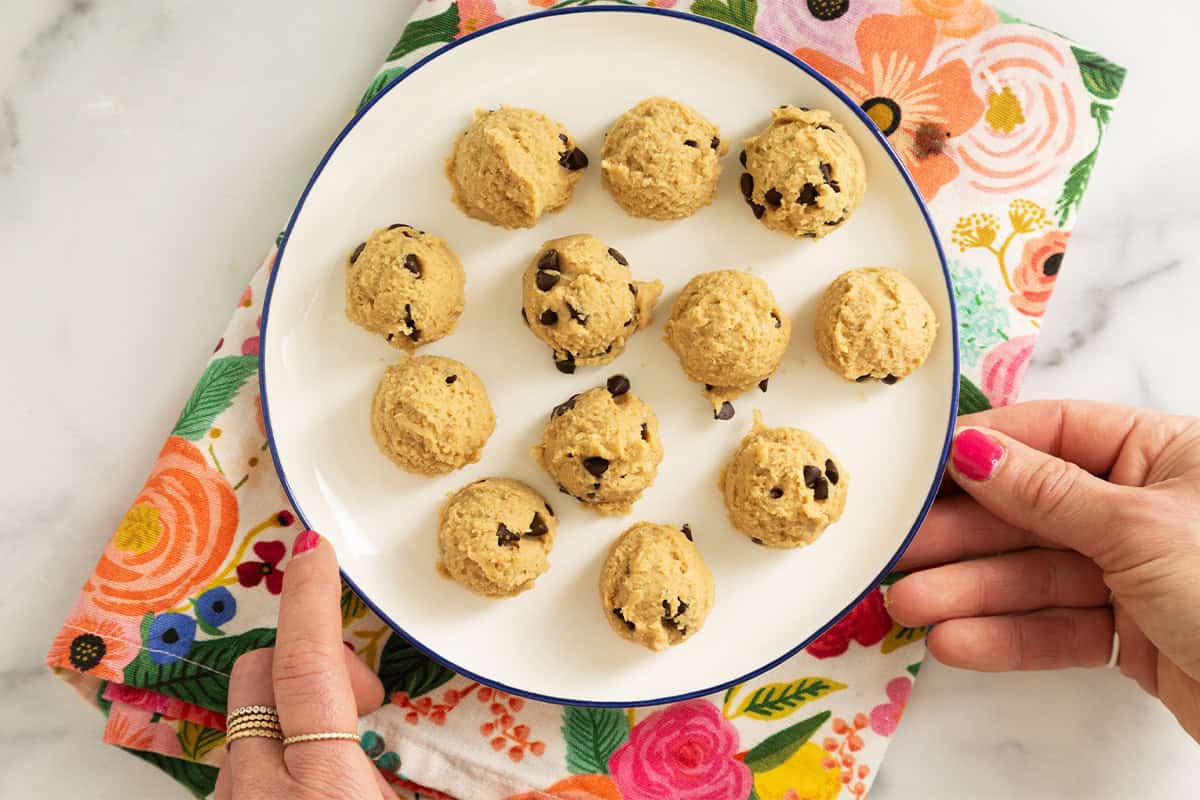
- Chickpea Blondies and Cookie Dough: By blending chickpeas into a smooth paste, they can be incorporated into "blondies" or safe-to-eat raw cookie dough. These recipes replace refined flours with legume bases, providing a dense source of iron in a format that mimics traditional desserts.
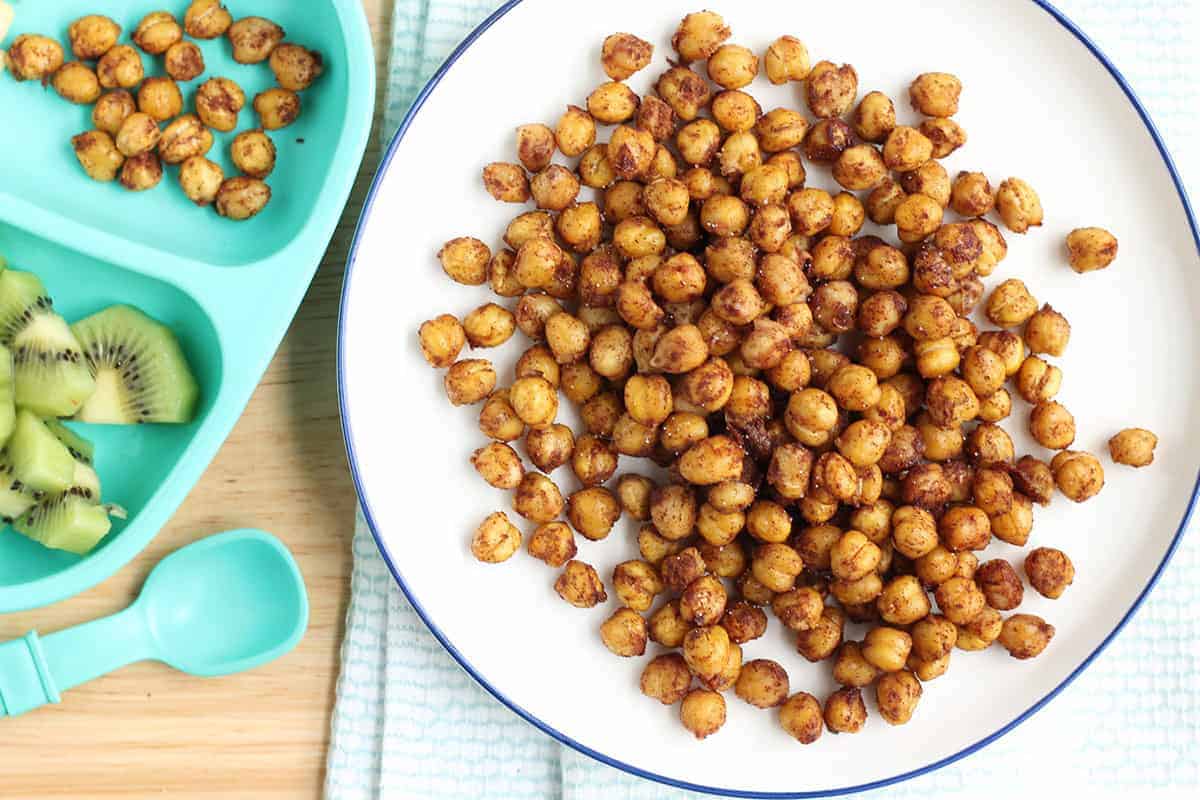
- Soft Roasted Chickpeas: Unlike crunchy versions which may present a choking hazard for younger toddlers, soft-roasted chickpeas seasoned with cinnamon and a touch of maple syrup provide a manageable texture and a sweet-salty profile.
- Chickpea Fritters: Drawing inspiration from falafel, these savory snacks offer a protein-packed option that can be prepared in under 20 minutes, serving as a bridge between a snack and a small meal.
Whole Grain and Oat-Centric Formulations
Oats are a staple in many households, but their role as an iron delivery vehicle is often undervalued. When processed into bars or "cups," they provide sustained energy release alongside essential minerals.
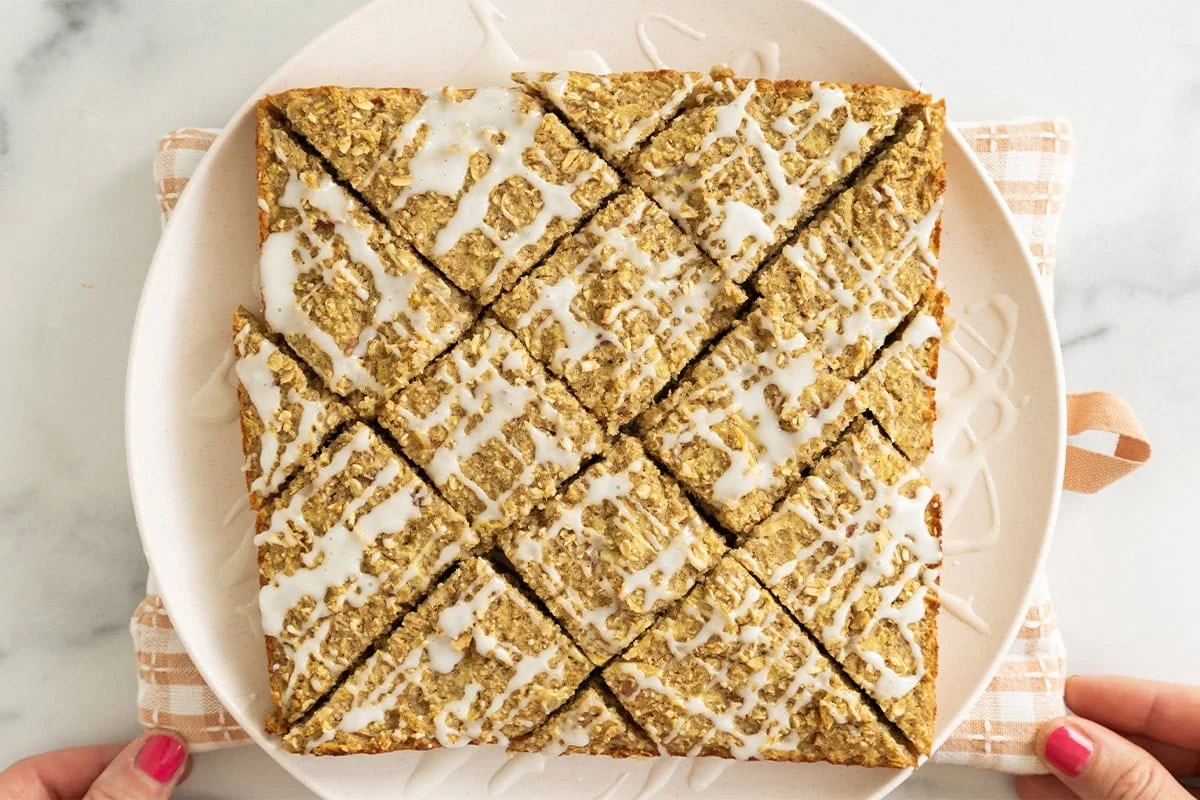
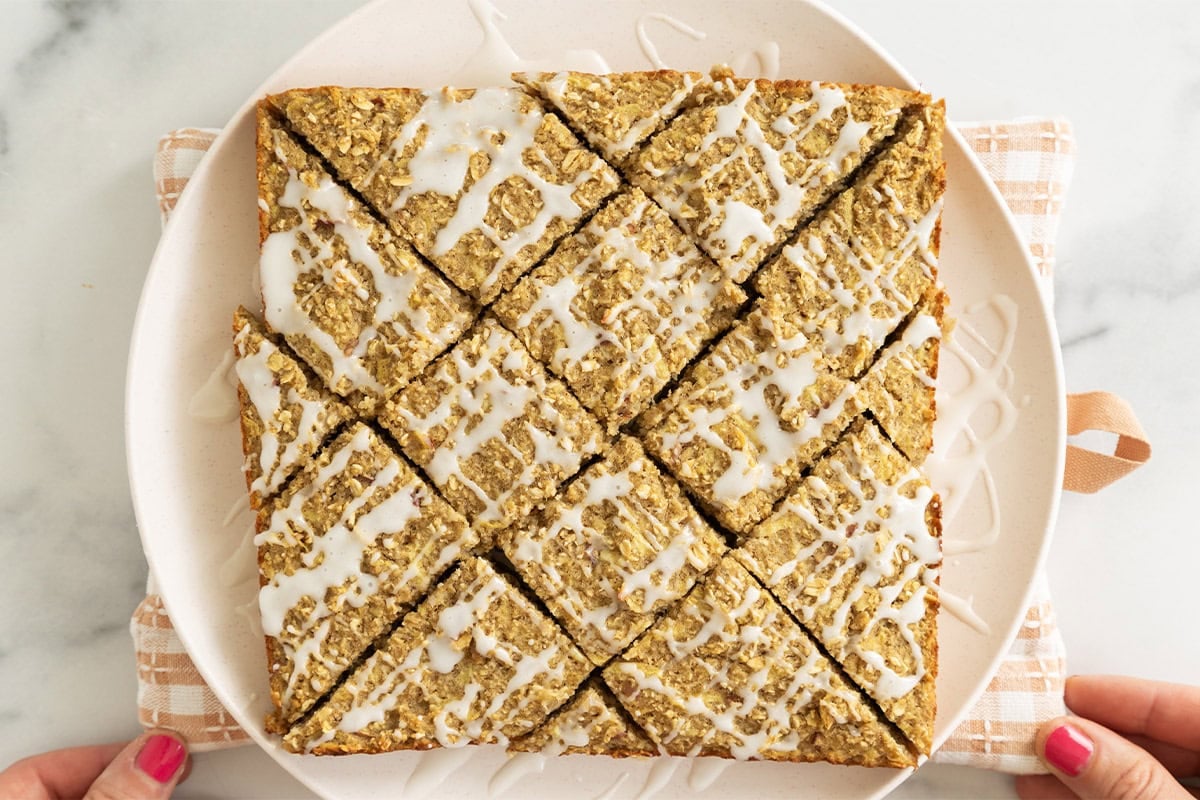
- Apple and Banana Oatmeal Bars: These recipes utilize the natural sweetness and moisture of fruit to bind oats, eliminating the need for excessive processed sugars. The inclusion of five or fewer ingredients ensures that the snacks remain "whole food" focused.
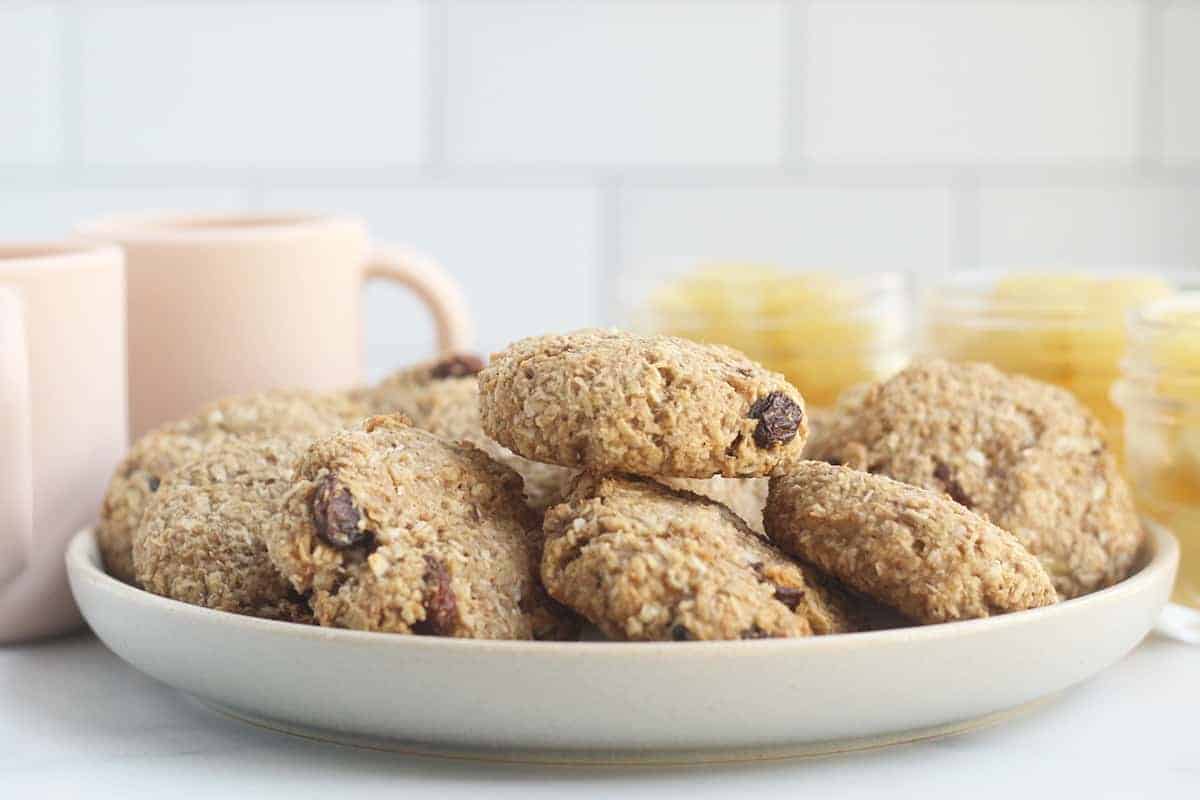
- Oatmeal Cups: These are essentially portable versions of baked oatmeal. They can be served at various temperatures, making them ideal for school lunches or on-the-go consumption.
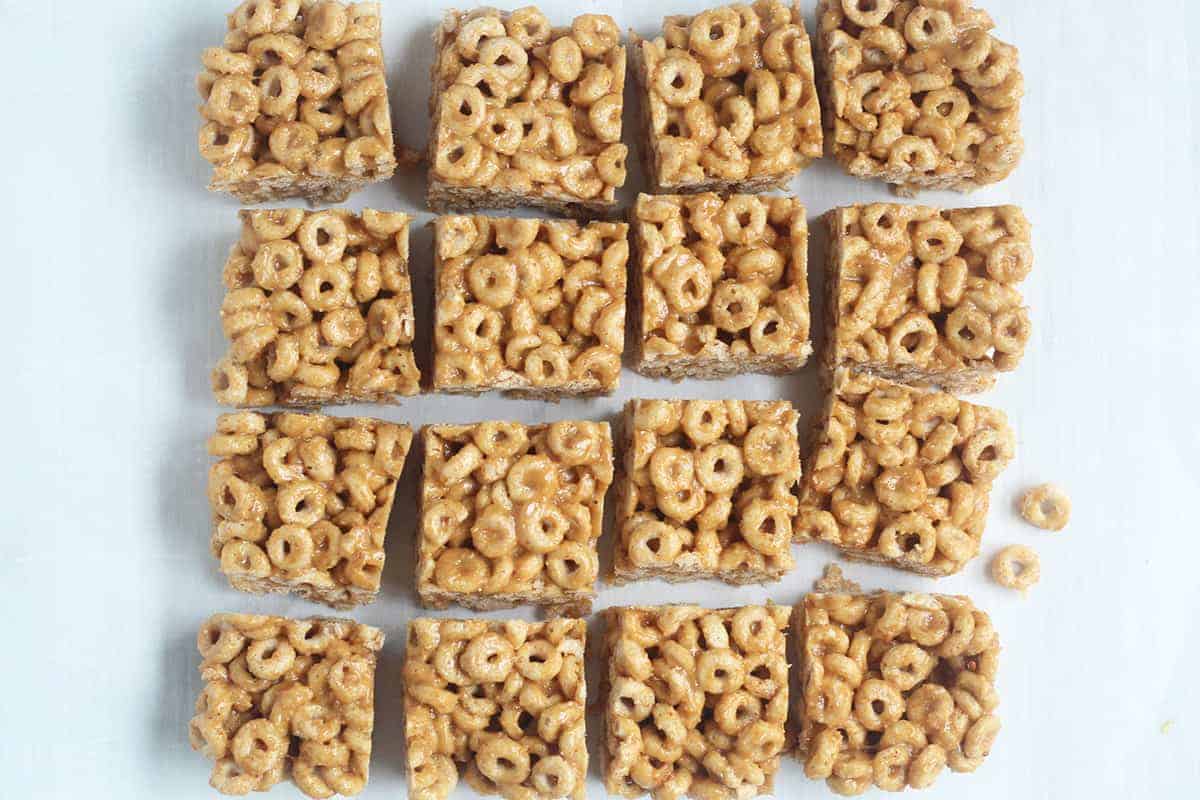
- Cereal Bars: Utilizing iron-fortified cereals as a base, these three-ingredient bars provide a crispy texture that maintains its integrity during storage, offering a convenient alternative to store-bought processed snacks.
Nutrient-Dense Baked Goods and Breads
Muffins and quick breads are often viewed as empty-calorie treats, but when reformulated with iron-rich inclusions like pumpkin puree and almond butter, they become legitimate nutritional tools.
- Pumpkin-Based Options: Pumpkin puree is not only a source of Vitamin A but also contributes to the daily iron count. Pumpkin Oatmeal Bread and Pumpkin Protein Muffins utilize Greek yogurt and almond butter to increase the protein-to-carb ratio, ensuring that the iron is delivered alongside other growth-supporting nutrients.
- Double Chocolate Muffins: By using high-quality cocoa and a yogurt base, these muffins provide a palatable way to introduce iron. Cocoa itself contains small amounts of iron, which, when combined with fortified flours or oats, contributes to the 1-2 mg goal per serving.
The Synergy of Vitamin C: Enhancing Iron Absorption
A critical component of a successful iron-rich diet is the inclusion of Vitamin C (ascorbic acid). Clinical studies have shown that consuming Vitamin C alongside non-heme iron can increase absorption rates by as much as three to six times.
- Strawberry Juice: A fresh, five-minute preparation of strawberry juice provides a high concentration of Vitamin C. Serving this alongside an oatmeal bar or chickpea blondie creates a chemical environment in the gut that optimizes iron uptake.
- Peach Smoothies: Smoothies allow for the integration of multiple nutrient groups. A peach smoothie, which is naturally high in Vitamin C, can be further enhanced with spinach (which contains iron) or protein powders, creating a comprehensive nutritional profile.
Professional Perspectives and Clinical Implications
Medical professionals, including pediatricians and registered dietitians, frequently emphasize that dietary habits formed in the first eight years of life set the stage for long-term health. The American Academy of Pediatrics (AAP) recommends screening for iron deficiency starting at 12 months of age. However, proactive dietary management is preferred over reactive supplementation, which can sometimes cause gastrointestinal discomfort in young children.

The shift toward "functional snacking"—where every snack serves a specific nutritional purpose—is a response to the rising rates of childhood obesity and nutrient deficiencies. By replacing processed crackers and high-sugar fruit snacks with options like Peanut Butter Yogurt or homemade Peanut Butter Crackers, parents can ensure that their children are receiving beneficial fats and iron simultaneously.
Broader Impact on Public Health and Education
The implications of widespread iron-rich snack adoption extend beyond individual households into public health and educational settings. Schools and childcare centers that prioritize these types of snacks report better student focus and energy levels.
Furthermore, the "one-bowl" methods and "no-bake" treats highlighted in these strategies address the socioeconomic factor of time poverty. Many parents cite a lack of time as the primary reason for purchasing processed snacks. By providing recipes that take 30 minutes or less and use accessible pantry staples like canned pumpkin, dried oats, and chickpeas, these nutritional goals become attainable for a broader demographic.

Conclusion and Implementation Strategy
To successfully implement an iron-rich snacking routine, experts suggest a "leftover-friendly" approach. Many of the items, such as Baked Chicken Meatballs or Lentil Patties, can be prepared in bulk during weekend meal prep and served as snacks throughout the week. This ensures that even when time is limited, the child’s nutritional requirements are not compromised.

The ultimate goal of enriching a child’s diet with iron-rich snacks is to foster a healthy relationship with food while securing the physiological building blocks necessary for growth. Through the strategic use of legumes, whole grains, and Vitamin C pairings, parents can effectively manage their children’s iron intake, supporting both physical vitality and cognitive development during these formative years.
