

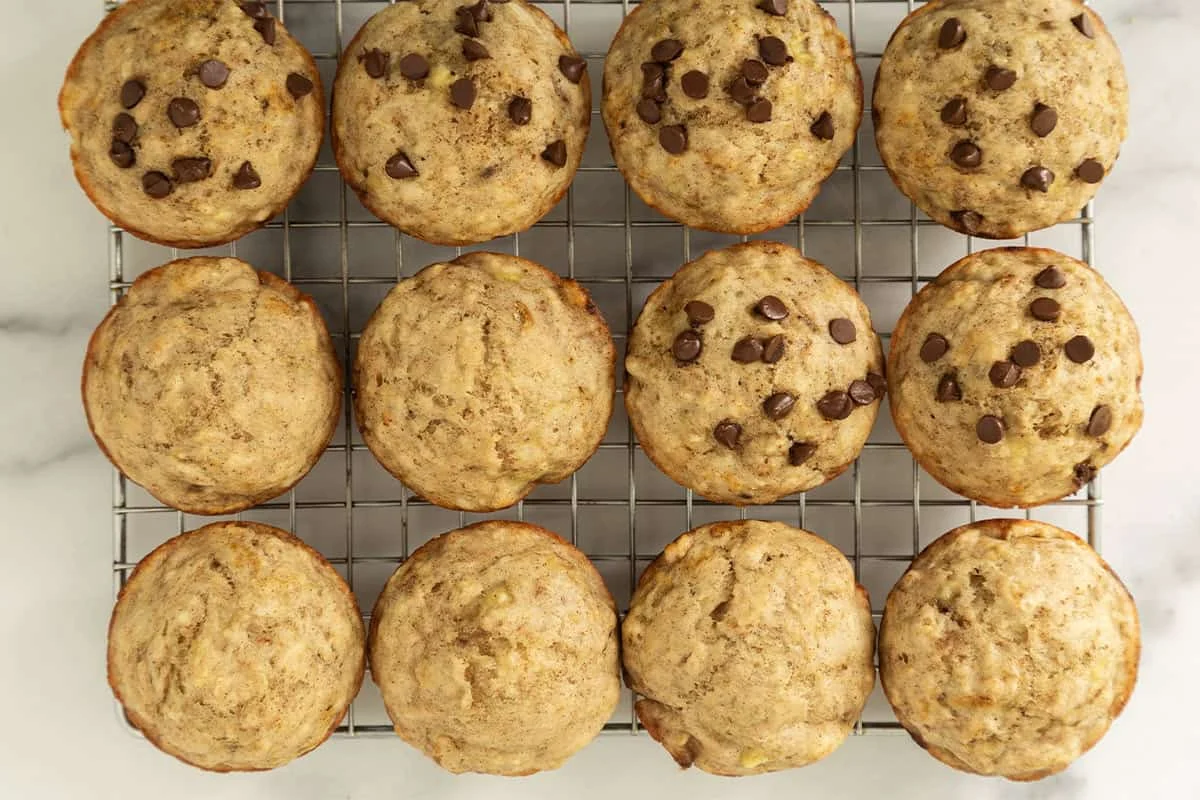
The landscape of pediatric nutrition and home baking is undergoing a significant transformation as families increasingly seek out recipes that accommodate food sensitivities while maintaining high standards for flavor and texture. Among the most sought-after alternatives in the contemporary kitchen is the eggless banana muffin, a versatile staple that addresses the needs of children with egg allergies and provides a solution for households facing fluctuating grocery supplies. This culinary development is not merely a matter of convenience; it represents a broader shift toward inclusive, health-conscious eating habits that prioritize whole ingredients and adaptable cooking methods.
The Rise of Egg-Free Baking in Pediatric Nutrition
The prevalence of food allergies in the United States has seen a marked increase over the last two decades. According to data from the Centers for Disease Control and Prevention (CDC), food allergies affect approximately one in 13 children, or roughly two students in every classroom. Egg allergy, specifically, ranks as the second most common food allergy in infants and young children, following cow’s milk. While many children eventually outgrow these sensitivities by the age of five, the early years require parents and caregivers to be exceptionally vigilant and creative in the kitchen.
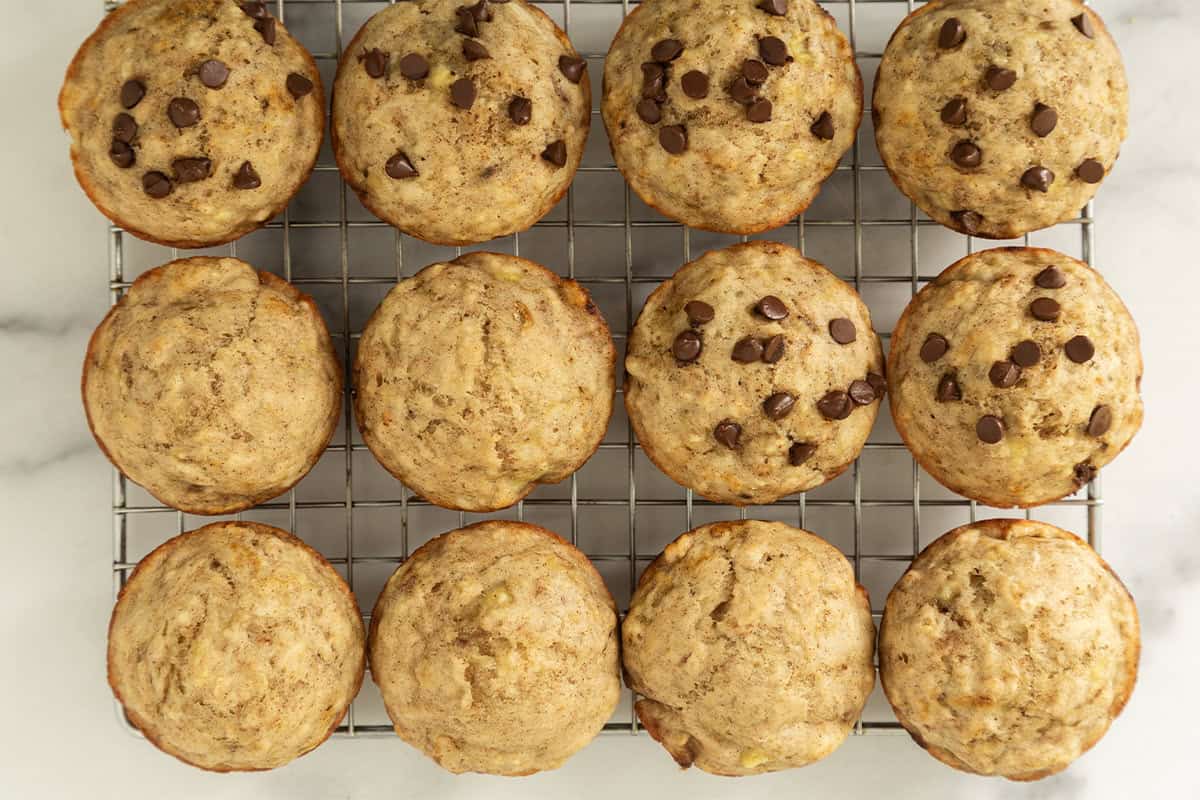
The eggless banana muffin has emerged as a frontline solution in this dietary landscape. Traditionally, eggs serve multiple functions in baking: they provide structure through protein coagulation, contribute to leavening, and emulsify fats. Removing them requires a sophisticated understanding of ingredient interactions. In this specific recipe, the combination of mashed bananas and yogurt acts as a biological and chemical substitute, ensuring the final product remains moist and structurally sound without the use of avian products.
Chronology of the Baking Process: From Prep to Plate
The preparation of eggless banana muffins follows a logical, one-bowl progression designed for efficiency and consistency. The process begins with the selection of the primary ingredient: the banana. For optimal results, culinary experts recommend using overripe bananas, characterized by skin that is heavily spotted or nearly black. At this stage of ripeness, the starch content has largely converted to sugar, providing maximum natural sweetness and a softer texture that integrates seamlessly into the batter.
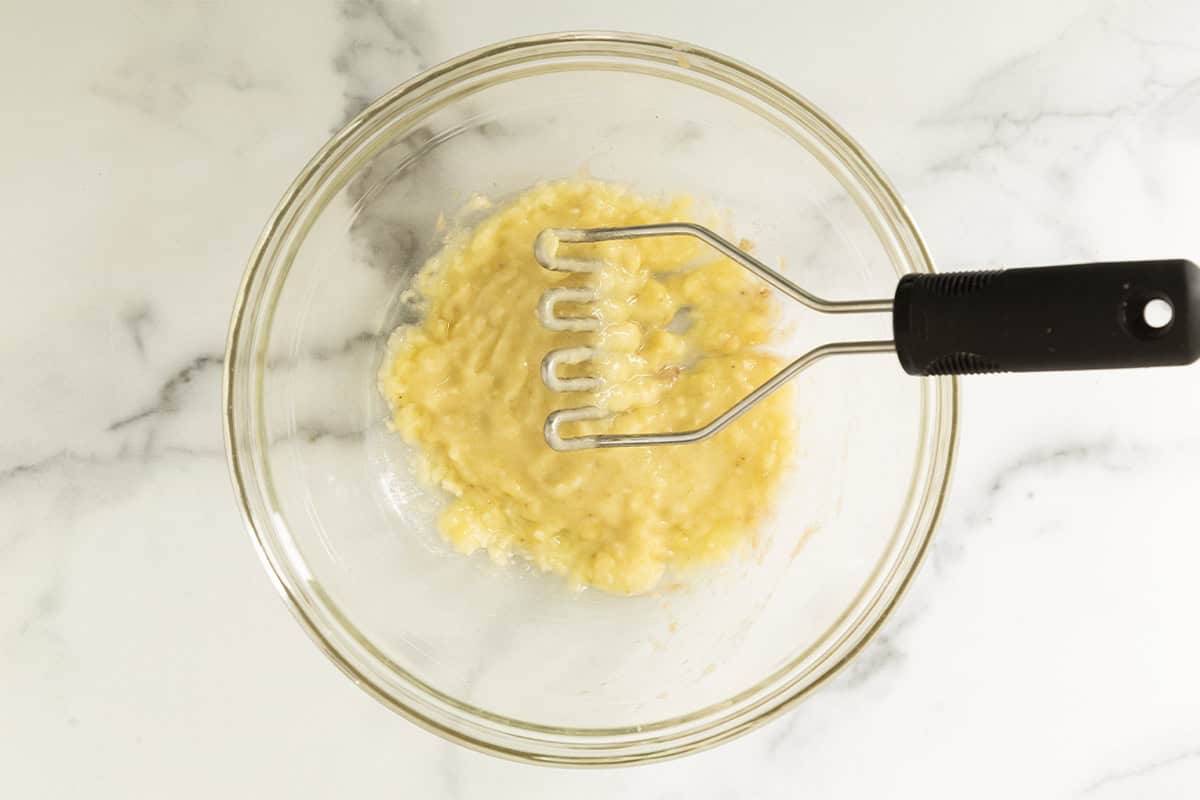
- The Mashing Phase: The process initiates with the mechanical breakdown of the bananas. Using a potato masher or a fork, the fruit is reduced to a smooth pulp. This step is critical as it releases the moisture and natural pectins required to bind the dry ingredients.
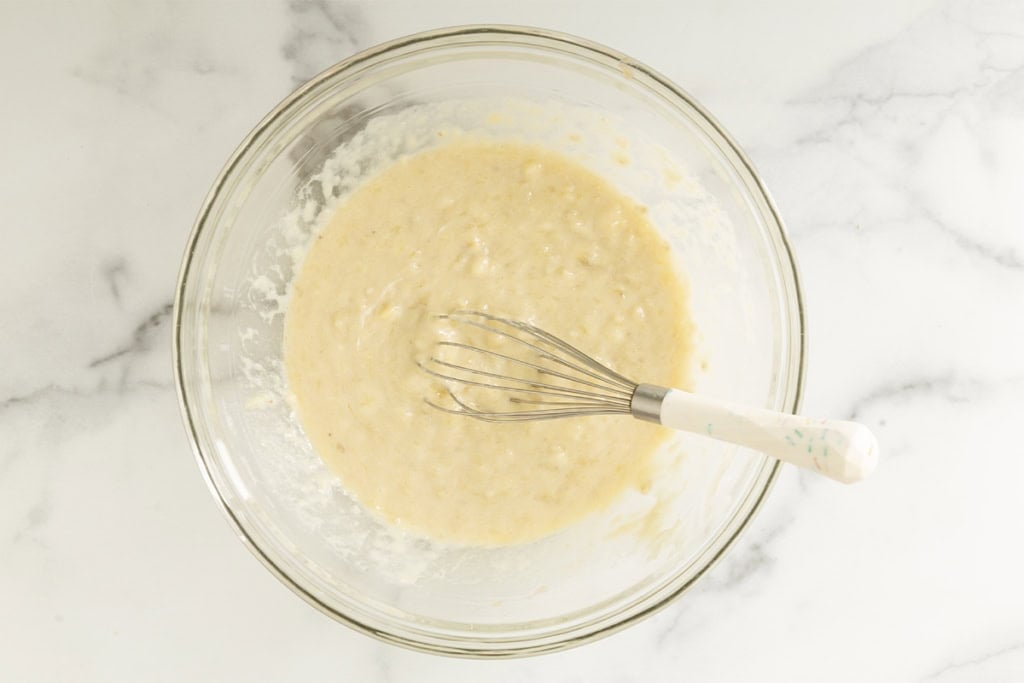
- Integration of Wet Ingredients: Following the mashing, the recipe incorporates yogurt, melted butter, and vanilla extract. The yogurt is a particularly strategic addition; its acidity reacts with the leavening agents later in the process, while its fat content contributes to a tender "crumb."
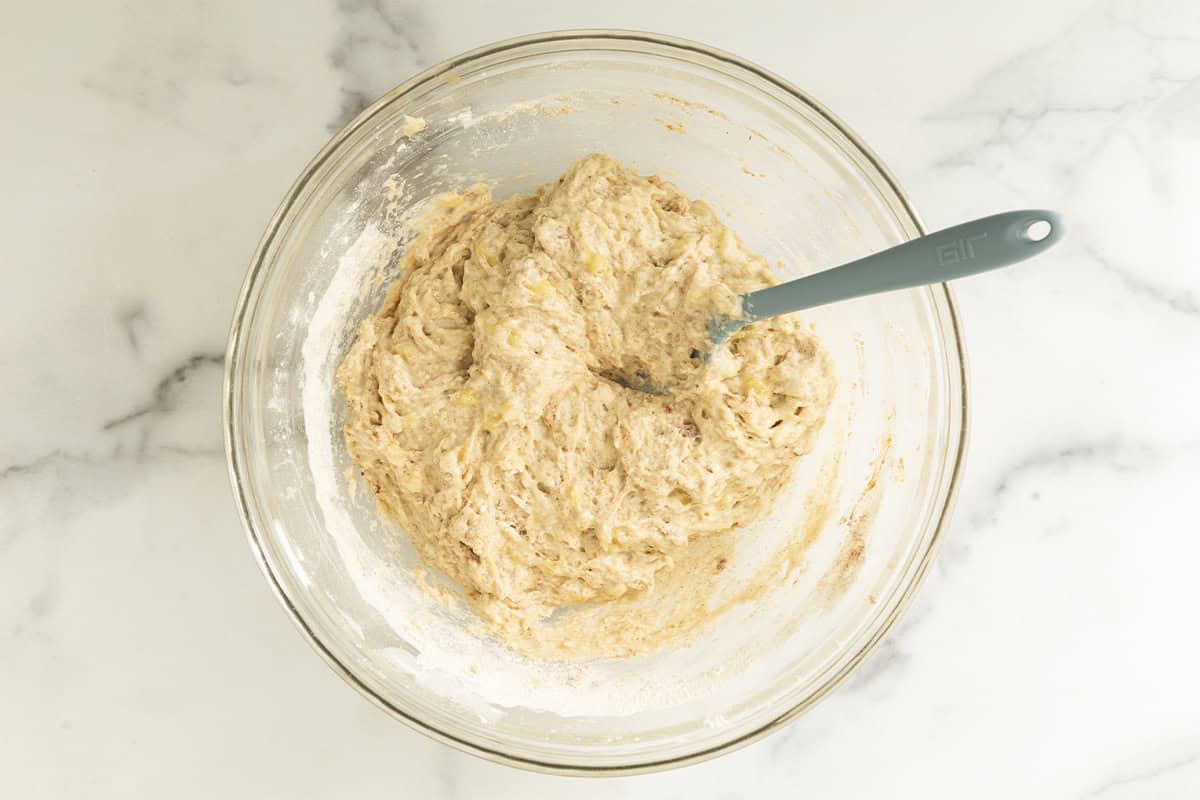
- The Dry Component Blend: Once the wet base is emulsified, the dry ingredients—flour, cinnamon, baking powder, baking soda, and a pinch of salt—are introduced. Journalistic observations of baking science indicate that "gentle stirring" is paramount at this stage. Over-mixing the batter can lead to the over-development of gluten, resulting in a dense, tough muffin rather than the desired "ultimate fluffiness."
- The Baking Cycle: The batter is divided into a prepared muffin tin and baked in a preheated oven. The transition from raw batter to a risen, golden-brown muffin occurs through the rapid expansion of carbon dioxide bubbles trapped within the flour structure, a reaction catalyzed by the heat of the oven.
Nutritional Profile and Supporting Data
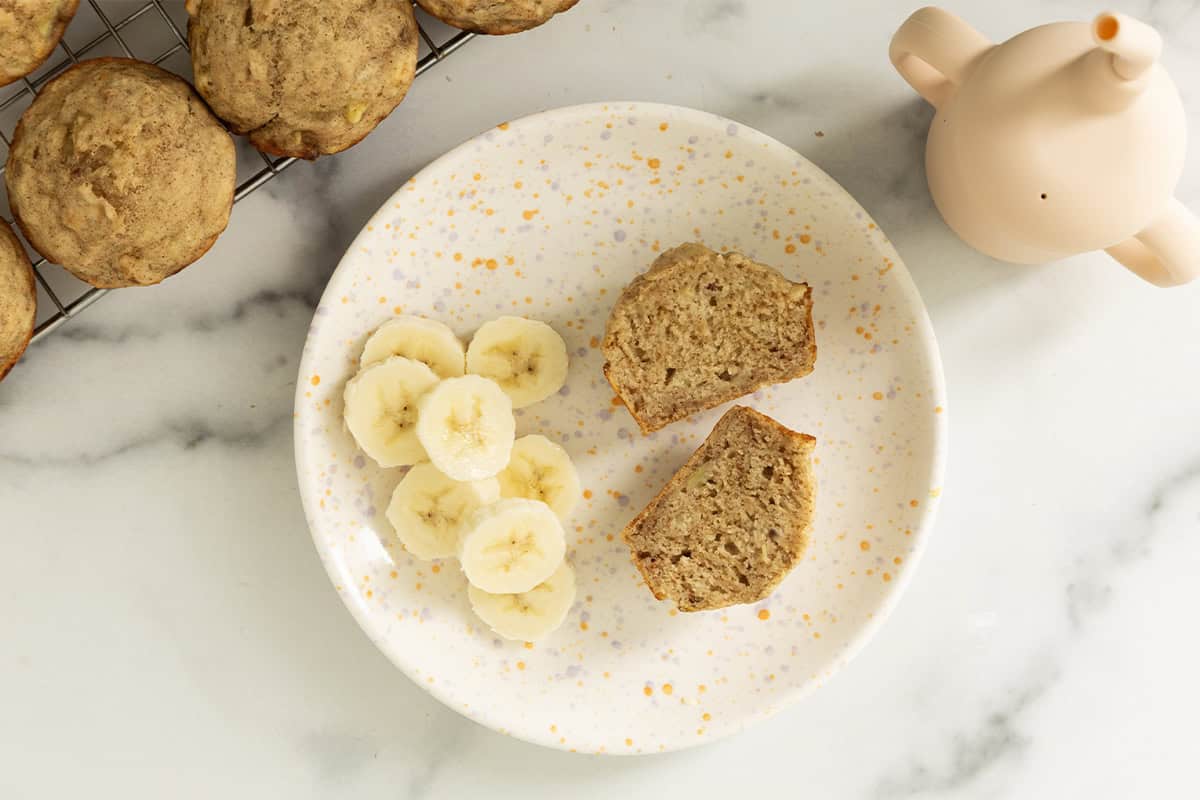
A detailed analysis of the nutritional data for a single eggless banana muffin reveals a profile that is well-suited for toddler growth and development. Each serving contains approximately 120 calories, providing a balanced energy source for active children.
Key Nutritional Metrics (Per Muffin):
- Carbohydrates: 19g (primarily from fruit and grain)
- Protein: 2g
- Total Fat: 4g (with only 2g of saturated fat)
- Sodium: 132mg
- Potassium: 126mg
- Fiber: 1g
- Sugar: 4g (naturally occurring and added)
From a micronutrient perspective, these muffins provide Vitamin A (137 IU), Vitamin C (2 mg), Calcium (31 mg), and Iron (1 mg). The relatively low sugar content (4g) is a significant departure from commercial, store-bought muffins, which can contain upwards of 20g of sugar per serving. For parents following the American Academy of Pediatrics (AAP) guidelines, which suggest limiting added sugars for children under age two, these muffins represent a more responsible breakfast or snack option.
Economic and Supply Chain Context
The demand for eggless recipes is not driven solely by health concerns but also by economic factors. In recent years, the global agricultural sector has faced significant challenges, including outbreaks of highly pathogenic avian influenza (HPAI). These events have led to the culling of millions of egg-laying hens, causing unprecedented volatility in egg prices. During peak periods of inflation, the cost of a dozen eggs has surged by over 100% in certain regions.
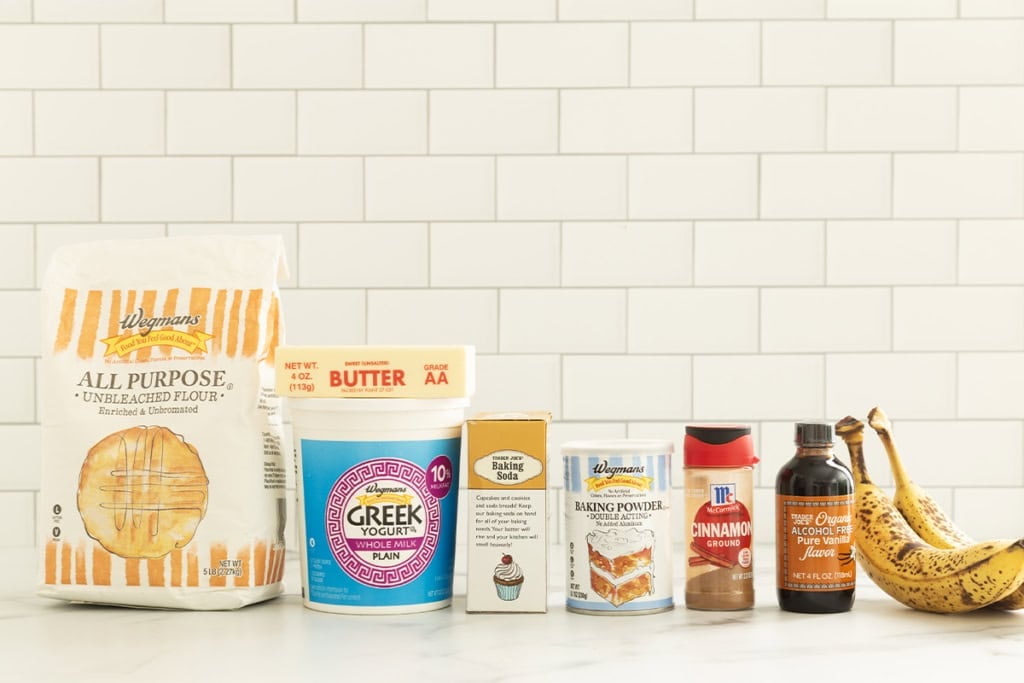
As a result, "pantry-staple baking"—using what is already on hand—has seen a resurgence. The eggless banana muffin relies on ingredients with longer shelf lives or those that are frequently stocked, such as flour, baking soda, and frozen or counter-ripened bananas. This makes the recipe a resilient choice for middle-class families managing tightening household budgets.
Expert Perspectives and Culinary Versatility
Professional bakers and pediatric dietitians often emphasize the "versatility factor" of banana-based batters. Because the base is neutral yet flavorful, it serves as a canvas for various nutritional "boosts." Statements from culinary professionals suggest that adding minced walnuts or pecans can increase the intake of healthy omega-3 fatty acids, while the inclusion of blueberries adds antioxidants.
"The beauty of the eggless banana muffin lies in its adaptability," notes one culinary analyst. "You can transition it from a vegan-friendly snack by using a plant-based yogurt and oil, to a decadent treat by adding semi-sweet chocolate chips. It bridges the gap between a restrictive diet and a joyful eating experience."
Furthermore, the recipe’s success relies on the chemical synergy between baking soda and the lactic acid found in yogurt. In the absence of eggs, this reaction is the primary driver of the muffin’s height. If a baker wishes to make the recipe entirely vegan, they must substitute the dairy yogurt with a soy or coconut-based alternative that maintains a similar acidity level to ensure the leavening process is not compromised.
Storage Science and Practical Application
For busy families, the utility of a recipe is often measured by its longevity. The eggless banana muffin performs exceptionally well in various storage conditions. At room temperature, the muffins remain fresh for up to three days when kept in an airtight container. In the refrigerator, they last for five days, though the cold environment can cause the starches to undergo retrogradation, leading to a firmer texture.
To counteract this, food scientists recommend a brief period of reheating. Warming the muffin for 15 seconds in a microwave or a few minutes in a toaster oven realigns the starch molecules and melts the fats, restoring the original soft, fluffy texture. For long-term planning, the muffins can be frozen for up to six months. This "make-ahead" capability is a crucial implication for working parents who require quick, nutritious options for school lunches or early morning commutes.
Broader Impact on the Food Industry
The popularity of recipes like the Eggless Banana Muffin is indicative of a larger trend toward "transparency" and "simplicity" in the food industry. Consumers are increasingly wary of the long list of preservatives and stabilizers found in ultra-processed snacks. By returning to basic ingredients—flour, fruit, and dairy—home cooks are reclaiming control over their family’s nutritional intake.
This shift has forced major food manufacturers to reconsider their product lines. We are seeing an influx of "clean label" products on grocery shelves that mimic the ingredient lists of home-baked goods. However, the cost-effectiveness and superior flavor of a fresh, home-baked muffin continue to drive traffic to digital recipe platforms and culinary education resources.
Implications for Future Home Cooking
As we look toward the future of domestic life, the ability to cook with flexibility will remain a vital skill. The eggless banana muffin is more than just a remedy for a missing ingredient or an allergy; it is a testament to the ingenuity of modern home cooking. It proves that dietary restrictions do not have to result in a diminished sensory experience.
By utilizing the natural properties of the banana—a fruit that is available year-round and globally distributed—families can ensure a consistent source of nutrition and comfort. Whether served alongside vanilla milk for a toddler’s breakfast or packed into a lunchbox for a mid-day energy boost, these muffins represent the intersection of science, health, and the simple pleasure of a well-made meal. In a world of complex dietary demands, the simplicity of the eggless banana muffin stands as a benchmark for accessible, inclusive, and delicious nutrition.
