

Pumpkin Chia Seed Pudding has emerged as a prominent solution for modern nutritional challenges, combining the seasonal appeal of autumn flavors with the dense nutrient profile of ancient seeds and fermented dairy. As consumers increasingly prioritize functional foods—ingredients that offer health benefits beyond basic nutrition—the integration of chia seeds and pumpkin puree into a singular, make-ahead meal reflects a broader shift in global dietary habits. This dish, often positioned as a "power-packed" breakfast, addresses the dual demand for convenience and high-density nutrition in an era where time-poverty often dictates food choices.
The Rise of Functional Breakfasts and the Superfood Market
The evolution of the breakfast landscape has seen a move away from high-sugar, processed cereals toward items that provide sustained energy release. Chia seeds (Salvia hispanica) have been at the forefront of this movement. Originally a staple for Aztec and Mayan civilizations, chia seeds were rediscovered by the modern health industry due to their high concentration of alpha-linolenic acid (an omega-3 fatty acid), fiber, and protein. When submerged in liquid, these seeds can absorb up to 12 times their weight, creating a gel-like consistency known as mucilage. This biochemical property is the foundation of the "pudding" texture, allowing for a satisfying mouthfeel without the need for heavy creams or artificial thickeners.
Parallel to the rise of chia is the perennial popularity of pumpkin. While often associated with seasonal indulgence, the nutritional reality of pumpkin is rooted in its high antioxidant content, specifically beta-carotene. The global market for pumpkin-flavored products has seen exponential growth over the last decade, but a specific subset of that market is pivoting toward the use of actual pumpkin puree rather than synthetic flavorings. This shift ensures that the consumer receives the metabolic benefits of the squash, including high levels of Vitamin A and potassium.
Nutritional Profile and Comparative Data Analysis
A detailed analysis of Pumpkin Chia Seed Pudding reveals a nutrient density that outperforms many traditional breakfast alternatives. Based on standardized serving sizes, a single portion provides approximately 160 calories, making it a calorie-efficient option for those managing weight or metabolic health.
The macronutrient breakdown is particularly significant for sustained satiety:
- Total Fat: 7 grams (with a focus on polyunsaturated and monounsaturated fats).
- Protein: 5 grams, essential for muscle maintenance and neurotransmitter function.
- Dietary Fiber: 7 grams, representing nearly 25% of the recommended daily intake for adults.
- Carbohydrates: 21 grams, with a low glycemic impact due to the high fiber content.
From a micronutrient perspective, the dish is an exceptional source of Vitamin A, providing 9,603 IU per serving. This is vital for immune function and ocular health. Additionally, the inclusion of yogurt contributes 199 mg of calcium and 308 mg of potassium, supporting bone density and cardiovascular health. When compared to a standard blueberry muffin, which often contains over 400 calories and negligible fiber, the Pumpkin Chia Seed Pudding represents a significant upgrade in dietary quality.
Historical Context and Culinary Evolution
The concept of "overnight" or "make-ahead" breakfasts gained significant traction in the mid-2010s, popularized by the "overnight oats" trend. This culinary methodology relies on time rather than heat to soften grains and seeds, preserving heat-sensitive nutrients and enzymes. Pumpkin Chia Seed Pudding is a direct descendant of this movement.
The timeline of this recipe’s development follows a clear trajectory:
- Early 2000s: Chia seeds gain "superfood" status in Western markets.
- 2010-2015: The rise of food blogging and social media platforms creates a demand for "aesthetic" yet healthy meals.
- 2018-Present: The focus shifts toward gut health, leading to the increased use of yogurt and probiotics in breakfast recipes.
- Modern Day: The integration of seasonal flavors like pumpkin ensures year-round relevance, bridging the gap between holiday tradition and daily health.
Standardized Preparation and Methodology
The efficacy of Pumpkin Chia Seed Pudding lies in its simplicity and the scientific interaction of its components. The preparation follows a strict protocol to ensure the desired texture and safety standards.
Step-by-Step Procedural Framework
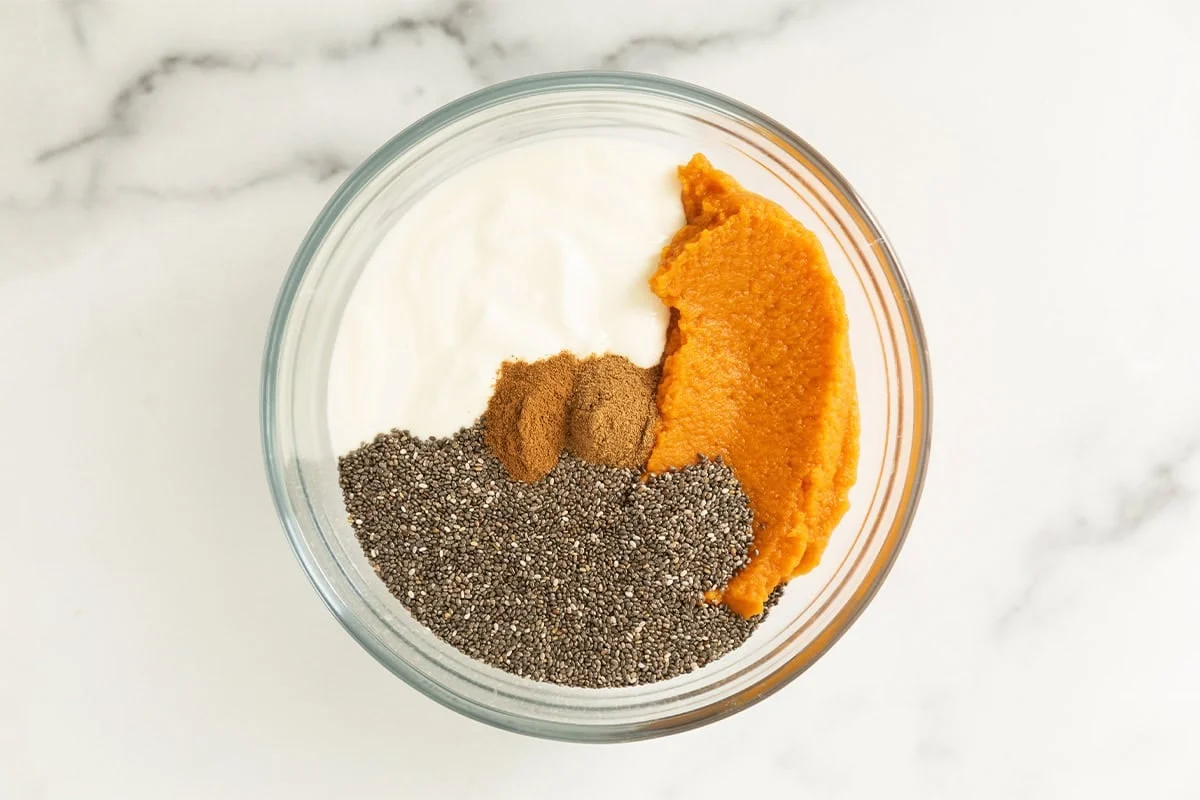
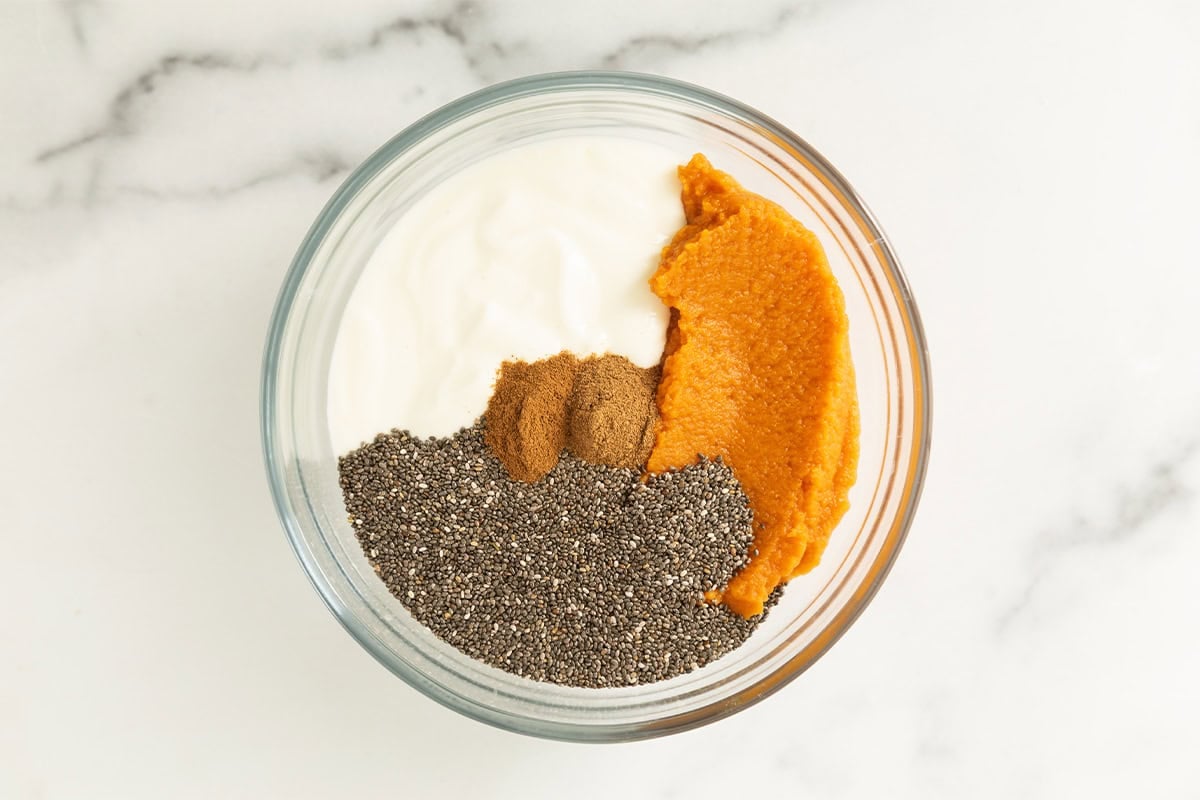
The process begins with the homogenization of wet ingredients. Pumpkin puree, which provides the base flavor and color, is combined with yogurt. The choice of yogurt—whether dairy-based or a plant-based alternative—serves as the primary source of protein and probiotics. Once these are blended, the chia seeds are introduced.
The stirring phase is critical; the seeds must be evenly distributed to prevent clumping, which would result in an inconsistent texture. Unlike traditional puddings that require cornstarch or eggs and a heat source to set, this mixture relies on the hydrophilic nature of the chia seeds.
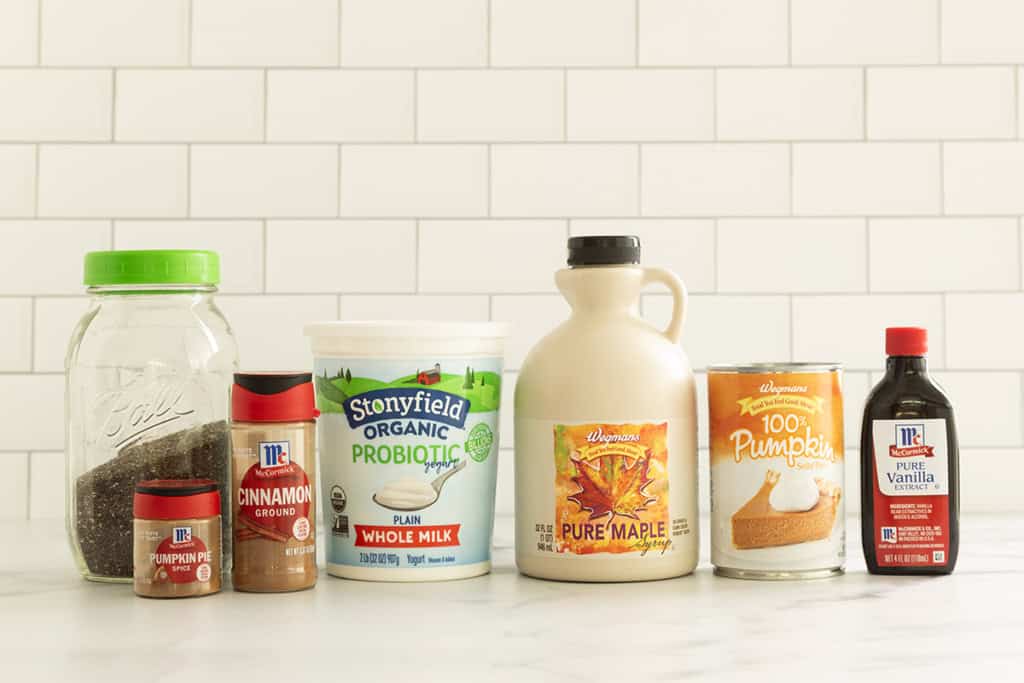
Following the initial mix, the pudding requires a "setting period" in a temperature-controlled environment (refrigeration at or below 40°F/4°C). While a minimum of two hours is necessary for the seeds to hydrate, culinary experts and nutritionists generally recommend an overnight soak. This extended duration ensures maximum hydration of the seeds and allows the flavors of the pumpkin spice—typically a blend of cinnamon, ginger, cloves, and nutmeg—to permeate the mixture.
Market Trends and Consumer Behavior
The adoption of Pumpkin Chia Seed Pudding reflects several key consumer trends identified by market research firms. First is the "Grab-and-Go" culture. As professional and academic schedules become more demanding, the ability to prepare a week’s worth of breakfasts in a single session is a high-value proposition.
Second is the "Clean Label" movement. Consumers are increasingly wary of long ingredient lists found in store-bought yogurt parfaits or breakfast bars. By preparing this pudding at home, individuals have total control over the sweetening agents. Options such as maple syrup, date paste, or applesauce allow for a reduction in refined sugar intake, a primary goal for many modern diets.
Finally, the "Toddler and Family Nutrition" segment has embraced this dish. Parents seeking to introduce high-fiber foods to children often struggle with texture and flavor. The "pudding" designation makes the dish more palatable to younger demographics, while the high Vitamin A content supports the rapid growth and development phases of early childhood.
Expert Insights and Implications for Public Health
Public health officials and registered dietitians have noted that the biggest hurdle to healthy eating is often accessibility and preparation time. Pumpkin Chia Seed Pudding addresses both.
"The inclusion of chia seeds in a daily diet can significantly improve digestive regularity and heart health due to the fiber and omega-3 content," states a consensus of nutritional research. Furthermore, the use of pumpkin as a base provides a natural sweetness that reduces the need for high-fructose corn syrup or other caloric sweeteners.
There is also a psychological component to the consumption of such dishes. The "Pumpkin Spice" flavor profile is associated with comfort and nostalgia. By linking these positive emotional states with high-nutrient foods, nutritionists believe they can foster long-term sustainable eating habits rather than short-term "fad" dieting.
Storage, Safety, and Longevity
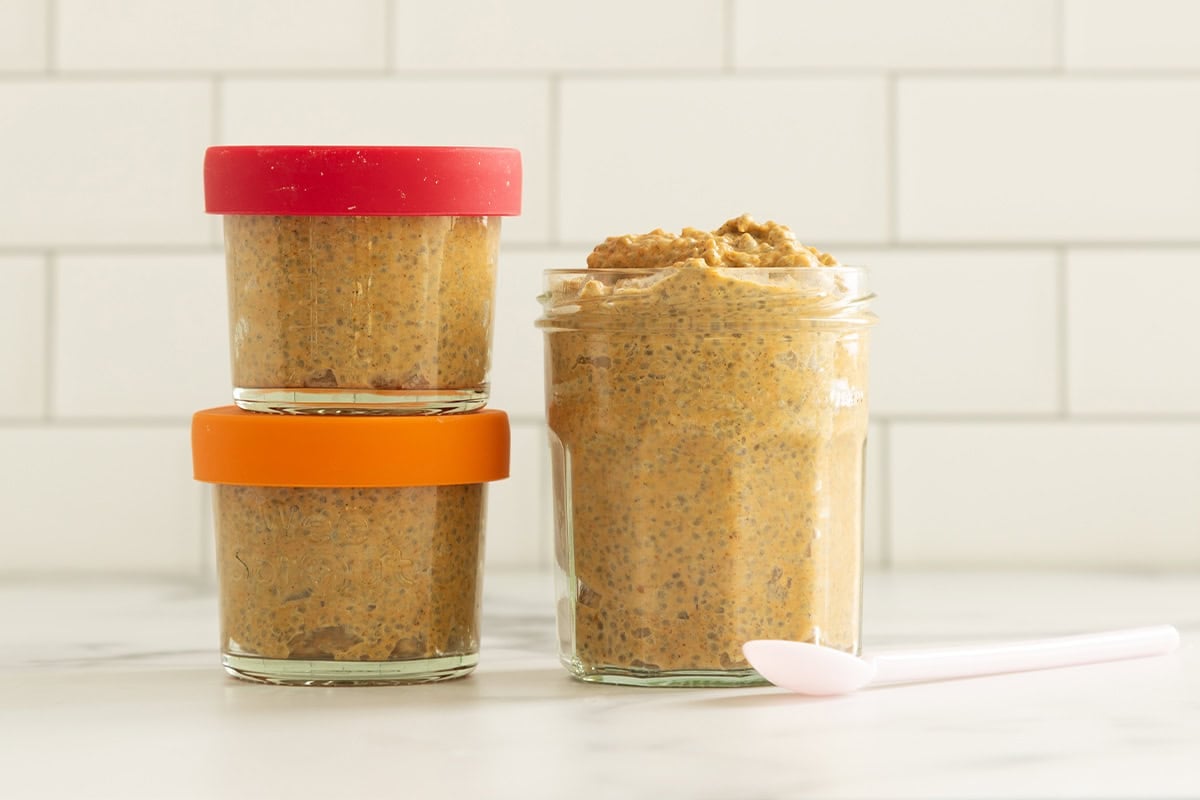
From a food safety perspective, Pumpkin Chia Seed Pudding must be handled with the same rigor as any dairy or produce-based product. When stored in airtight containers, the pudding maintains its nutritional integrity and sensory qualities for three to five days.
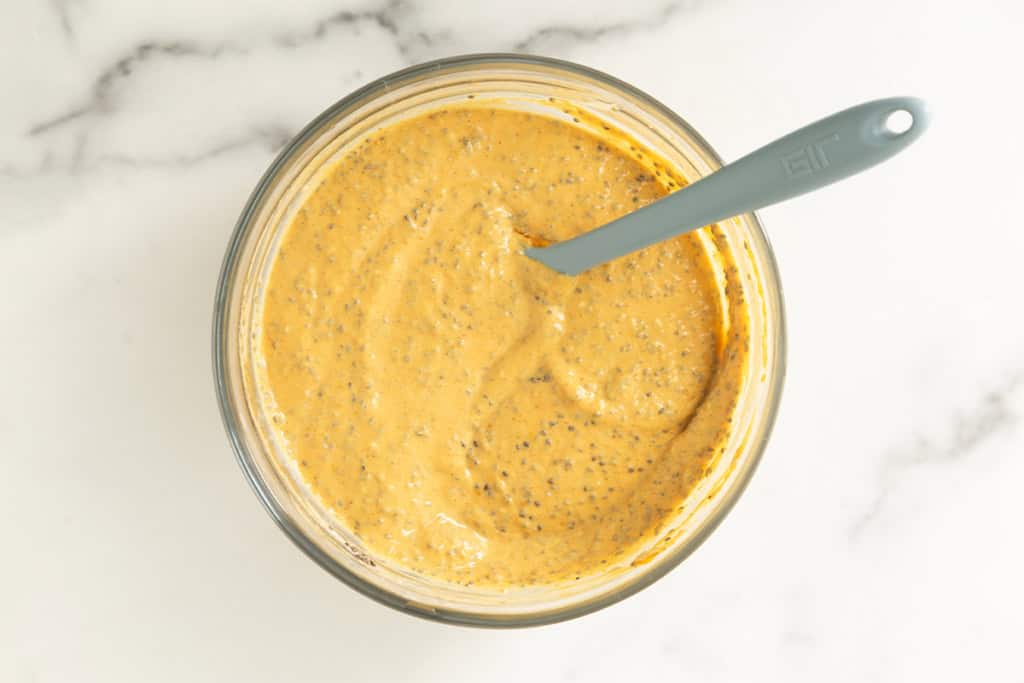
The stability of the mixture is due to the acidity of the yogurt and the low moisture activity once the chia seeds have absorbed the available liquid. However, separation may occur over time. This is a natural physical process and does not necessarily indicate spoilage; a simple agitation or stirring of the mixture usually restores the original consistency.
Future Outlook and Broader Impact
As the global food system faces challenges related to sustainability and chronic health conditions like obesity and type 2 diabetes, the promotion of plant-forward, nutrient-dense meals like Pumpkin Chia Seed Pudding is likely to increase.
The scalability of the recipe—allowing for the addition of various "toppers" like blueberries, cinnamon apples, or nuts—ensures that it can adapt to different regional tastes and seasonal availability. This versatility is key to its longevity in the modern diet.
In conclusion, Pumpkin Chia Seed Pudding is more than a seasonal trend. It is a scientifically-backed, nutritionally dense meal that aligns with the needs of the 21st-century consumer. By leveraging the natural properties of its ingredients, it provides a blueprint for how traditional flavors and modern nutritional science can coexist to improve public health outcomes, one breakfast at a time.
