

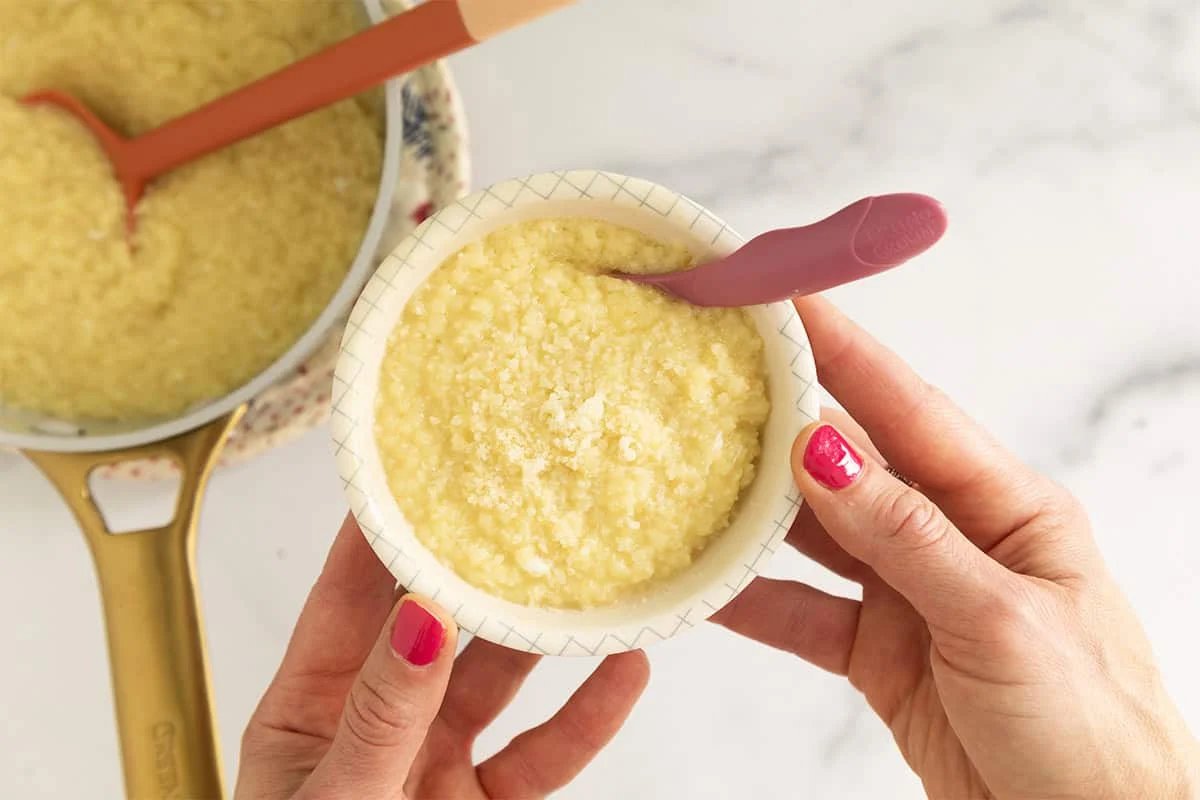
The culinary landscape of Italian-American households has long been anchored by a specific category of comfort food known as pastina with egg, a dish that transcends simple sustenance to serve as a cultural touchstone and a reliable nutritional resource for families. Often colloquially referred to as "Italian penicillin," this preparation has maintained its relevance through generations, providing a high-protein, easily digestible meal suitable for infants, toddlers, and adults alike. As modern dietary trends shift toward functional foods that offer both emotional comfort and physical recovery, the simplicity and efficiency of pastina with egg have positioned it as a subject of renewed interest among nutritionists and culinary historians.
The Historical Evolution of Pastina in the Italian Diaspora
The origins of pastina, which translates literally to "little pasta," are rooted in the regional traditions of Italy, where various small-shaped pastas—such as stelline (stars), acini di pepe (peppercorns), and grattini (shredded)—were developed specifically for soups and broths. These shapes were designed to provide texture without overwhelming the delicate nature of a clear broth, making them the primary choice for minestrine, the light soups traditionally served to the elderly and the unwell.
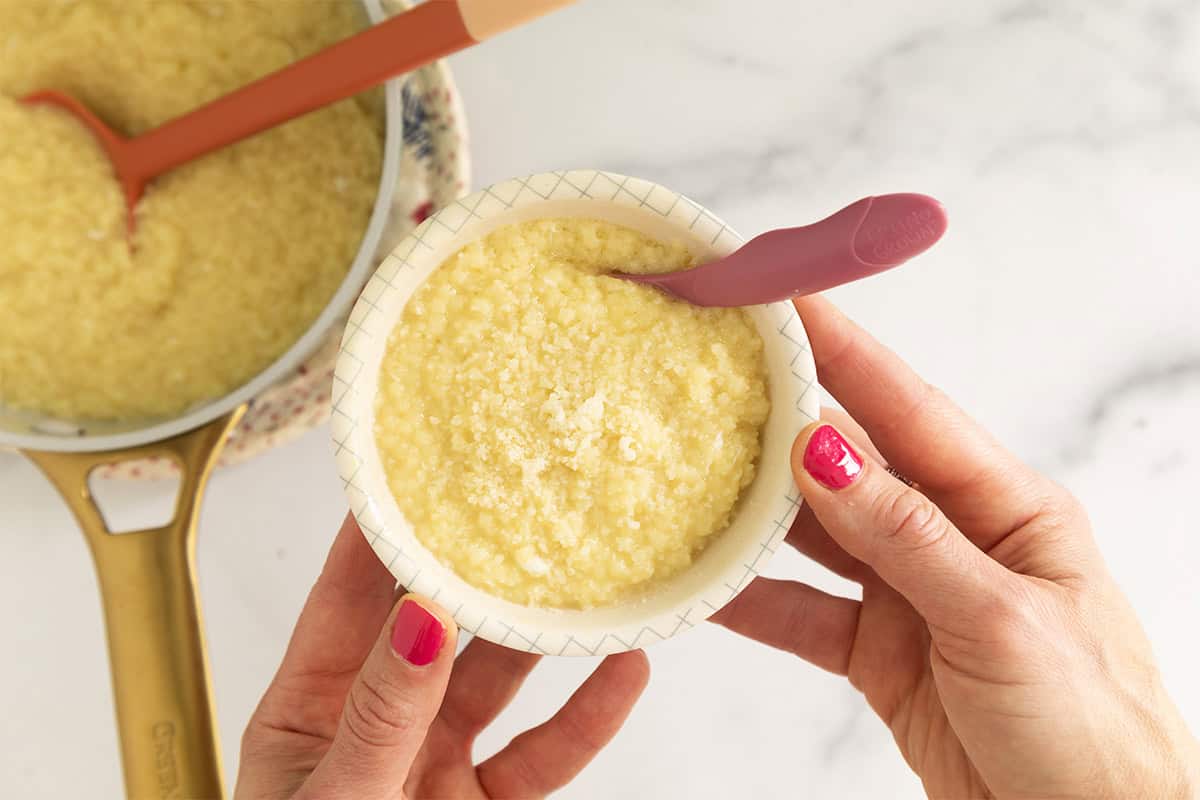
When Italian immigrants arrived in the United States during the late 19th and early 20th centuries, their culinary traditions adapted to the available ingredients. The inclusion of an egg in the cooking process became a common practice to enhance the caloric density and nutritional value of the meal, especially during times of economic hardship when meat was a luxury. By tempering an egg into the hot pasta, families could create a rich, custard-like consistency that provided essential fats and proteins. Over decades, this dish evolved from a necessity of the immigrant kitchen to a standardized pediatric staple in American homes, recommended by physicians for children transitioning to solid foods or recovering from seasonal illnesses.
Market Dynamics and the 2023 Pastina Discontinuation Controversy
The stability of this household staple was notably challenged in early 2023, an event that highlighted the deep emotional and practical connection consumers have with the product. The discontinuation of pastina by major brands, most notably Ronzoni, sparked a significant public outcry and a surge in market demand for alternative brands like Barilla and De Cecco.
The discontinuation was attributed to the specialized manufacturing equipment required to produce the tiny star shapes, which had reached the end of its operational life. Market analysts noted that the "Pastina Crisis" of 2023 led to a 400% increase in social media mentions of the dish, as consumers sought out substitute shapes such as orzo and alphabet pasta to maintain their family traditions. This event underscored the dish’s status not merely as a recipe, but as a critical component of the domestic supply chain for caregivers across North America.
Technical Analysis of Ingredients and Preparation Methods
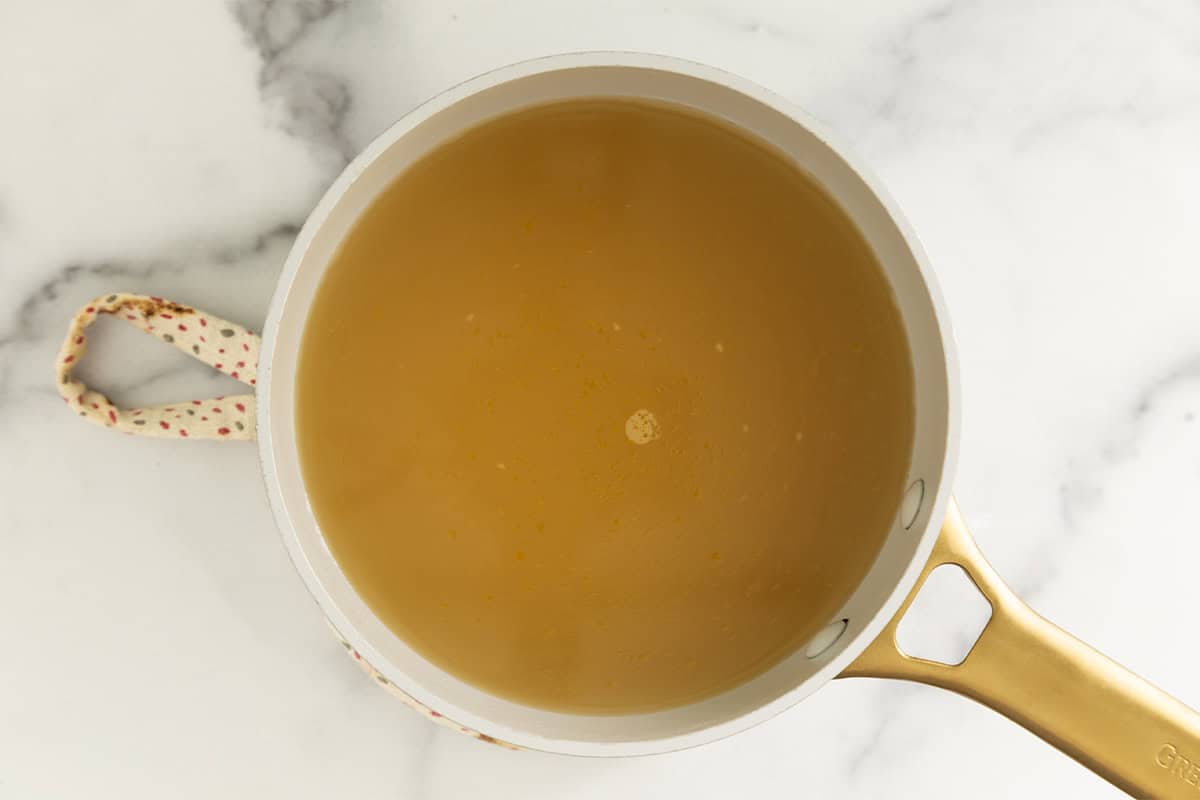
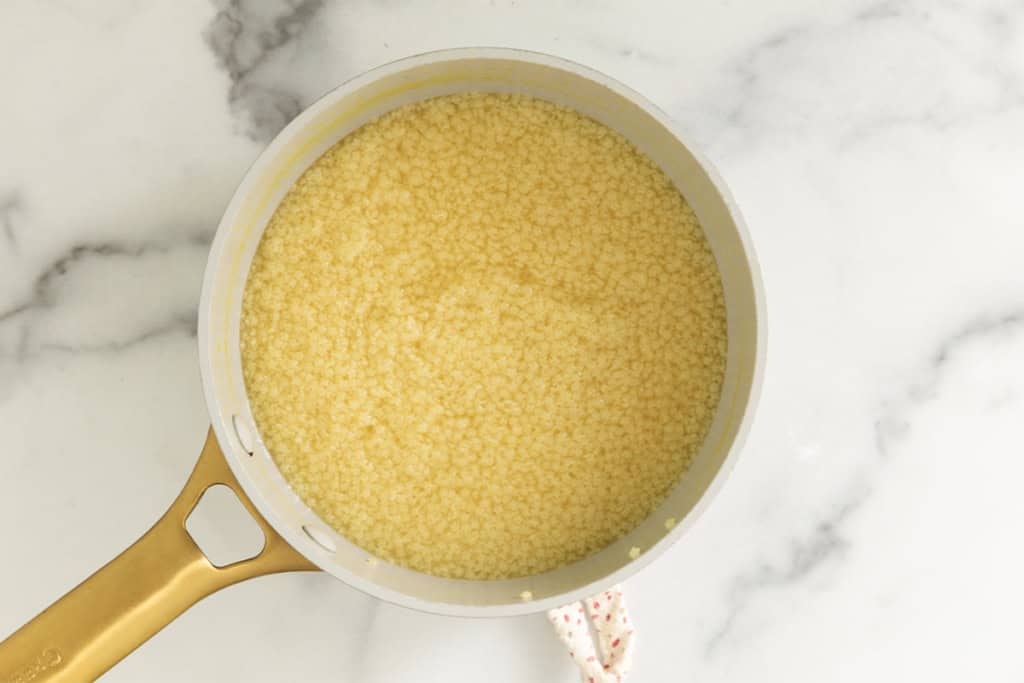
The efficacy of pastina with egg lies in its preparation method, which differs significantly from the standard "boil and drain" technique used for larger pasta shapes. To maximize flavor and nutrient retention, the dish utilizes the absorption method, where the pasta is cooked directly in a measured amount of broth.
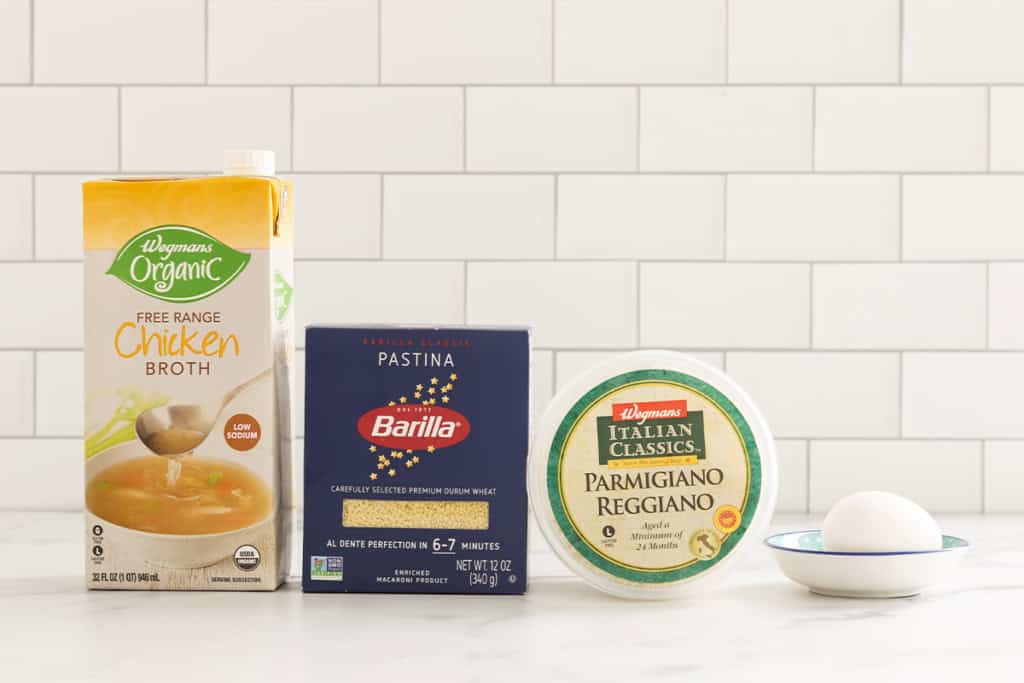
Core Components
- Pasta Base: Tiny star-shaped pasta (stelline) or similar micro-shapes like acini di pepe. The high surface-area-to-volume ratio allows for rapid cooking—typically within 10 minutes—and efficient starch release, which contributes to a creamy texture.
- Liquid Medium: Chicken or vegetable broth serves as the primary cooking liquid. This choice adds sodium, potassium, and micronutrients that are absent when cooking in plain water.
- Protein Enrichment: A single large egg is incorporated at the conclusion of the cooking process. The residual heat of the pasta is sufficient to cook the egg to a safe temperature while maintaining a silky, non-rubbery texture.
- Emulsifiers and Flavorants: Grated Parmesan cheese and black pepper provide the necessary lipid content and enzymatic complexity to round out the flavor profile.
The Tempering Process
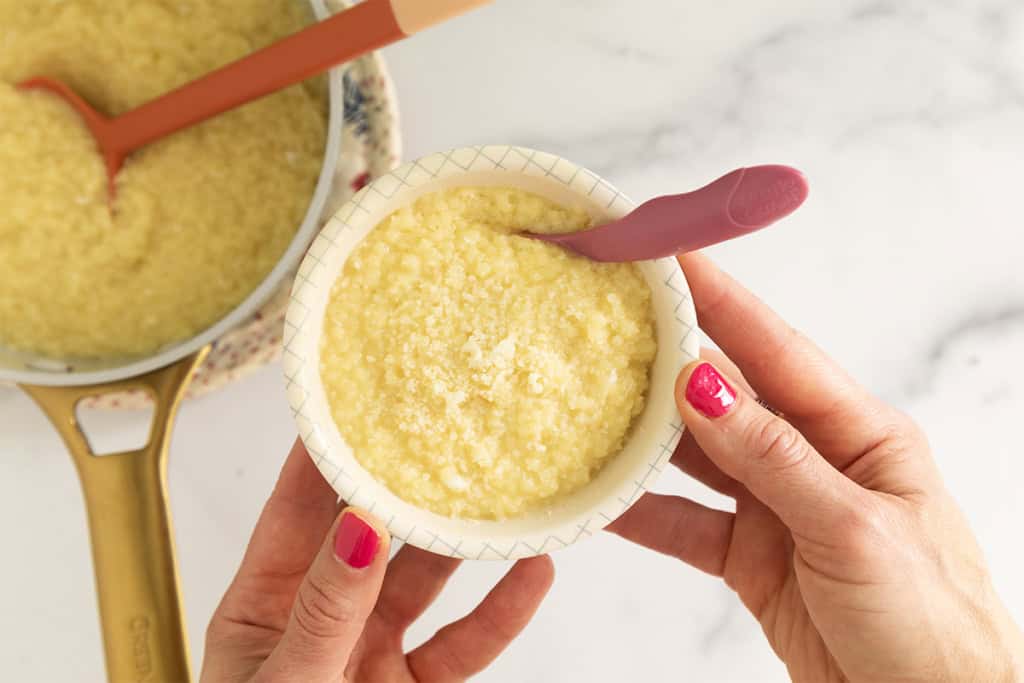
The final stage of preparation requires precise execution to ensure the egg creates a cohesive sauce rather than distinct scrambled pieces. By removing the saucepan from the heat before adding the egg and cheese, the cook prevents the proteins in the egg from denaturing too quickly. Constant agitation during this phase results in a homogenous, nutrient-dense coating that adheres to the small pasta shapes, making it easy for toddlers to consume with a spoon.
Nutritional Density and Pediatric Health Implications
From a clinical nutrition perspective, pastina with egg offers a balanced macronutrient profile that is particularly beneficial during periods of convalescence. According to standardized nutritional data, a single one-cup serving of this preparation provides approximately 219 calories, with a robust 12 grams of protein.
Macronutrient Breakdown
- Carbohydrates (34g): Provides the glucose necessary for cellular energy, particularly important for active toddlers and individuals recovering from energy-depleting illnesses.
- Protein (12g): Derived from both the wheat pasta and the egg, providing a complete amino acid profile essential for tissue repair and immune function.
- Fats (4g): Includes 1g of saturated fat and 2g of unsaturated fats, facilitating the absorption of fat-soluble vitamins.
Micronutrient Profile and Benefits
The dish is a significant source of several key vitamins and minerals:
- Vitamin A (273 IU): Critical for maintaining mucosal barriers and supporting ocular health.
- Vitamin C (10mg): Acts as an antioxidant and supports collagen synthesis.
- Calcium (74mg): Supports bone density and neurological signaling.
- Iron (1mg): Essential for oxygen transport in the blood, a frequent concern in pediatric diets.
Furthermore, the low fiber content (3g per serving) is an intentional feature for "sickness food." During gastrointestinal distress, a low-residue diet is often recommended to reduce the workload on the digestive system while still providing necessary calories.
Broader Impact and Implications for Modern Diets
As the "slow food" movement and a return to "heritage cooking" gain momentum, pastina with egg represents a bridge between convenience and quality. In an era dominated by ultra-processed shortcut meals, this 10-minute preparation offers a whole-food alternative that utilizes pantry staples.
Adaptability in Modern Culinary Practices
The versatility of the dish allows it to meet various contemporary dietary requirements:
- Dairy-Free Modifications: The omission of Parmesan cheese reduces the sodium content and makes the dish accessible to those with lactose intolerance without sacrificing the protein benefits of the egg and broth.
- Protein Scaling: For adults or athletes, the dish is frequently paired with baked chicken meatballs or marinated tenders to increase the protein-to-carbohydrate ratio.
- Texture Control: For infants beginning their transition to solids (around 6–8 months), the liquid ratio can be increased to create a more porridge-like consistency, reducing the risk of choking.
Longevity and Storage
Unlike many pasta dishes that lose their structural integrity upon cooling, pastina with egg maintains its quality for up to five days when stored in an airtight container under refrigeration. This makes it a viable option for "meal prepping" for busy caregivers. Reheating requires the addition of a small amount of liquid (water or broth) to restore the emulsion of the egg and cheese, a technical detail that ensures the dish remains palatable.
Conclusion: The Enduring Role of Functional Comfort Food
The continued popularity of pastina with egg is a testament to the efficiency of traditional culinary wisdom. By combining a high-surface-area starch with a complete protein and a mineral-rich liquid, the dish fulfills the primary requirements of functional nutrition: it is easy to prepare, easy to digest, and dense with essential nutrients.
As the food industry continues to navigate supply chain challenges and shifting consumer preferences, the resilience of "Italian penicillin" serves as a reminder of the importance of simple, foundational recipes. Whether utilized as a quick dinner for a toddler or a comforting recovery meal for an adult, pastina with egg remains a vital component of the modern dietary repertoire, offering a reliable solution for those in need of fast, nutritious comfort.
