

The challenges associated with pediatric nutrition and the maintenance of structured family mealtime environments have become a focal point of concern for child development experts and modern parents alike. Domestic dining, once considered a cornerstone of social cohesion, is increasingly characterized by logistical friction, ranging from the divergent dietary preferences of siblings to behavioral non-compliance during seated meals. This phenomenon, colloquially described by many caregivers as a "circus" environment, reflects a broader shift in contemporary household management where the intersection of nutritional requirements and behavioral expectations often leads to parental burnout. Recent inquiries from parental communities highlight a recurring struggle: the inability to find a singular meal that satisfies multiple children while simultaneously ensuring they remain at the table long enough to achieve adequate caloric and nutrient intake.
Behavioral and Nutritional Obstacles in Modern Parenting
The difficulty of managing a household with multiple children, such as the case of a mother of three struggling with mealtime stability, is not an isolated incident but rather a systemic issue in early childhood development. Pediatricians note that "picky eating" or food neophobia—the fear of new foods—typically peaks between the ages of two and six. When this developmental stage is multiplied by the presence of several siblings, the probability of dietary overlap diminishes, often forcing parents into the role of "short-order cooks." This practice, while providing a temporary solution to hunger, frequently reinforces selective eating habits and increases the cognitive load on the caregiver.
Furthermore, the physical act of remaining seated during a meal is a gross motor and sensory challenge for many young children. Developmental specialists point out that the expectation for a child to sit still for twenty to thirty minutes may conflict with their physiological need for movement. When a dining environment lacks structure or when children are overstimulated by the day’s activities, the dinner table becomes a site of behavioral resistance rather than a place of nourishment.
A Chronology of the Shifting Family Dining Paradigm
To understand the current state of mealtime challenges, it is necessary to examine the evolution of the family dinner over the last several decades.
In the mid-20th century, the "traditional" family meal was characterized by a high degree of parental authority and limited dietary choices. Children were generally expected to consume what was served, with little regard for sensory preferences. However, this era also featured a more singular focus on the domestic sphere, with fewer extracurricular distractions for children and more time allocated for food preparation.
By the 1980s and 1990s, the rise of dual-income households and the proliferation of processed "convenience foods" began to alter the landscape. The focus shifted toward efficiency. This period saw the introduction of kid-specific marketing, which carved out a separate "kid food" category (e.g., chicken nuggets, boxed mac and cheese), inadvertently creating a dietary rift between adults and children.
In the 2020s, the challenge has intensified due to the digital age and the increase in extracurricular scheduling. The modern family dinner is often compressed into a narrow window between work, school, and sports. Consequently, the "circus" atmosphere described by many parents is a byproduct of high-stress environments where the dinner table is the first point of convergence after a long day of separation and stimulation.
Statistical Analysis of Pediatric Eating Habits and Household Stress
Quantitative data underscores the prevalence of the issues faced by modern families. According to a study published in the journal Pediatrics, approximately 25% to 50% of children are described by their parents as picky eaters at some point during their development. This behavioral trait is not merely a matter of preference; it has measurable impacts on household dynamics.
Research from the American Psychological Association (APA) indicates that mealtime conflict is a leading source of daily stress for parents of young children. In households with three or more children, the complexity of managing divergent needs increases the likelihood of "parental mealtime stress" by nearly 40%. Additionally, the economic impact of food waste—resulting from rejected meals—is significant. The USDA estimates that the average American family wastes nearly $1,500 worth of food annually, a portion of which is attributed to the "trial and error" nature of feeding selective children.
Nutritionally, the stakes remain high. The Centers for Disease Control and Prevention (CDC) report that fewer than 1 in 10 children consume the recommended daily amount of vegetables. The struggle to integrate diverse vegetables into a single meal that three different children will accept is a primary barrier to meeting these public health benchmarks.
Expert Frameworks for Mealtime Compliance
In response to these challenges, nutritional therapists and child psychologists have developed several frameworks designed to de-escalate mealtime tension. One of the most prominent is the "Division of Responsibility in Feeding," pioneered by Ellyn Satter. This model posits that the parent is responsible for the what, when, and where of feeding, while the child is responsible for how much and whether they eat. By relinquishing control over the child’s actual intake, parents can theoretically reduce the "circus" atmosphere and eliminate the power struggles that lead to children fleeing the table.
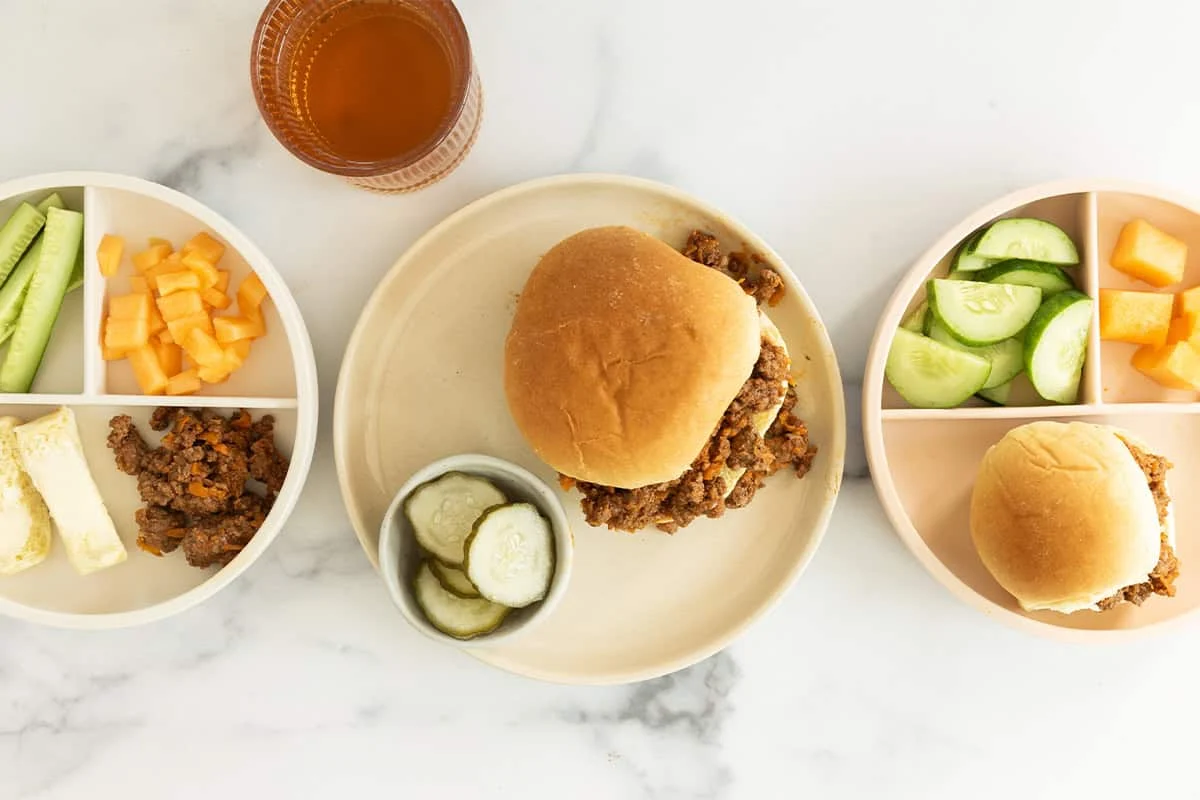
Another strategy involves the "deconstructed meal" approach. Instead of serving a composite dish, such as a casserole or a mixed salad, parents serve the components separately. For example, in the case of Sloppy Joes, a parent might serve the meat, the bun, and the side vegetables in distinct sections of a plate. This allows children to exert a sense of autonomy over their food choices without requiring the parent to cook multiple different recipes. This method addresses the "one meal for the whole family" goal while respecting individual sensory boundaries.
Regarding the issue of children refusing to stay seated, occupational therapists often suggest "heavy work" or sensory integration activities before a meal. These activities help regulate a child’s nervous system, making the transition to a sedentary task more manageable. Furthermore, setting realistic expectations—such as a ten-minute "minimum stay" rather than a thirty-minute requirement—can help build a child’s tolerance for seated meals over time.
The Role of Community and Subscription-Based Support Systems
As the complexity of modern parenting grows, there has been a notable shift toward specialized support communities. Platforms such as the YTF Community represent a move toward the "professionalization" of parental advice. By moving toward a paid subscription model, these platforms offer curated, expert-vetted content that aims to cut through the noise of general social media.
The transition to paid models in the parental advice sector reflects a broader trend in the creator economy. Parents are increasingly willing to pay for "mealtime peace" through customizable meal plans, shopping lists, and peer-to-peer forums. These resources provide a structured methodology for families who feel overwhelmed by the daily logistical demands of nutrition. The presence of paywalls on such content suggests that high-quality, actionable advice is being treated as a premium service, essential for navigating the high-pressure environment of modern domestic life.
Broader Social and Health Implications
The inability of families to maintain consistent, stress-free mealtimes has implications that extend beyond the kitchen. Longitudinal studies have shown that regular family meals are associated with better academic performance, higher self-esteem, and lower rates of substance abuse in adolescents. When the dinner table becomes a source of conflict, these protective benefits are compromised.
Moreover, the psychological toll on parents cannot be ignored. The "give up" sentiment expressed by many caregivers is a symptom of a larger lack of societal support for the domestic labor involved in raising children. Without practical strategies to simplify feeding, the cumulative stress can contribute to broader mental health challenges for parents, which in turn affects the emotional climate of the home.
In conclusion, the challenges of feeding a family in the modern era are a multifaceted issue involving developmental psychology, nutritional science, and socioeconomic factors. Addressing the "circus" at the dinner table requires a shift away from traditional authoritarian feeding styles toward more flexible, deconstructed, and regulated approaches. As families continue to navigate these hurdles, the reliance on specialized communities and evidence-based frameworks will likely become a permanent fixture of the contemporary parenting landscape. The goal remains not just the consumption of calories, but the restoration of the meal as a functional and harmonious component of family life.
