

The Psychological Burden of Nutritional Perfectionism
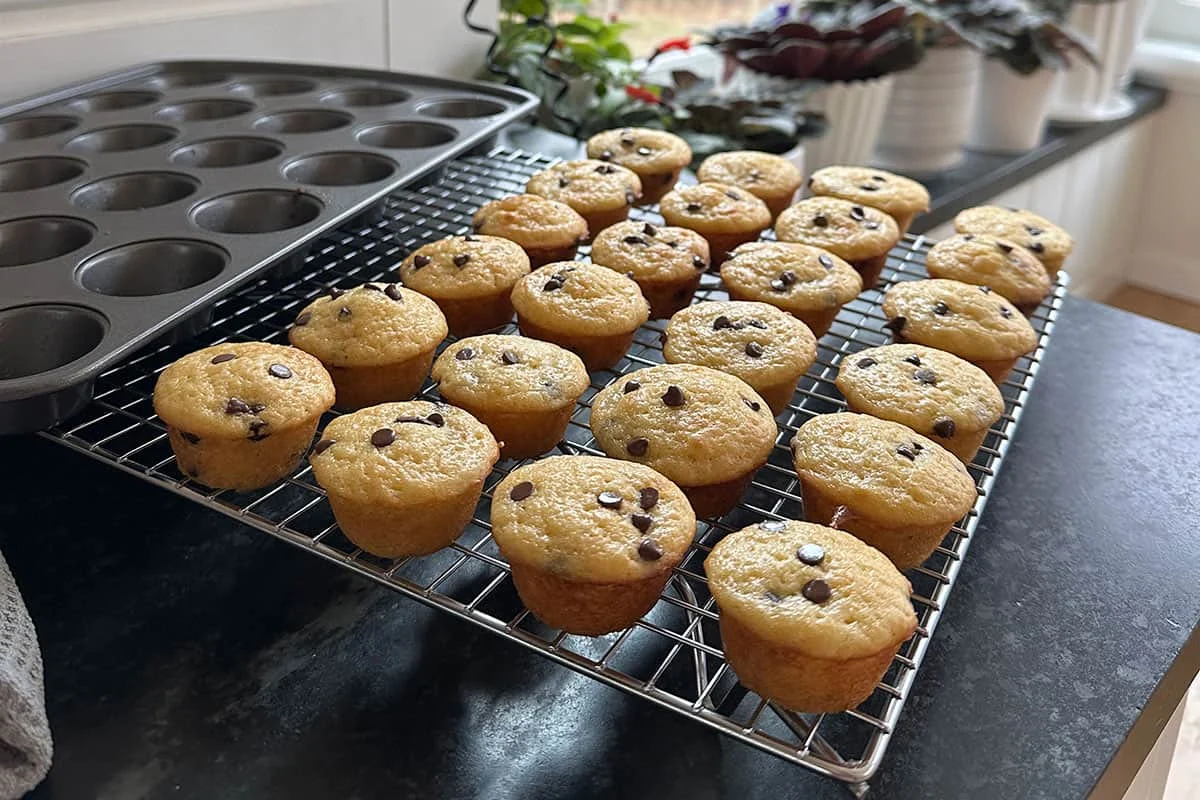
The current climate of parental guilt often stems from the internalization of high-pressure feeding standards. When a parent receives validation for their parenting through the successful execution of a recipe—such as a specific muffin recipe designed for toddlers—it underscores the precarious nature of self-worth in the modern domestic sphere. This validation, while seemingly positive, reinforces the notion that a parent’s value is tied to their output in the kitchen. Experts in child development and parental psychology note that this "performative parenting" is often exacerbated by the visual nature of social media platforms like Instagram and TikTok, where the "ideal" family meal is curated and filtered, leaving little room for the reality of picky eaters, time constraints, and financial limitations.
Research indicates that the mental load of feeding a family involves far more than the physical act of cooking. It encompasses meal planning, grocery shopping, budget management, and the emotional labor of navigating a child’s changing preferences. According to a study by the American Sociological Review, women still shoulder a disproportionate amount of this "invisible labor," even in households where both partners work full-time. The added layer of social media comparison creates a "perfectionism trap" that can lead to chronic stress and anxiety.
The Digital Landscape and the Content Creator Crisis
The struggle to maintain a healthy perspective on family feeding is occurring against a backdrop of significant shifts in the digital media industry. Independent content creators, who have traditionally provided the recipes and support systems for parents, are facing unprecedented challenges from algorithmic volatility and the rise of artificial intelligence (AI) scraping. These creators, such as the founders of the YTF (Yummy Toddler Food) Community, report that their ability to reach and support their audience is being "walloped" by platforms that prioritize engagement over quality and by AI tools that aggregate their intellectual property without compensation.
This industrial shift has broader implications for how parents consume information. As independent voices are deprioritized by search engine algorithms, parents may find it increasingly difficult to access nuanced, expert-driven advice, instead being funneled toward generic or AI-generated content that may lack the empathetic context necessary to alleviate parental guilt. The reliance on these digital gatekeepers means that the "community" aspect of parenting—sharing joys and challenges in a safe space—is being commodified and diluted.
A Chronology of the Modern Feeding Ideal
The evolution of the "good mom" archetype in the kitchen has undergone several distinct phases over the last century:
- The Post-War Era (1945–1960s): The emphasis was on efficiency and the adoption of processed "convenience" foods, which were marketed as a way to liberate women from the kitchen.
- The Whole Foods Movement (1970s–1990s): A shift toward "from-scratch" cooking emerged as a reaction to industrial food systems, introducing the first modern wave of nutritional guilt.
- The Rise of the "Pinterest Mom" (2010s): The arrival of visual social media platforms turned meal preparation into a visual competition, where the appearance of the food became as important as its nutritional value.
- The Pandemic and Burnout Era (2020–Present): The total collapse of the work-life boundary during global lockdowns forced a reckoning with the sustainability of these high standards. This has led to the current "Dinnertime SOS" movement, which prioritizes mental health and realistic expectations over culinary perfection.
Supporting Data: The Reality of Household Labor
Data from the Bureau of Labor Statistics’ American Time Use Survey consistently shows that food preparation and cleanup remain gendered tasks. In 2023, women spent an average of 1.1 hours per day on food preparation and cleanup, compared to 0.5 hours for men. Furthermore, a survey conducted by the Pew Research Center found that 45% of mothers say they feel judged by their own parents or in-laws for how they feed their children, while 37% feel judged by other parents in their community.
The financial aspect of "good mom" guilt cannot be overlooked. As food inflation continues to impact household budgets, the pressure to buy organic, non-processed, or "premium" ingredients adds a socioeconomic layer to the guilt. For many families, the "ideal" diet is financially inaccessible, creating a sense of failure that is rooted in economic reality rather than a lack of parental effort.
Official Responses and Expert Perspectives
In response to the rising levels of parental anxiety, several prominent figures in the nutrition and parenting space have begun to advocate for a "fed is best" approach for older children, mirroring the movement in infant feeding. Amy Palanjian, an educator and author of Dinnertime SOS, has been a vocal proponent of de-escalating the tension in the kitchen. Her work emphasizes that the goal of family dinner should be connection and nourishment, not the achievement of a specific nutritional or aesthetic standard.
Nutritionists specializing in pediatric feeding, such as those following the Ellyn Satter Division of Responsibility (DOR) model, argue that the parent’s job is to provide the food, while the child’s job is to decide how much and whether to eat. By adhering to this framework, parents can legally and psychologically "let go" of the outcome of the meal, thereby reducing the guilt associated with a child’s refusal to eat "healthy" muffins or vegetables.
Broader Impact and Industry Implications
The movement to let go of "good mom" guilt has significant implications for the future of the publishing and digital media industries. There is a marked shift in consumer demand away from aspirational, high-effort cookbooks toward titles that offer "SOS" solutions—meals that can be prepared in under 20 minutes with minimal cleanup. This shift is a direct response to the exhaustion of the modern caregiver.
Furthermore, the "Members Only" model adopted by many independent creators is a strategic response to the aforementioned AI scraping and algorithmic changes. By moving content behind paywalls or into private communities, creators are attempting to foster safer, more intimate environments where parents can discuss their struggles without the fear of public judgment or the interference of data-harvesting bots. This "de-platforming" of parental support suggests a future where the most valuable parenting advice is found in closed, human-centric networks rather than on the open web.
Conclusion: Redefining Success in the Kitchen
The transition from a guilt-based feeding model to one rooted in self-compassion requires a fundamental shift in how society defines "good" parenting. It involves recognizing that a parent’s value is not found in the crumb of a muffin or the variety of a lunchbox, but in the stable, loving environment they provide for their children. As the digital landscape continues to evolve, the preservation of human-led communities remains essential for helping caregivers navigate the complexities of modern life.
By acknowledging the systemic pressures—ranging from gendered labor divisions to the predatory nature of AI technology—parents can begin to externalize the guilt they feel. The "lighter place" mentioned by industry leaders is achieved not through trying harder, but through the intentional decision to lower the stakes of the kitchen. In the long term, this cultural shift may lead to a more sustainable and equitable approach to family life, where the mental health of the caregiver is viewed as just as vital as the nutrition of the child.
