

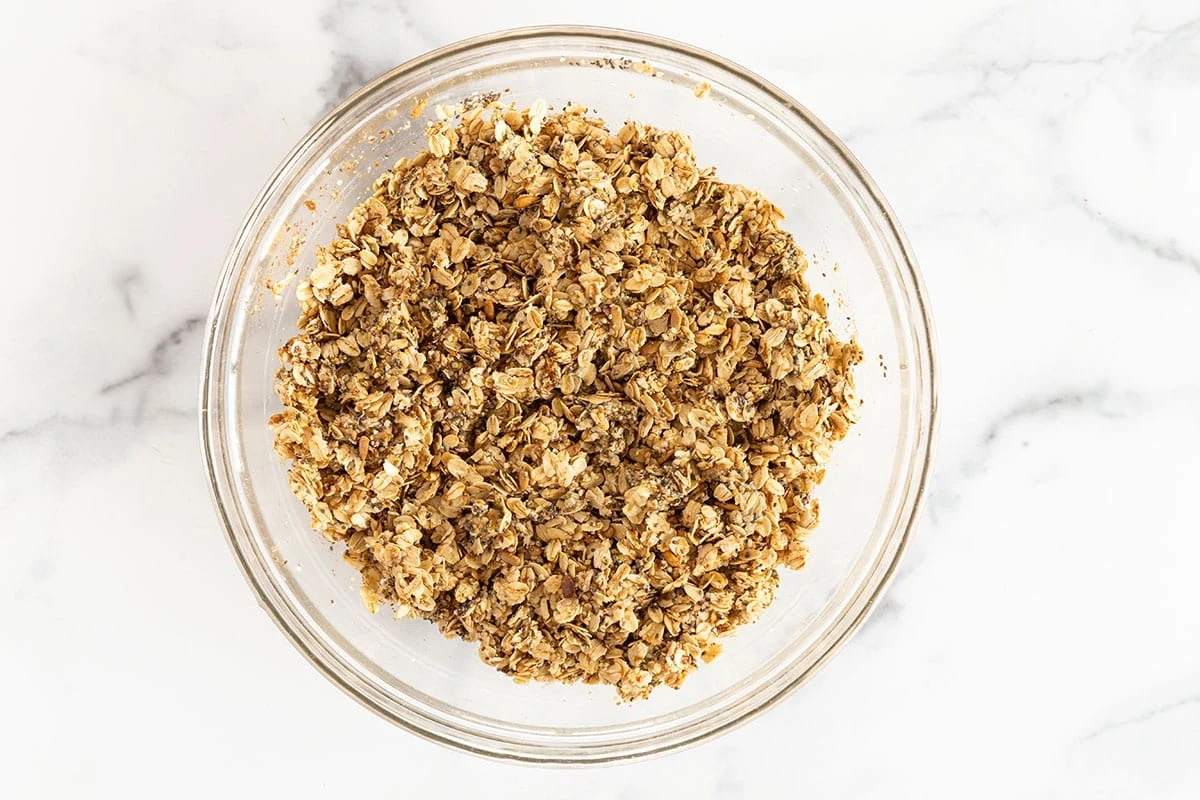
The landscape of pediatric nutrition is undergoing a significant shift as parents and health professionals increasingly prioritize the reduction of added sugars in early childhood diets. Among the various mealtime challenges, breakfast remains a critical focal point, often serving as the primary source of hidden sugars in the form of processed cereals and pre-packaged snacks. In response to this growing concern, a refined approach to home-prepared staples has emerged, exemplified by the development of lower-sugar granola formulations. This specific recipe, designed for toddlers and young children, utilizes whole-food sweeteners and nutrient-dense binders to provide a fiber-rich meal option that balances palatability with metabolic health.
The Nutritional Imperative for Low-Sugar Breakfasts
The American Academy of Pediatrics (AAP) and the American Heart Association (AHA) have long advocated for stringent limits on added sugar consumption for children, particularly those under the age of two, for whom the recommended intake of added sugars is zero. Excessive sugar consumption in early childhood is linked to a variety of long-term health issues, including dental caries, pediatric obesity, and the early onset of type 2 diabetes. Furthermore, high-sugar breakfasts can lead to rapid glucose spikes followed by "crashes," which negatively impact a child’s temperament, concentration, and energy levels throughout the morning.

By utilizing applesauce as a primary sweetening agent, this lower-sugar granola addresses these concerns. Applesauce provides natural fructose and fiber, which slows the absorption of sugar into the bloodstream. When paired with protein sources like peanut butter and almond flour, the resulting meal offers a low-glycemic index profile that supports sustained energy release.
Chronology of Granola: From Sanitarium Food to Sugar-Laden Snack
To understand the importance of lower-sugar home-baked granola, one must look at the historical trajectory of the food itself. Granola’s origins date back to the late 19th century.
- 1863: Dr. James Caleb Jackson at the Dansville Sanatorium in New York created "Granula," a heavy, twice-baked whole-wheat flour product that required soaking in milk overnight to be edible.
- 1870s-1880s: John Harvey Kellogg developed a similar product, eventually renamed "Granola" to avoid legal disputes with Jackson. It was marketed as a health food for patients at the Battle Creek Sanitarium.
- 1960s-1970s: Granola saw a resurgence during the counter-culture movement, viewed as a natural, "hippie" alternative to highly processed corn and rice cereals.
- 1990s-2010s: The commercialization of granola led to the inclusion of high-fructose corn syrup, honey, and oils to improve shelf life and taste, effectively turning a health food into a dessert-like product.
- 2020-Present: A "back-to-basics" movement, driven by nutritional literacy and the rise of the "clean label" trend, has seen a return to low-sugar, home-prepared versions that emphasize functional ingredients over caloric density.
Detailed Ingredient Analysis and Functional Benefits
The efficacy of this lower-sugar granola lies in its specific ingredient composition, which moves away from the traditional oil-and-sugar-heavy binders found in commercial brands.
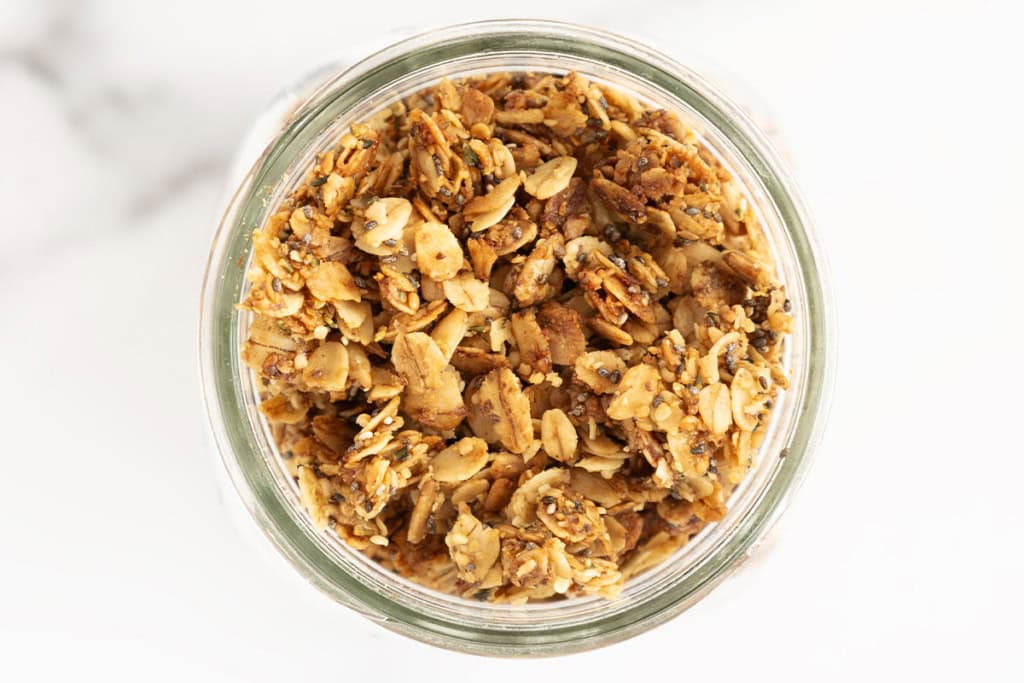
- Applesauce: Serving as the moisture base and primary sweetener, unsweetened applesauce reduces the need for refined syrups. It contains pectin, a soluble fiber that aids in digestive health.
- Almond Flour and Peanut Butter: These components introduce healthy monounsaturated fats and plant-based proteins. For toddlers, these fats are essential for brain development and the absorption of fat-soluble vitamins (A, D, E, and K).
- Oats (Whole Grain Base): As the structural foundation of the granola, oats provide beta-glucan, a fiber known for its heart-health benefits and its ability to promote a feeling of fullness.
- Optional Sweeteners (Honey/Maple Syrup): While the recipe allows for small amounts of these natural sweeteners, their role is secondary. For children under 12 months, honey is strictly avoided due to the risk of botulism, a factor that makes the applesauce-only version particularly versatile for multi-age households.
Supporting Data: A Comparative Look at Sugar Content
When analyzing the nutritional data of this formulation, the advantages become clear. A standard serving of commercial "honey nut" granola can contain upwards of 12 to 15 grams of sugar per 50-gram serving. In contrast, the lower-sugar granola profile is as follows:
- Calories: 91 kcal
- Total Sugar: 3g
- Fiber: 2g
- Protein: 2g
- Fat: 4g (with only 0.4g of saturated fat)
This represents a reduction in sugar content by approximately 75% compared to many leading store-bought brands. The inclusion of 2 grams of fiber per small serving is also significant, as it contributes substantially to the daily fiber goals for toddlers, which typically range from 14 to 19 grams depending on age and caloric needs.
Safety Considerations and Developmental Adaptations
A critical aspect of pediatric feeding is the consideration of texture and choking hazards. Traditional granola can be excessively crunchy or contain large whole nuts, which are inappropriate for children under the age of four.
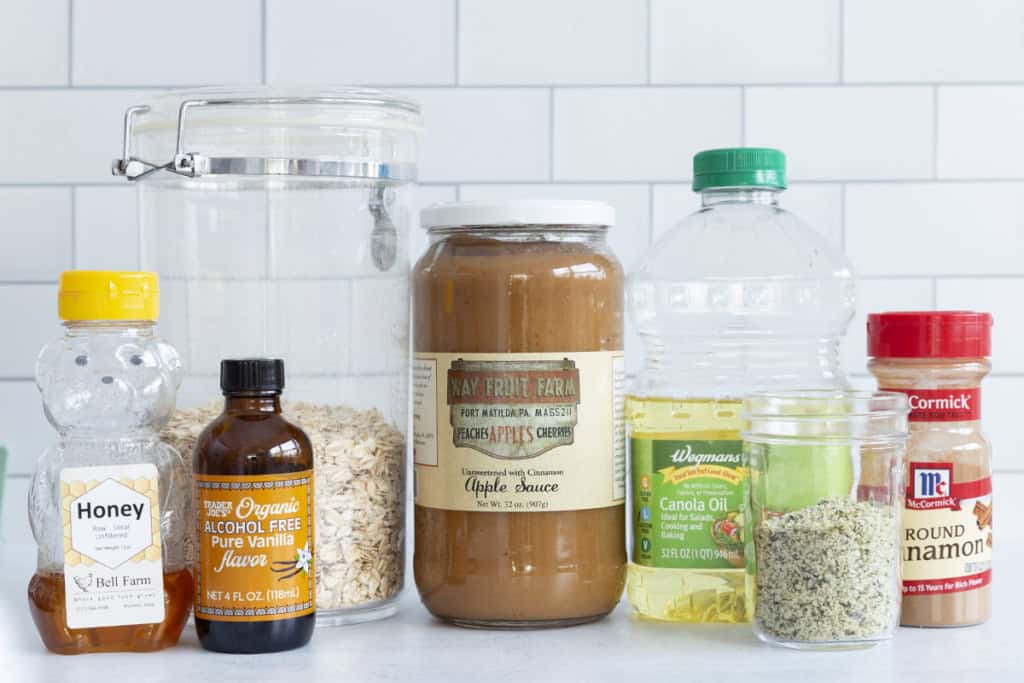
The methodology for this granola includes a "granola sprinkle" adaptation. By grinding the finished product in a food processor, parents can create a fine, sandy texture. This "sprinkle" can be added to yogurt or oatmeal, providing the flavor and nutritional benefits of granola without the structural risks associated with hard, jagged clusters. This adaptation is particularly useful for one-year-olds who are still perfecting their chewing and swallowing coordination.
Market Trends and Consumer Shifts
The rise of recipes like the Lower Sugar Granola reflects broader economic and social trends. The "Better-for-You" (BFY) snack market is projected to grow significantly over the next decade. Market research suggests that millennial and Gen Z parents are more likely to scrutinize ingredient labels and opt for "made-from-scratch" solutions to avoid preservatives and synthetic additives.
Furthermore, the "nut-free" variation of this recipe—substituting almond flour and peanut butter with hemp, sesame, or sunflower seeds—aligns with the increasing prevalence of food allergies in educational settings. Schools across North America and Europe have implemented strict "no-nut" policies, making seed-based, low-sugar granola a valuable commodity for lunchboxes and school breakfasts.
Implementation: Professional Tips for Culinary Success
For the home cook or institutional meal planner, the process of creating this granola is designed for efficiency and high yield.
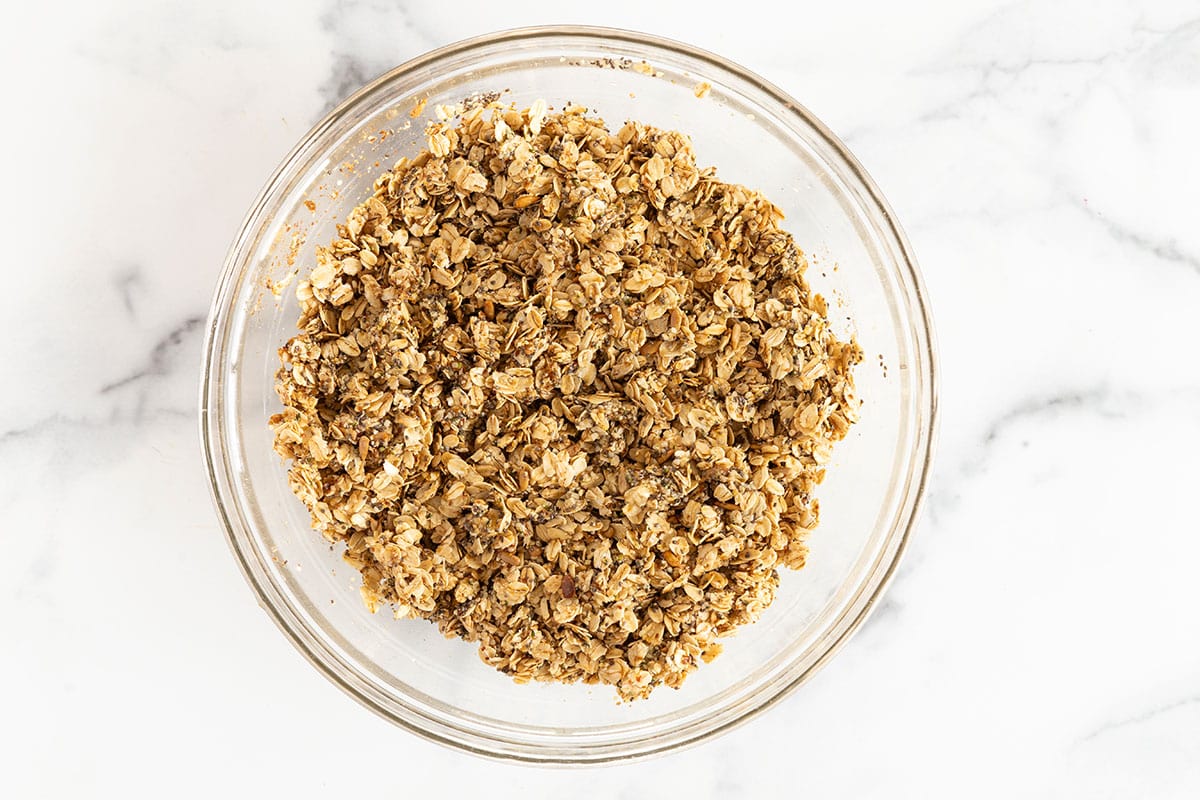
- Uniformity of Mixture: Ensuring that the applesauce and nut/seed butters are thoroughly emulsified before adding the dry oats is essential for even browning and flavor distribution.
- Temperature Control: Baking at a lower temperature (typically around 300°F to 325°F) prevents the natural sugars in the applesauce from burning, which can happen quickly in higher-heat environments.
- Post-Bake Additions: Dried fruits, which have a high sugar concentration and low moisture content, should be added after the baking process. Subjecting raisins or dried cranberries to oven heat can make them unpleasantly hard and potentially hazardous for young teeth.
- Storage Protocols: Due to the lower sugar and oil content, this granola does not have the indefinite shelf life of commercial products. It is recommended for consumption within one month when stored in an airtight container at room temperature. For long-term meal prep, the freezer offers a viable solution, extending the product’s viability to three months.
Broader Impact and Implications
The adoption of lower-sugar dietary habits in childhood has implications that extend beyond individual health. Public health experts suggest that "palate training" in early childhood is a key factor in long-term dietary patterns. Children who are exposed to the natural flavors of grains and fruits, rather than the hyper-sweetened profiles of processed foods, are more likely to maintain a preference for whole foods into adulthood.
By integrating fiber-rich, low-sugar options like this granola into the standard breakfast rotation, parents are not just providing a meal; they are participating in a preventative health strategy. As the medical community continues to highlight the dangers of the modern "Western Diet," the move toward controlled, home-prepared nutrition represents a practical and effective countermeasure.
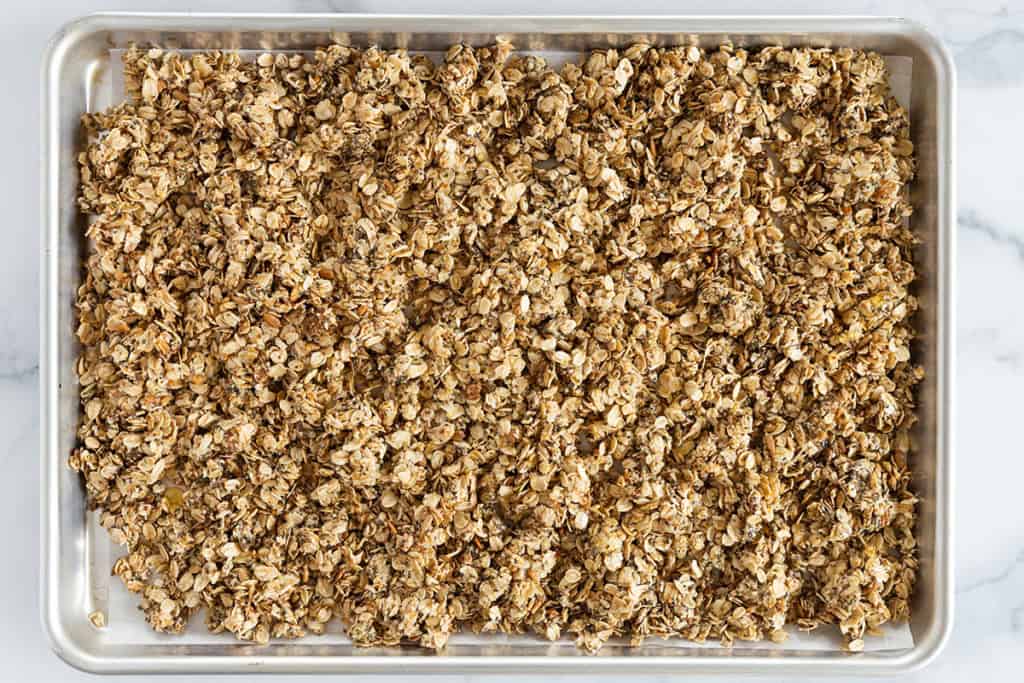
In conclusion, the Lower Sugar Granola serves as more than just a recipe; it is a nutritional tool. It bridges the gap between the convenience of cereal and the health requirements of a developing child. Through the strategic use of applesauce, healthy fats, and adaptable textures, it provides a blueprint for modern pediatric feeding that prioritizes long-term wellness over short-term flavor engineering.
